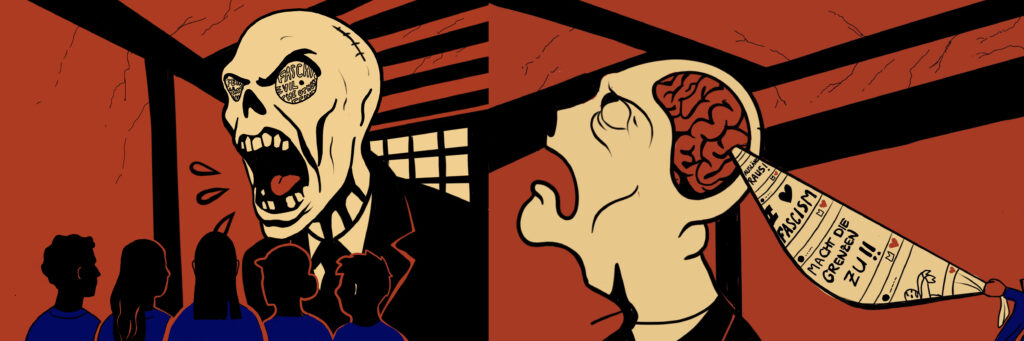
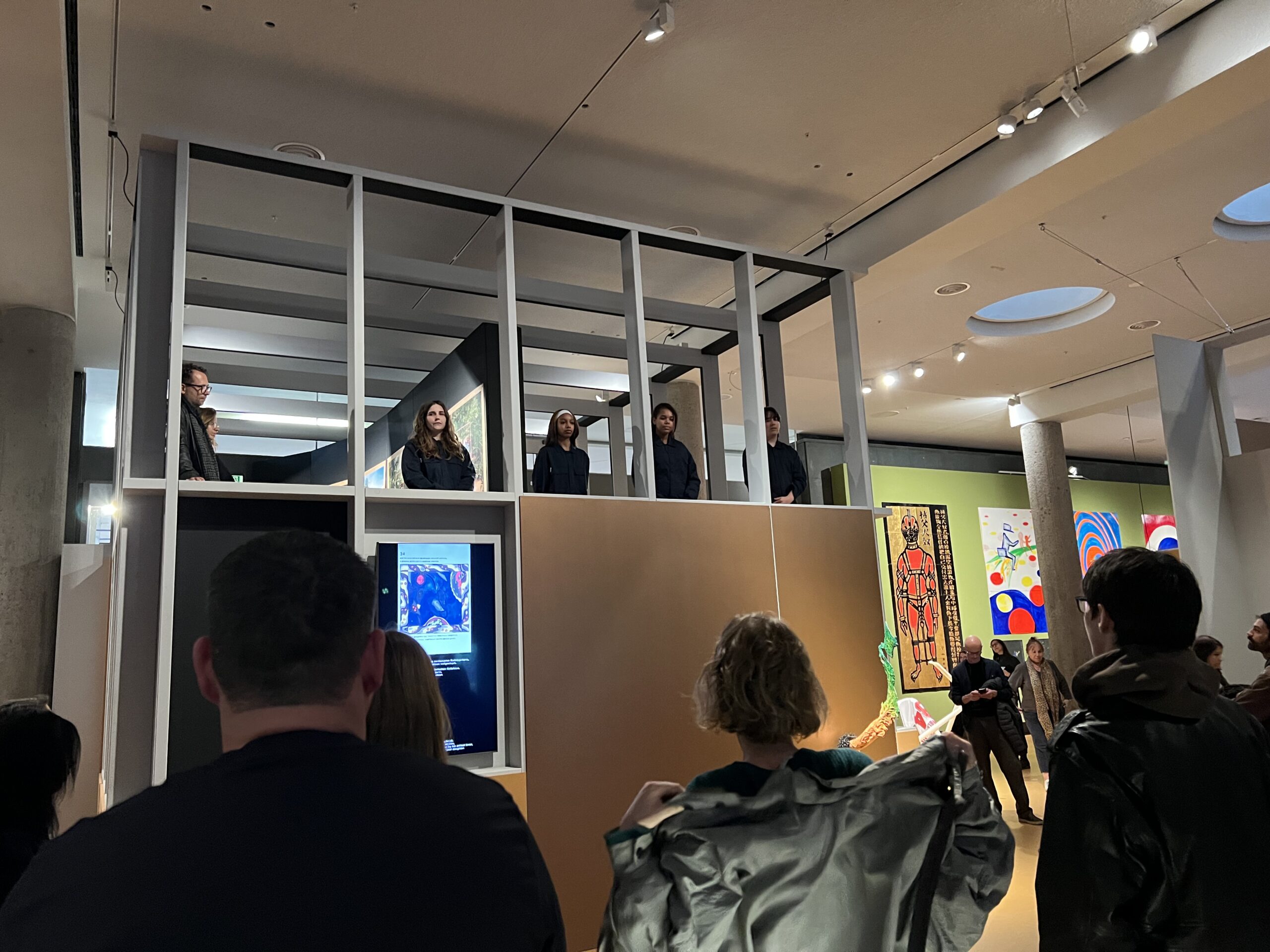
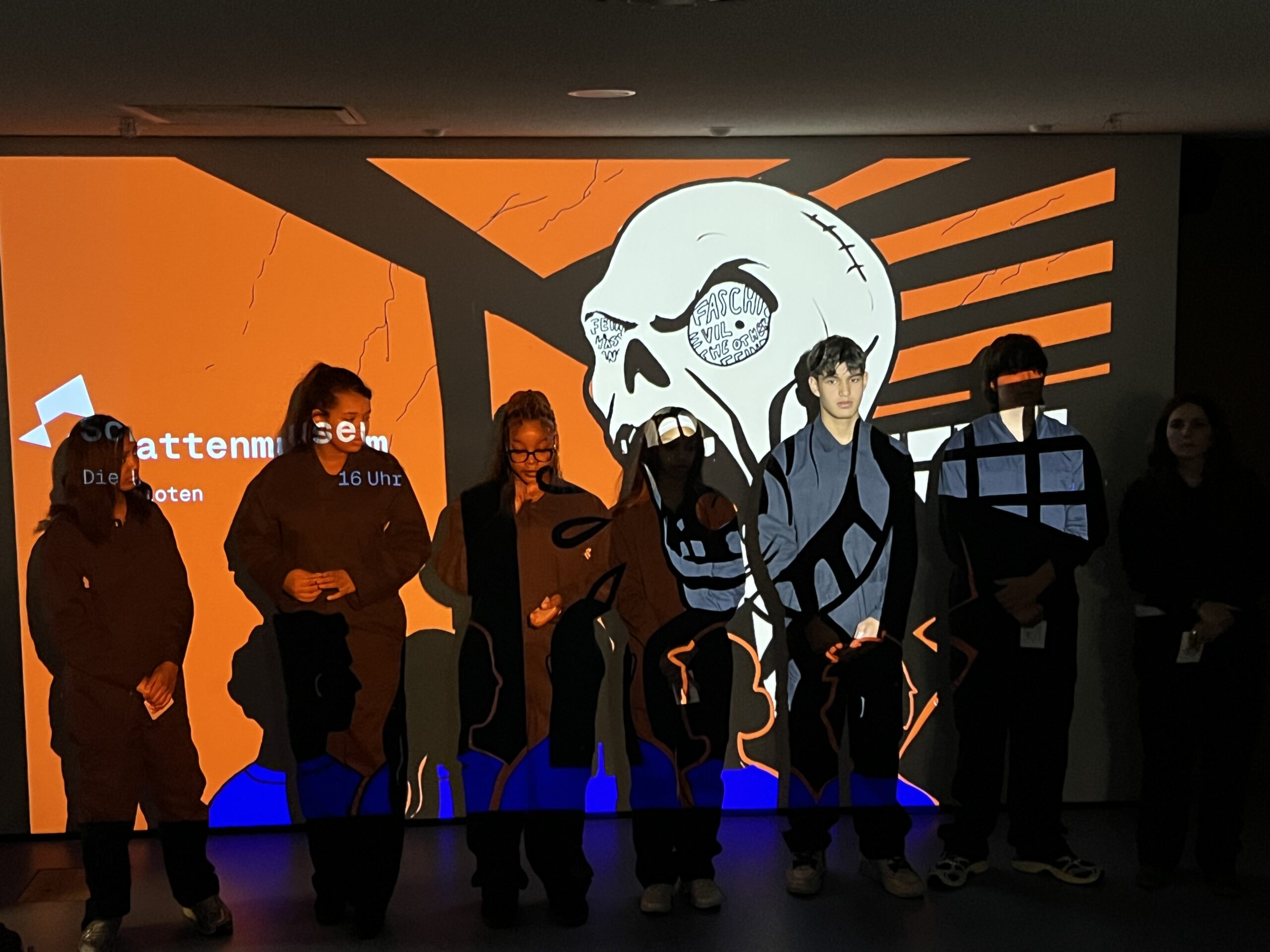
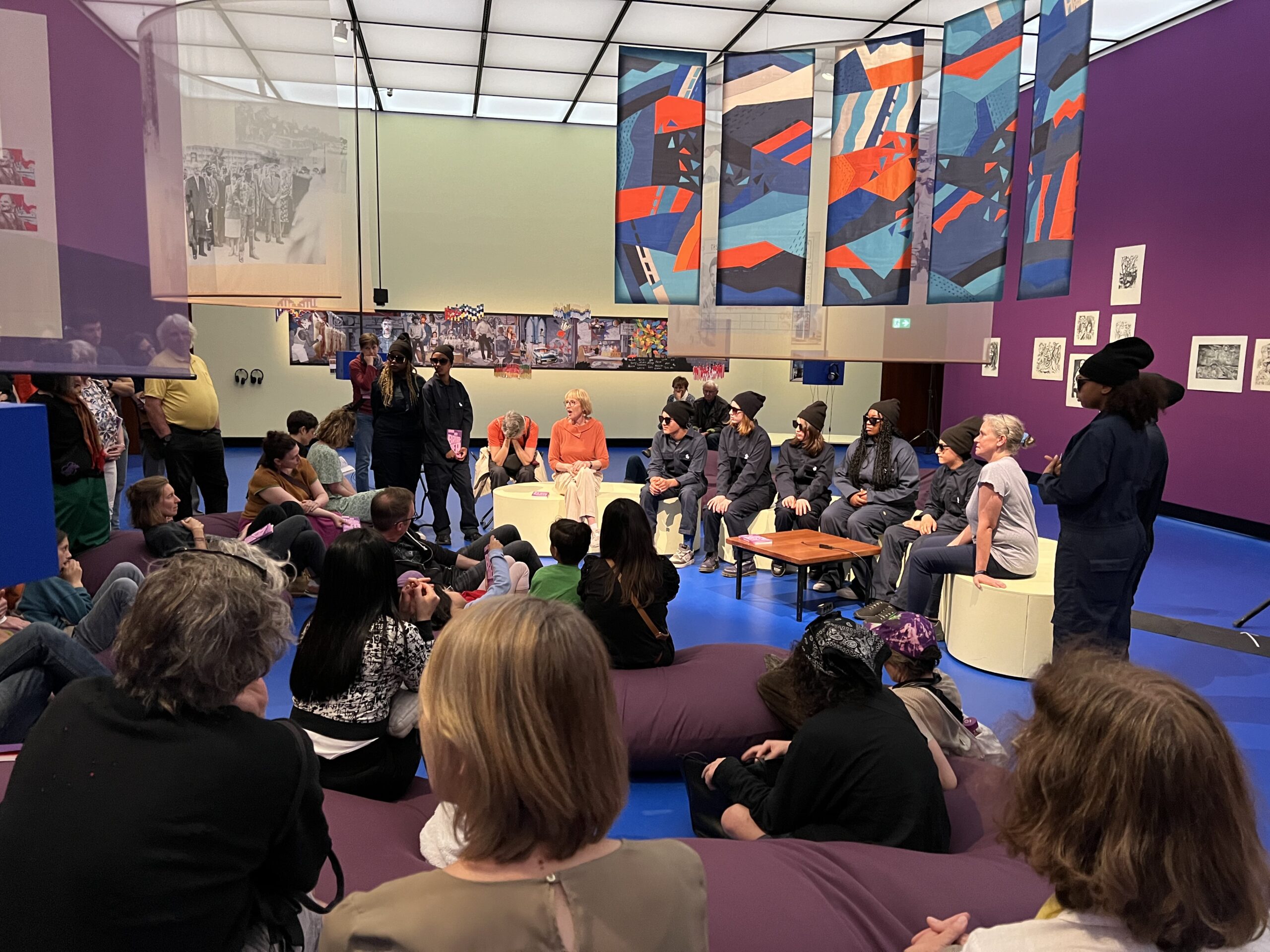
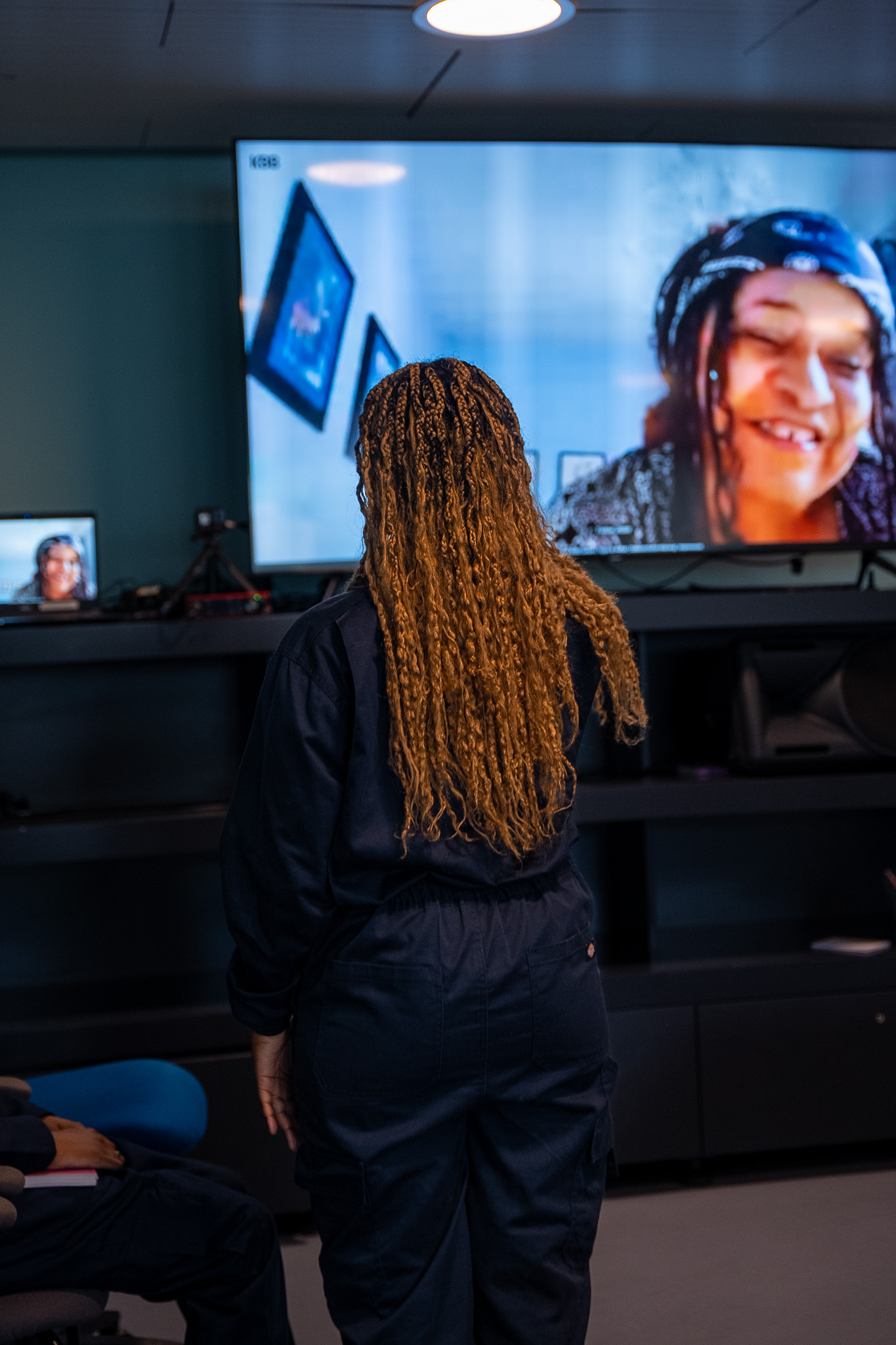
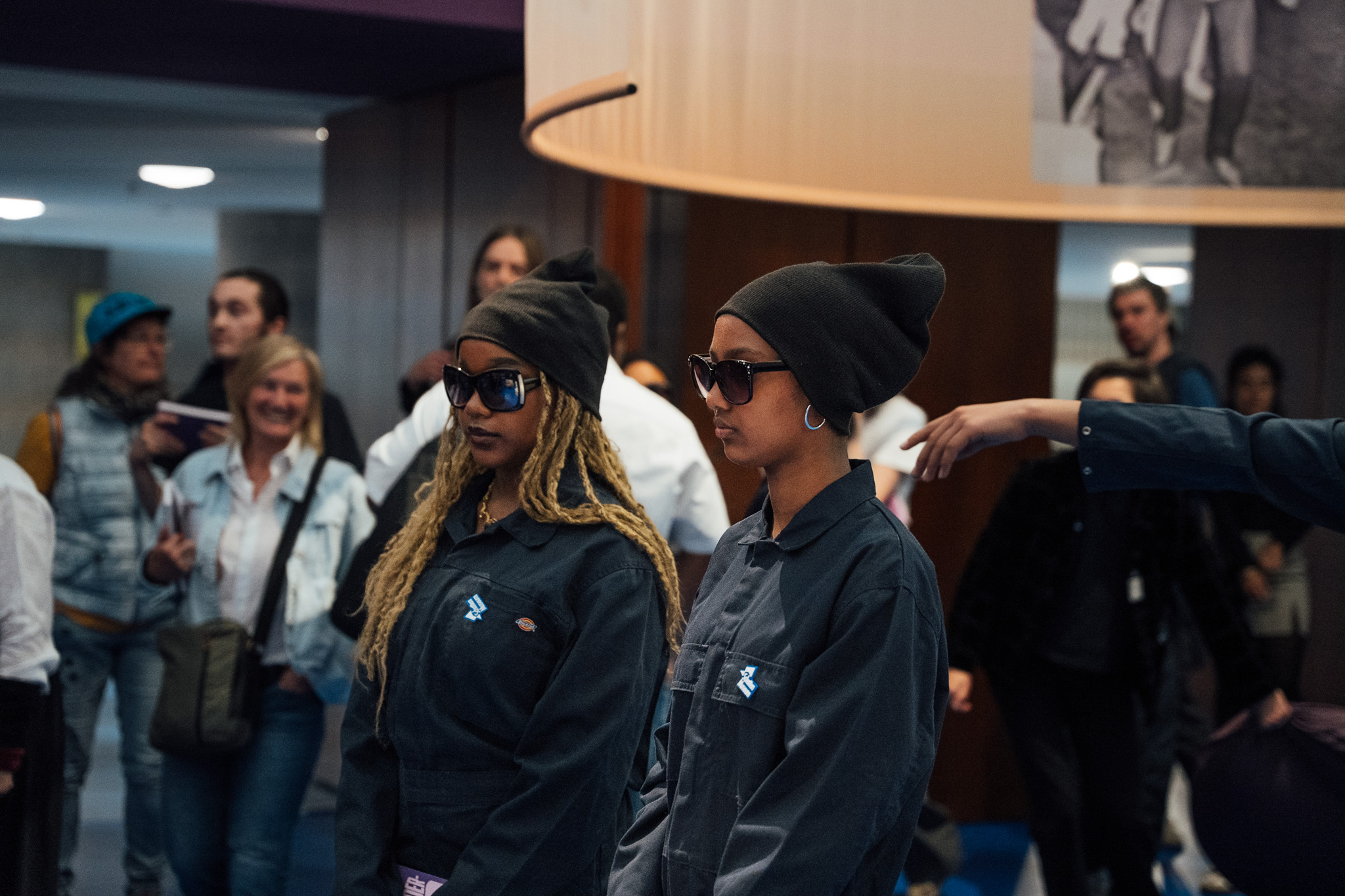
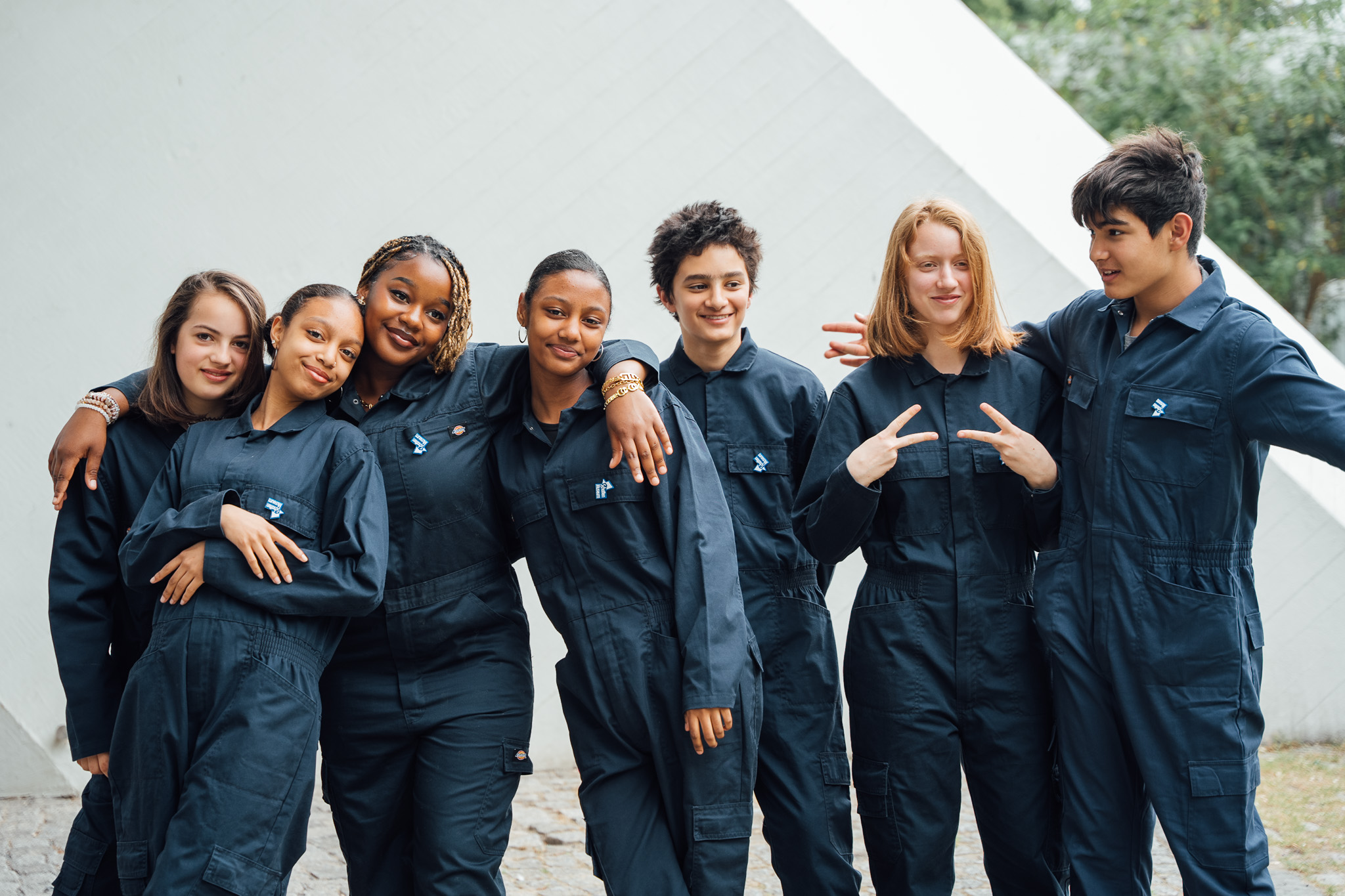
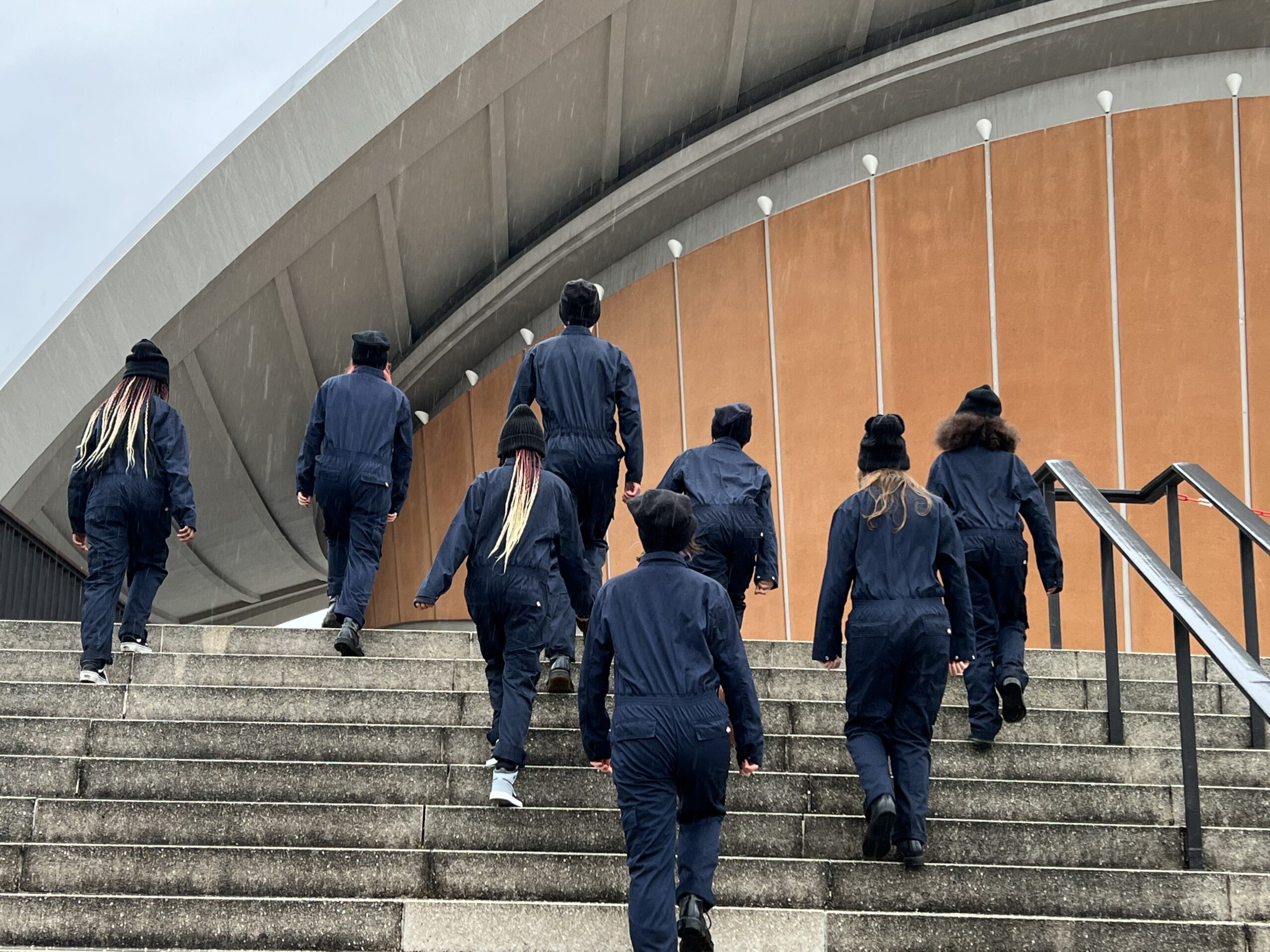
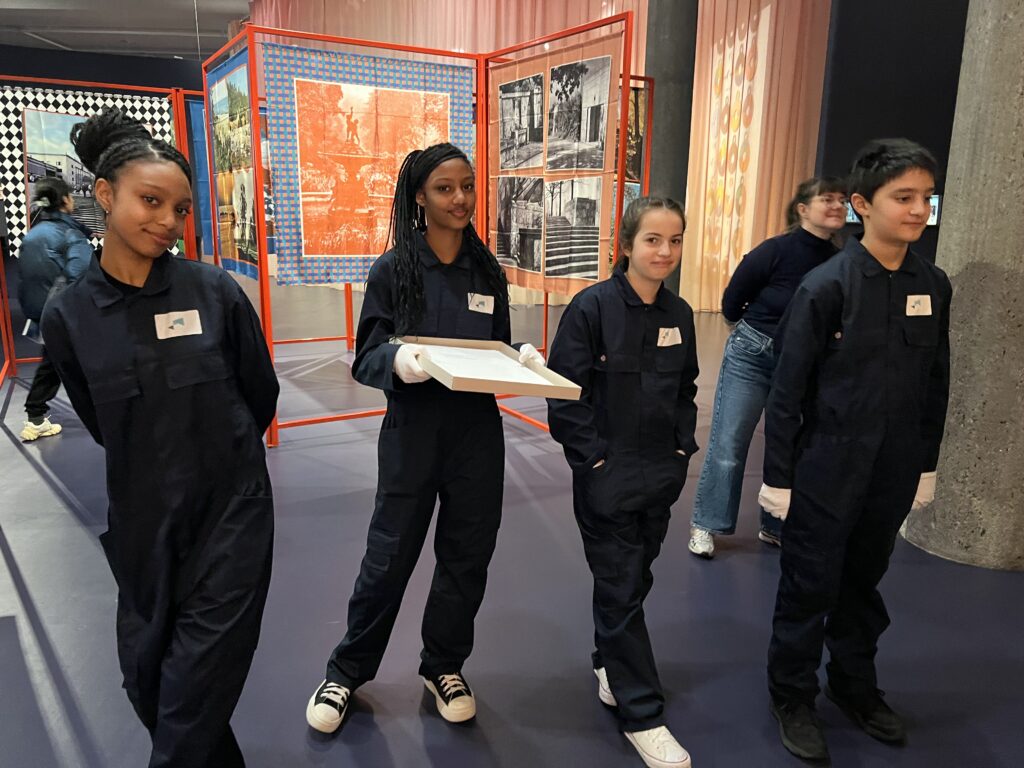
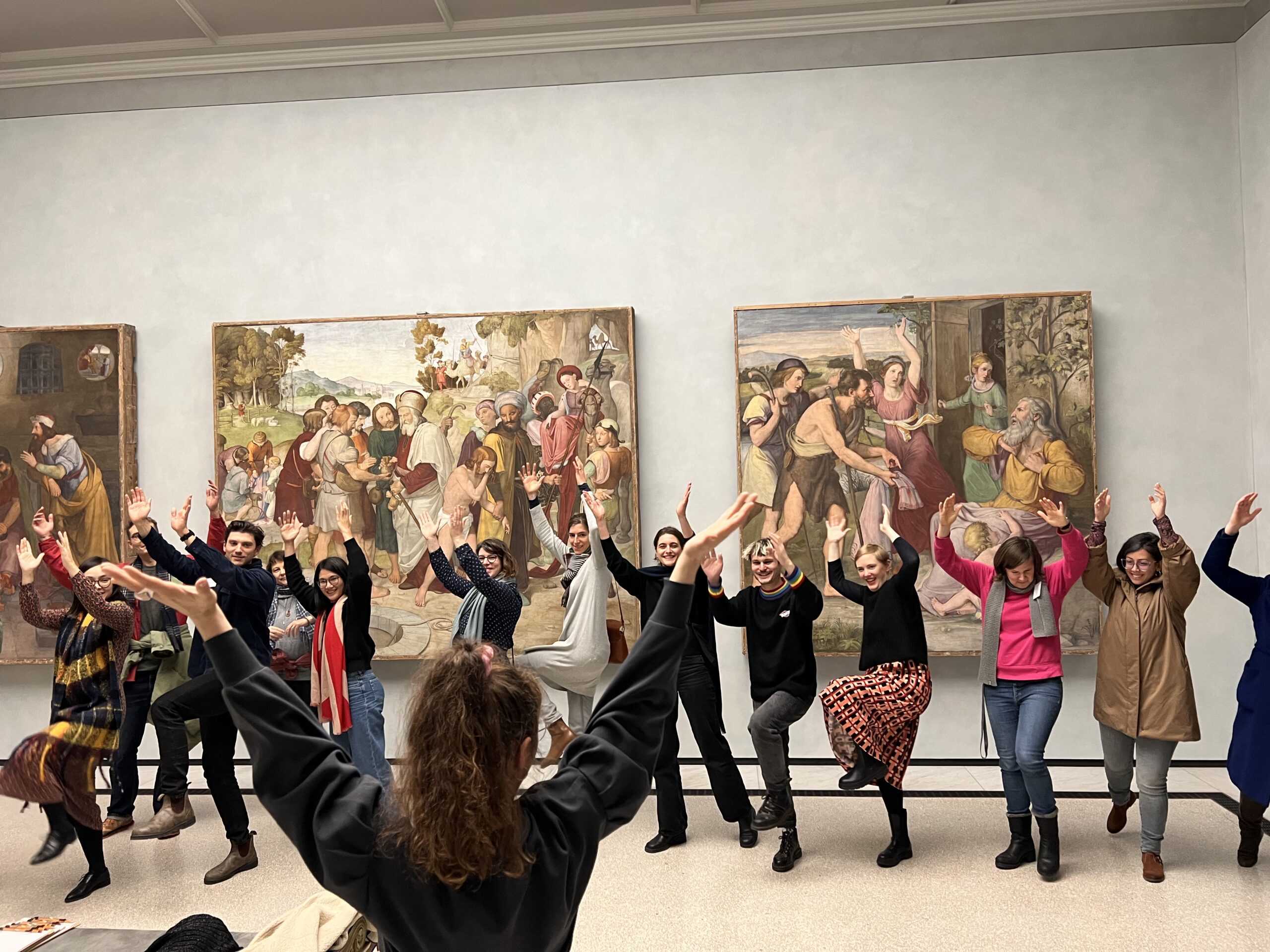
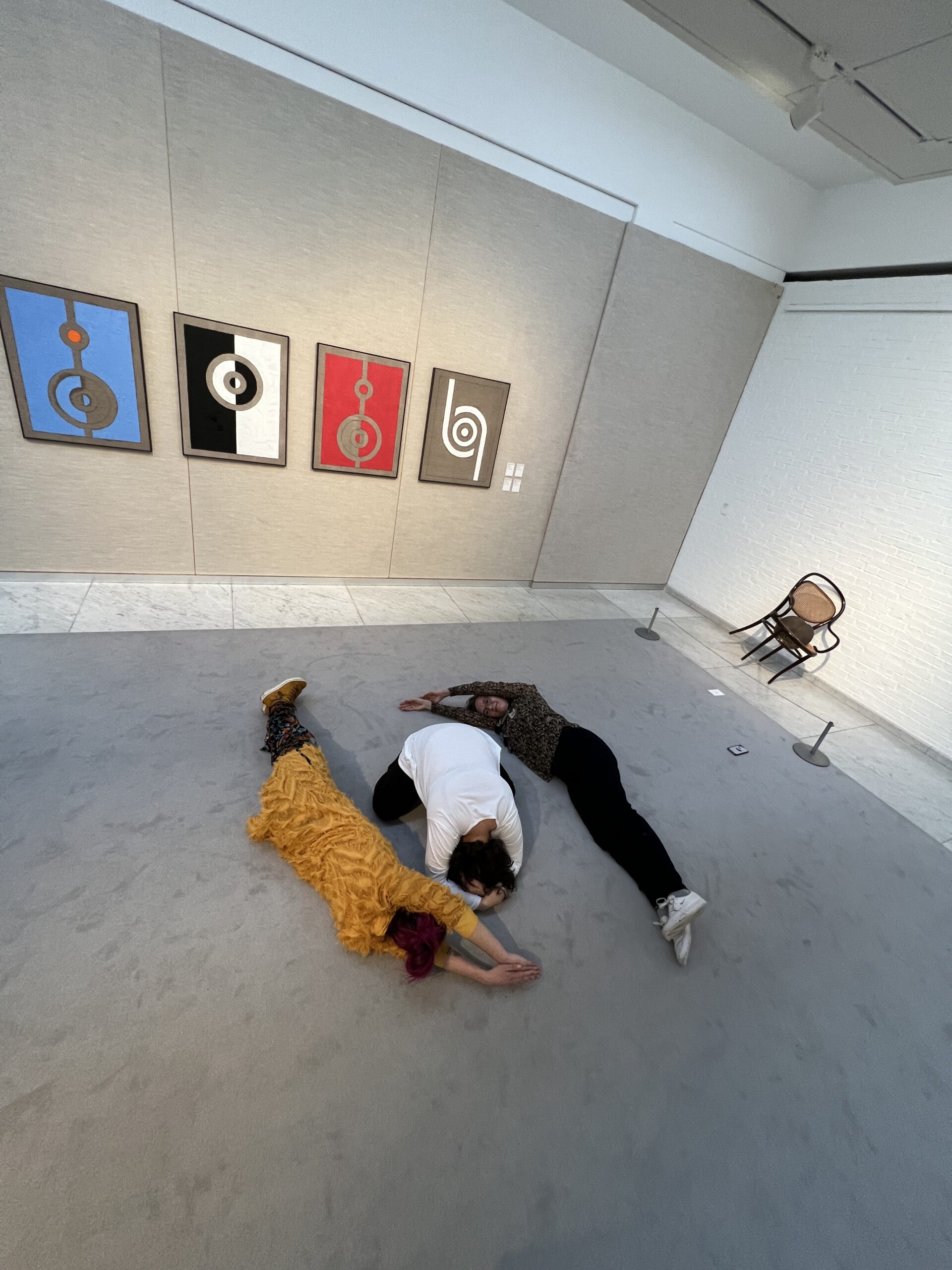
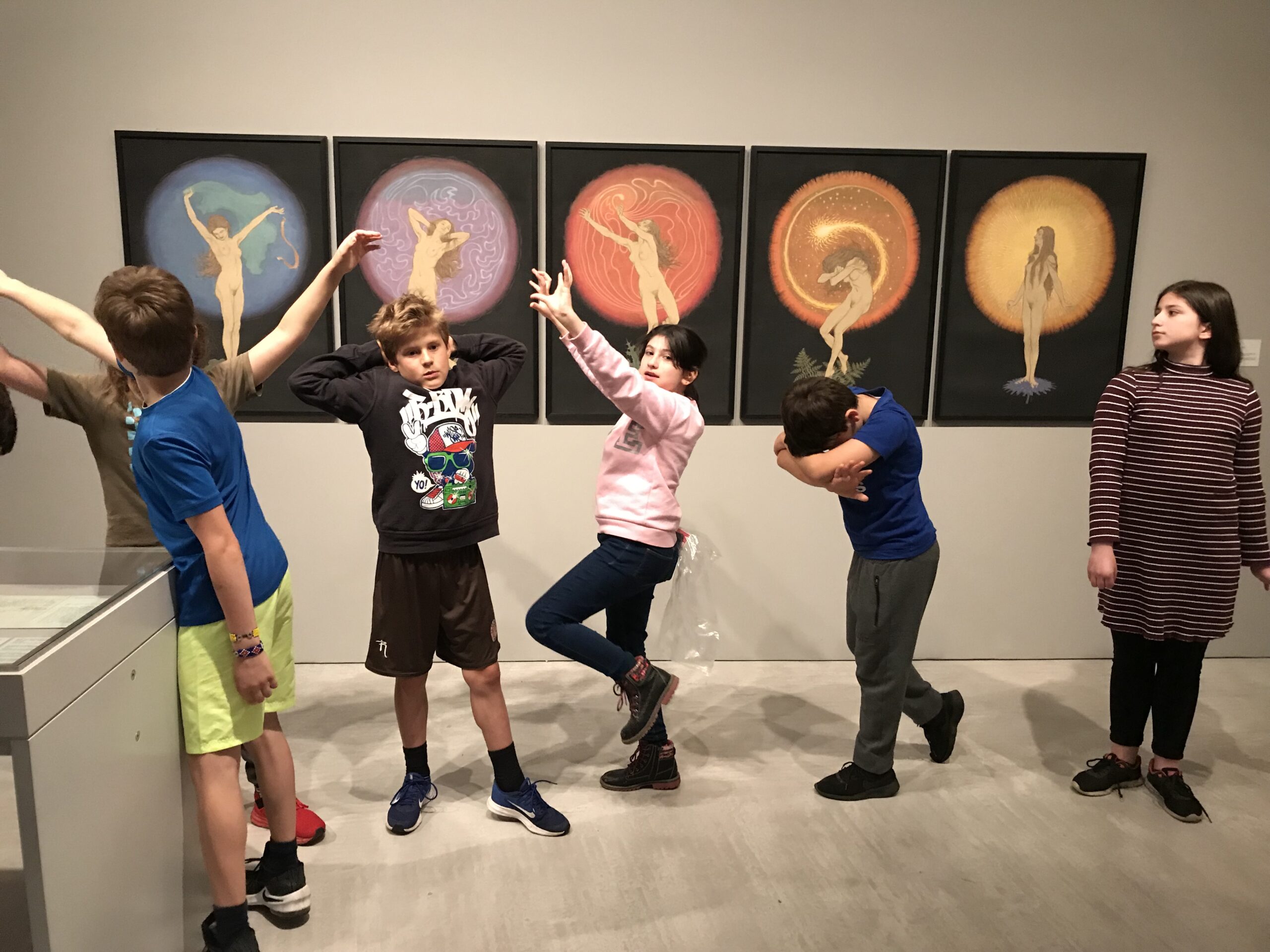
Some figures from the past refuse to stay buried. They resurface in the present, sometimes quietly, sometimes celebrated, unsettling the belief that history only moves forward. Who are these undead? Why do they regain influence, and how do they shape the world we inhabit?
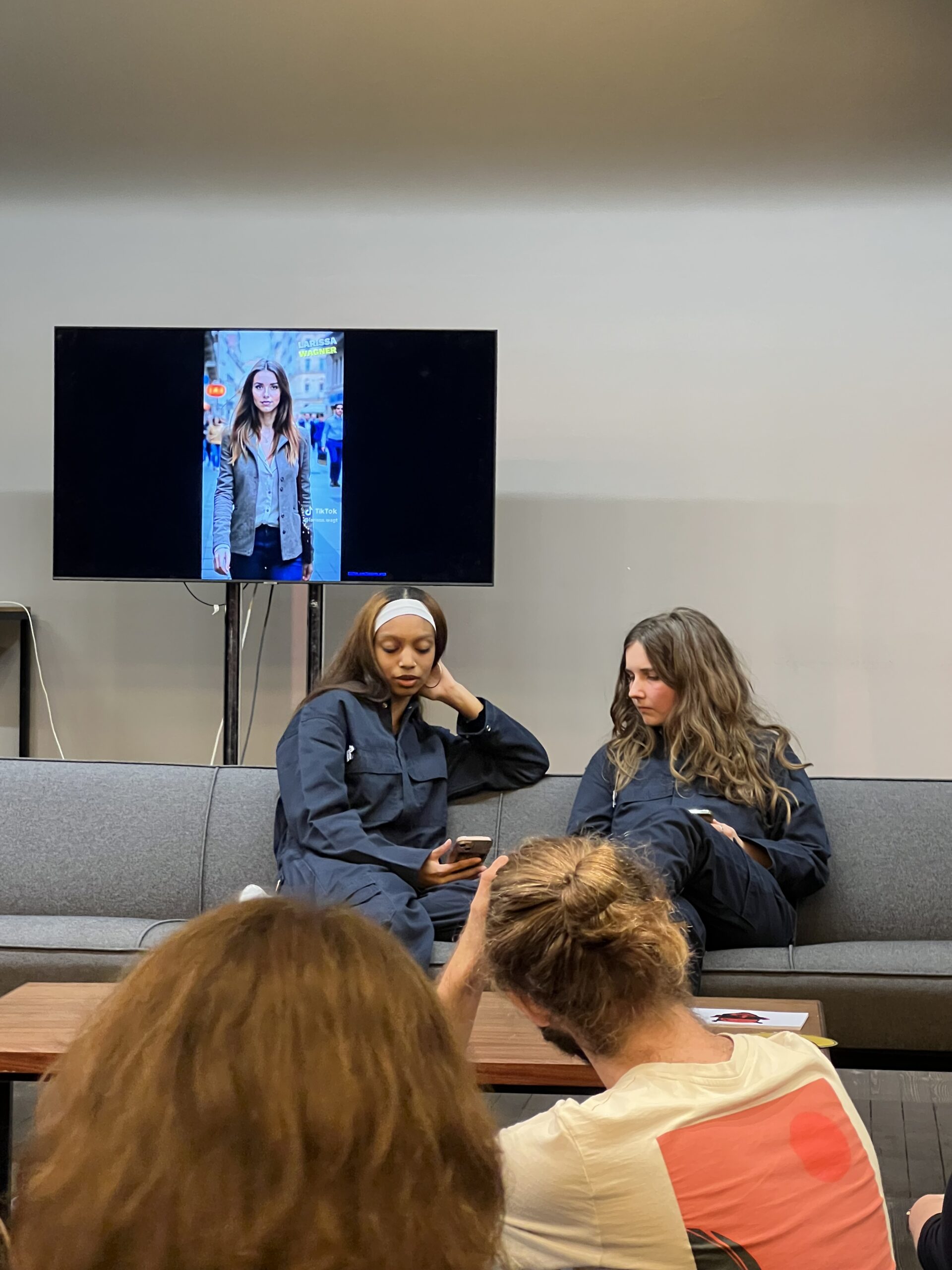
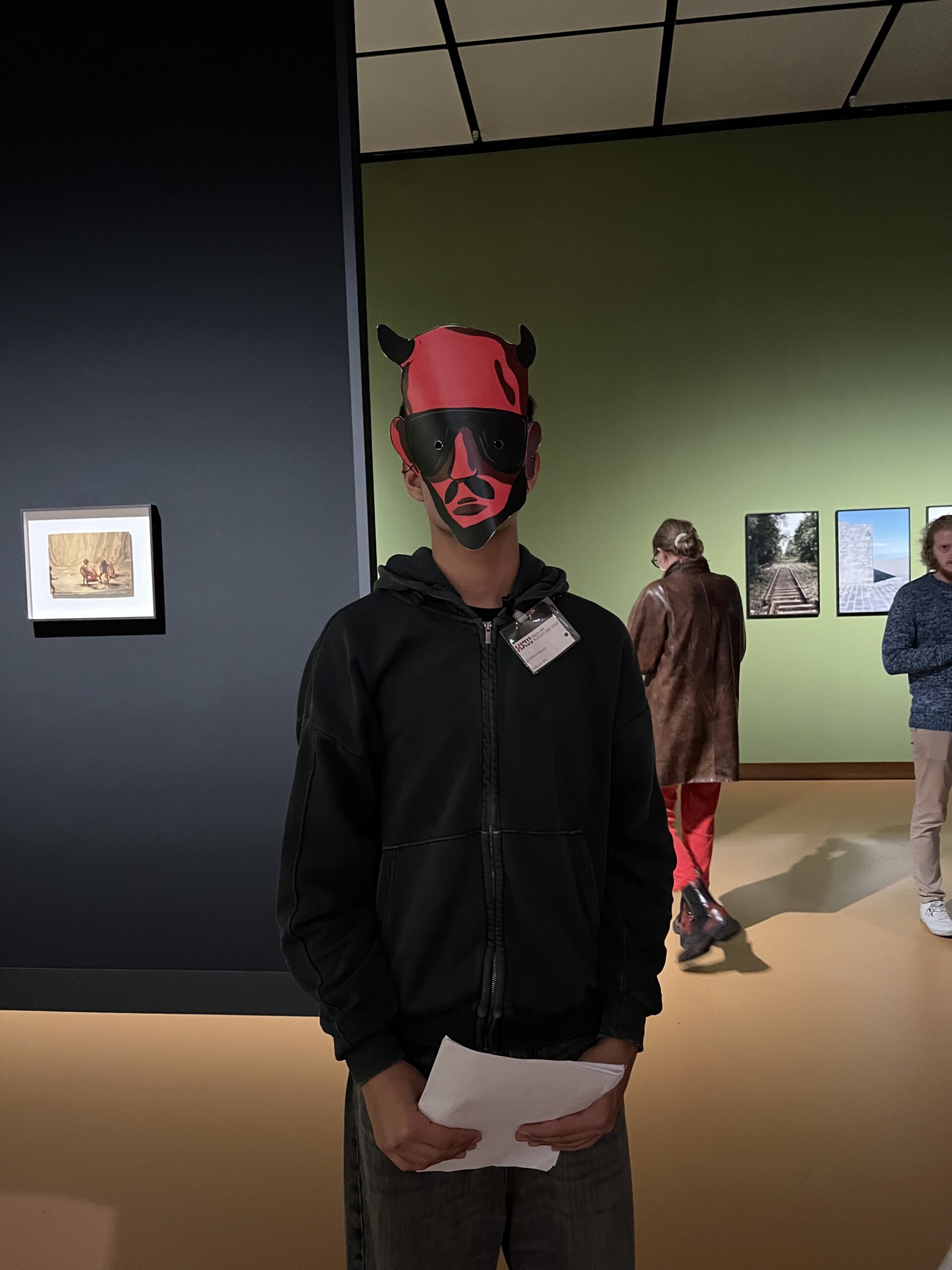
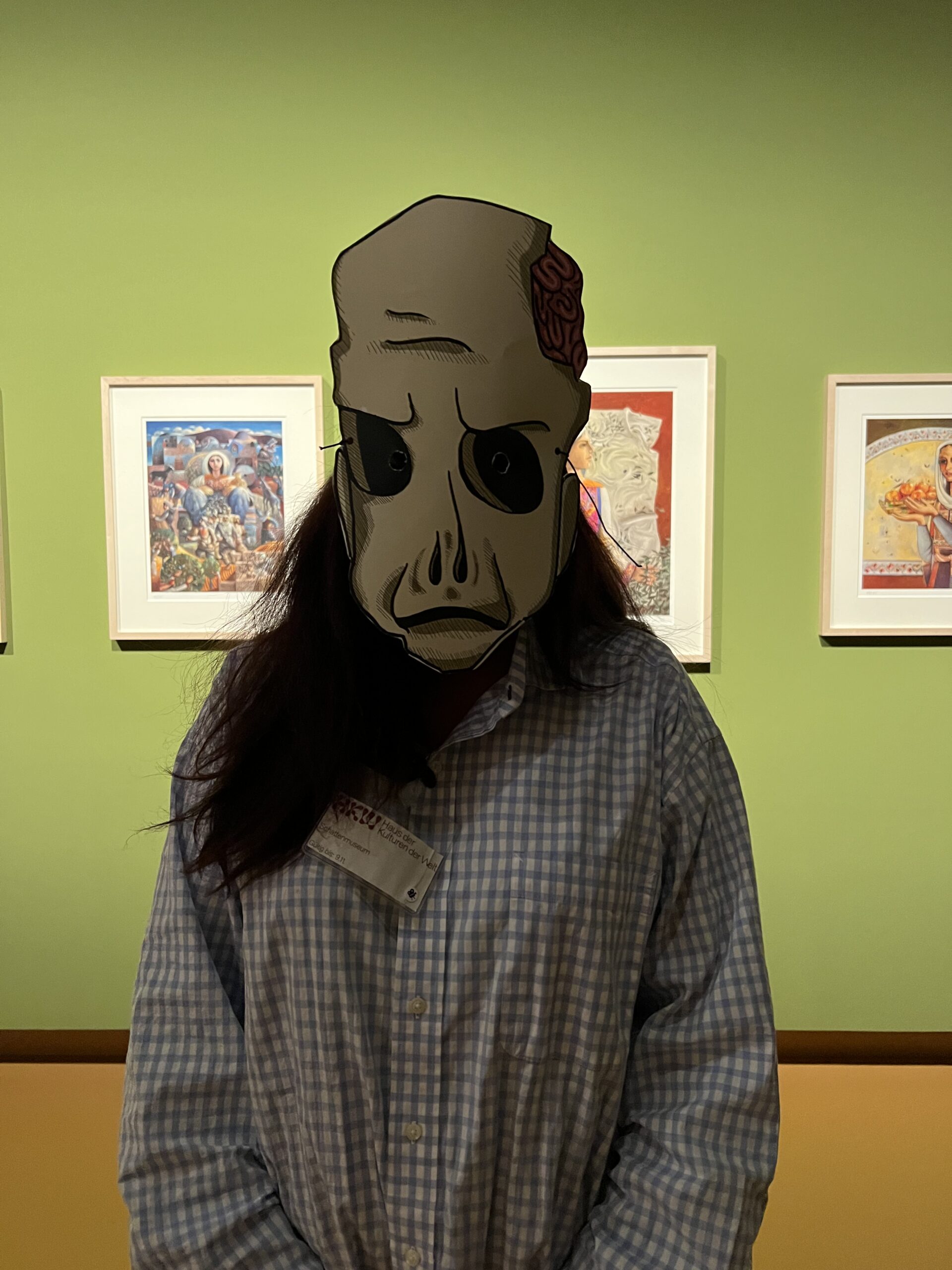
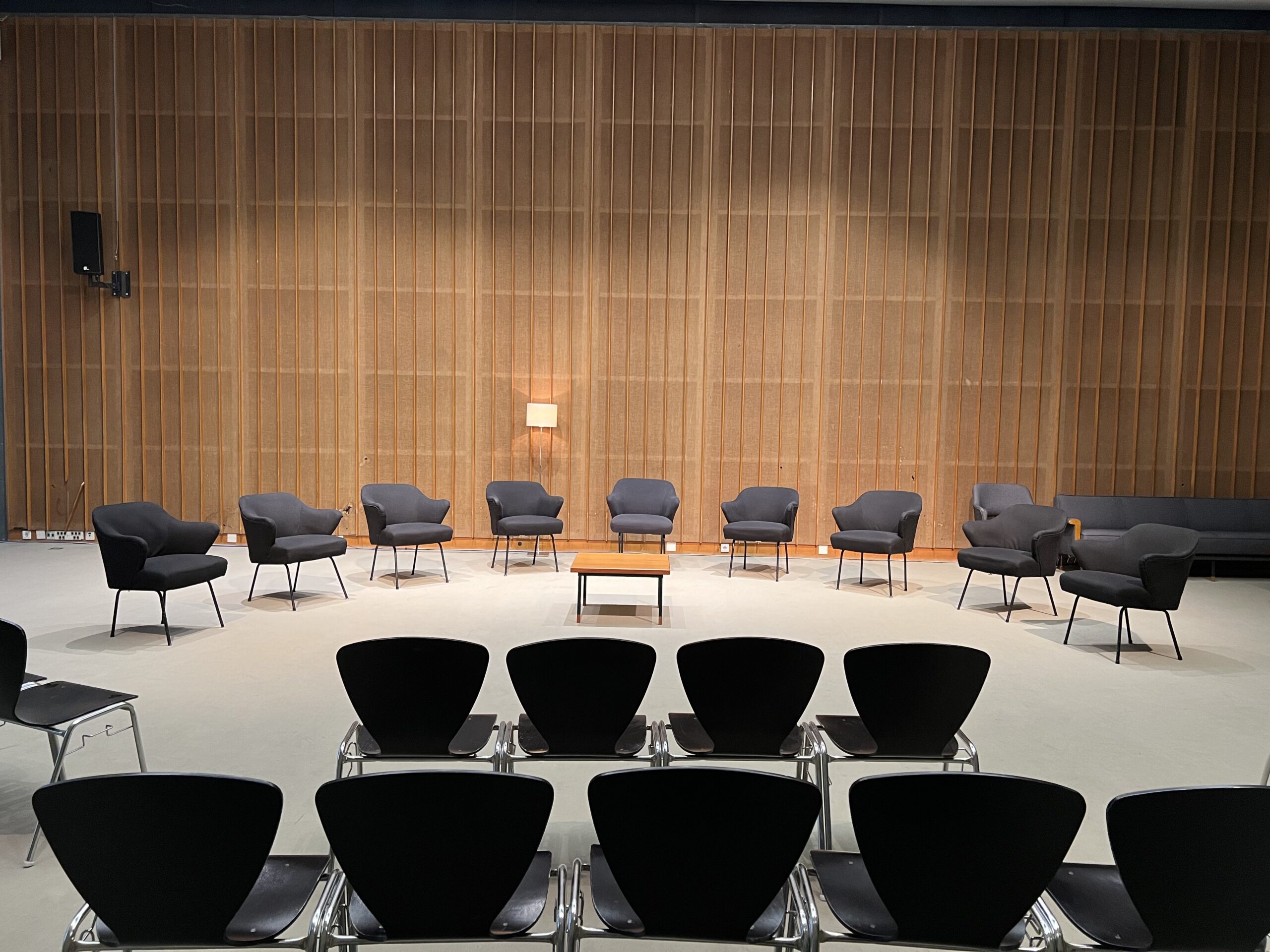
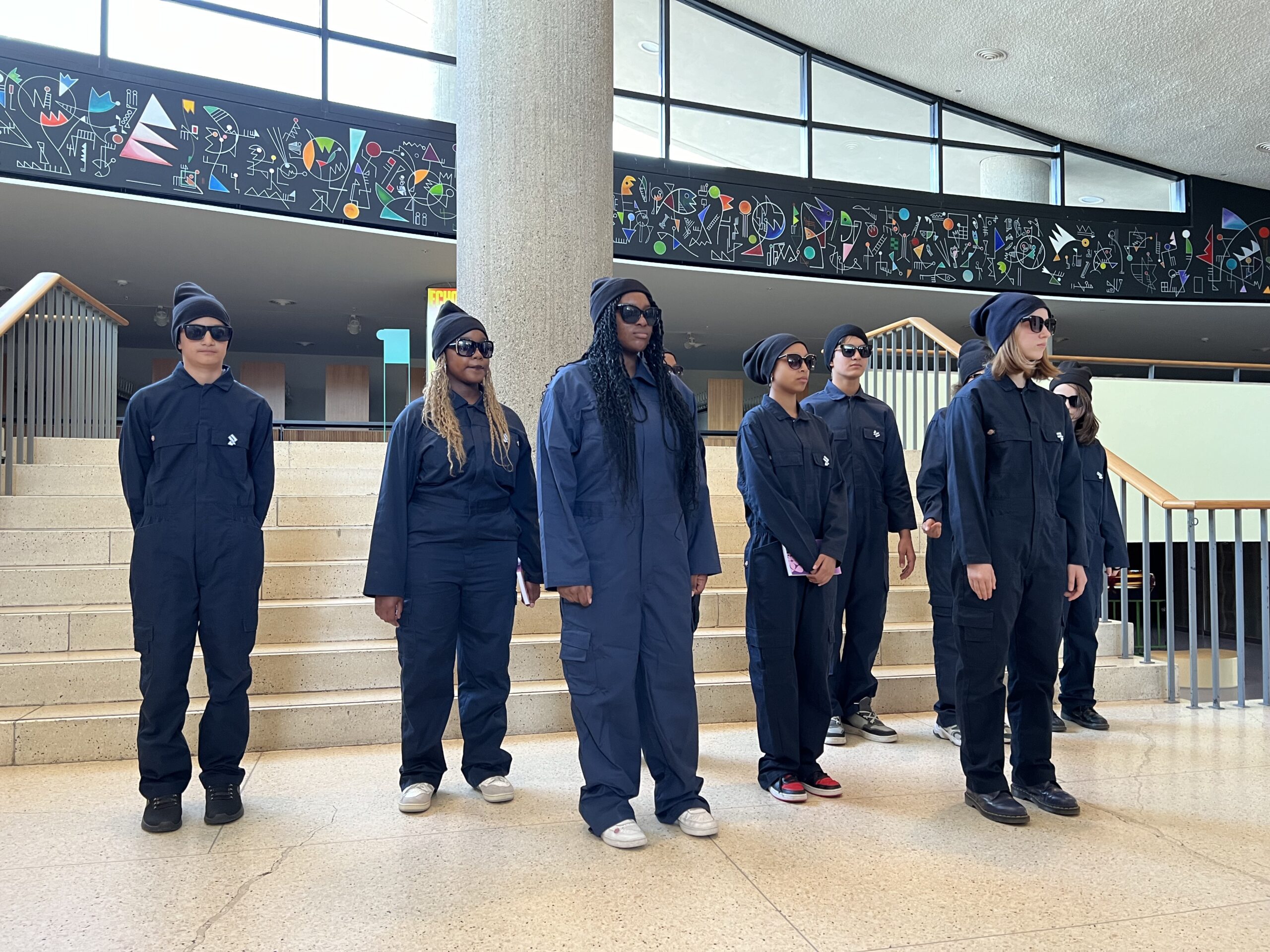
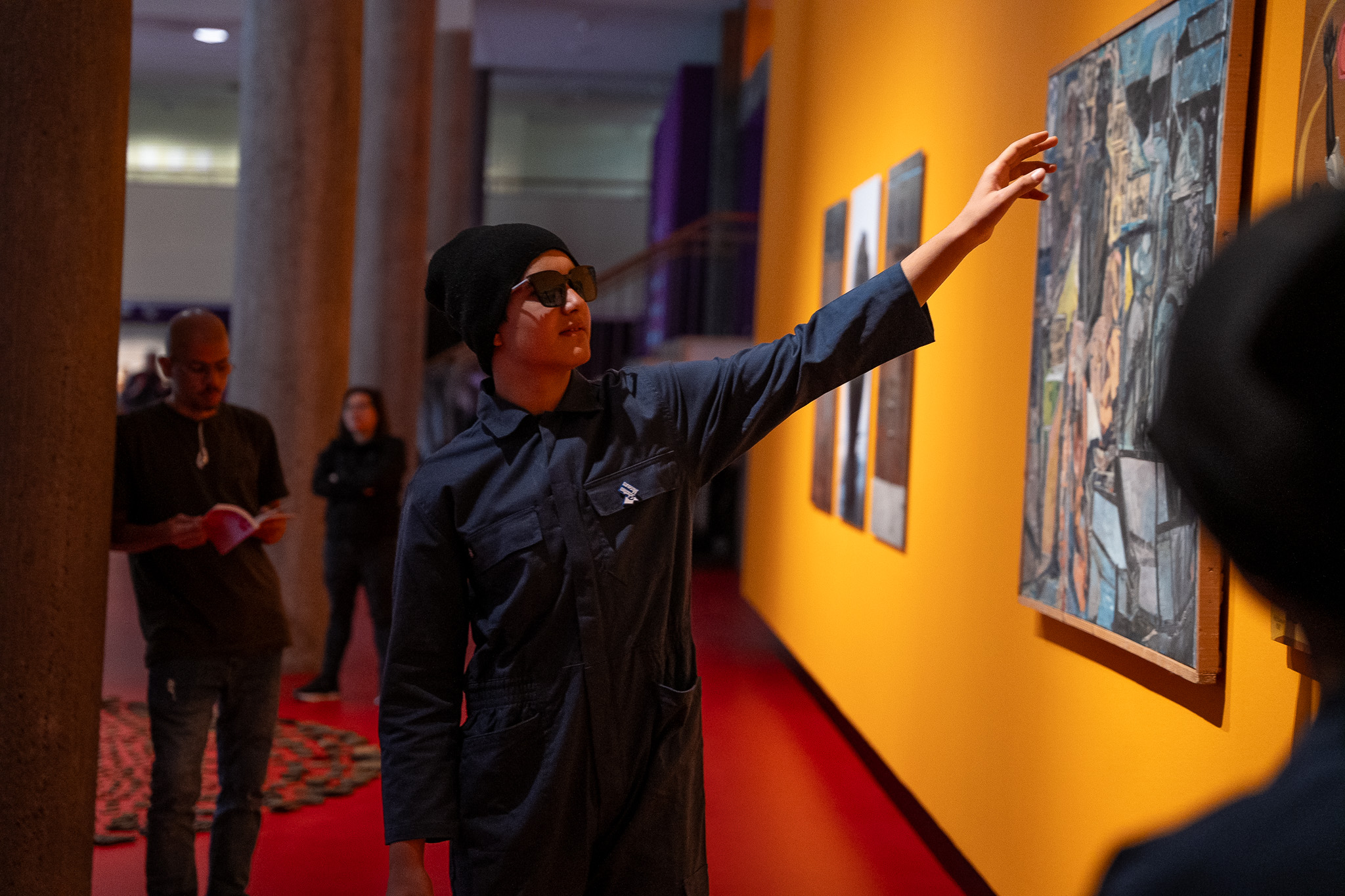
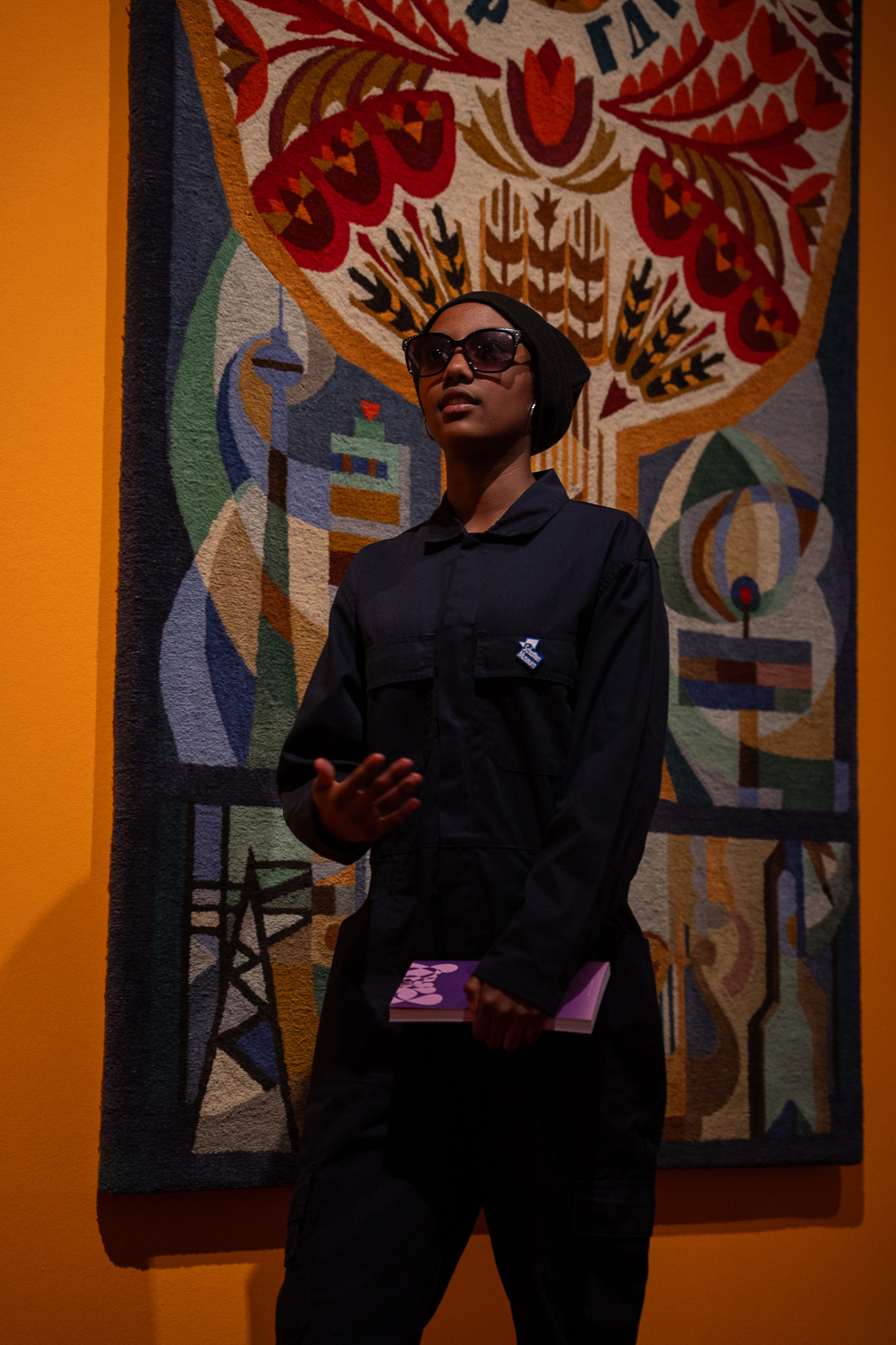
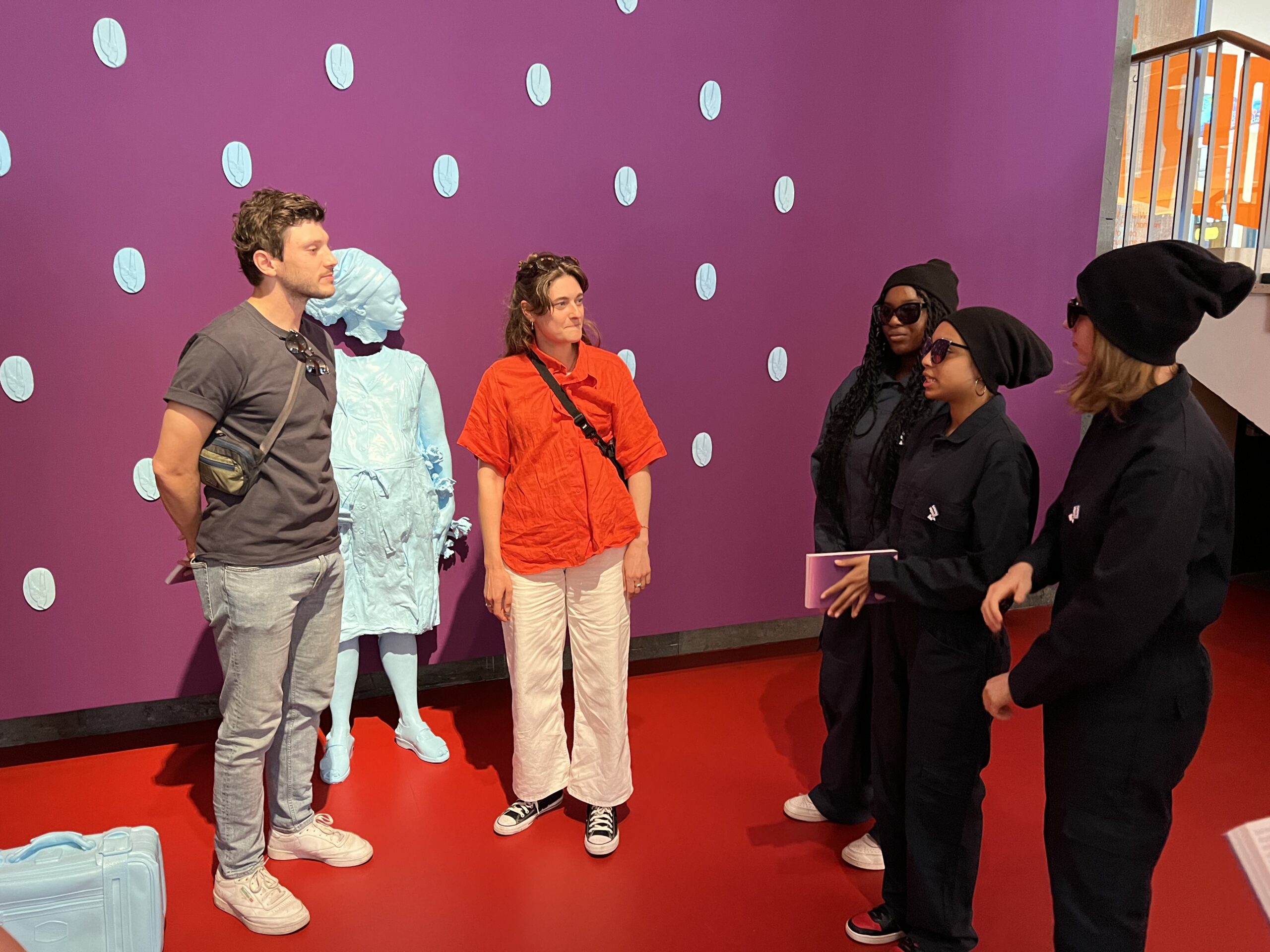
During the HKW-project Global Fascisms the Shadow Museum and its audience trace in this participatory performance the subtle and not-so-subtle signs of fascism returning to everyday life. Through dialogue, imagination, and attentive looking, the performance explores how fear spreads and how gestures of resistance can shift the atmosphere around us.
The project reflects how young people perceive these persistent shadows and searches for ways to keep them from defining our future.
The GDR, as a chapter of German history, has been swimming in a variety of documented facts for more than three decades, but it has also been drowned in different versions of what happened: historians, professors, politicians and other specialists, each speaking from their field of knowledge about this delicate subject, have offered their perspectives. However, this necessary process has often been surrounded by a set of fair and unfair judgments about the Berlin Wall and what happened related to this during those years.
But the „West“, as it’s clear, could also be assessed concerning these same issues. In the background of this dynamic the question arises: Who is narrating on behalf of whom exactly?
Foto sideviewsFoto sideviews
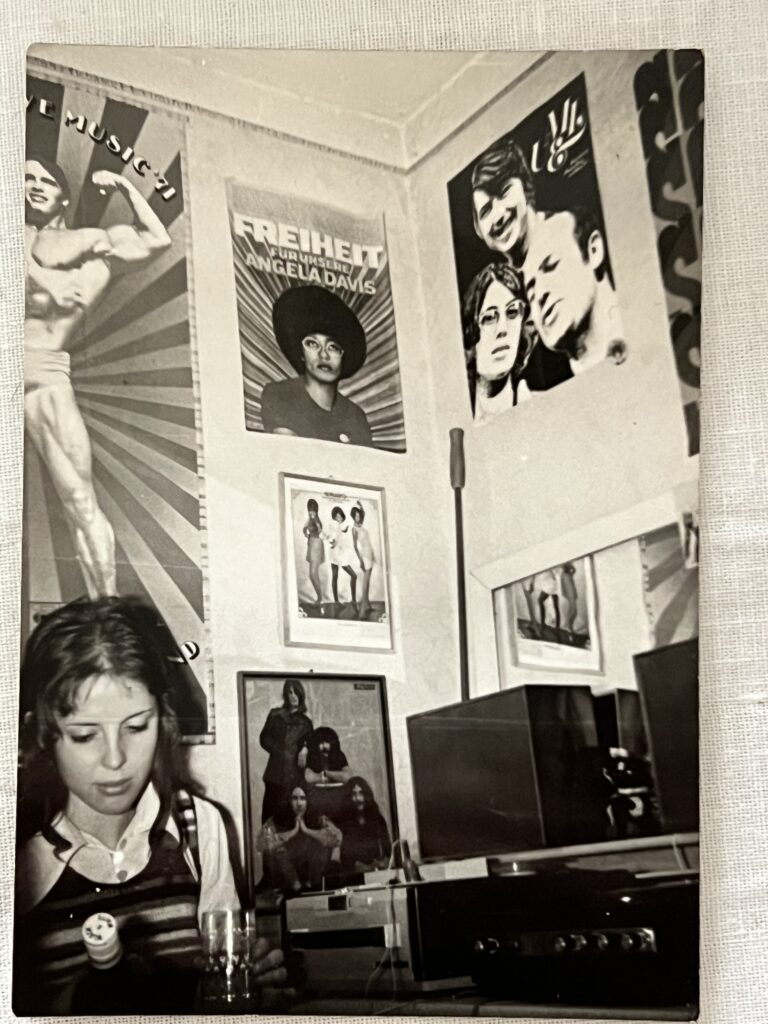
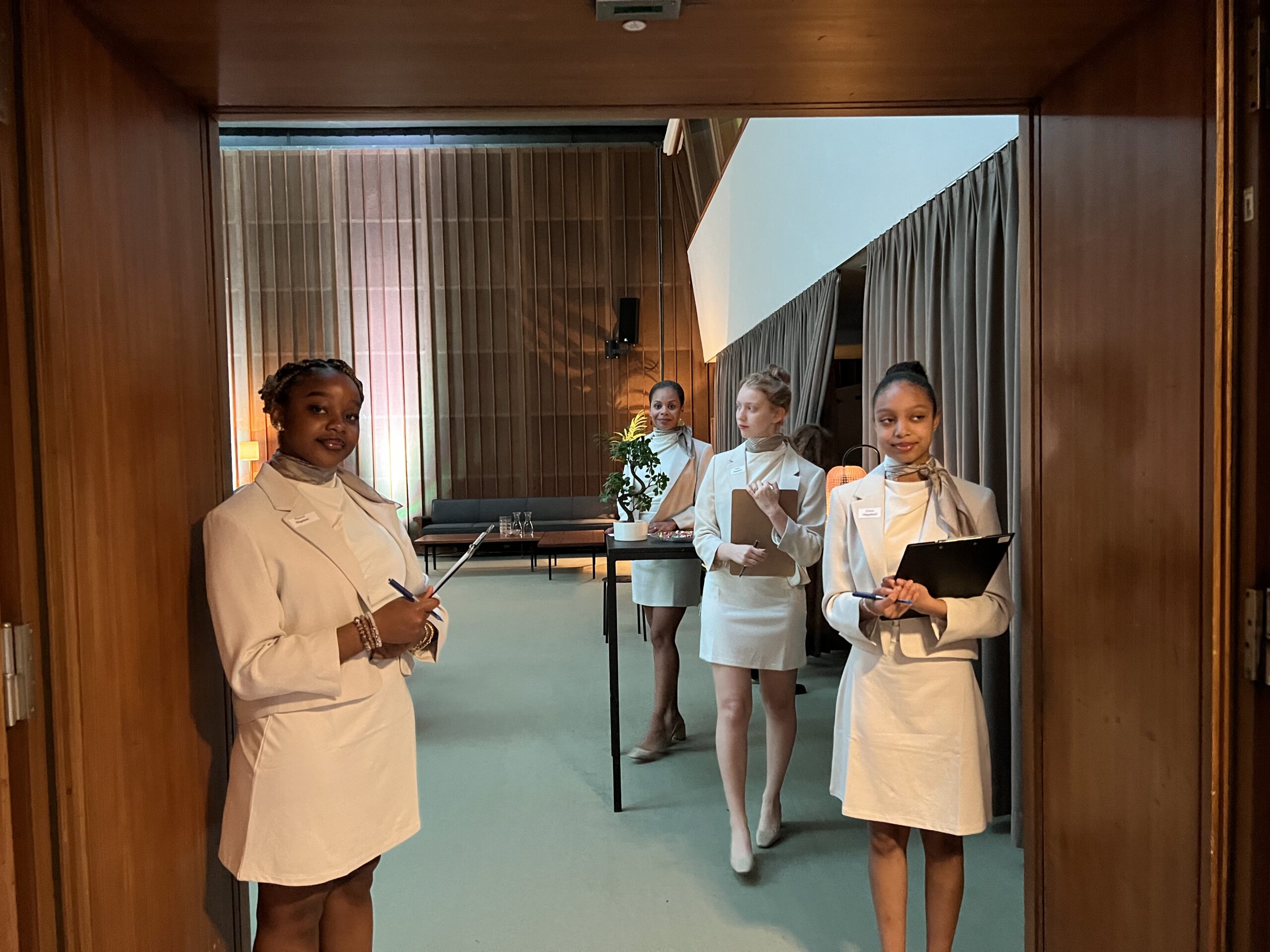
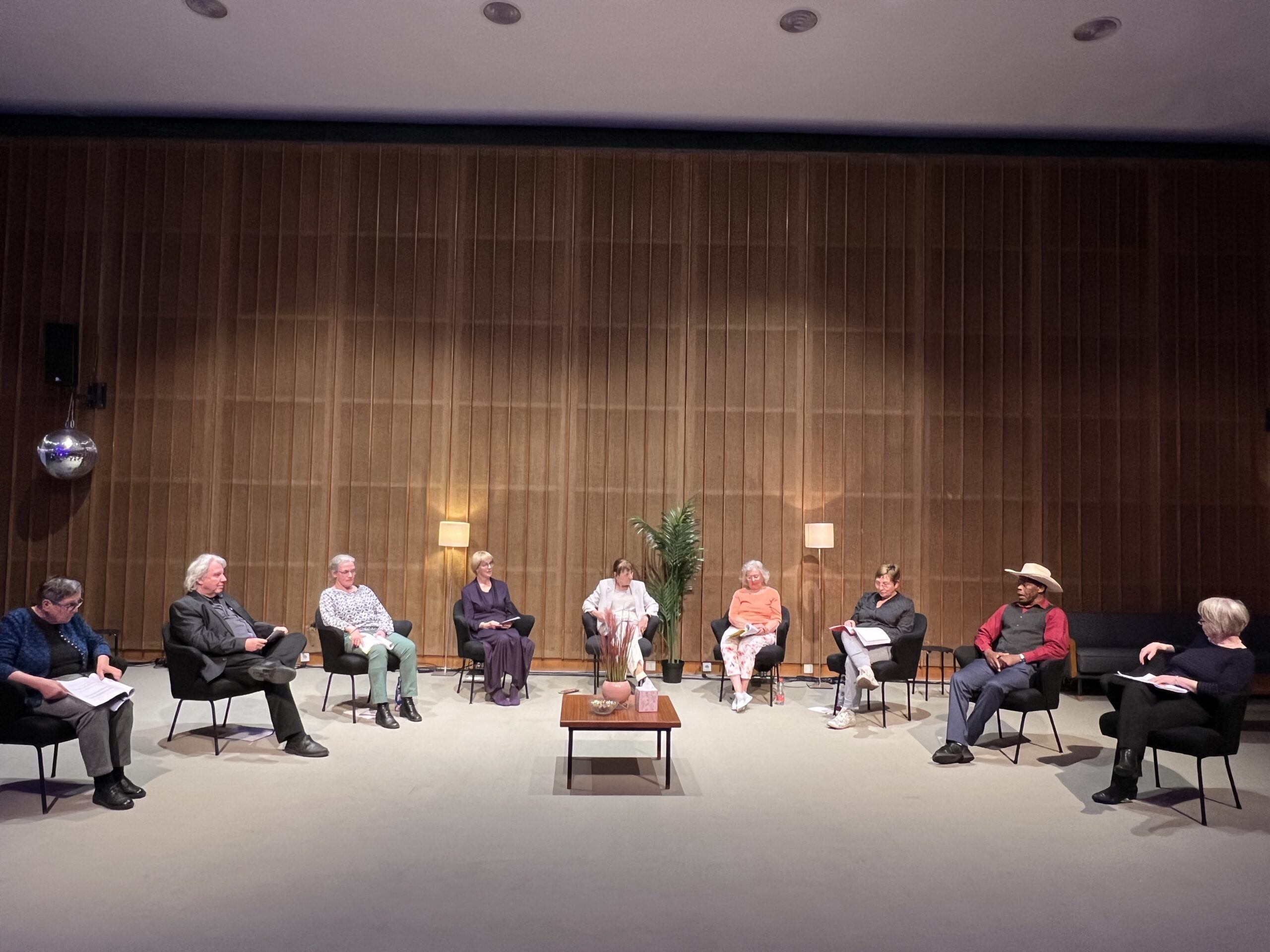
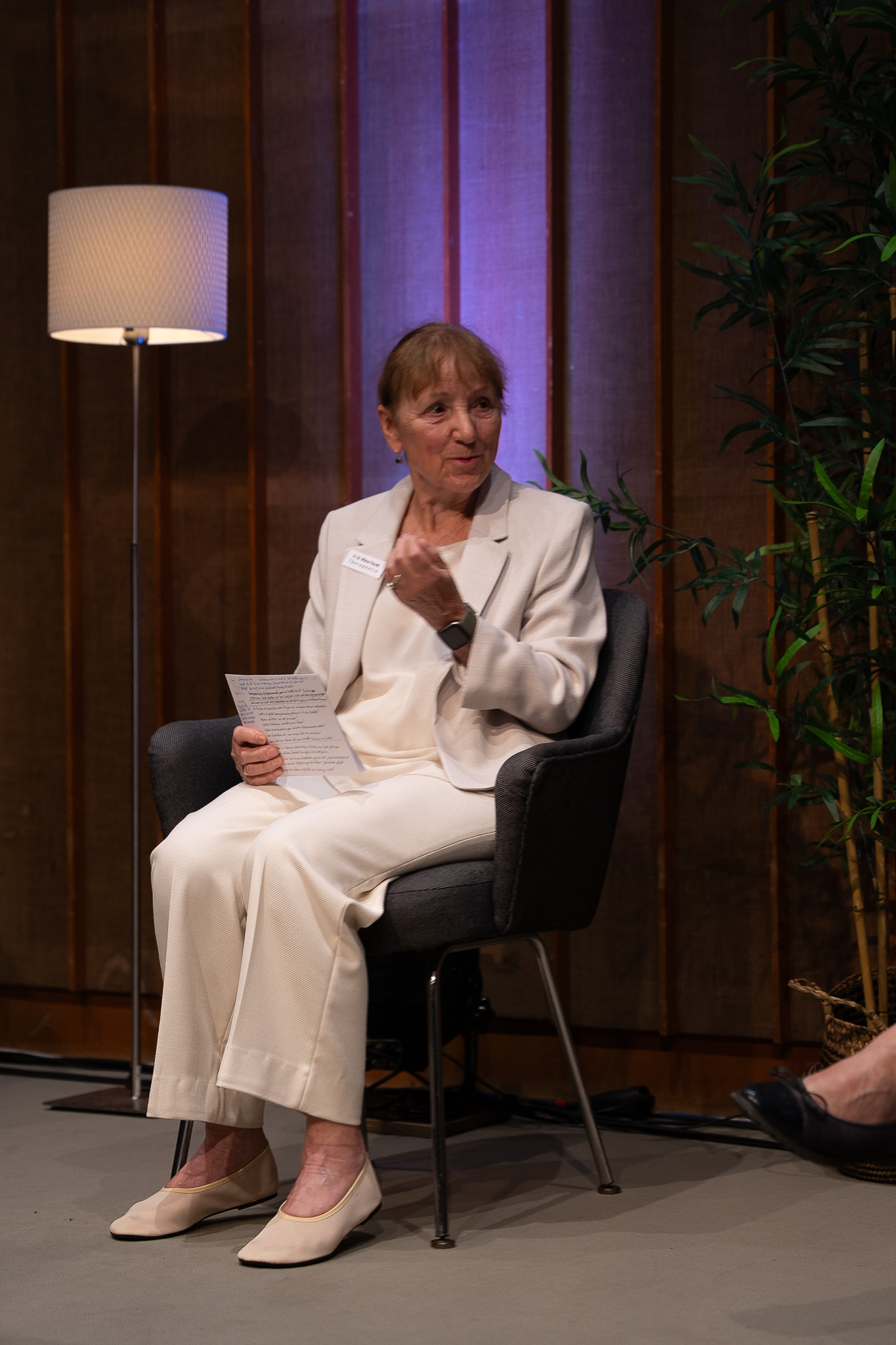
The project BREAKING POINTS.Fragments was developed by sideviews with contemporary witnesses from Marzahn-Hellersdorf in cooperation with HKW (House of the World Cultures). It addresses the historical issues raised by the exhibition project Echoes of the Brother Land in a process that attempts to listen to and give a voice to those who experienced the facts of divided Germany and their experiences of events in the “East” in relation to immigration, labour and racism in society. However, BREAKING POINTS.Fragments refuses any form of judgement to listen to the voices of those who experienced the facts. It gives power back to the protagonists in a theatrical-therapeutic gesture: what has been repressed inevitably returns.
Foto sideviewsFoto Jamila GroteFoto Hannelore EckertFoto Jamila Grote
Artistic director/director: Anja Scheffer
Films: Daniel Harder
Editing: Cornelis Harder
Costume design: Daria Kornysheva
Production Management: Anna Bartels, Anja Scheffer
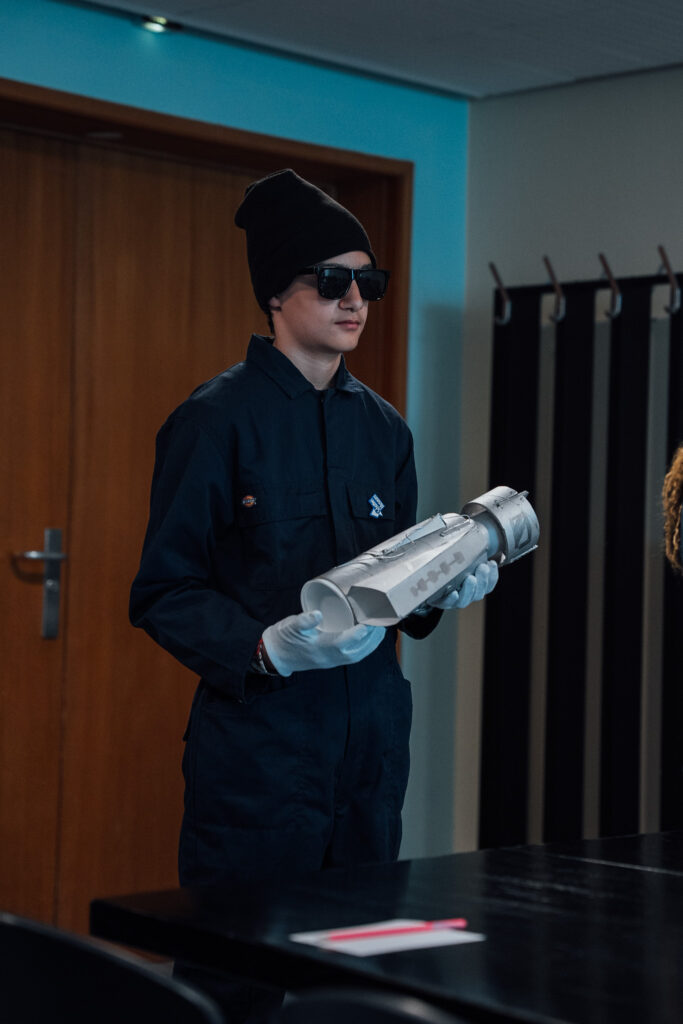
The Shadow Museum, a collective of young people seeking alternative approaches to the museum institution for several years, is now exploring the history of former “contract workers” from the so-called “brother countries” of the GDR together with sideviews. From the perspective of aliens, the young people examine how the then “brother countries policy” affects current societal issues such as racism and discrimination, based on their life experiences and the exhibition Echos der Bruderländer at the House of World Cultures (HKW). The artistic research of the Shadow Museum is presented at the HKW as an interactive, playful, and extraterrestrial symposium.
Foto sideviewsFoto sideviewsFoto sideviewsFoto Jamila GroteFoto Jamila Grote
By/with Laith Azimi, Anna Bartels, Lou Braun, Romy Drieschner, Mariama Juric, Sharon Morane Momo, Elis Nägele, Phanuel Nlend Nlend, Elijah Sagor, Elona Sagor, Anja Scheffer, Moritz Scheffer, Cem Yildiz and the contemporary witnesses Mavinga P. Petrasch, Wilma Florath, Monika Kegel, Anja Paetsch
As participants in the House of World Cultures (HKW-Berlin) program “All Life. An Archive Project”, in which topics such as collective memory and accessibility of knowledge were discussed, the Shadow Museum proposed an intervention that addressed the memory of the institution itself. The Youth Committee used science fiction as a framework in which new institutional questions could be discussed, with the intention of making HKW the focus. The members of the Shadow Museum regarded the HKW as a spaceship and reinvented themselves as aliens on planet Earth. In the position of the ultimate stranger, they examined life on Earth, for example on issues such as decolonization, equality and diversity, offering a critical perspective on the institution’s approach to these issues.
This interactive performance was performed five times at the House of World Cultures (HKW-Berlin), taking the film “Caelius Juvenilis – An Extraterrestrial Encounter” as its point of origin.
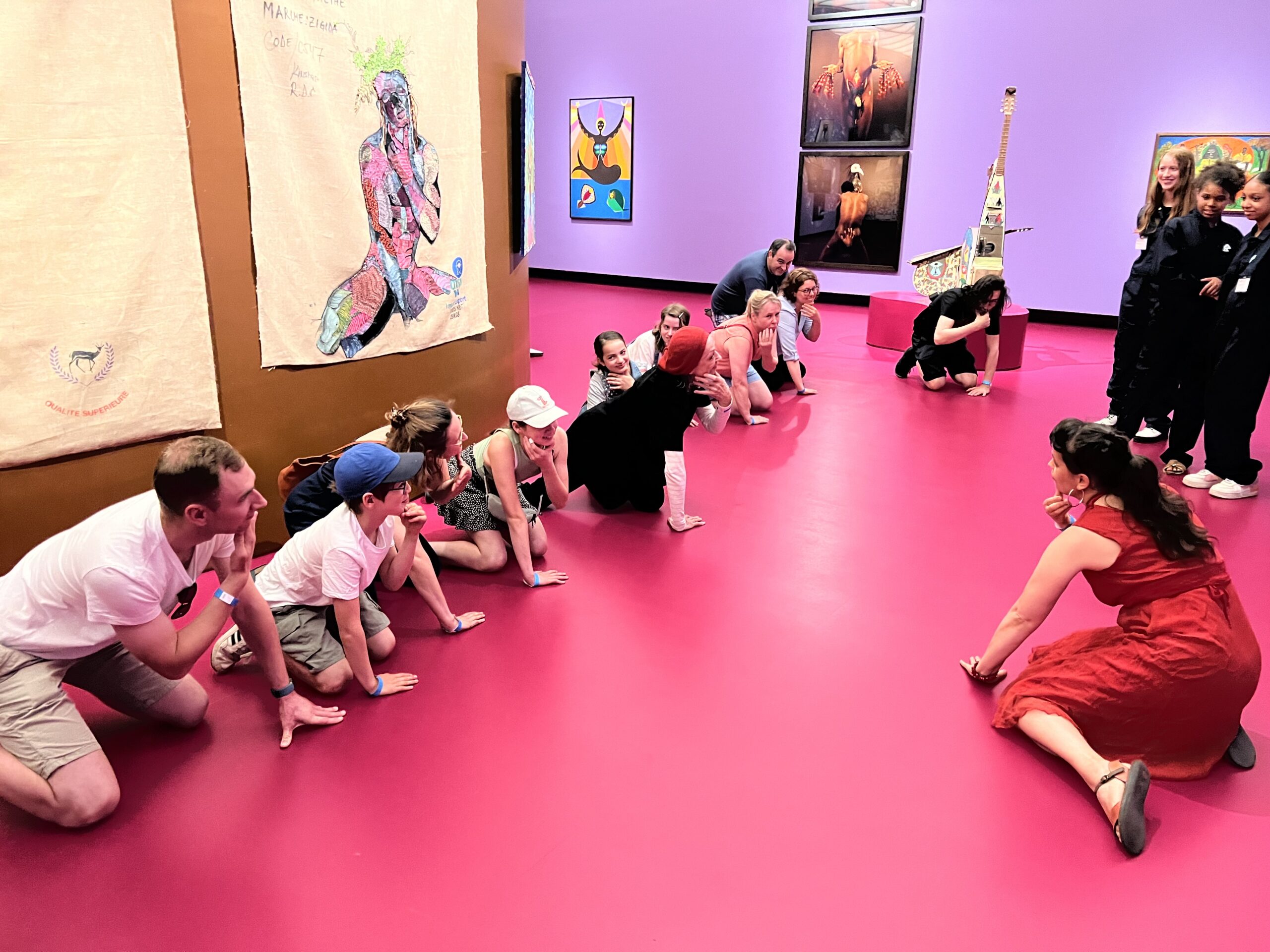
The project Hey Siri! What is a Curator? was initiated in 2019 as an artistic laboratory: 50 children and young people explored, questioned, and identified their personal expectations, experiences, and interests using artistic methods in collaboration with the Berlinische Galerie, a museum in Berlin. They opened up practical fields of action, understood as an experimental space between museum and school. A variety of interactive experiments, instructions, and suggestions invite engagement with a work, the museum, and its visitors.
The SIRIBOX
The SIRIBOX emerged from this project. It is the result of the collaborative research process and contains all the experiments and interactive instructions created by the children. Each SIRIBOX is a unique piece. The experiments can be taken out of the box individually and tried out. The SIRIBOX was handcrafted in a limited edition of 40 copies. We view the essays, memories, reports, and experiments contained within the SIRIBOX as both a critical examination and a constructive commentary on the collaborative practice.
In this sense, the narratives open up pathways to reconsider why certain people visit museums while others do not. They can serve as starting points for discussions to reflect on and further develop current educational practices, as well as inspire the use of the space between museum and school as an experimental field for exploring new ways of engagement.
ACTIVATION of the SIRIBOX
The Schattenmuseum conducts performative tours with the SIRIBOX in museums/exhibition spaces, in German and/or English. These tours are suitable for both children and adults. The tours have already been successfully held at several institutions, including: HKW/House of World Cultures, KW-Institute for Contemporary Art (Berlin), BerlinBiennale, Berlinische Galerie, Kunsten Museum of Modern Art (Aalborg, Denmark), Staatliche Museen zu Berlin / Haus Bastian / Alte Nationalgalerie Berlin.
If you are interested in activating the SIRIBOX at your institution, feel free to contact us!
In 2021, the SIRIBOX was further developed in collaboration with KW-Institute for Contemporary Art (Berlin) and the sideviews project Schattenmuseum (Shadow Museum) into a digital app. The SIRIBOX mini can be used not only in exhibition spaces but also in urban areas. You can download the SIRIBOX mini for free here:
The original SIRIBOX is available upon request for those interested. Applications are reviewed by the Schattenmuseum (Shadow Museum). Contact information and some SIRIBOX owners can be found here:
The pharmacy is a place of medicine and knowledge. The city bears disease, wounds, scars and ailments. What defines a city pharmacy?
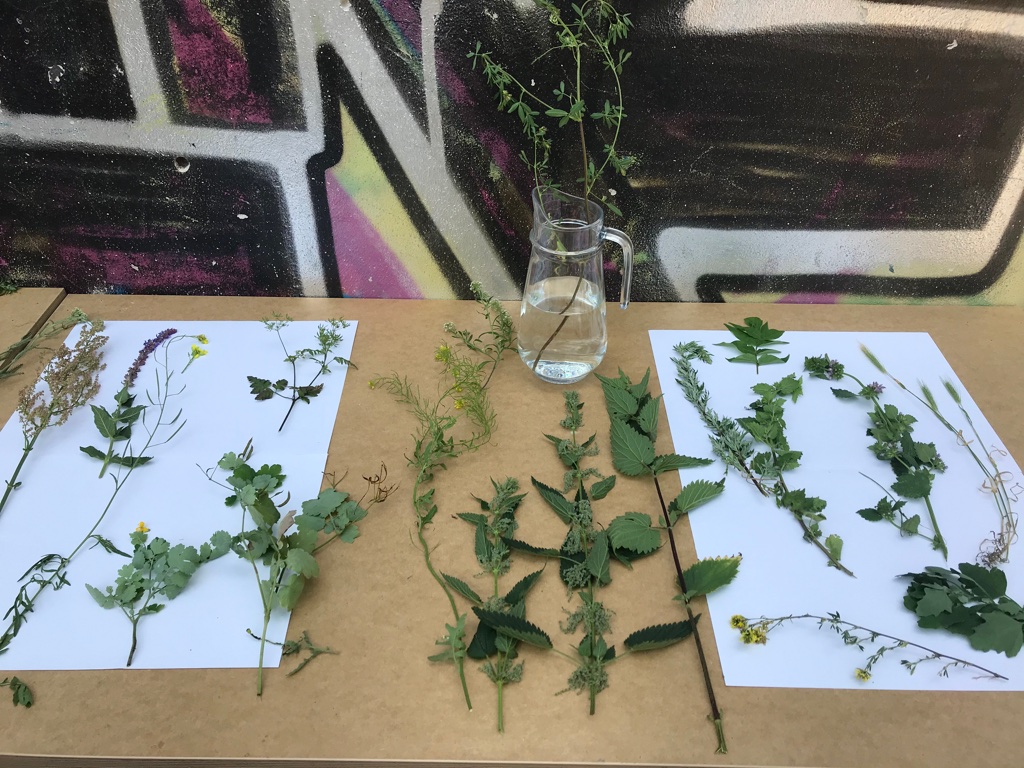
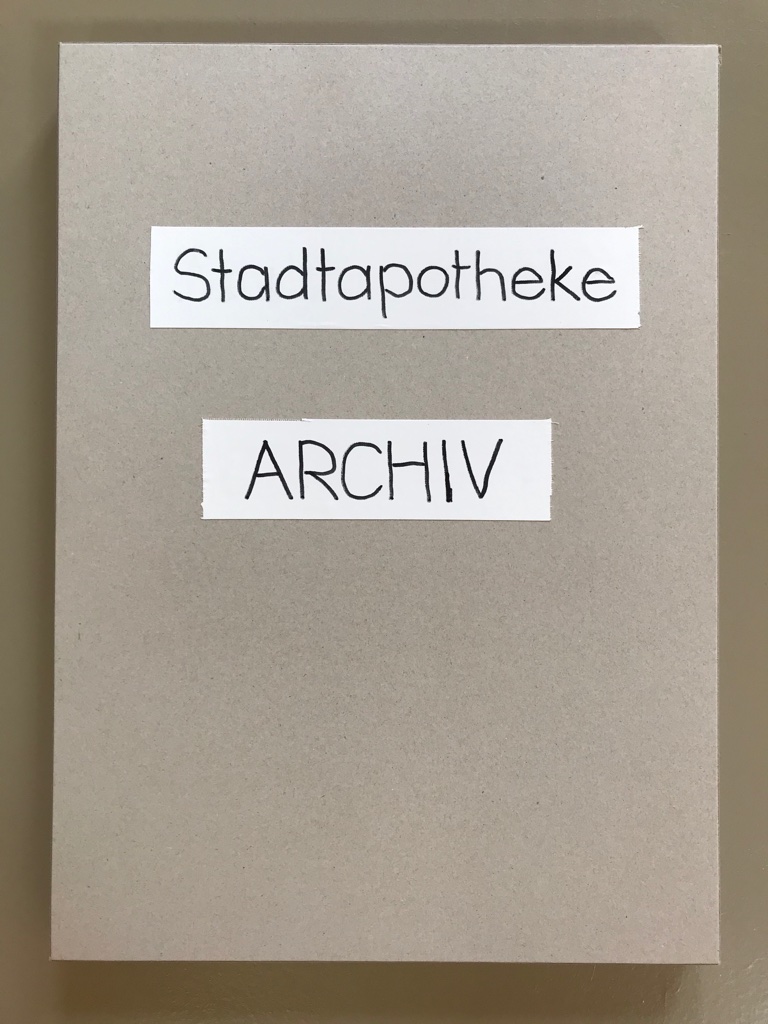
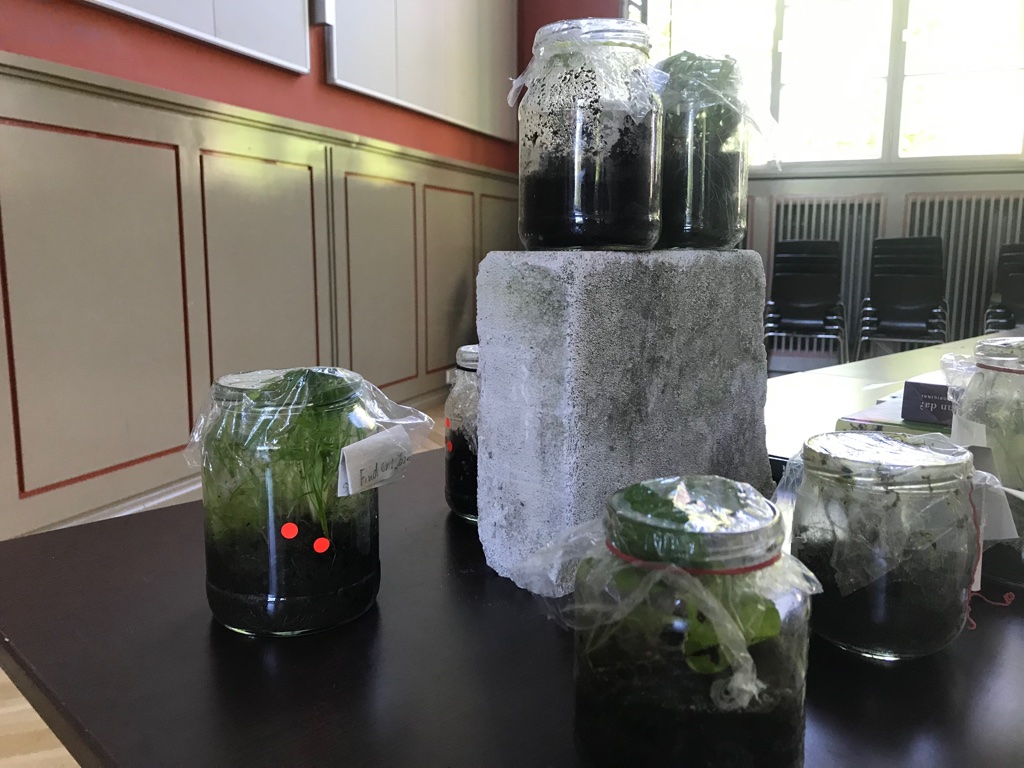
In this intergenerational artistic research project, students from the Nürtingen primary school together with their teacher, sideviews artists, the Schattenmuseum youth committee and two retired pharmacists investigate plants and other remedies in the urban space. In an exploration of the city’s pressure points, the city pharmacy collects, archives and publishes knowledge. In addition to this custodianship of interest in (medicinal) plants and habitats, it preserves old knowledge both for future generations to activate self-healing powers and also to ensure that healing is not left exclusively in the hands of other. Plant ambassadors exhibit the resulting plant archives in a variety of ways: a combination of experimental, choral, choreographic and research tools creates a walk-in interactive space – a living archive. The presentation is supported by a guest appearance by the one-off play garments from Berlin Marzahn-Hellersdorf.
The city pharmacy was presented as an interactive exhibition and performance as part of the Schools of Tomorrow festival on November 18-19, 2021 in the House of World Cultures in Berlin.
Alaa Asmin Ava Bedirhan Béla Cem Eddie Elijah Elisa Elona Emir Han Ena Hiranur Inés Jacek Josef Karla Lino Mariama Mohammed Saleh Niya Oghuzan Pauline Puma Raziye Robert Romy Selma Suvi Tuana Tunç Vito Zamiel Zahraa Abdul-Hamid Silke Ballath Hannelore Eckert Dr. Wilma Florath Wiebke Janzen Monika Kegel Seraphina Lenz Dr. Hans-Heino Luxa Tomma Luxa Kirsten Müller Bodo Orejuela Anja Paetsch Carla Petermann Ilka Saegebarth Anja Scheffer Moritz Scheffer
Which plants live in the urban space of Berlin and how do you detect them? Are they poisonous? Or edible? Can they even heal? How do we use them? Where do they live and how do they survive there? The city pharmacy goes in search of old, almost lost knowledge. The urban space becomes an object of research and a laboratory. What can a plant say about itself and its environment? About the city and its wounds? What does the term migrant plant or pioneer plant mean? Which artistic translations are suitable? How can a living archive be created?
For more than a year, the Stadtapotheke has been conducting intergenerational research: with the Nürtingen elementary school in Berlin-Kreuzberg, the artists Anja Scheffer and Seraphina Lenz, the retired pharmacists Tomma and Heino Luxa and a 456 grade class and their teacher Wiebke Janzen, accompanied by Silke Ballath. The project deals with the research and dissemination of knowledge and seeks to develop new forms of transmission, with research methods alternating between scientific and creative-performative approaches. All of the materials produced is archived and presented in the House of World Cultures as part of “Schools of Tomorrow”.
Arising from its year-long research process, the Stadtapotheke has also forged contacts with various partners in the context of Global Roots, an Erasmus+ project. Its approaches, strategies and procedures reflect and develop ideas and suggestions and the experiences are shared with other participants. In addition, the Global Roots project participants are jointly developing a tool for the drawing together and reflection on the respective experiences. Similarities and differences of the respective processes are made visible and negotiable. Proposals for project ideas, collaboration between artists and elementary schools, as well as diverse areas of interest between art and science are published. The collaboration of the participating teams from the different countries informs the way in which the Global Roots project is documented.
The aim of the Global Roots project is to highlight how arts and culture can encourage teachers in primary education to create a sustainable learning environment in which children can reflect and develop their relationship to today’s world. Partnerships between people from art / culture and primary school education challenge the mind-set and working processes of both professional groups and develop new approaches to convey to children notions of active global citizenship and sustainable development.