Categories
Game Museum Museum Game Theatre Theatre

Climate goes Fluxus

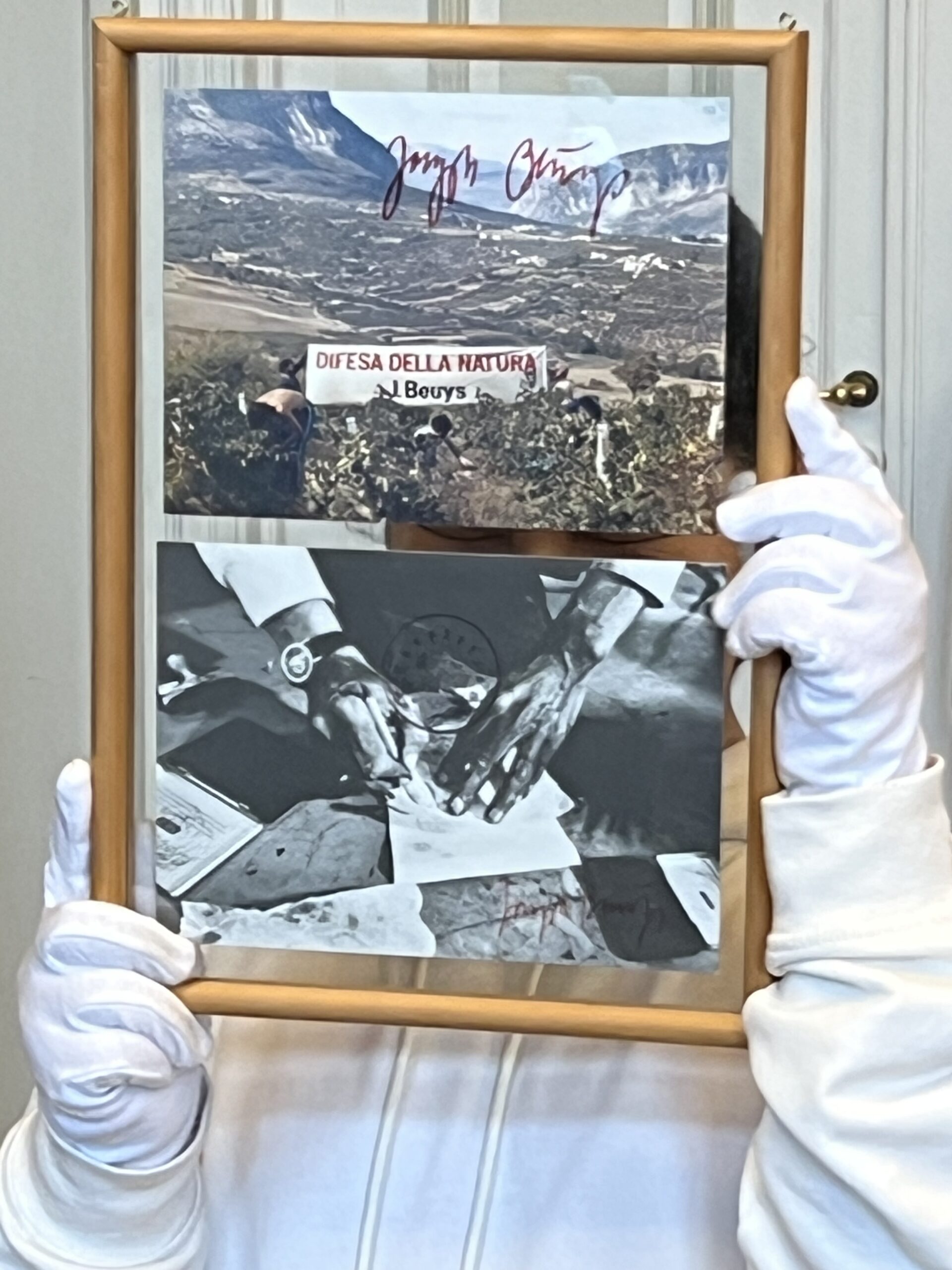
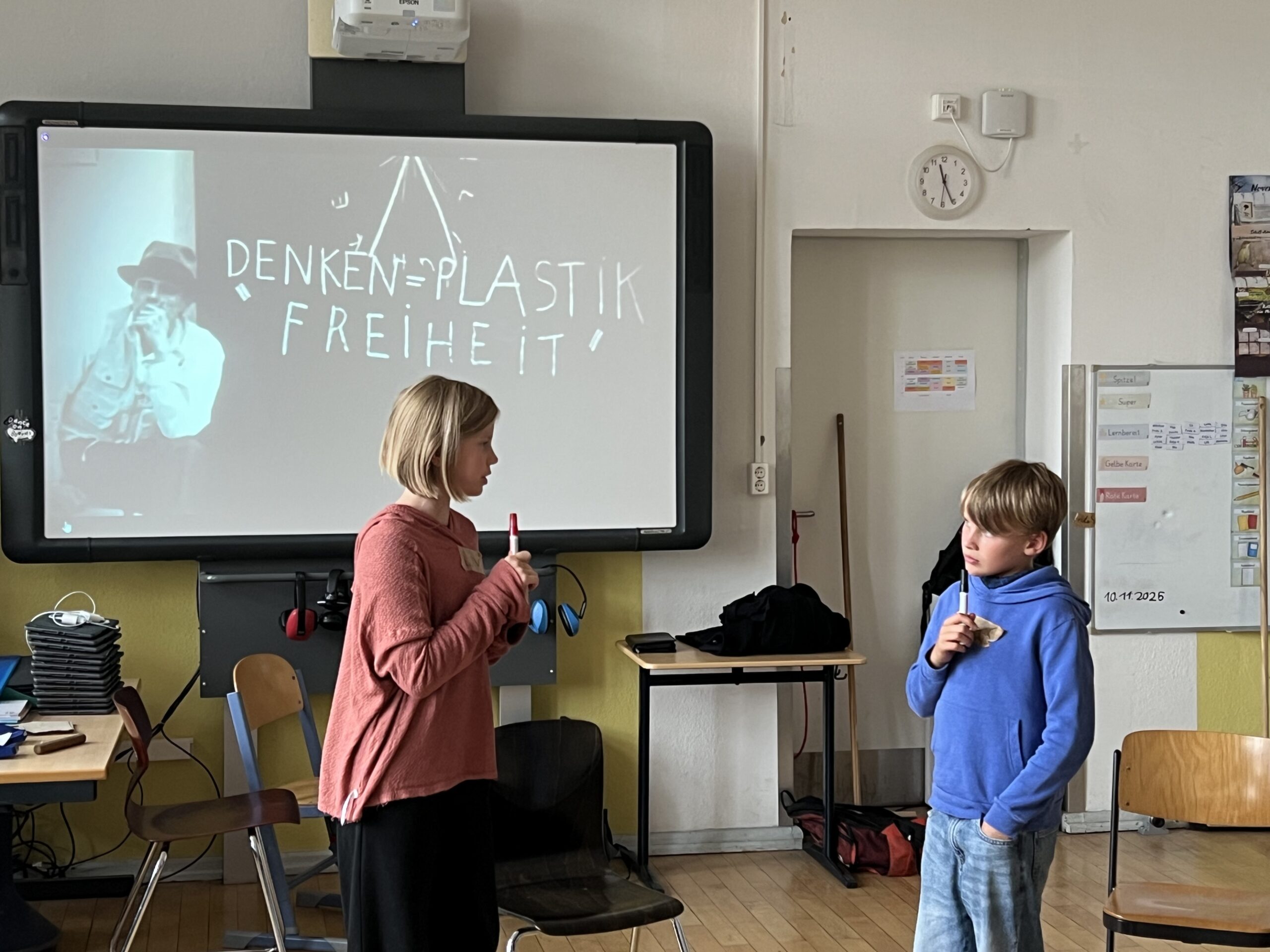
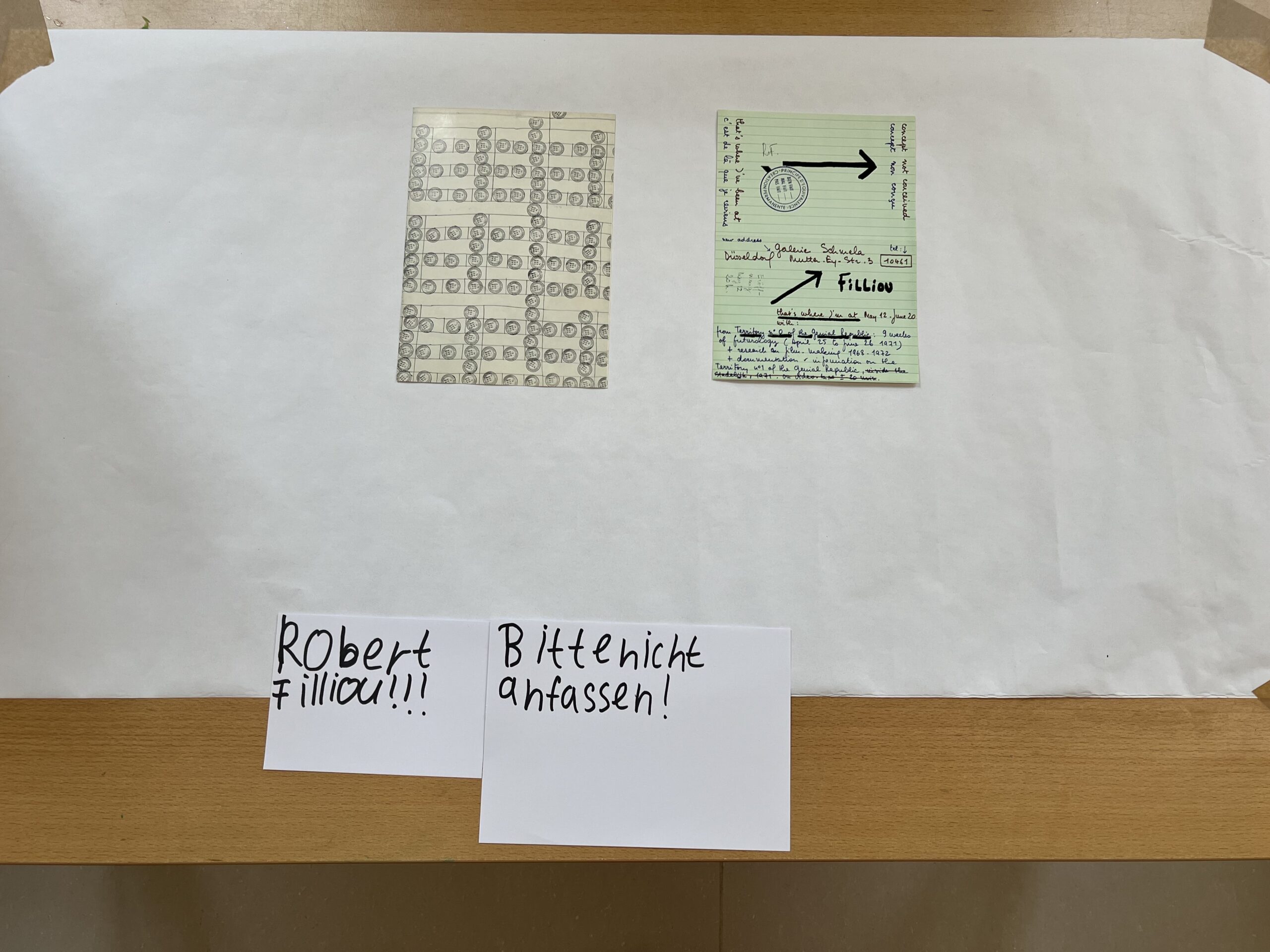
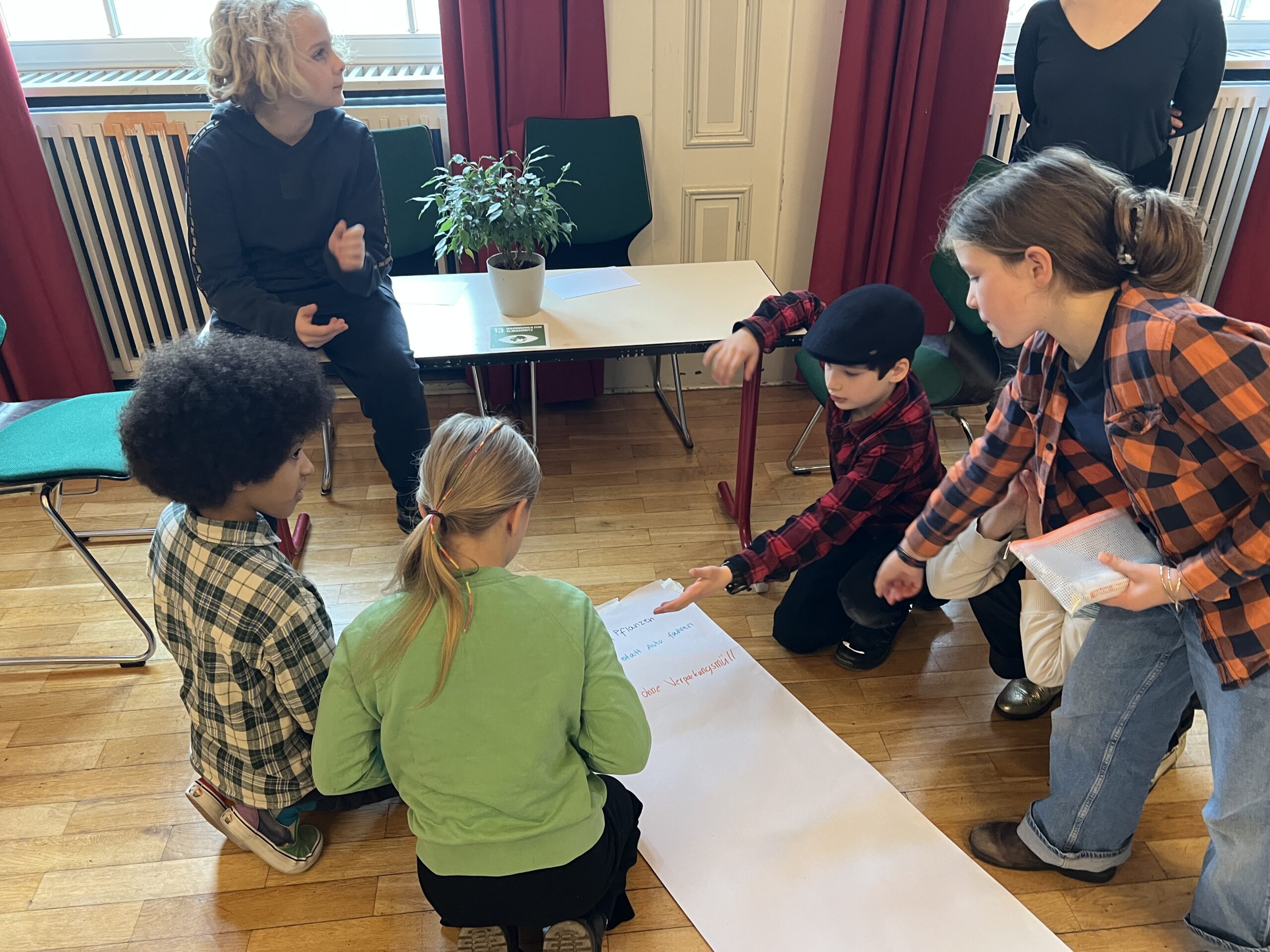
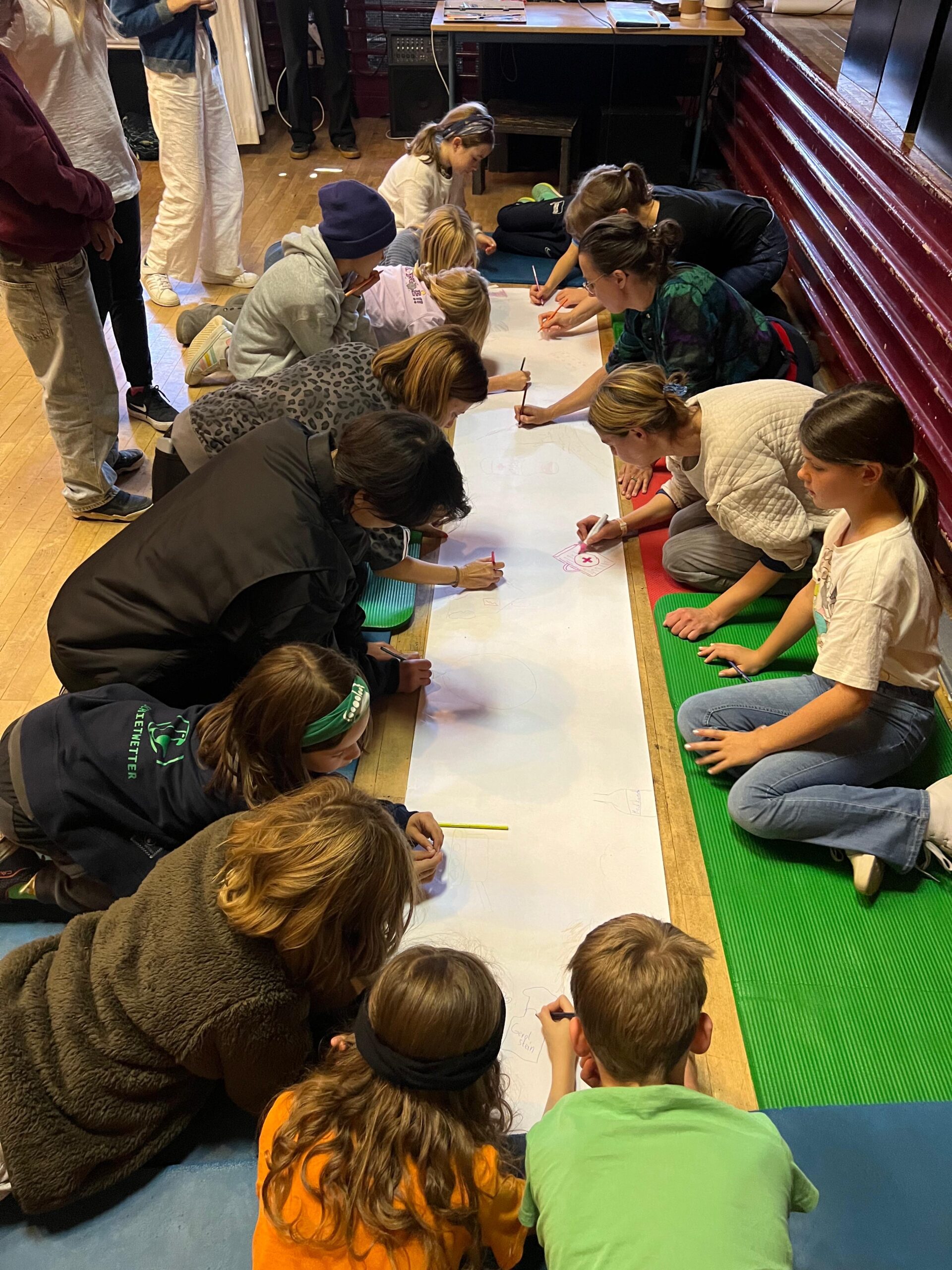
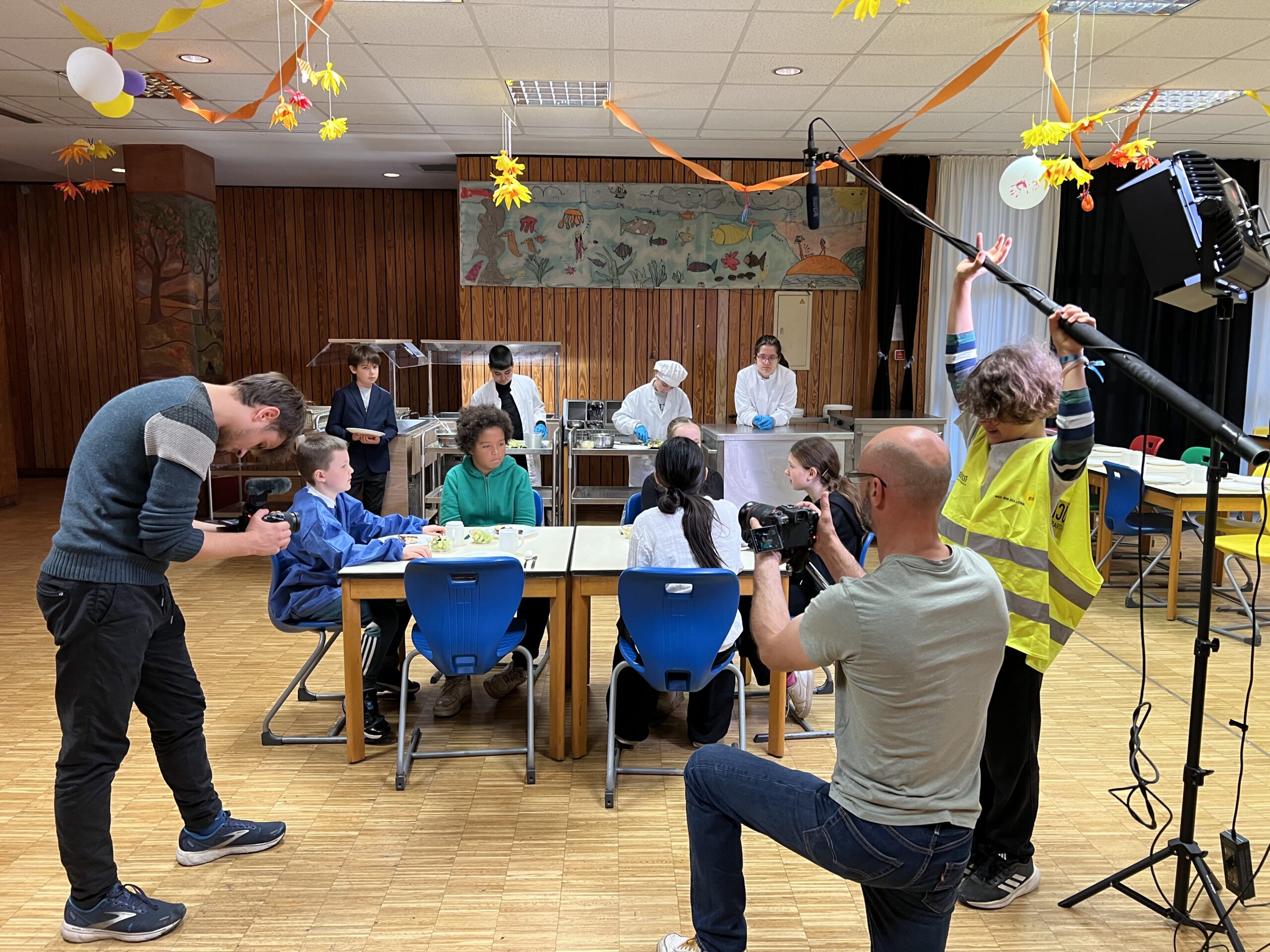
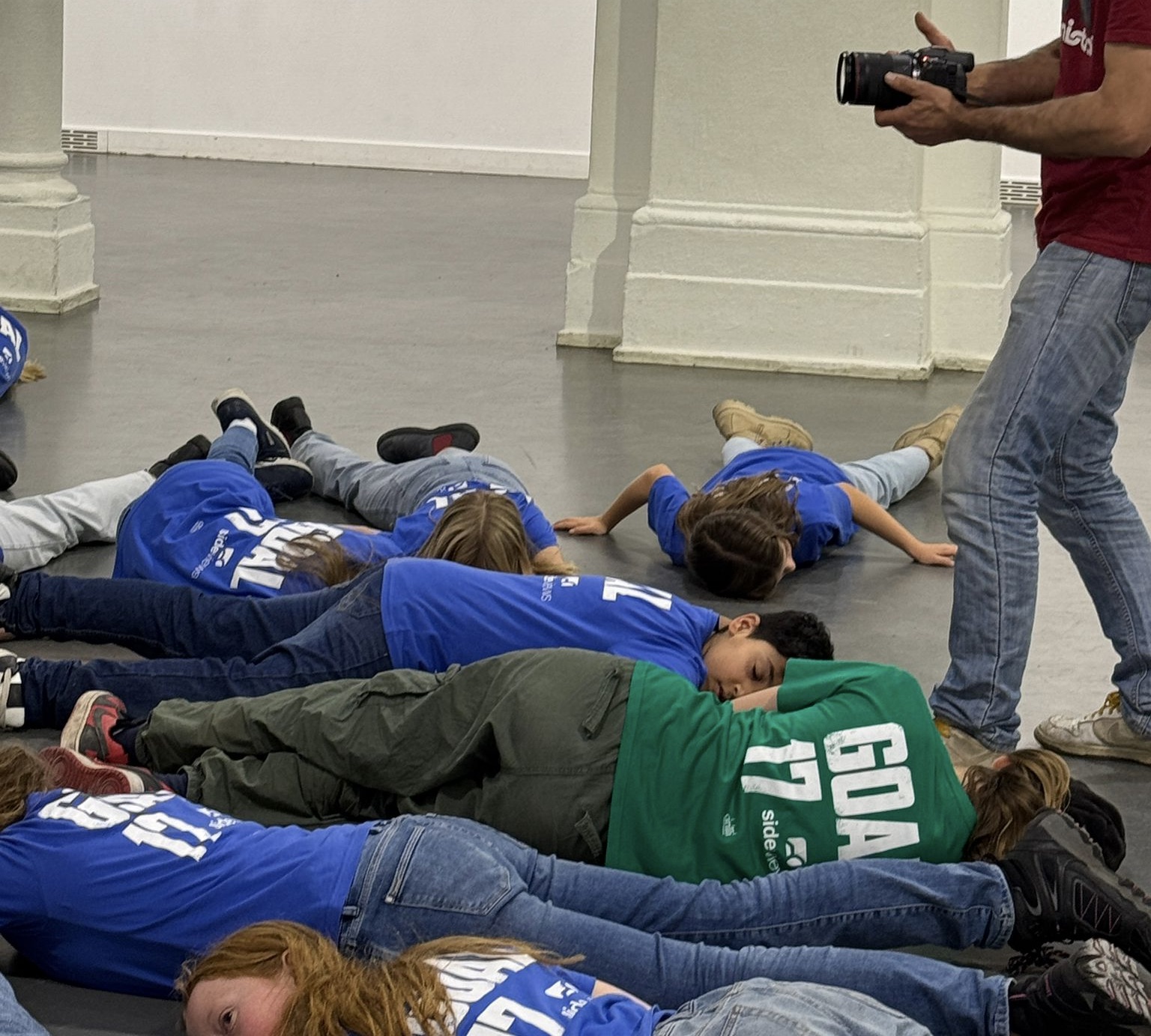
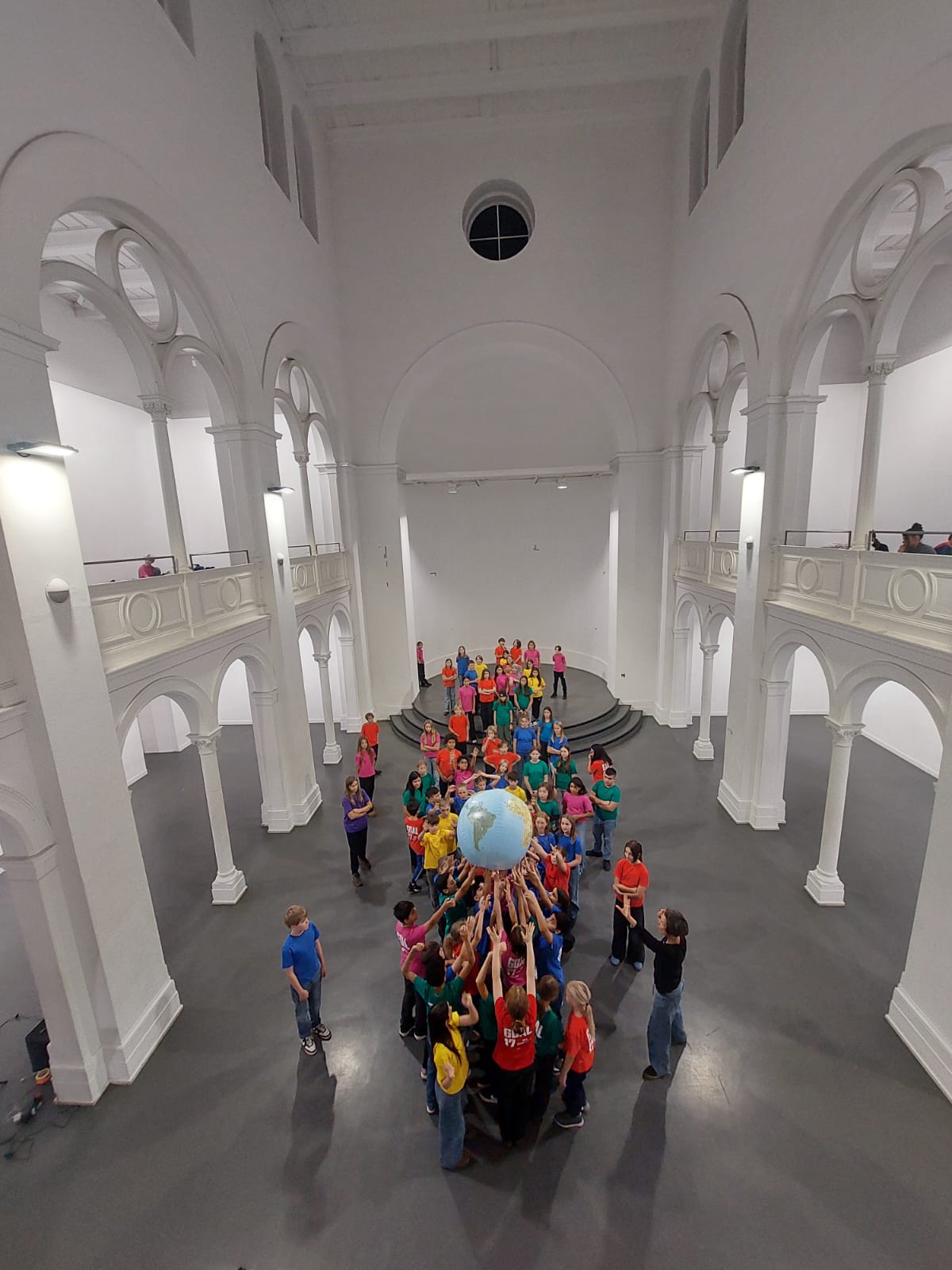
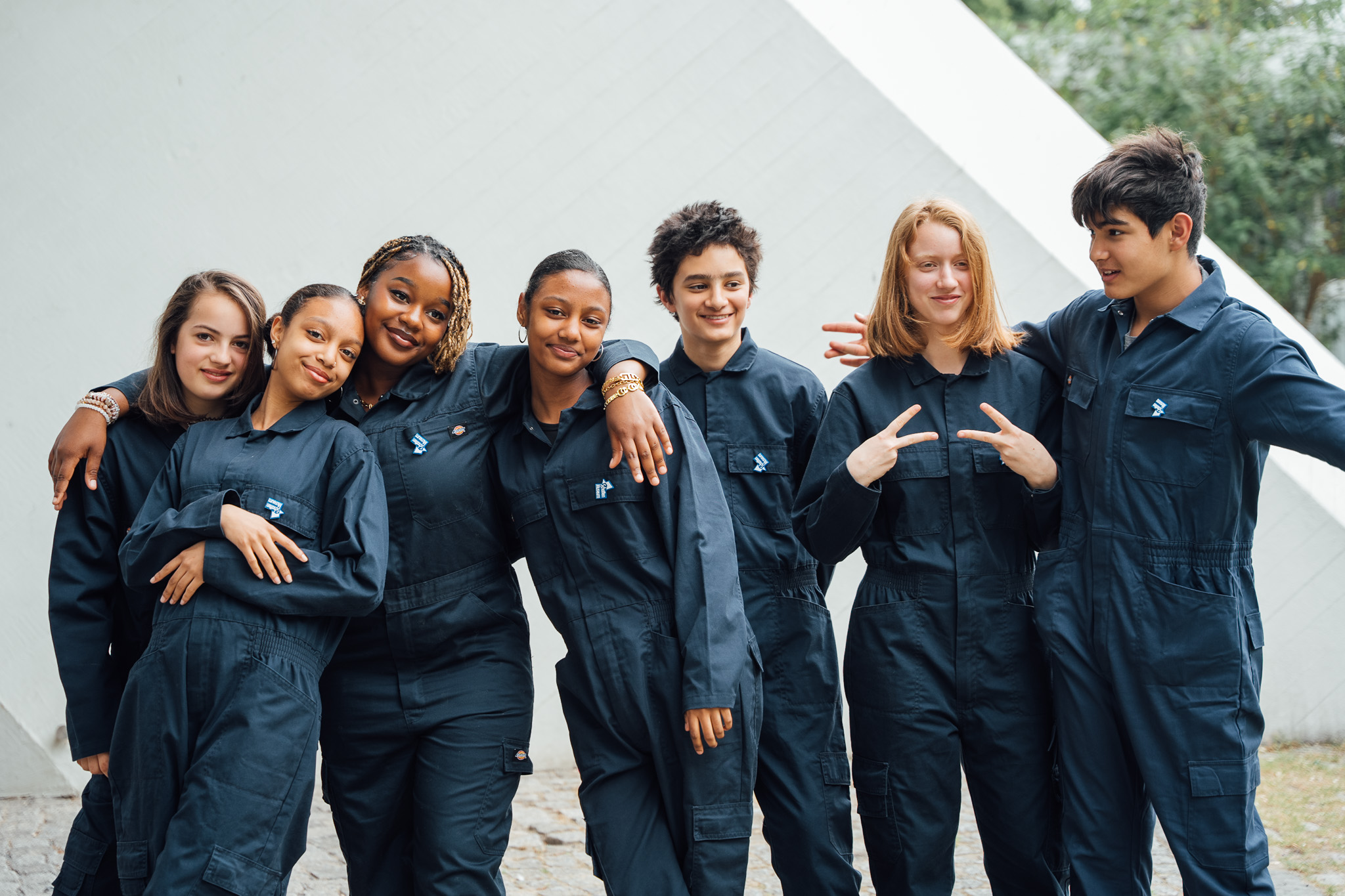
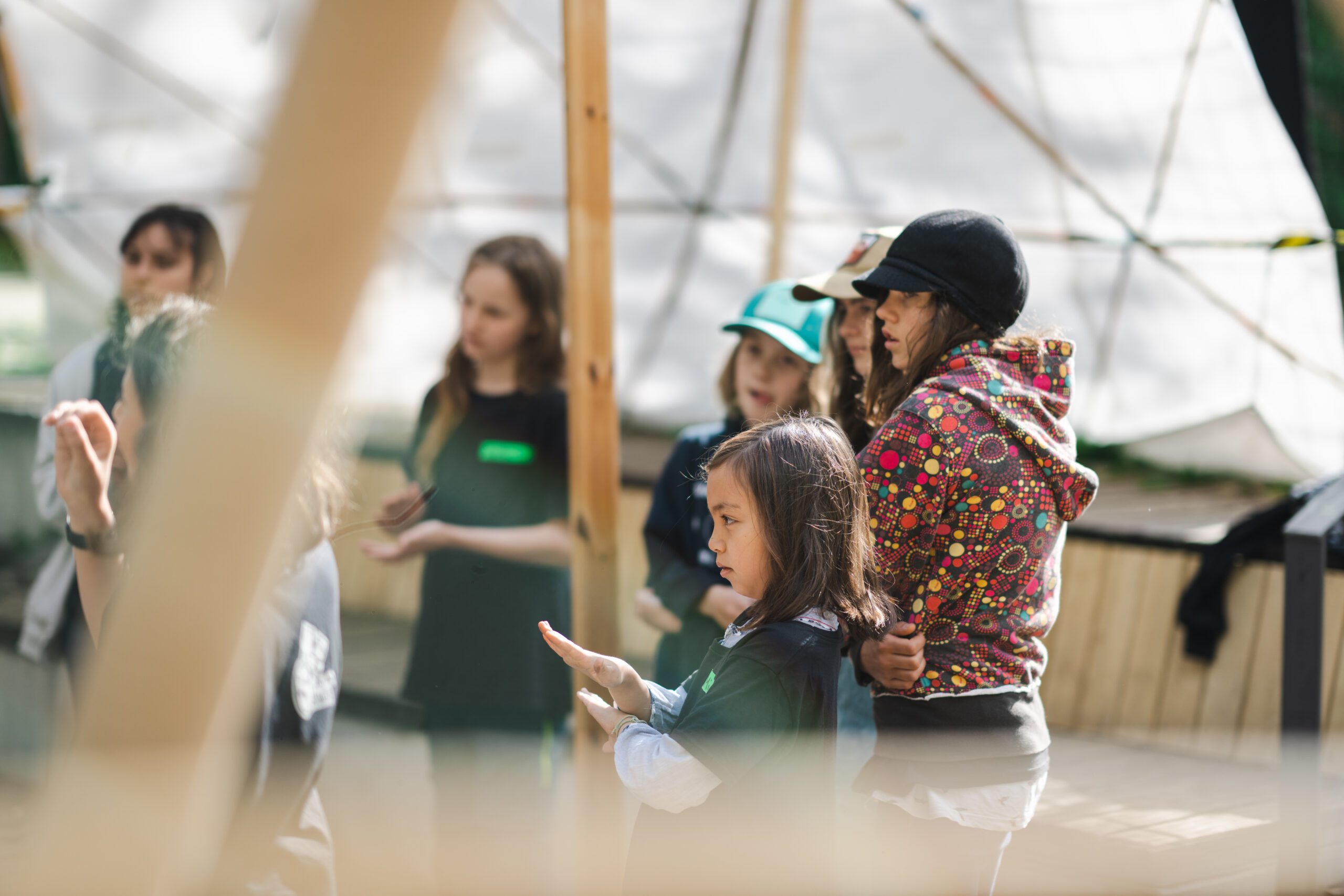
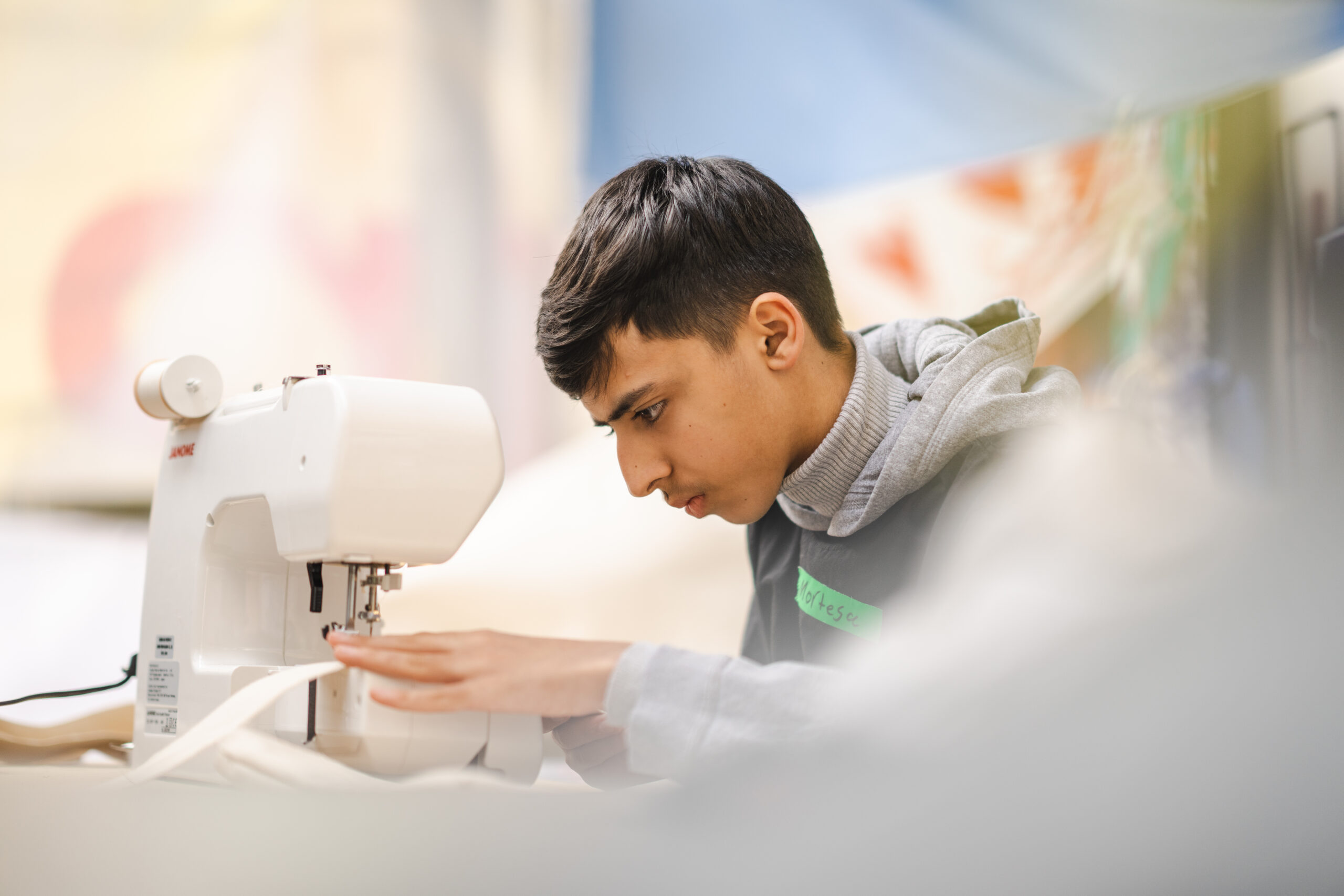
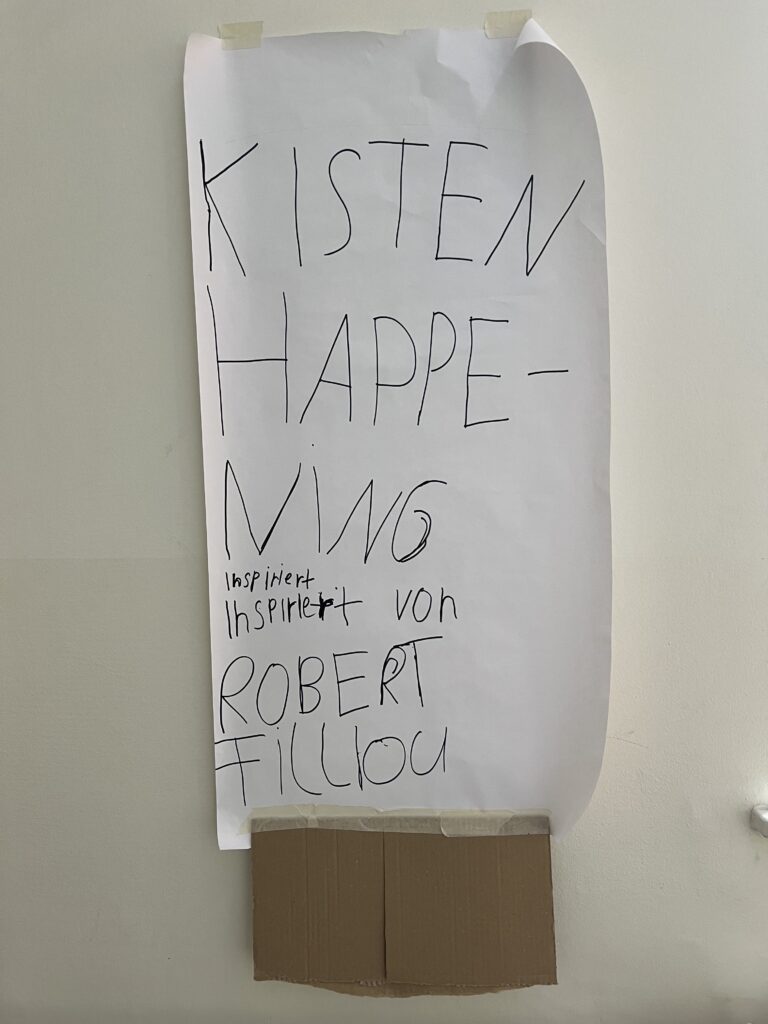
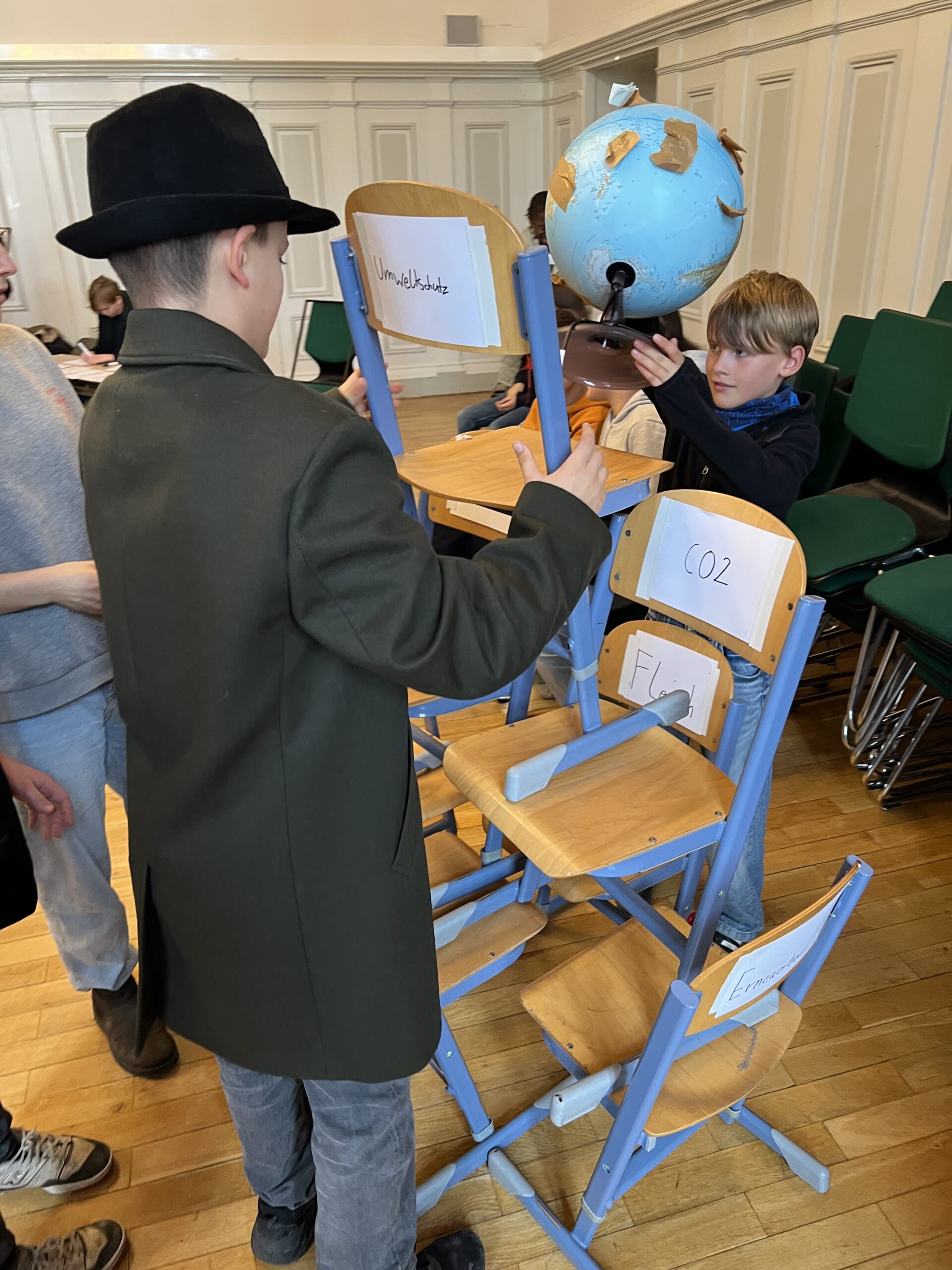
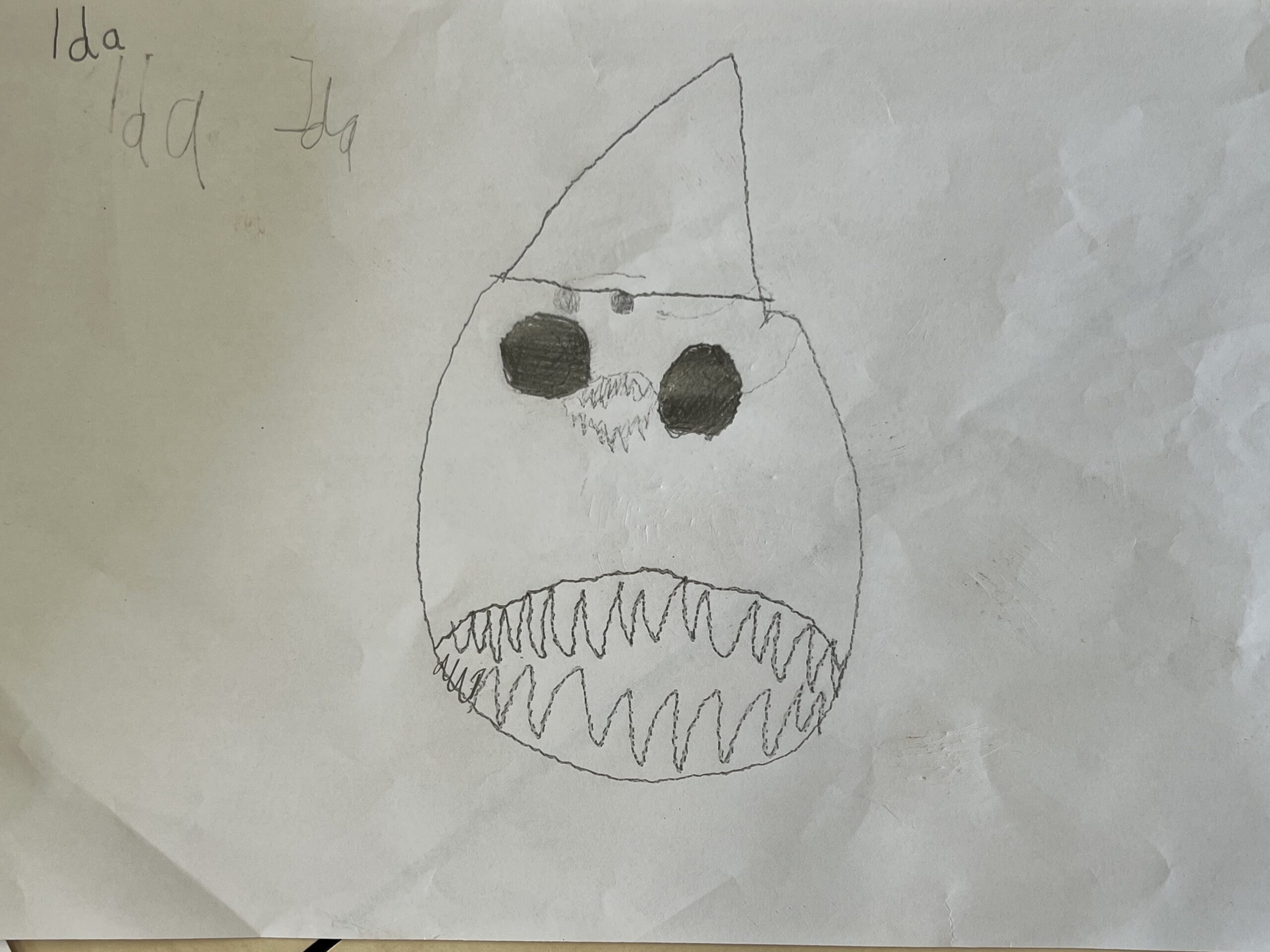
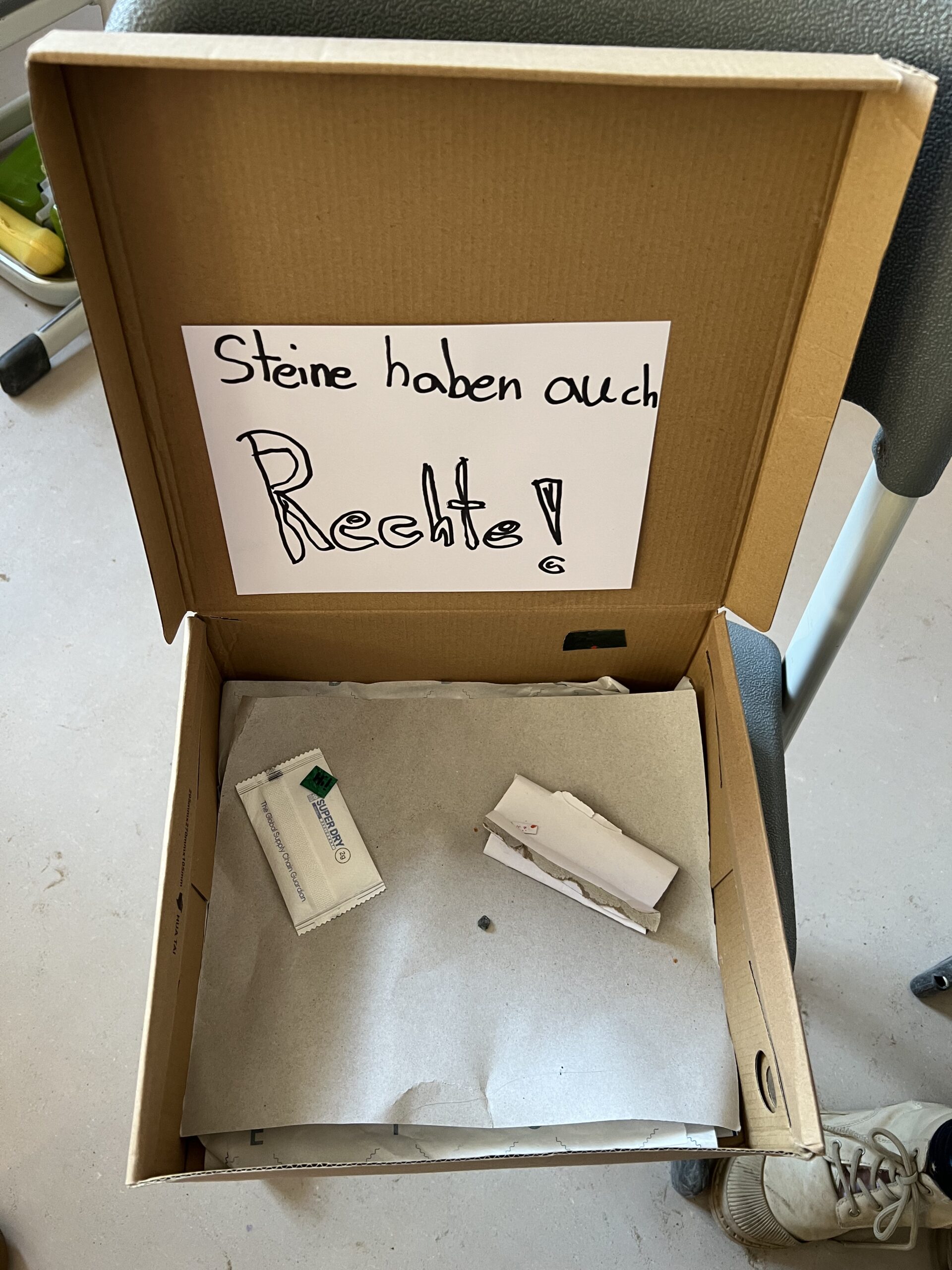
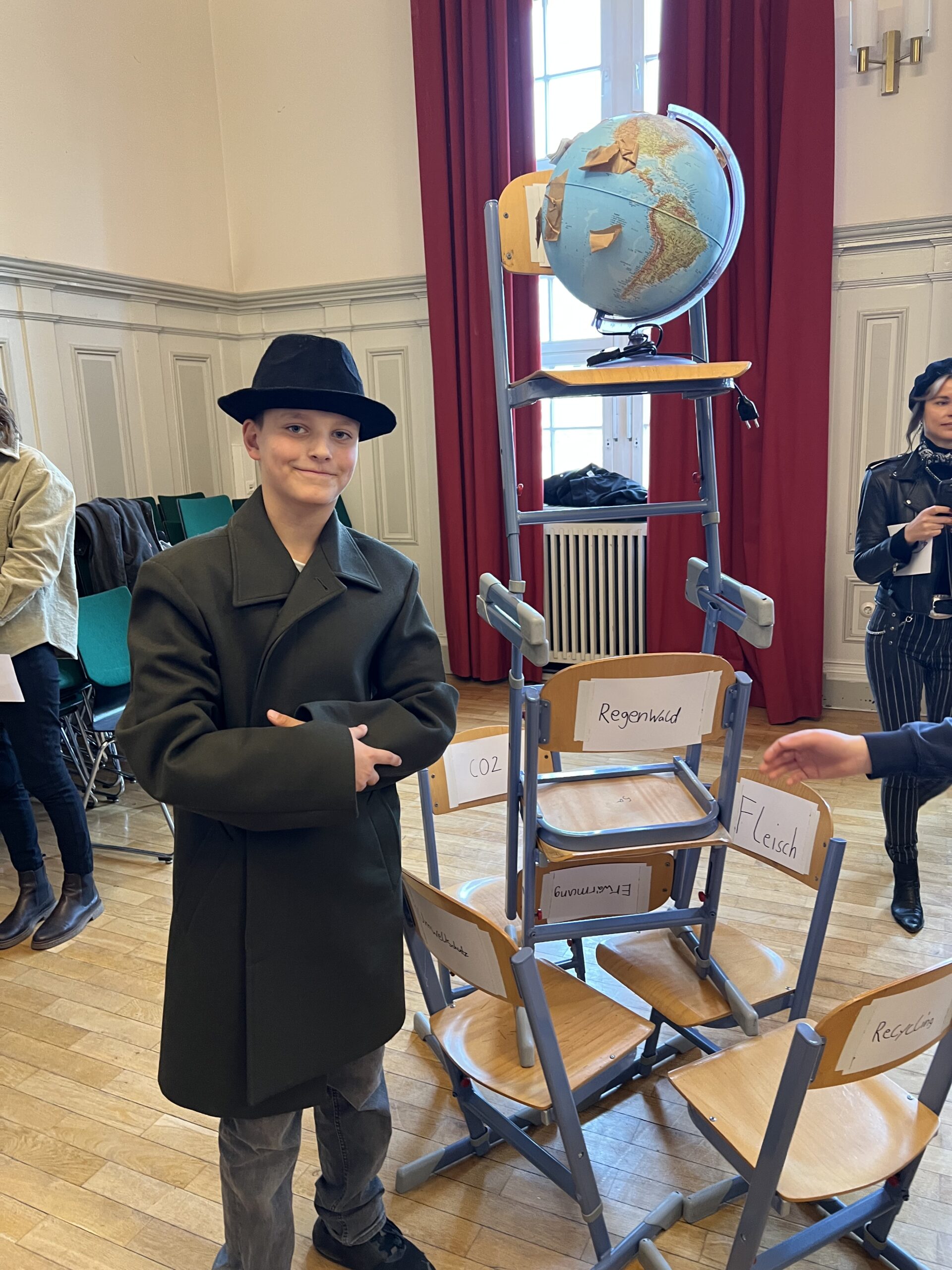
GOAL 17 – Climate goes Fluxus is an artistic project developed in five public schools in five Berlin districts. It engages students with the work and thinking of Fluxus artists Yoko Ono, Joseph Beuys, Alison Knowles and Robert Filliou and connects them with one of the 17 UN- Sustainability Goals.

Drawing on the practices of the Fluxus artists, the project approaches art as a form of attention: to lived experience, to everyday actions, and to the environments shaped by both people and nature.Ausgehend von den Praktiken der Fluxus-Künstler*innen begreift das Projekt Kunst als Form von Aufmerksamkeit: Für gelebte Erfahrung, für alltägliche Handlungen und für die von Mensch und Natur geprägten Umgebungen.
Photos by sideviews

Emerging in the early 1960s, Fluxus challenged the separation between art and life, rejecting fixed authorship and stable roles in favor of participation, experimentation, and the use of chance as a method of inquiry.

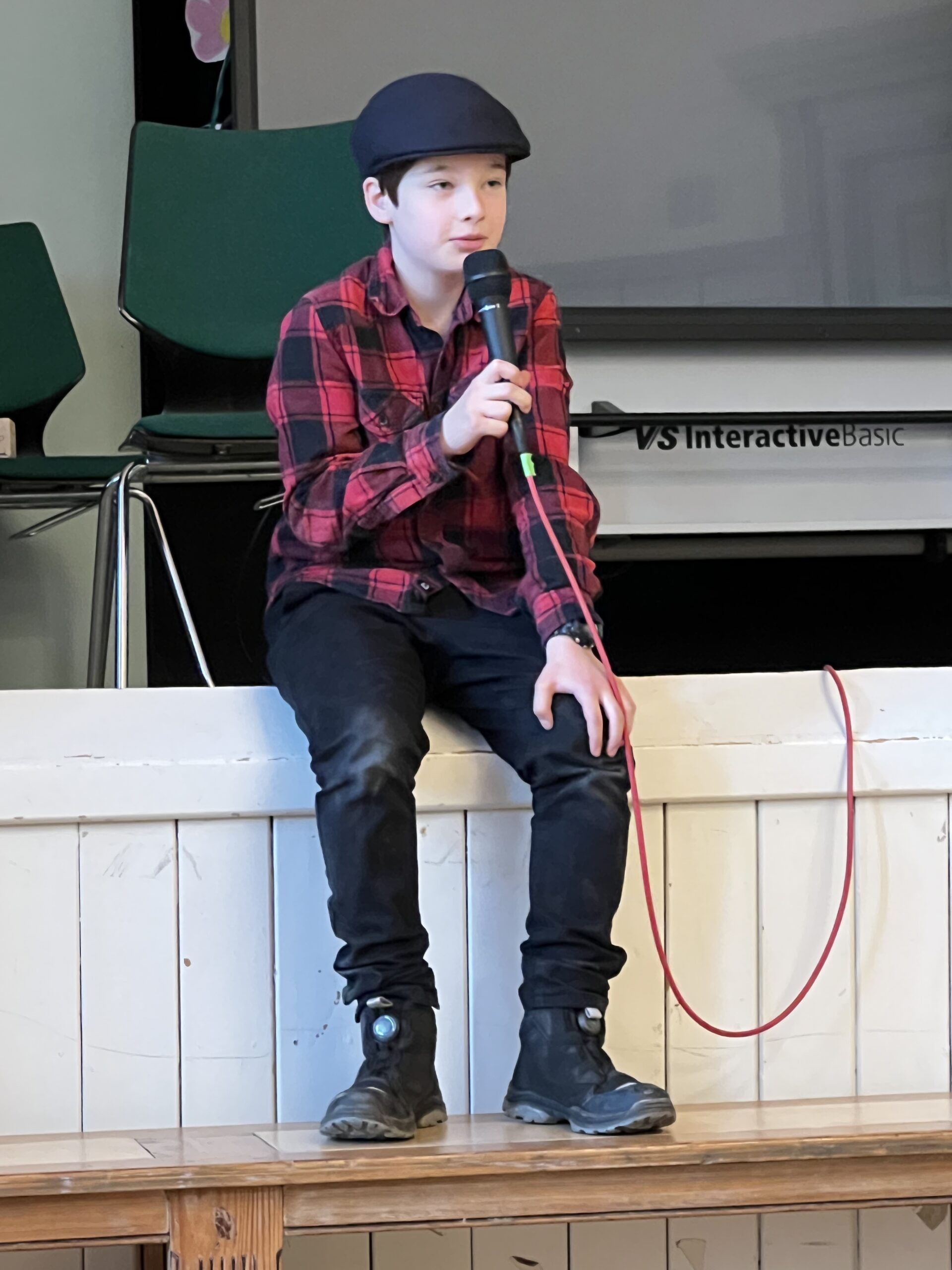
Within this framework, students are invited to work collectively through instructions, actions, and open situations, where observation, play, and dialogue become ways of thinking. The project recognizes children not as passive recipients of knowledge, but as active contributors whose perspectives can reconfigure how art, nature, and shared responsibility are understood.
Participating schools:

Rosa-Parks-Primary School, Berlin-Friedrichshain-Kreuzberg

Fichtelgebirge-Primary School, Berlin-Friedrichshain-Kreuzberg

Friedenauer Gemeinschaftsschule, Berlin-Tempelhof-Schöneberg

Carl-Humann-Primary School, Berlin-Pankow

WIR-Primary School, Berlin-Treptow-Köpenick

Financed by:

Categories
Game Museum Shadow Museum Theatre Youth Committee Shadow Museum

ClimateINjustice! at GREEN PLANET BERLIN

Pics by sideviews

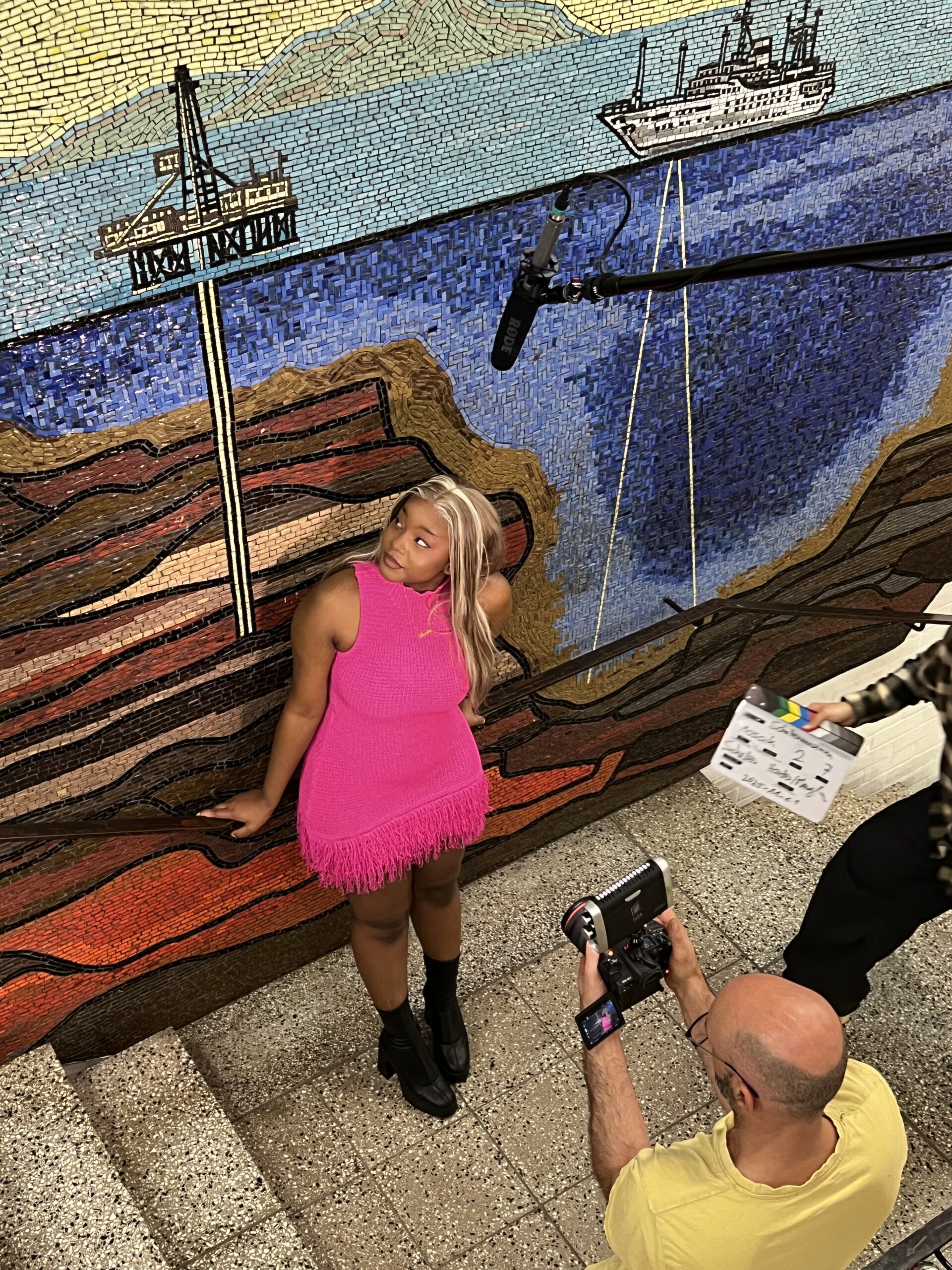
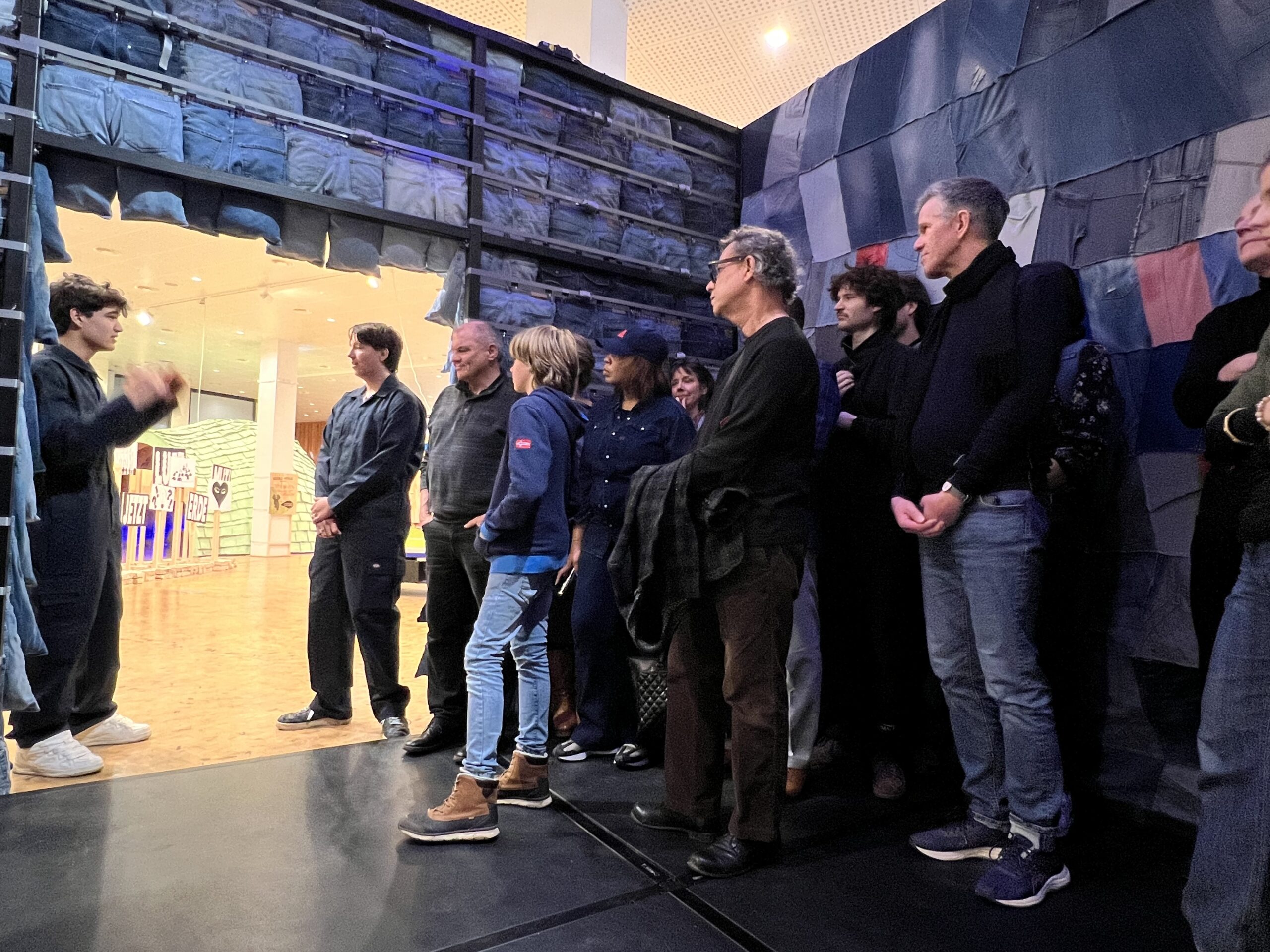
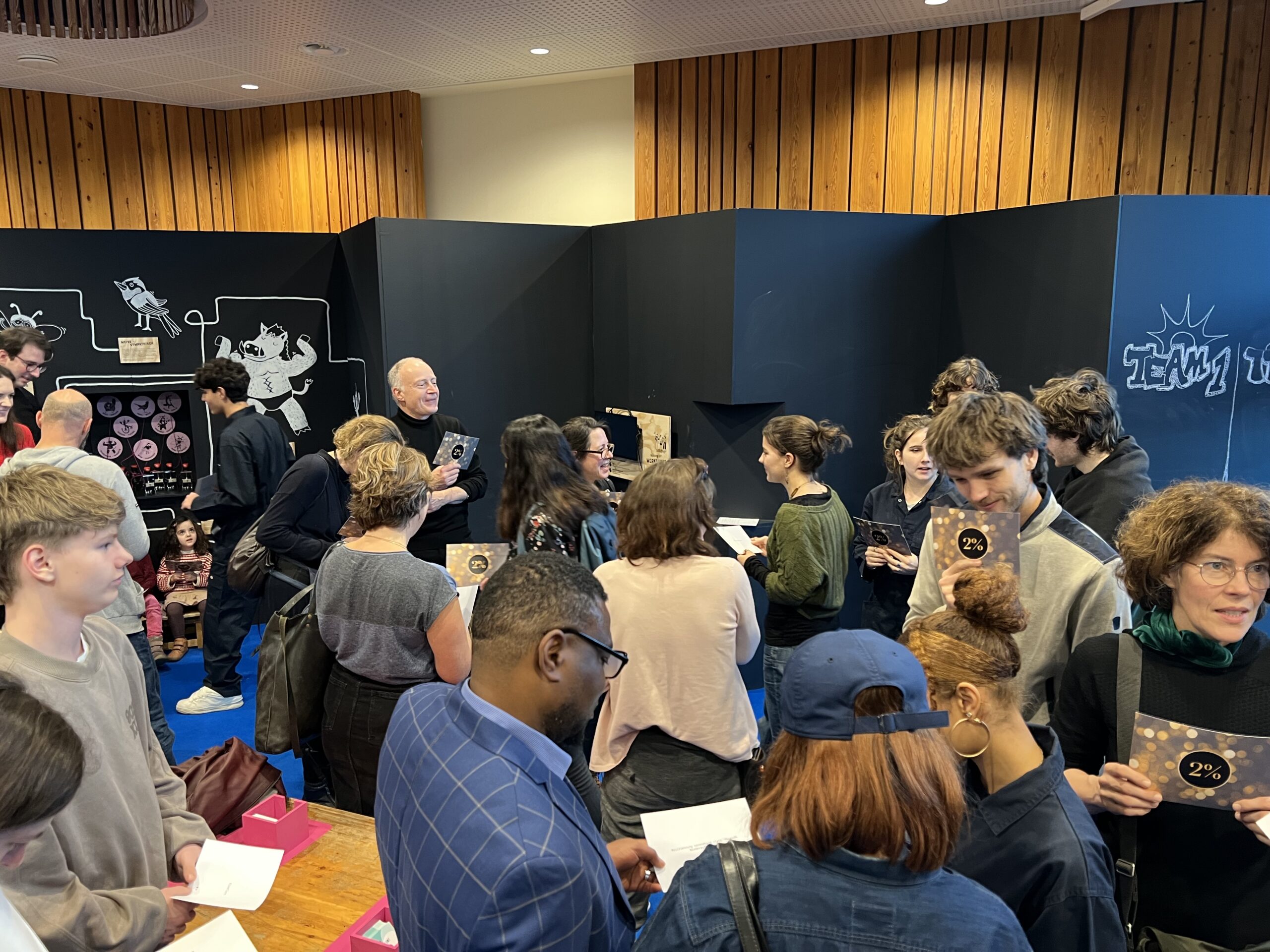
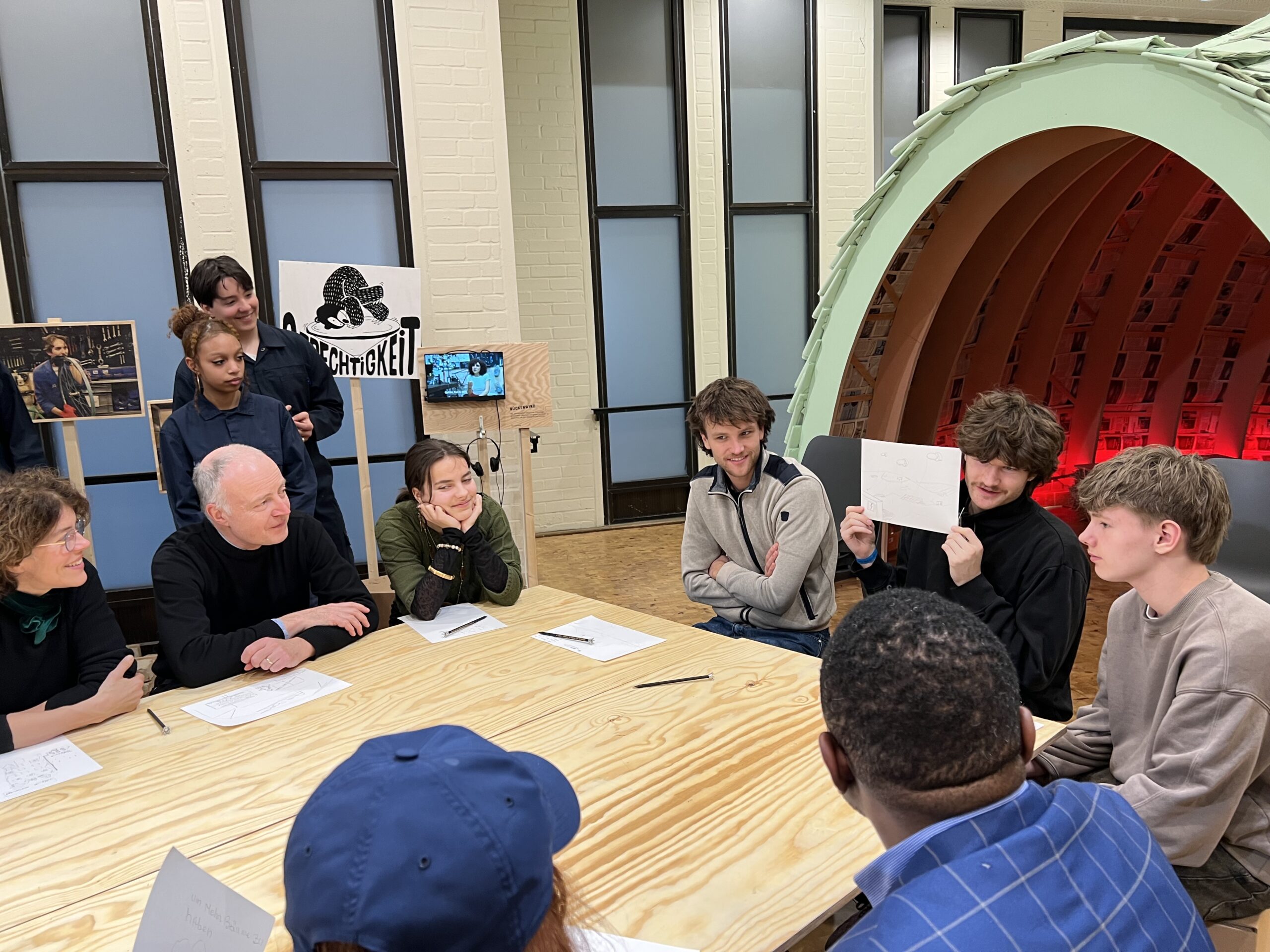
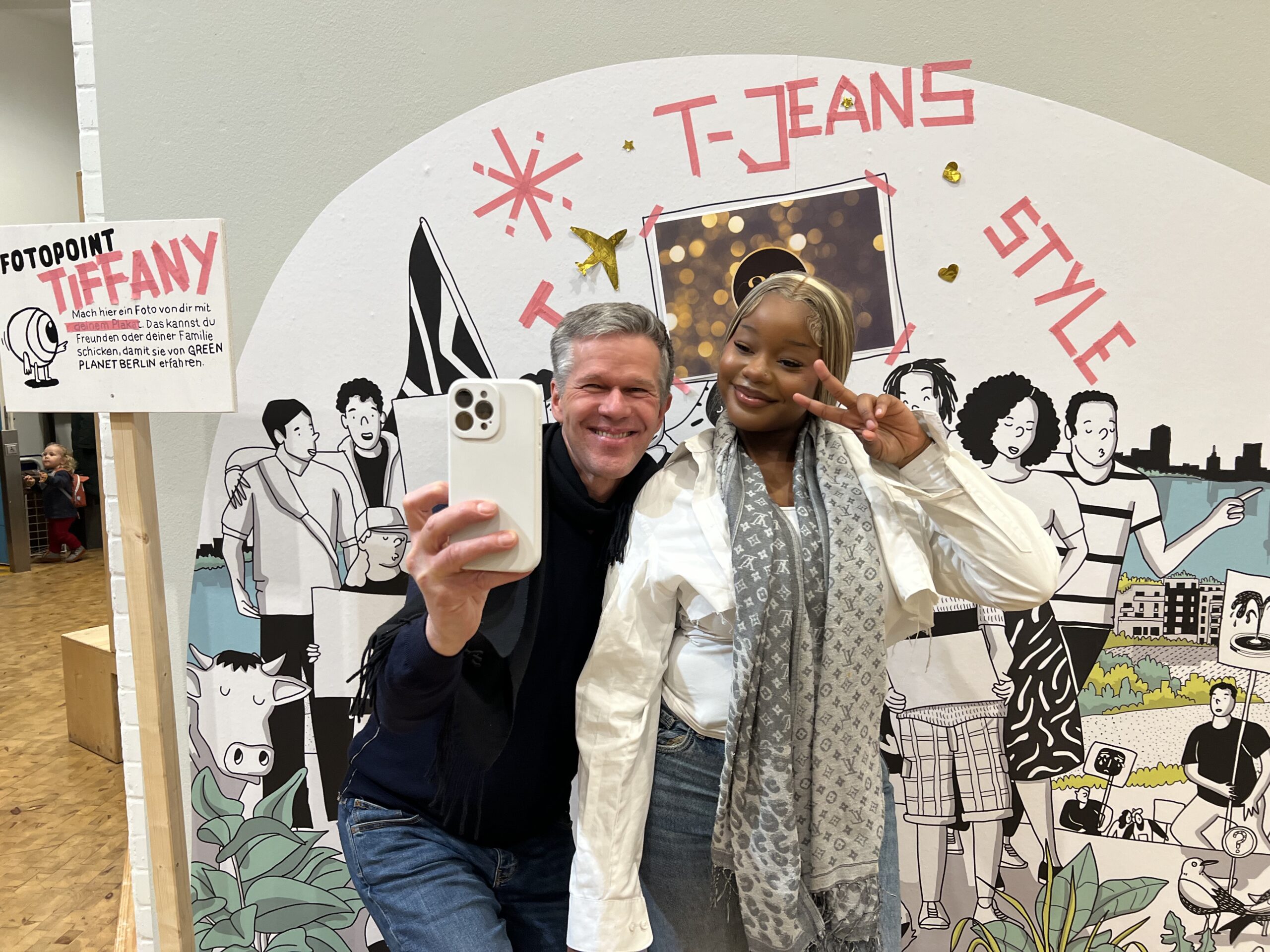
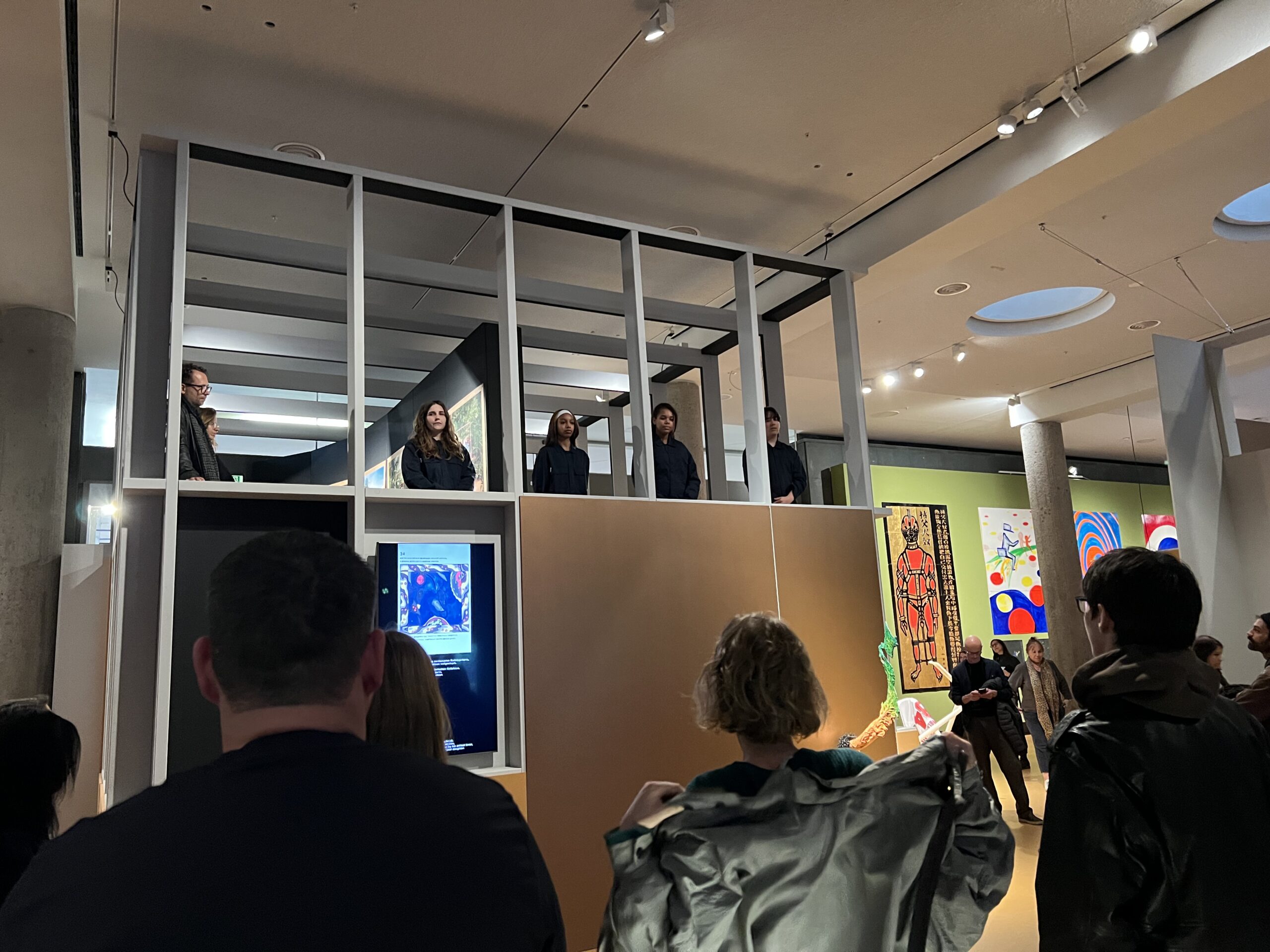
Invited by Alice – Museum für Kinder at FEZ Berlin, the Schattenmuseum (Shadow Museum) developed an artistic contribution to the exhibition GREEN PLANET BERLIN, which brings together ideas developed by more than 250 children and young people on sustainability, urban life, and possible futures. The project starts from what often remains unspoken: climate injustice and its unequal consequences across generations and regions, opening up a space where political responsibility, participation, and children’s rights can be addressed without simplification. 

A newly produced film on climate injustice, premiered in December 2025, was accompanied by an interactive activation that invited young audiences to engage critically and collectively. The performative act functions here as a shared situation, making room for uncertainty, dialogue, and the necessity of speaking about what is at stake.

Here you can watch the film ClimateINjustice!:

A project of Schattenmuseum (Shadow Museum) in cooperation with sideviews. Pics by sideviews.

The project was supported by:
Categories
Game Youth Committee Shadow Museum Museum Museum Shadow Museum Shadow Museum Game Theatre Theatre Youth Committee Shadow Museum

THE UNDEAD – HKW

A Performative Investigation

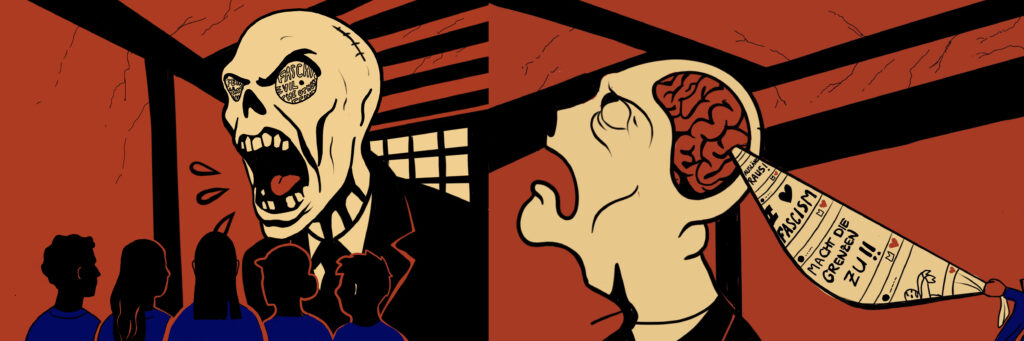
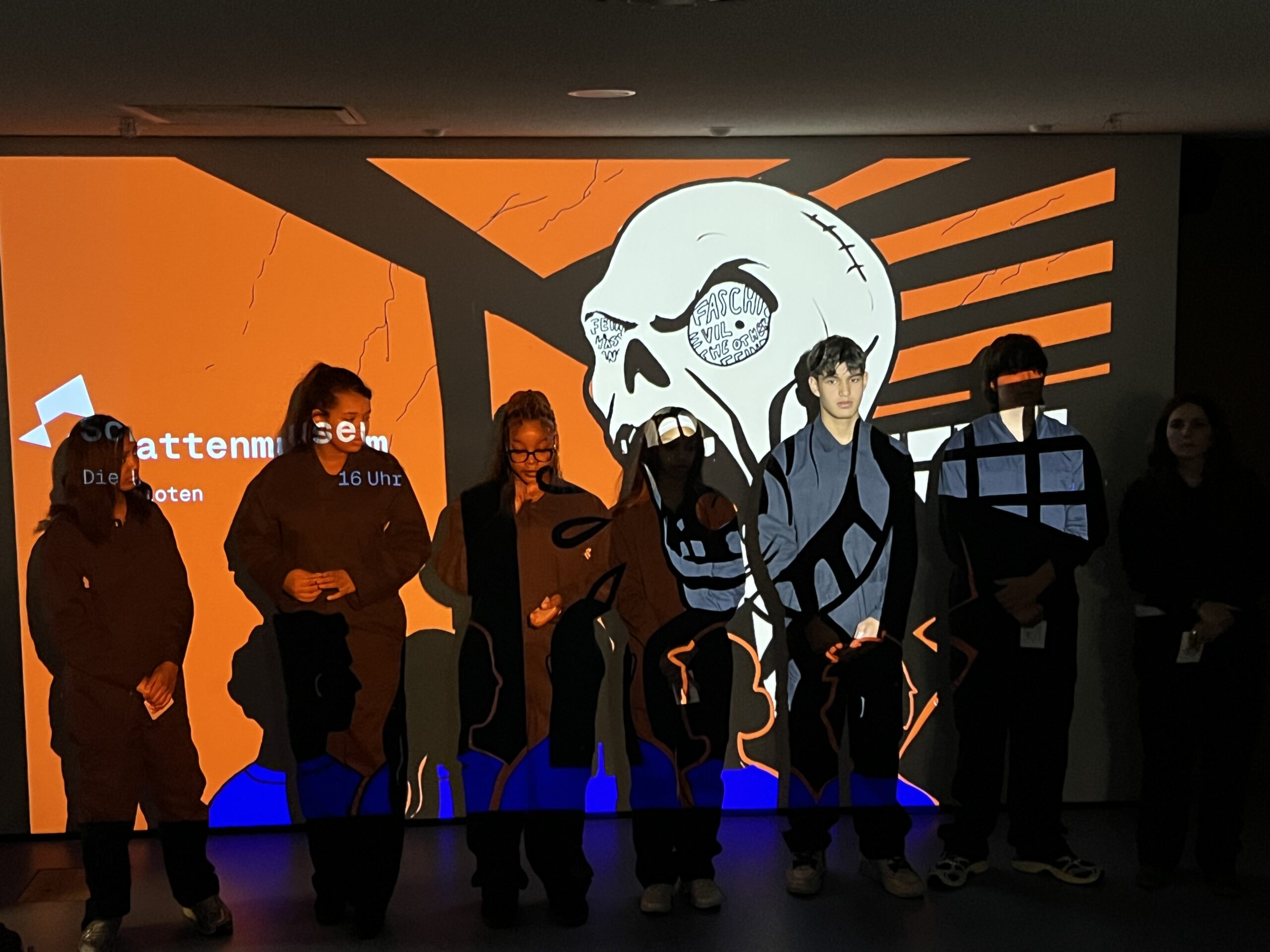
Some figures from the past refuse to stay buried. They resurface in the present, sometimes quietly, sometimes celebrated, unsettling the belief that history only moves forward. Who are these undead? Why do they regain influence, and how do they shape the world we inhabit?

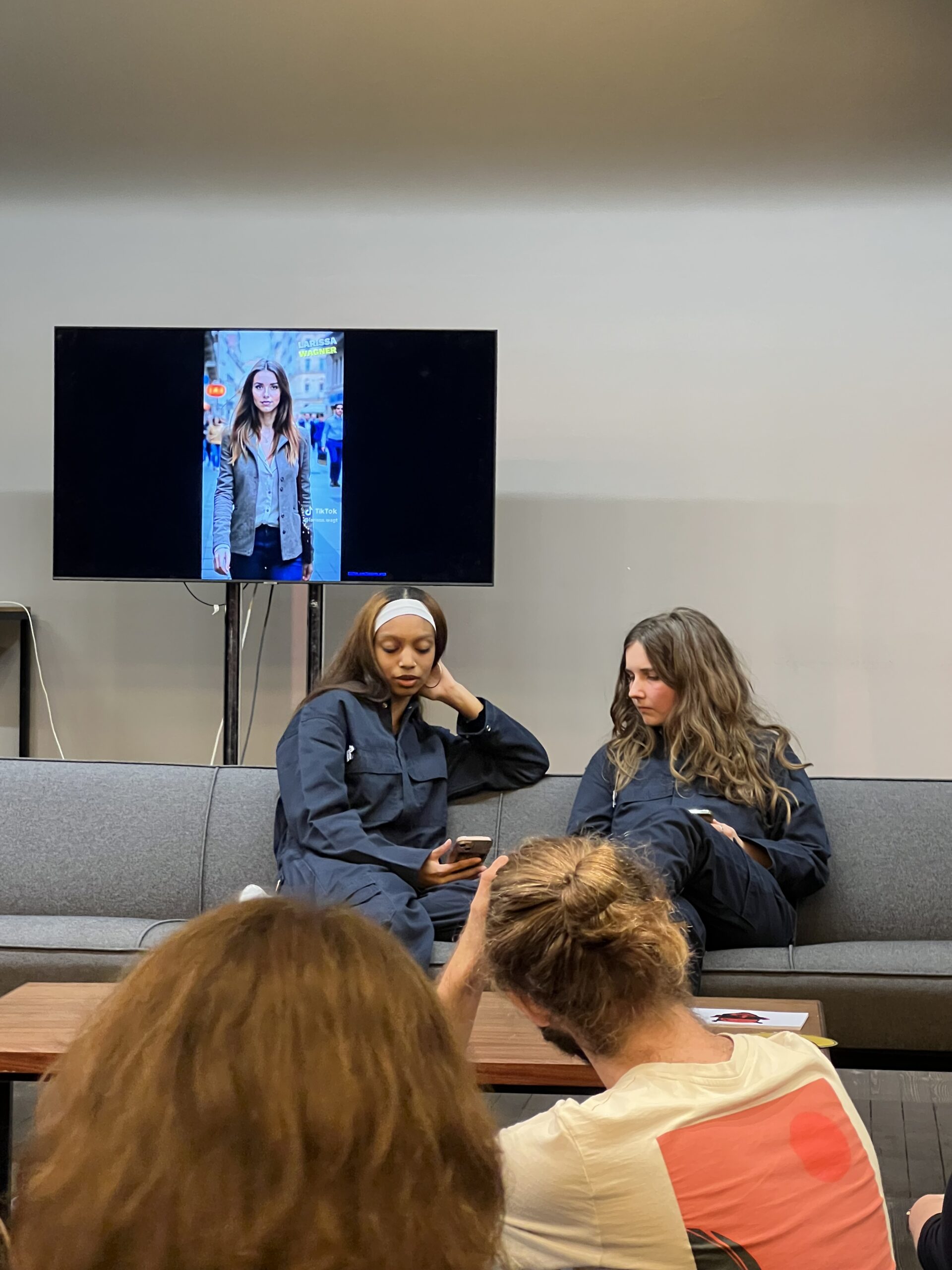
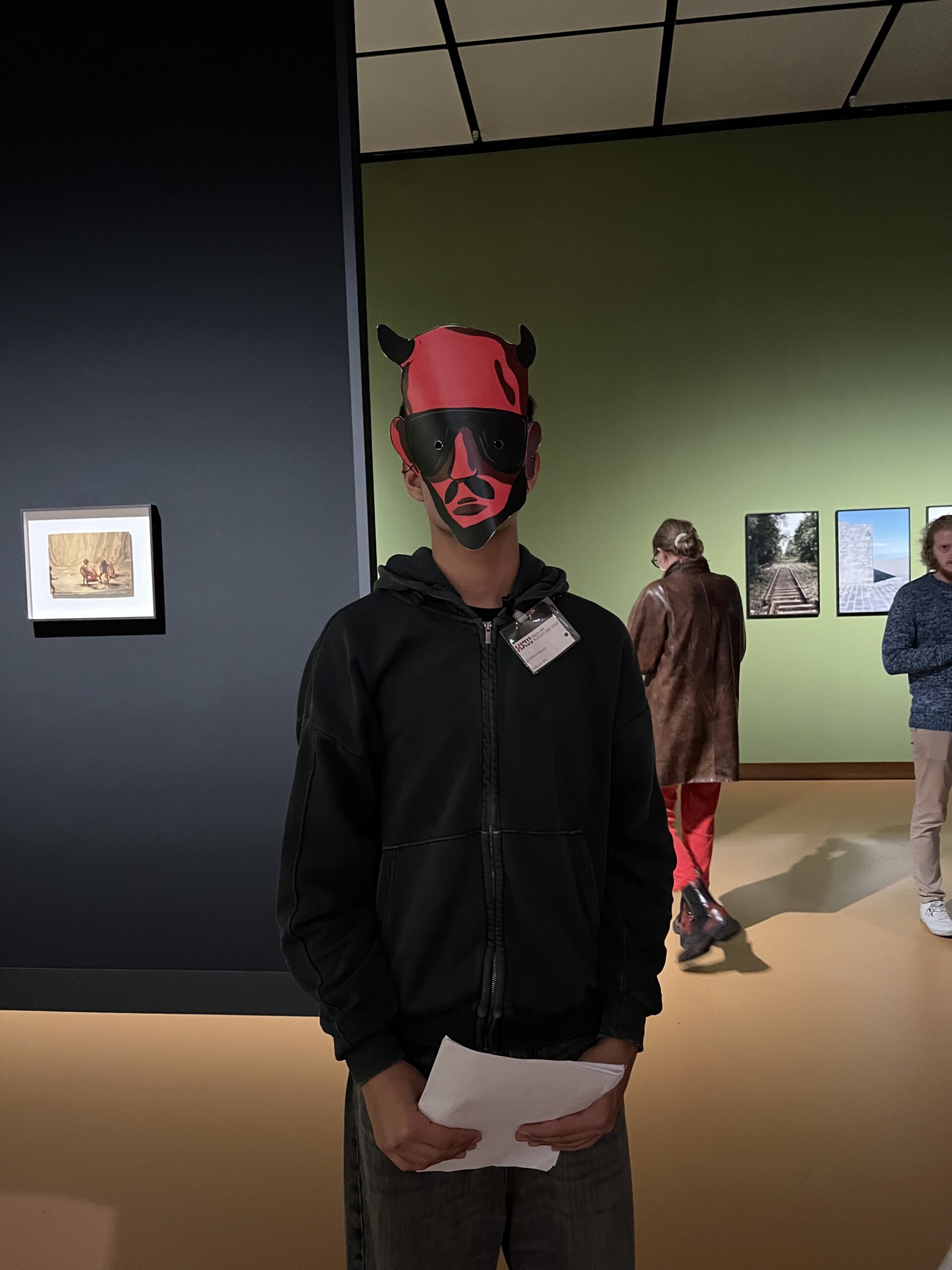
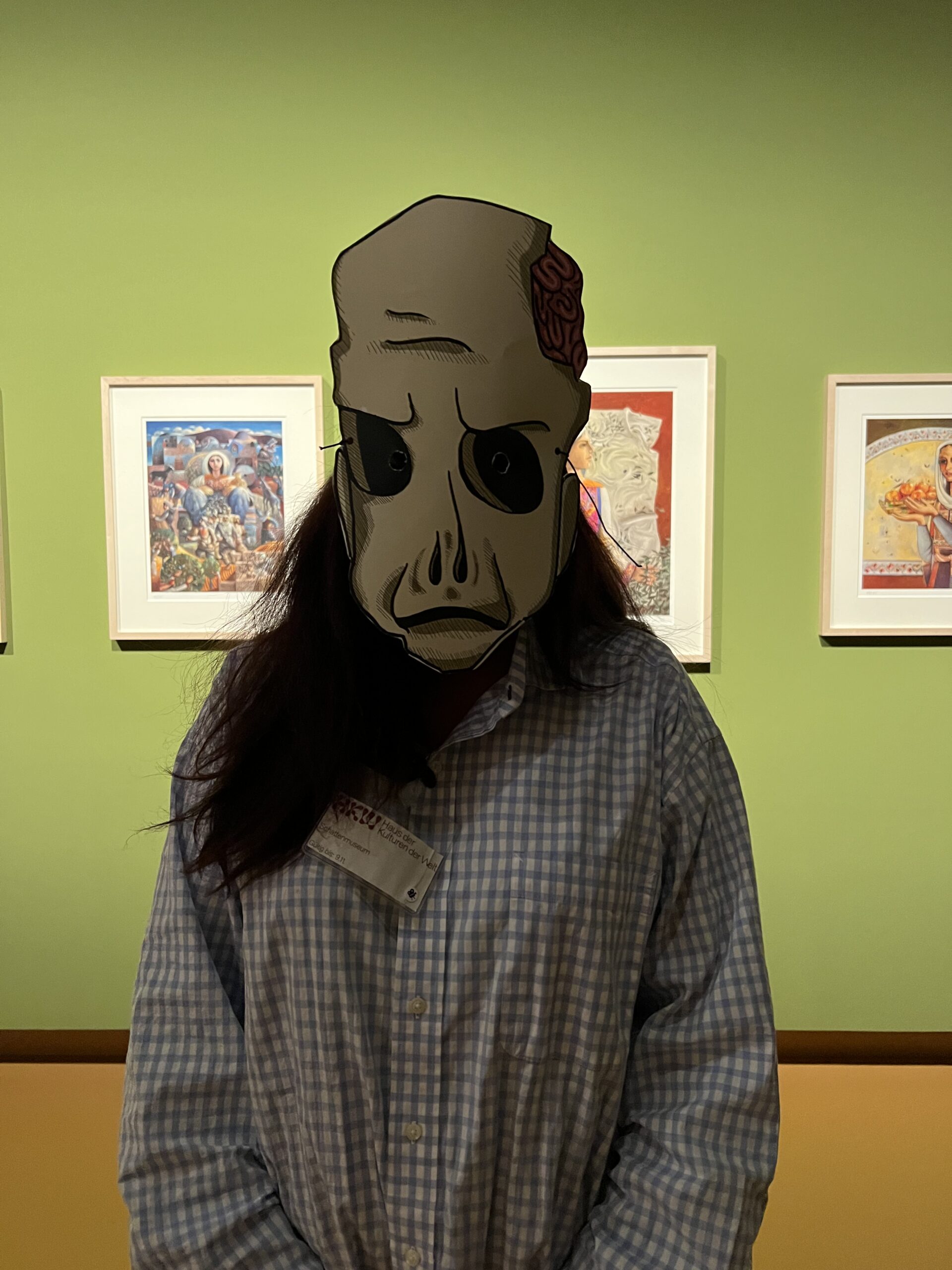
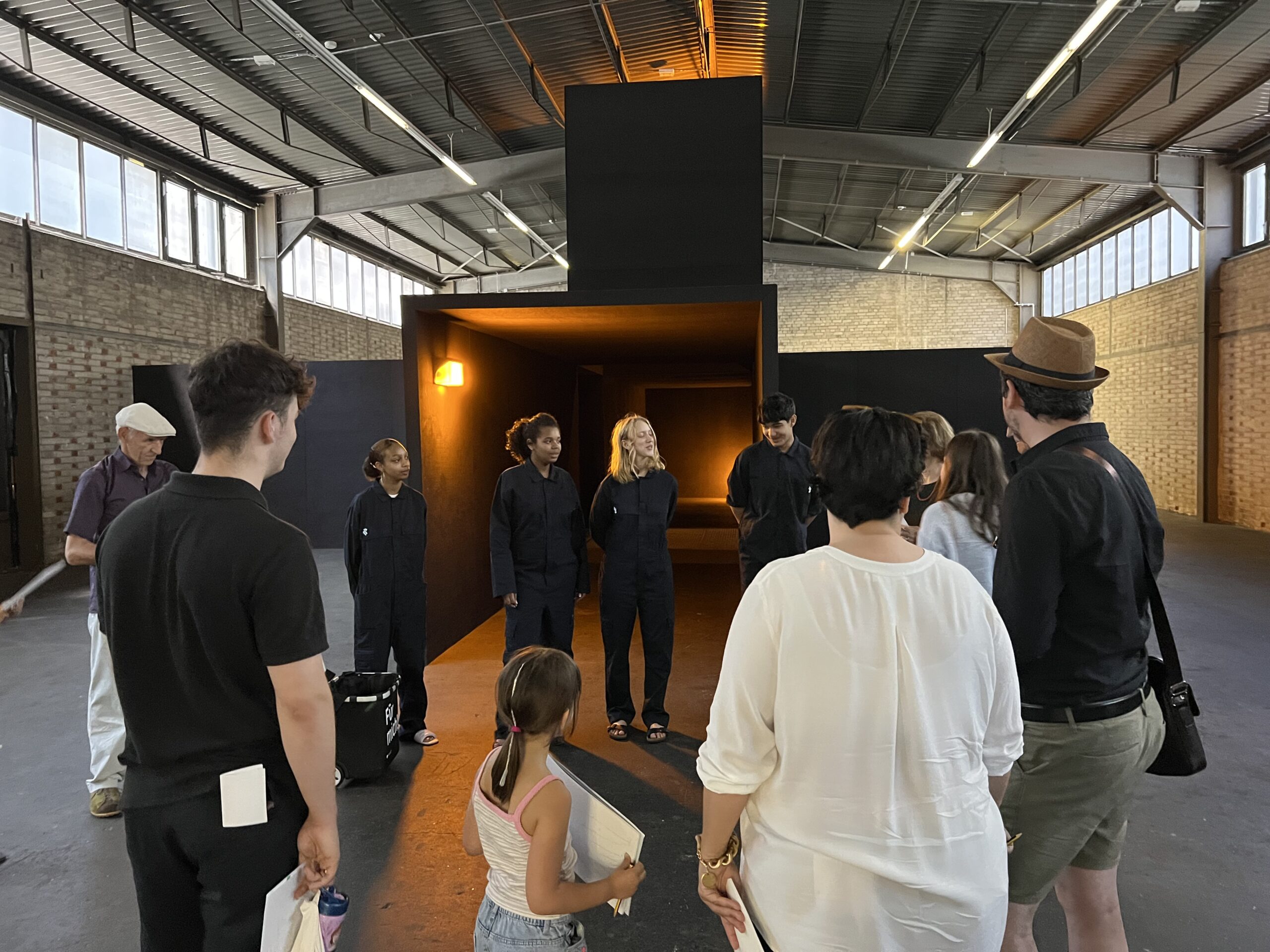
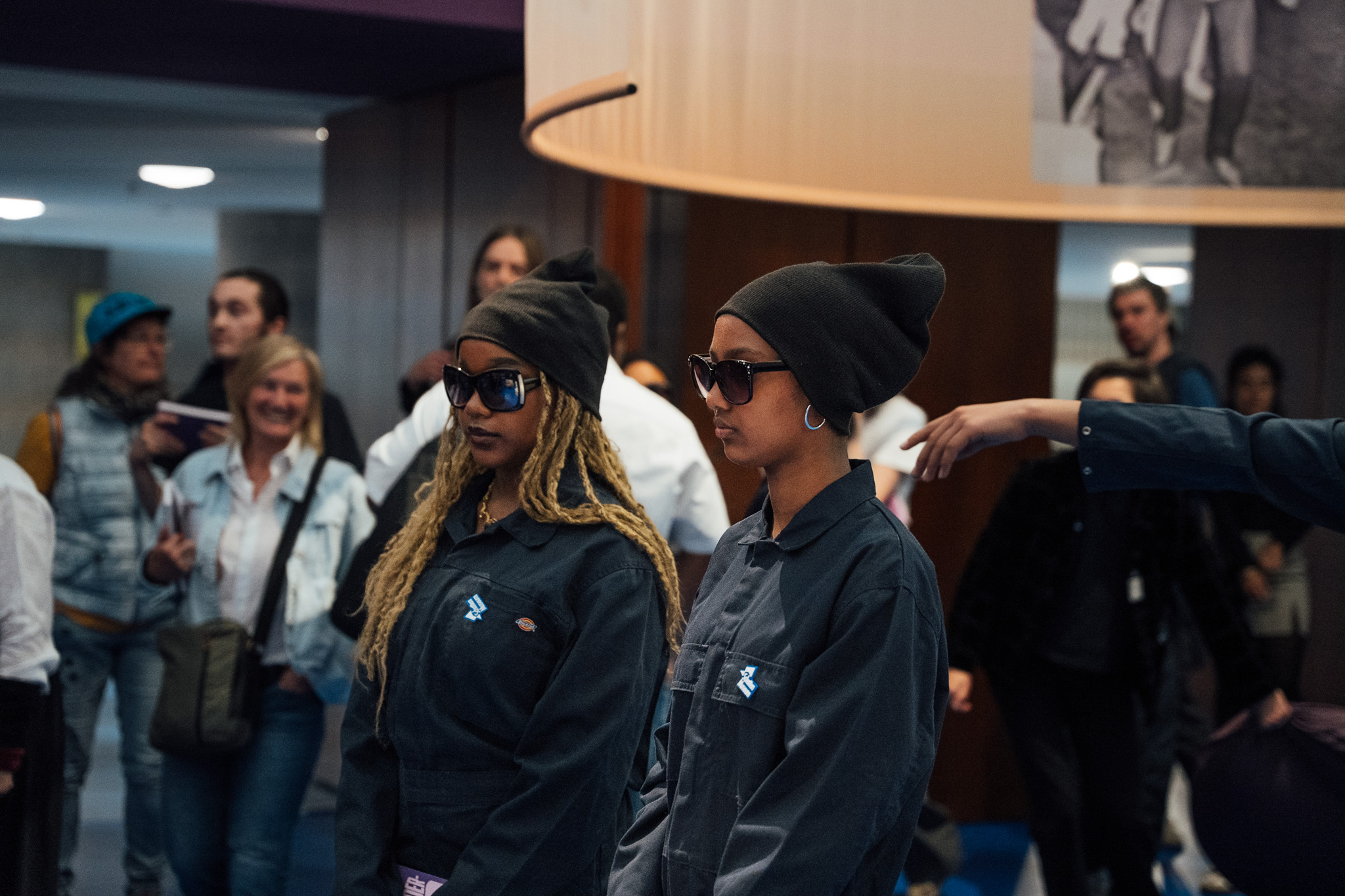
During the HKW-project Global Fascisms the Shadow Museum and its audience trace in this participatory performance the subtle and not-so-subtle signs of fascism returning to everyday life. Through dialogue, imagination, and attentive looking, the performance explores how fear spreads and how gestures of resistance can shift the atmosphere around us.

The project reflects how young people perceive these persistent shadows and searches for ways to keep them from defining our future.

Photos sideviews

Categories
Game Museum Shadow Museum Theatre Youth Committee Shadow Museum

Hamburger Bahnhof – Let’s Play, Move, Communicate!

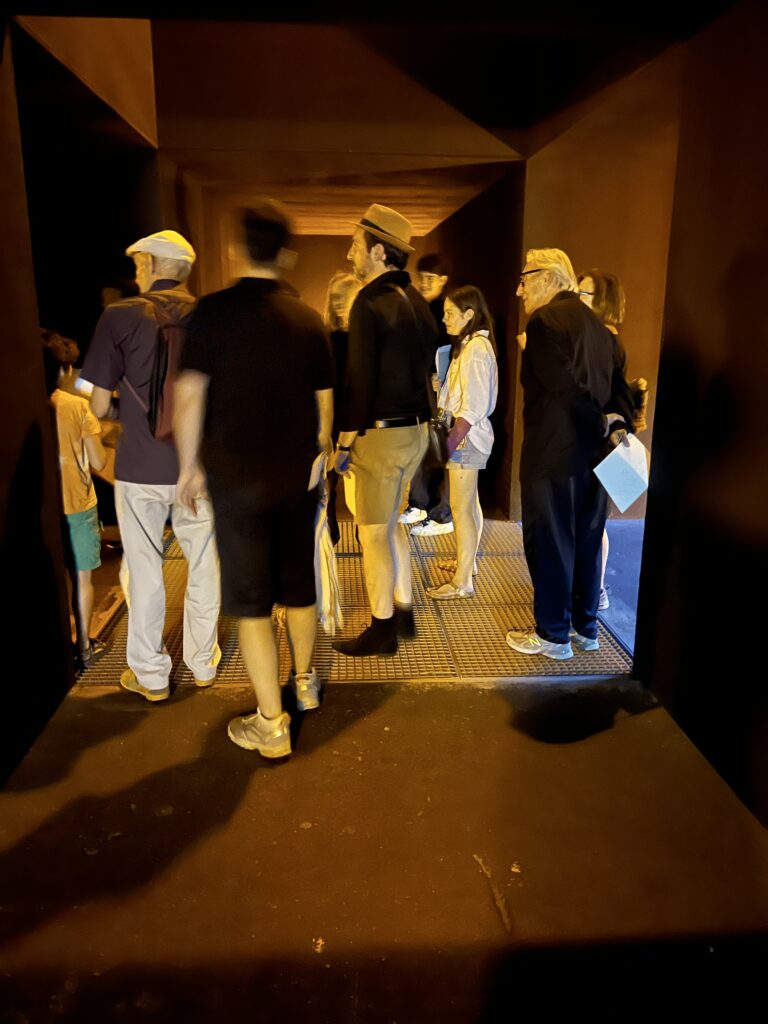
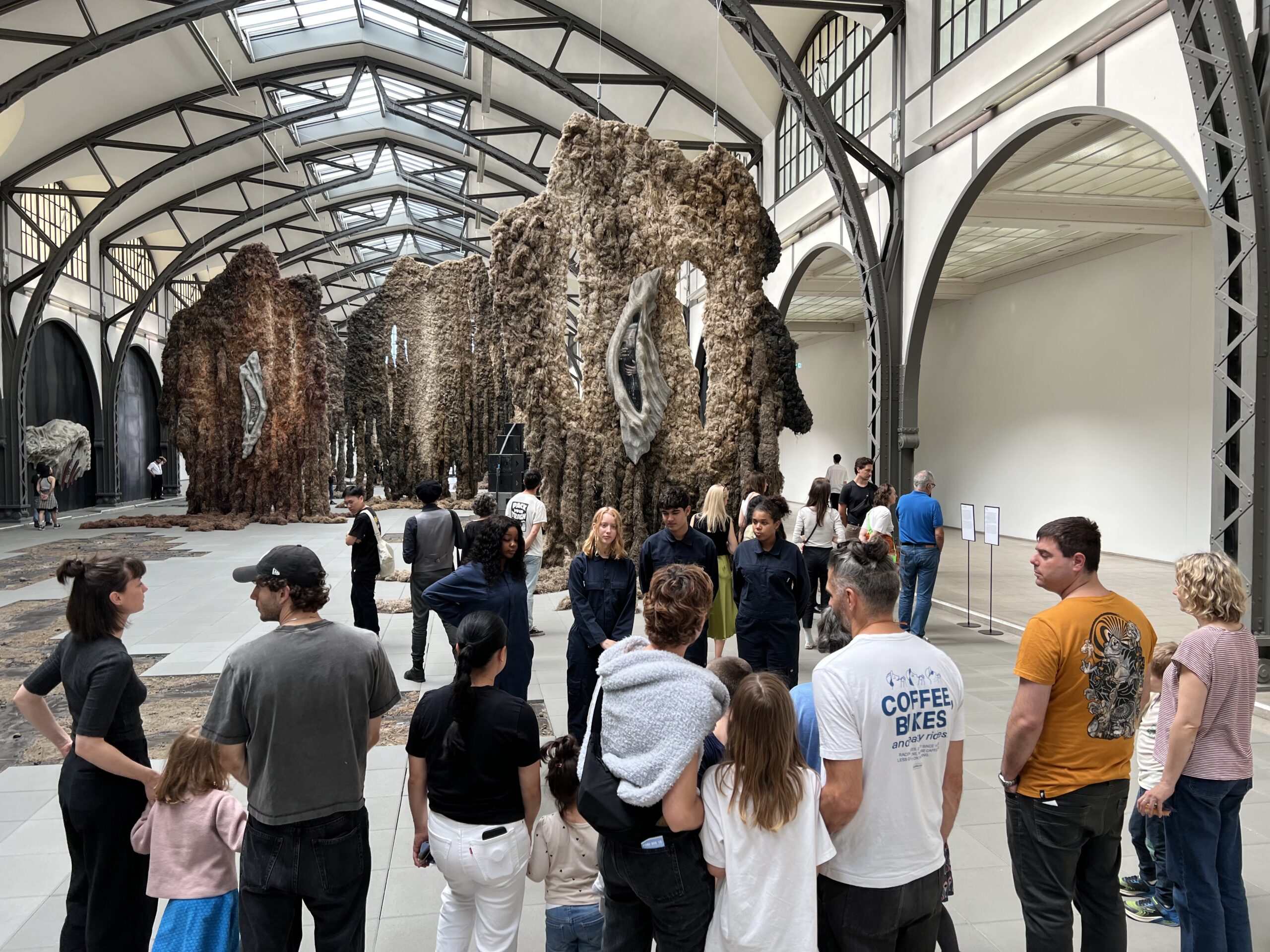
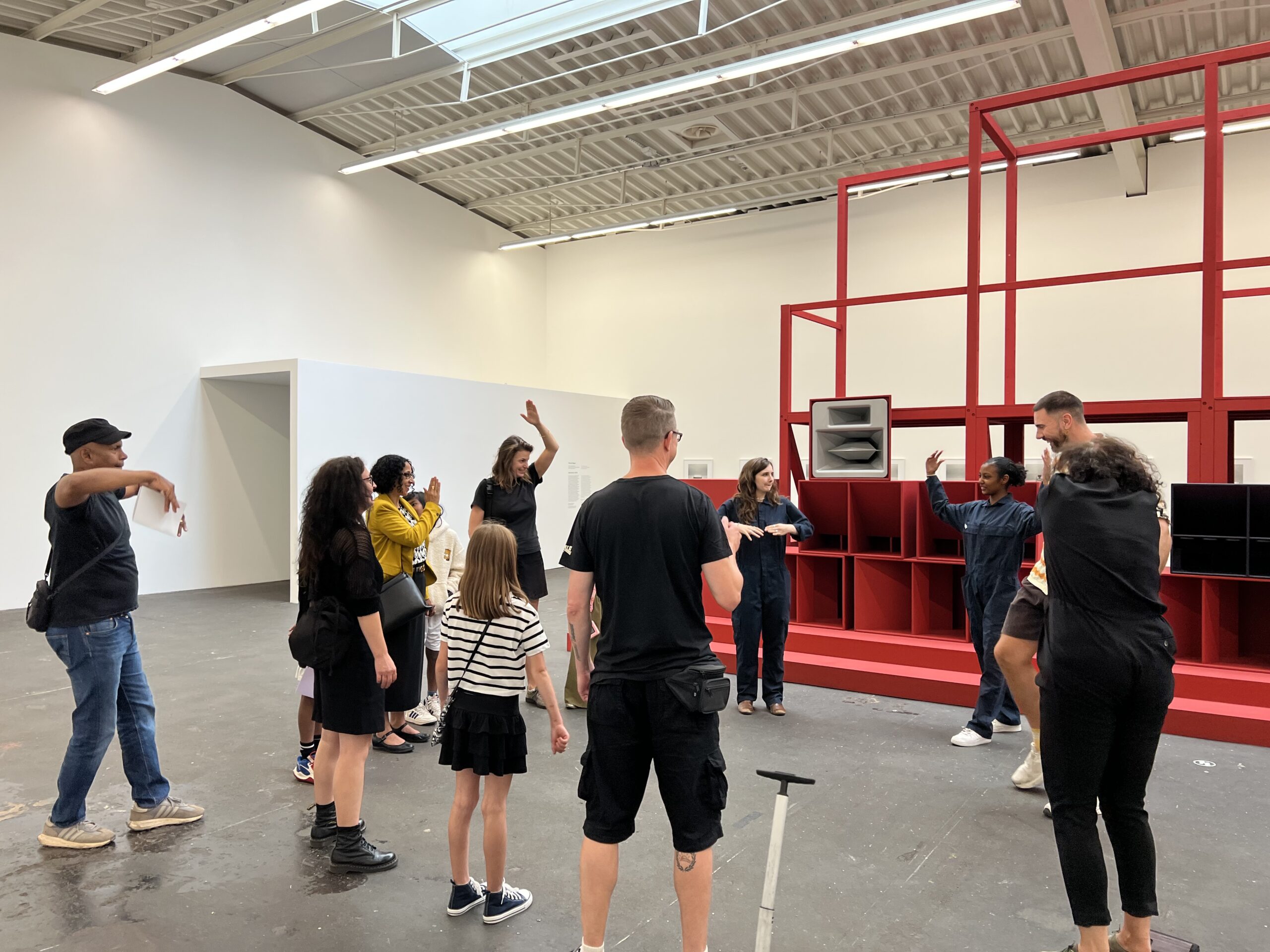
What does a museum allow? How can we move, sound, and think together inside a space that often expects us to observe quietly? For Hamburger Bahnhof, the Shadow Museum developed a series of collective experiments that stretch the boundaries of exhibition experience. Playing, building images, and telling stories become ways to question familiar conventions.

These interactive tours explore how public space shifts when visitors claim agency and curiosity leads the way. Art becomes a shared field of exploration where new relationships can emerge between people, objects, and the institution that hosts them.

A project by the Shadow Museum with sideviews.

Categories
Museum Game Theatre

GOAL 17 – GET TOGETHER NOW!

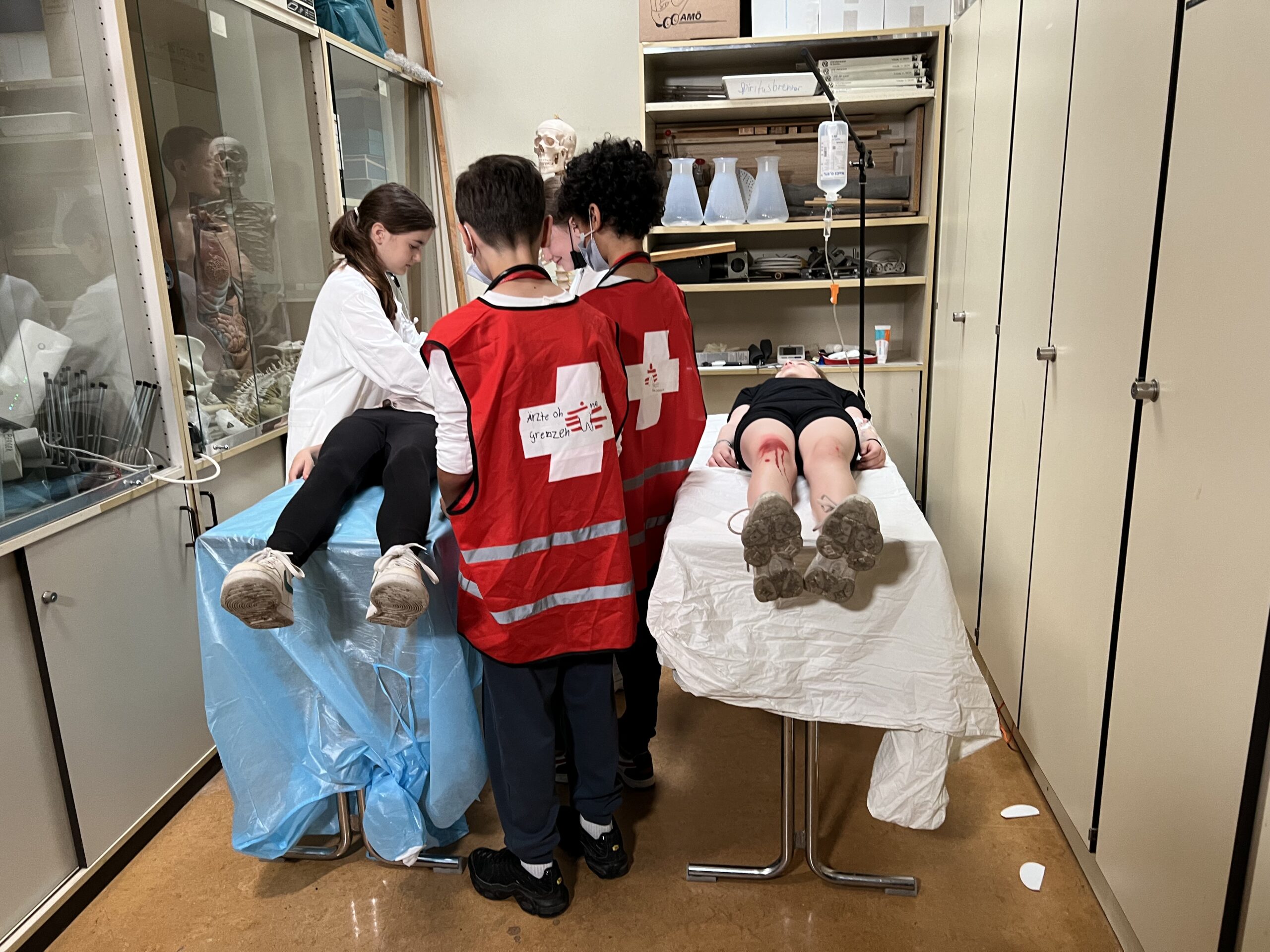
GOAL 17 – GET TOGETHER NOW! is a film project about the implications and opportunities of the 17 Global Sustainable Development Goals (SDGs) regarding the prospects for youth participation. The goals are recounted on film in 17 segments, each by a different class from Nürtingen Primary School, Rosa-Parks Primary School and Fichtelgebirge Primary School in Kreuzberg, Berlin. 

GOAL 17 – Trailer

All film episodes were researched, artistically developed and realised by the children involved as a contribution to their sustainability goal.

During the previous project  GOAL 17 – Children make the world!  in collaboration with Nürtingen Primary School in 2022, the children already came up with the idea of communicating the goals to other children and educators in order to envision and propagate a future world community. The children looked at questions such as: How can as many people as possible engage with the 17 Sustainable Development Goals? Why can’t we have a say, even though it is our future at stake? How can we reach a large audience? How can we make the adults, who decide our future and the health of the planet, take us seriously? 

And so came about the idea of a collective film project on the 17 Sustainable Development Goals. The films can function as learning material – both within and beyond the participating three schools.  

The children and teachers also created a material box as accompanying learning material to broadcast the films and the subject matter of the 17 SDGs to children and adults (The box can be downloaded at the end of this page). 

In addition, a peer-to-peer program was developed with seven classes for their respective films, enabling them to be invited into other classes to independently convey their message—including at other schools.

The 17 episodes can be watched here: 

Goal 1: No Poverty – NÜRTINGEN 23
Goal 2: Zero Hunger – WHO GETS FILTHY RICH?
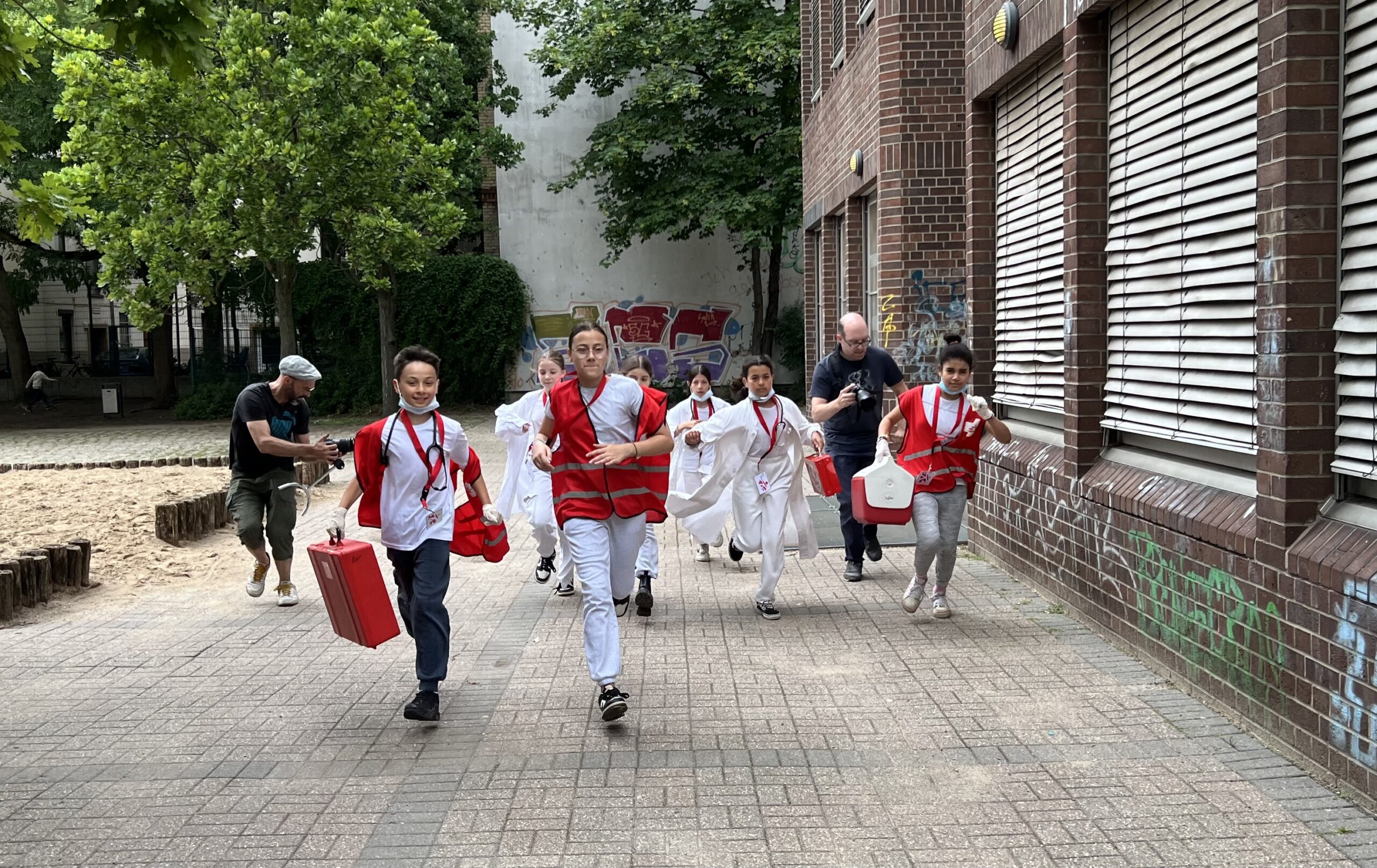
Goal 3: Good Health – HEALTH WITHOUT BORDERS
Goal 4: Quality Education – LEARNING?
Goal 5: Gender Equality – DRAWERS
Goal 6: Water and Sanitation – WATER
Goal 7: Affordable and clean energy – LIGHTS ON!
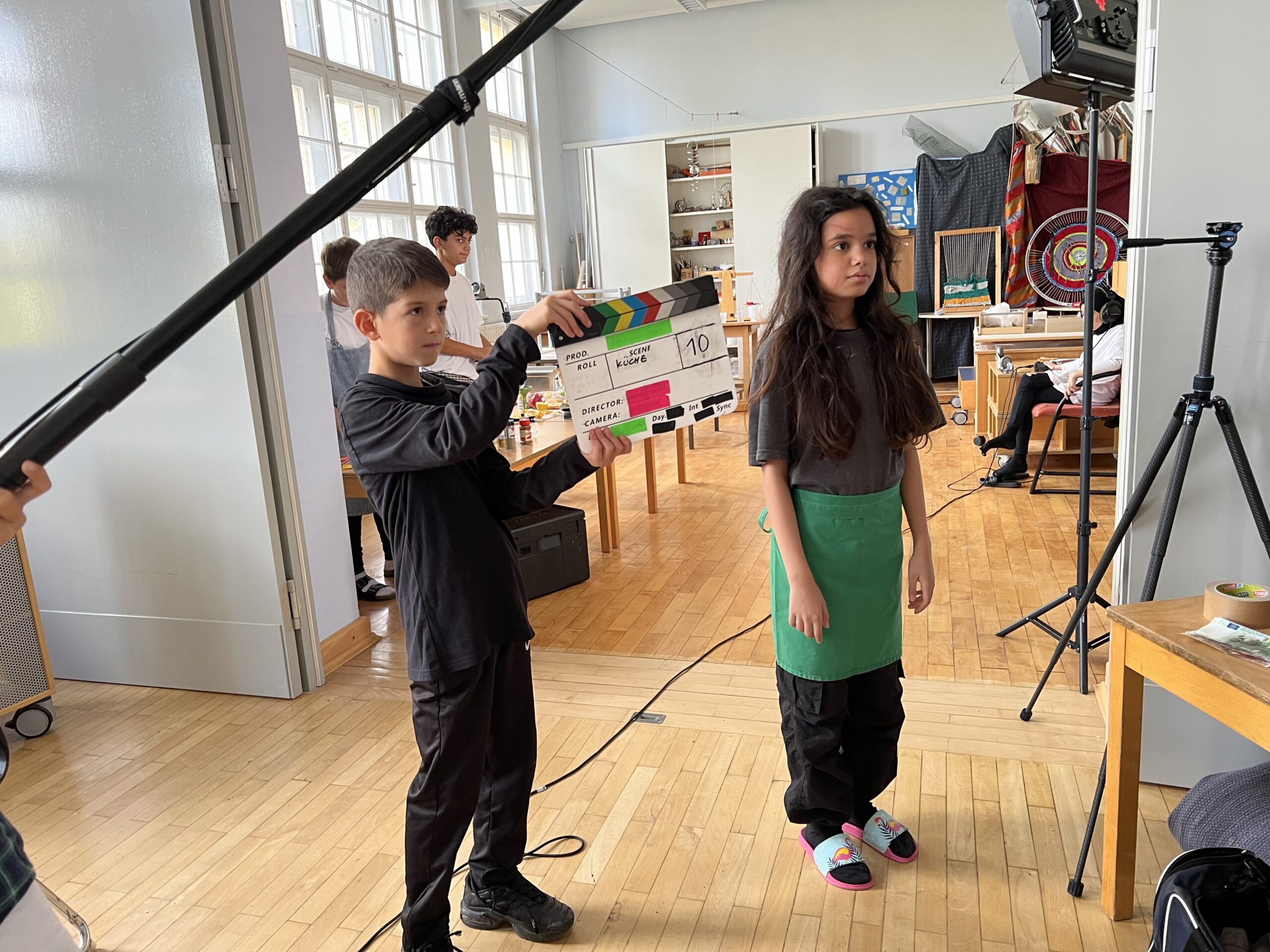
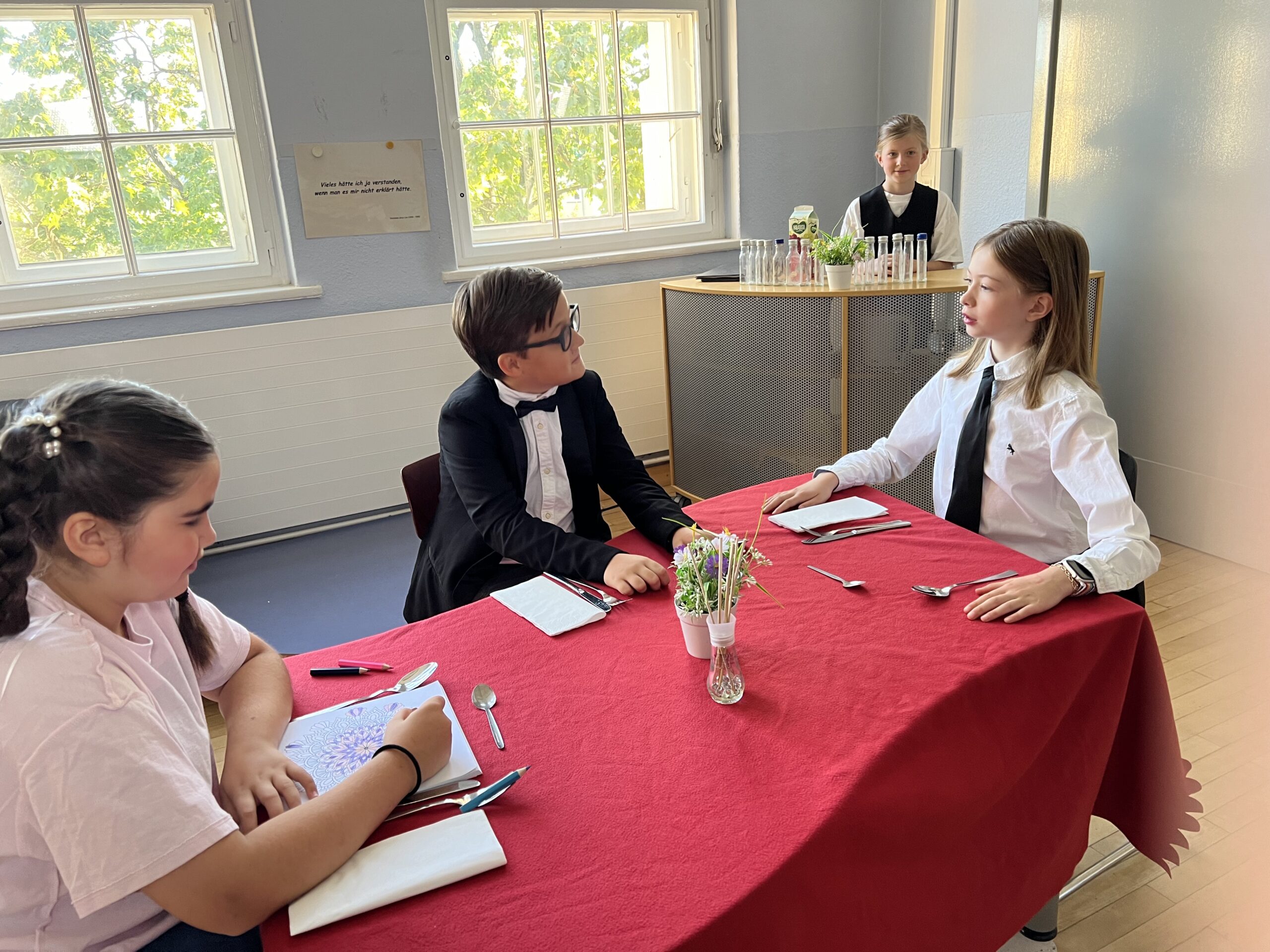
Goals 8: Decent work and economic growth – THE RESTAURANT
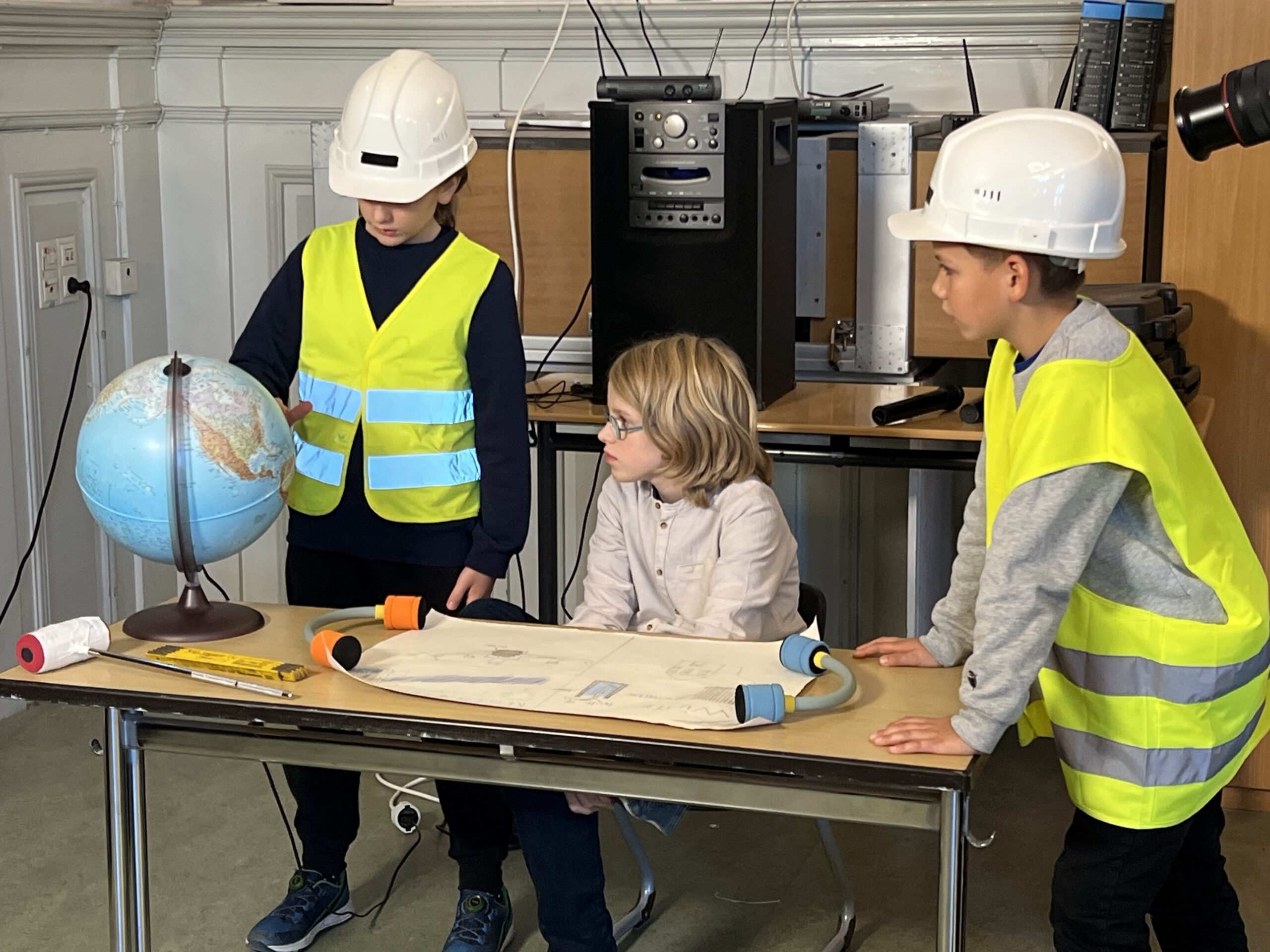
Goal 9: Industry, Innovation, Infrastructure – FUTURE TEAM
Goal 10: Reduced Inequalities – EMPATHY
Goal 11: Sustainable Cities and Communities – INVESTMENT
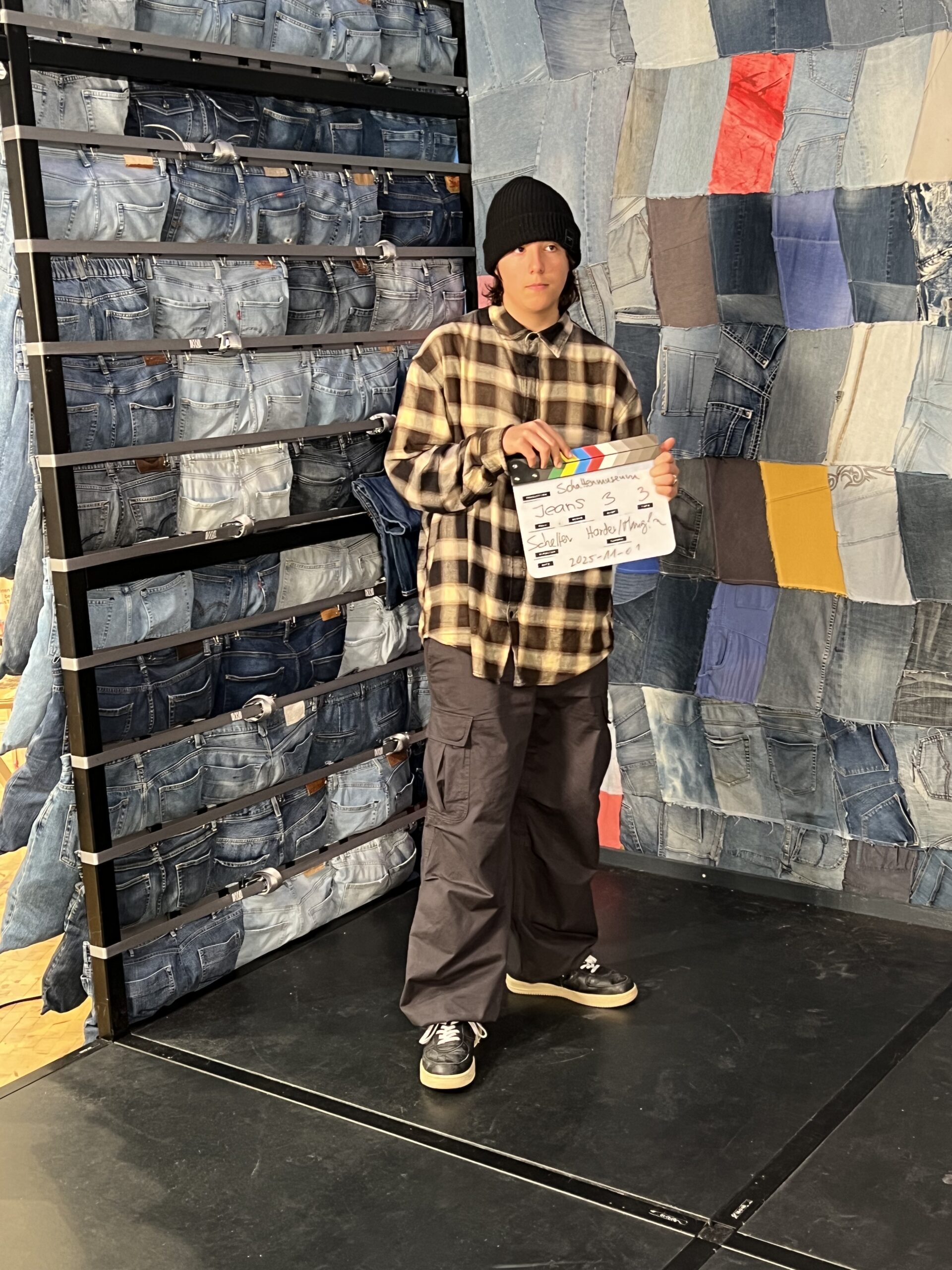
Goal 12: Responsible Consumption and Production: JEANS
Goal 13: Climate Action – OUR FUTURE!
Goal 14: Life under Water – BEFORE AFTER
GOAL 15: Life on Land – WAM – KNOWLEDGE IN THE MORNING
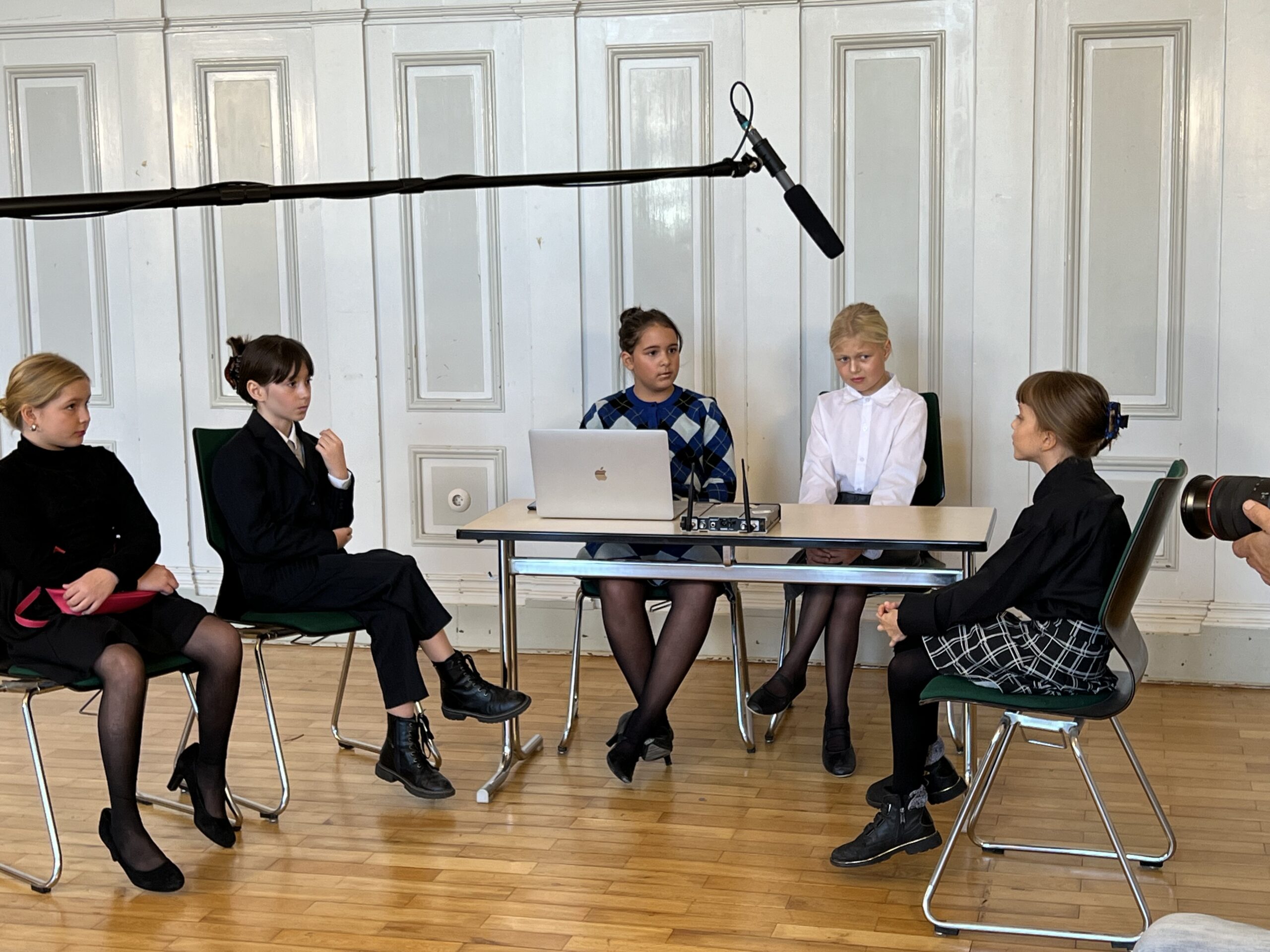
Goal 16: Peace, justice and strong institutions – COURT
Goal 17: Partnerships to reach the Goals – GET TOGETHER NOW!

The additional card set was developed together with the participating children and teachers and can be used as supplementary learning material by teachers but also children to further convey the films and the content of the 17 SDGs to both children and adults. On request, we also offer introductory training courses for teachers, school classes and other interested parties.

This educational material takes into account the quality criteria for digital ESD materials in accordance with the resolution of the National ESD Platform of December 9, 2022. Source: BNE-Portal

Graphics: Elis Nägele

The project was supported by: 
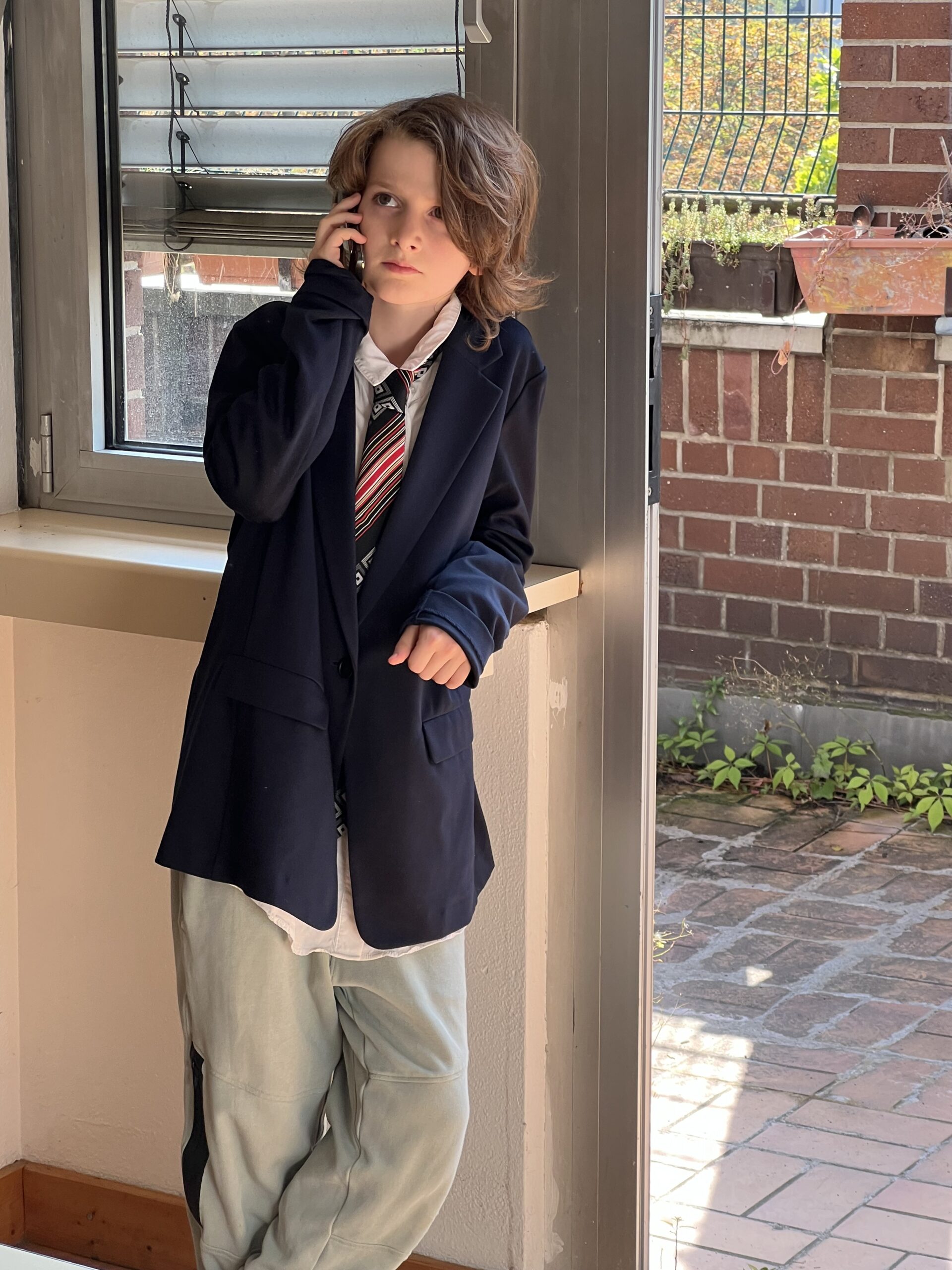
Categories
Game Museum Shadow Museum Theatre

How can the Fly eat the Elephant?

9qm of Knowledge from Society

Having been invited to participate in the program for the exhibition What is enlightenment? Questions for the eighteenth century organized by the Deutsches Historisches Museum (German Historical Museum), Berlin, the Schattenmuseum  (Shadow Museum) has adopted a distinctive approach to the subject. It views the cultural moment of the Aufklärung as an ongoing project rather than a closed historical chapter. For the Shadow Museum, this „Aufklärung in progress“ entails maintaining a critical perspective on culture and society while rejecting all forms of dogmatism.

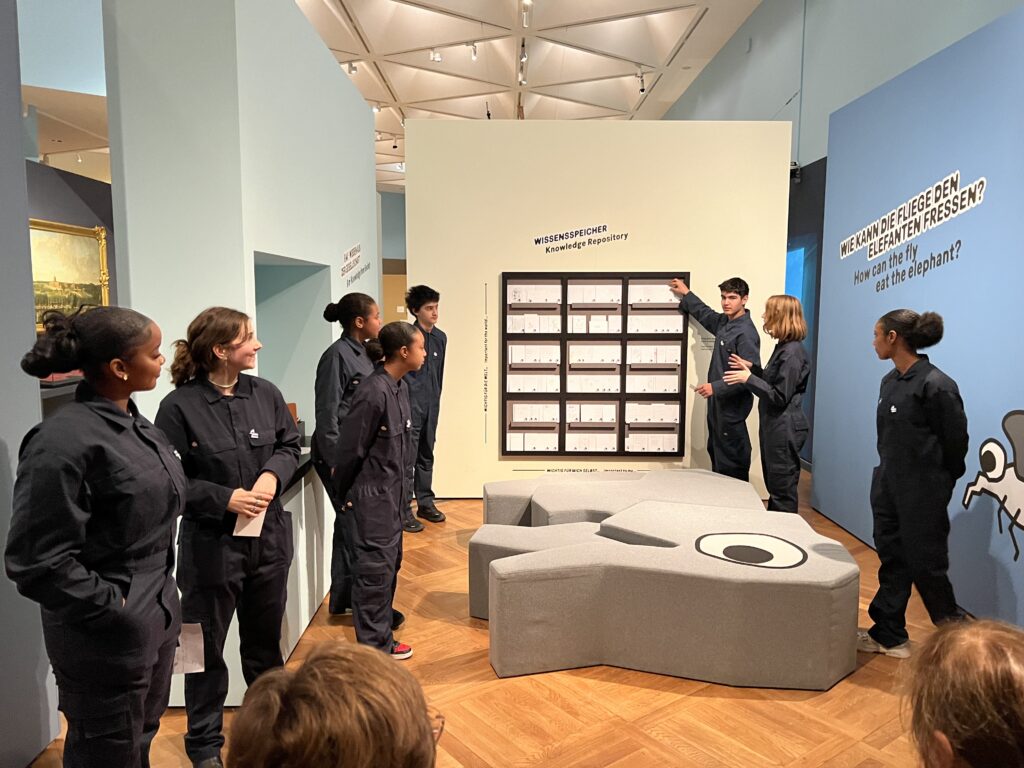
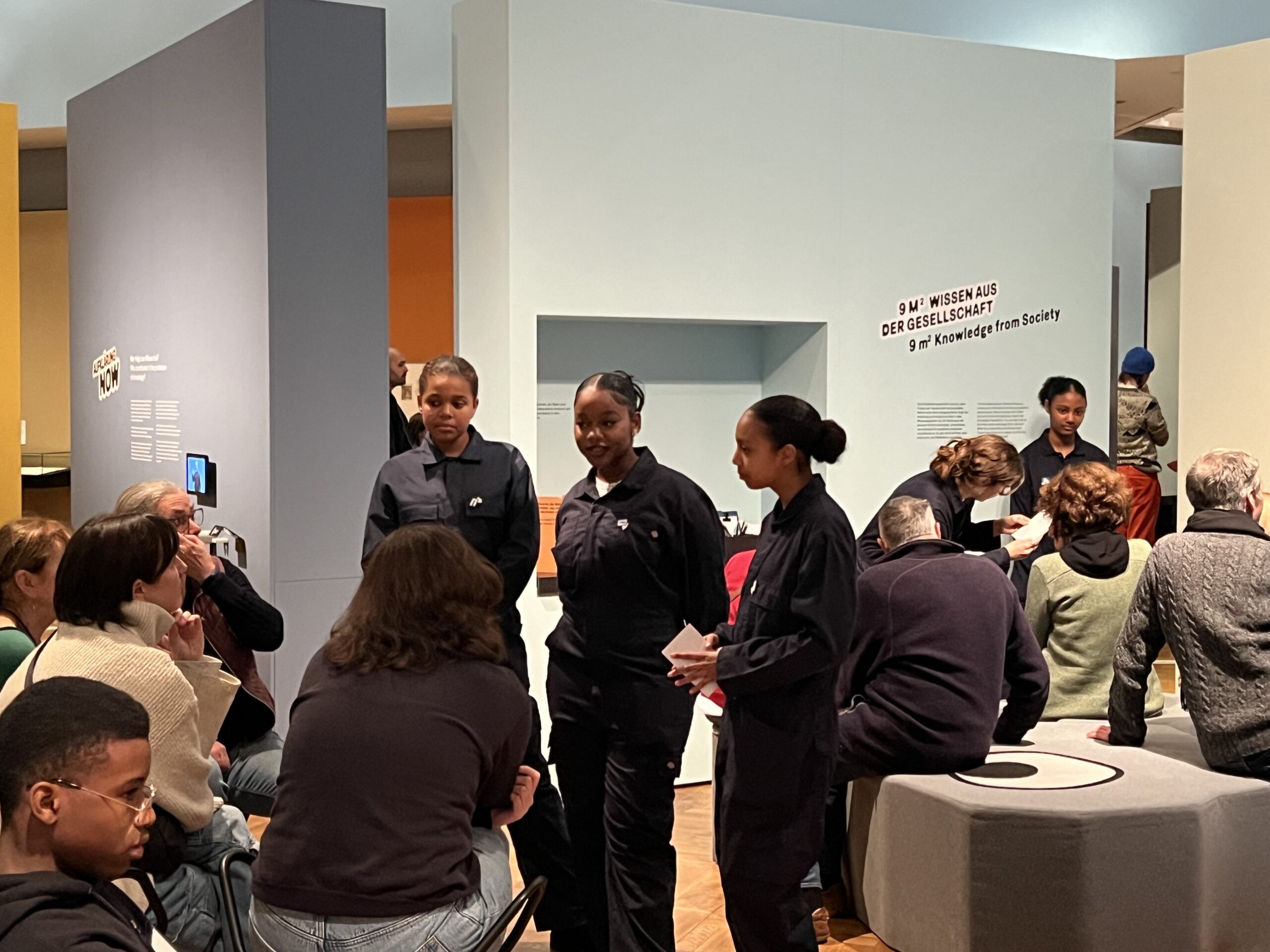
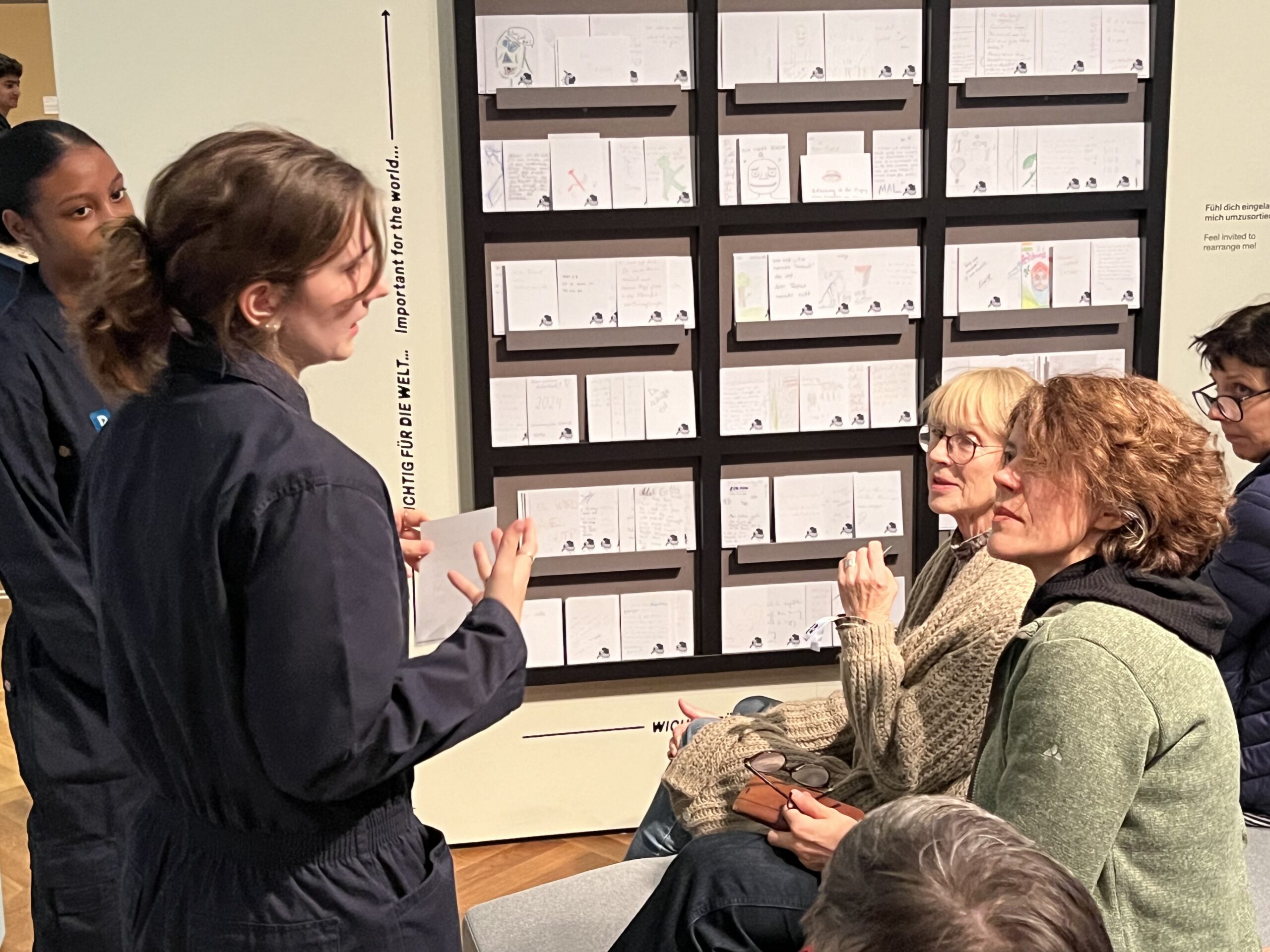
As part of its contribution, the Schattenmuseum (Shadow Museum) created a space within the exhibition titled 9qm of Knowledge from Society. This space featured a “knowledge repository” inviting visitors to answer a series of questions, with their responses displayed for others to read and reflect upon. The questions and the space addressed topics such as governance, social justice, and the role of the museum as a platform for open debate.

Central to the display were the images of a fly and an elephant, symbolizing a constant dynamic of power. Visitors were challenged to consider a possibility: Wie kann die Fliege den Elefanten fressen? (How can the fly eat the elephant?).

The Shadow Museum also offers interactive performances to activate the space and invite visitors to enter into dialogue with each other, moderated by the Shadow Museum.

Categories
Game Museum Theatre

BREAKING POINTS.Fragments

Could you be the protagonist of your history?

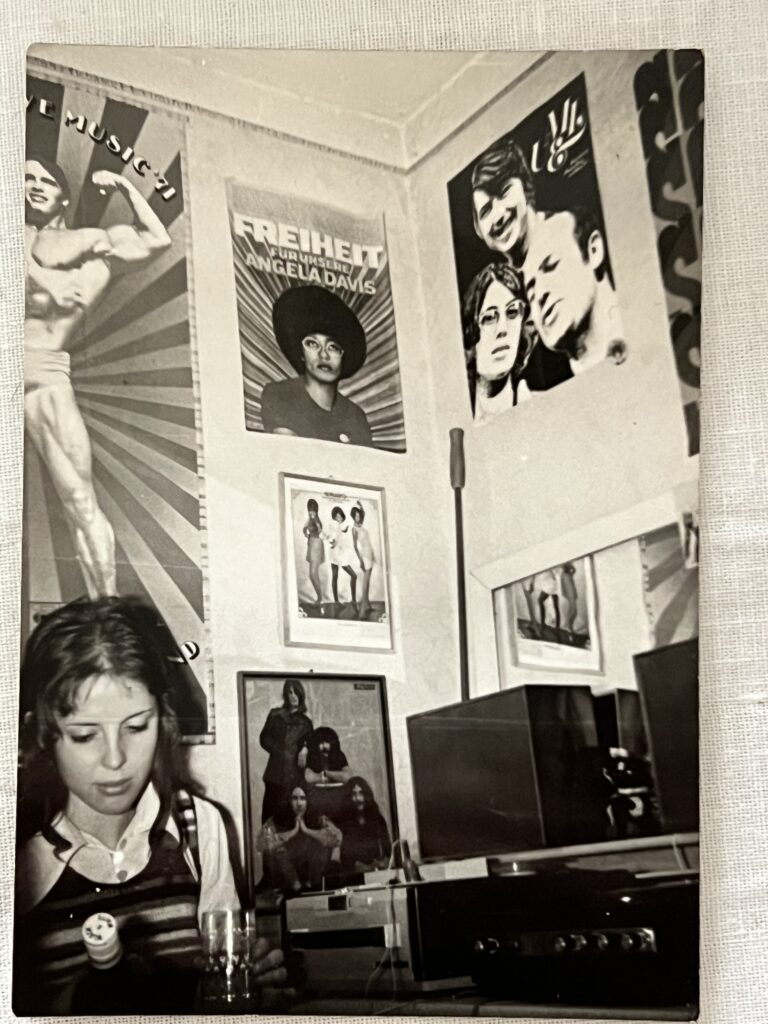
The GDR, as a chapter of German history, has been swimming in a variety of documented facts for more than three decades, but it has also been drowned in different versions of what happened: historians, professors, politicians and other specialists, each speaking from their field of knowledge about this delicate subject, have offered their perspectives. However, this necessary process has often been surrounded by a set of fair and unfair judgments about the Berlin Wall and what happened related to this during those years. 

But the „West“, as it’s clear, could also be assessed concerning these same issues. In the background of this dynamic the question arises: Who is narrating on behalf of whom exactly?

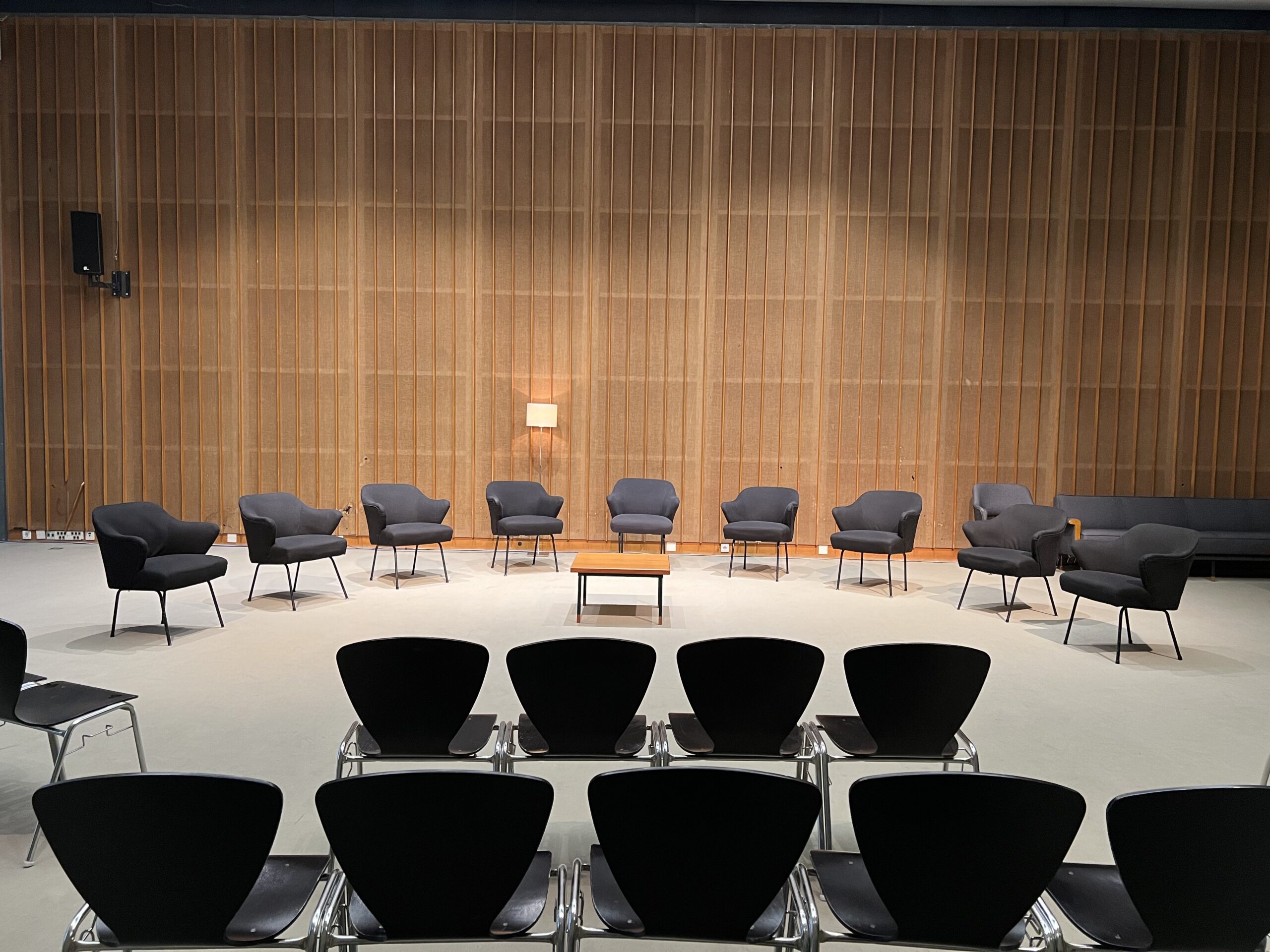
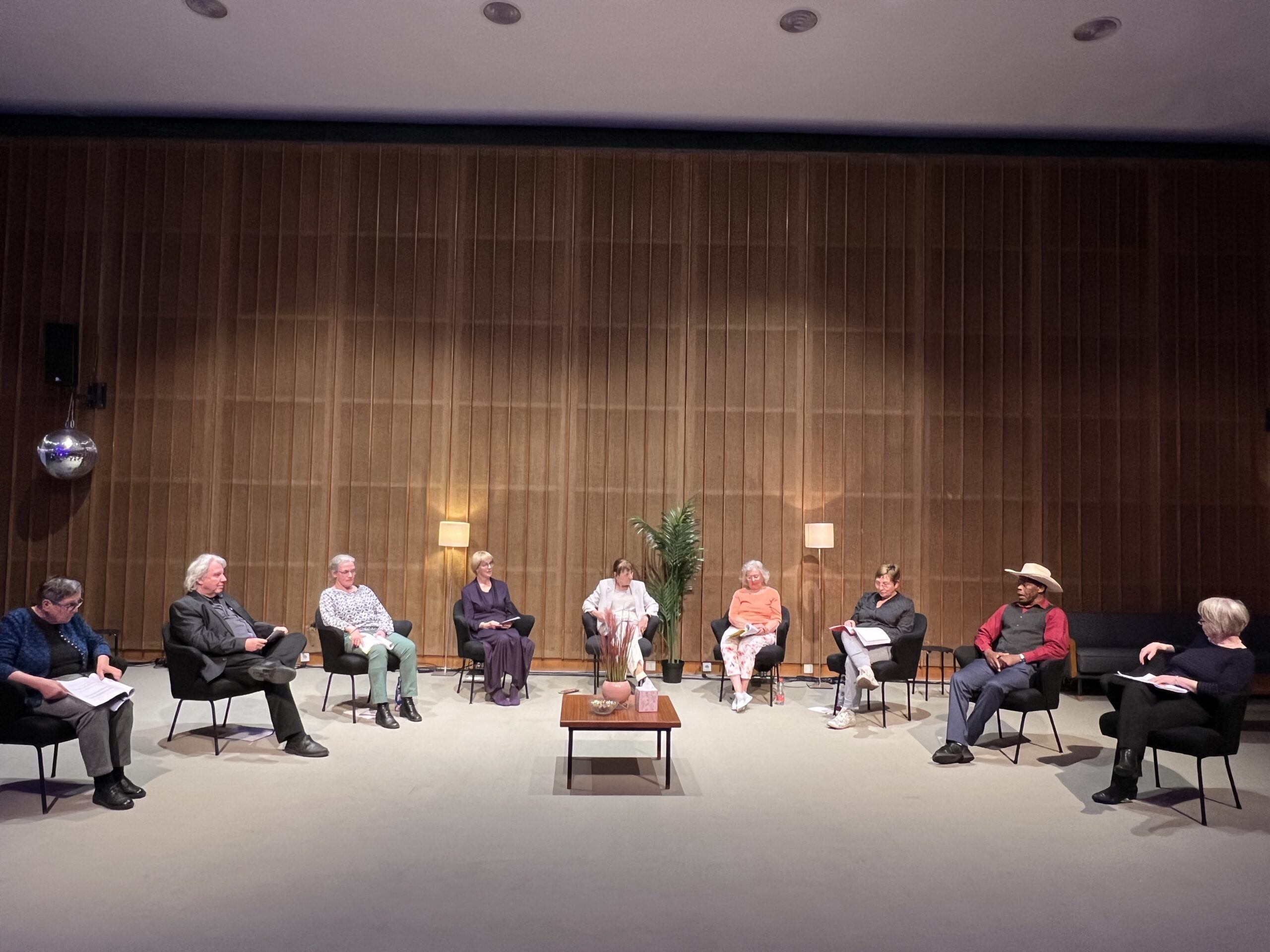
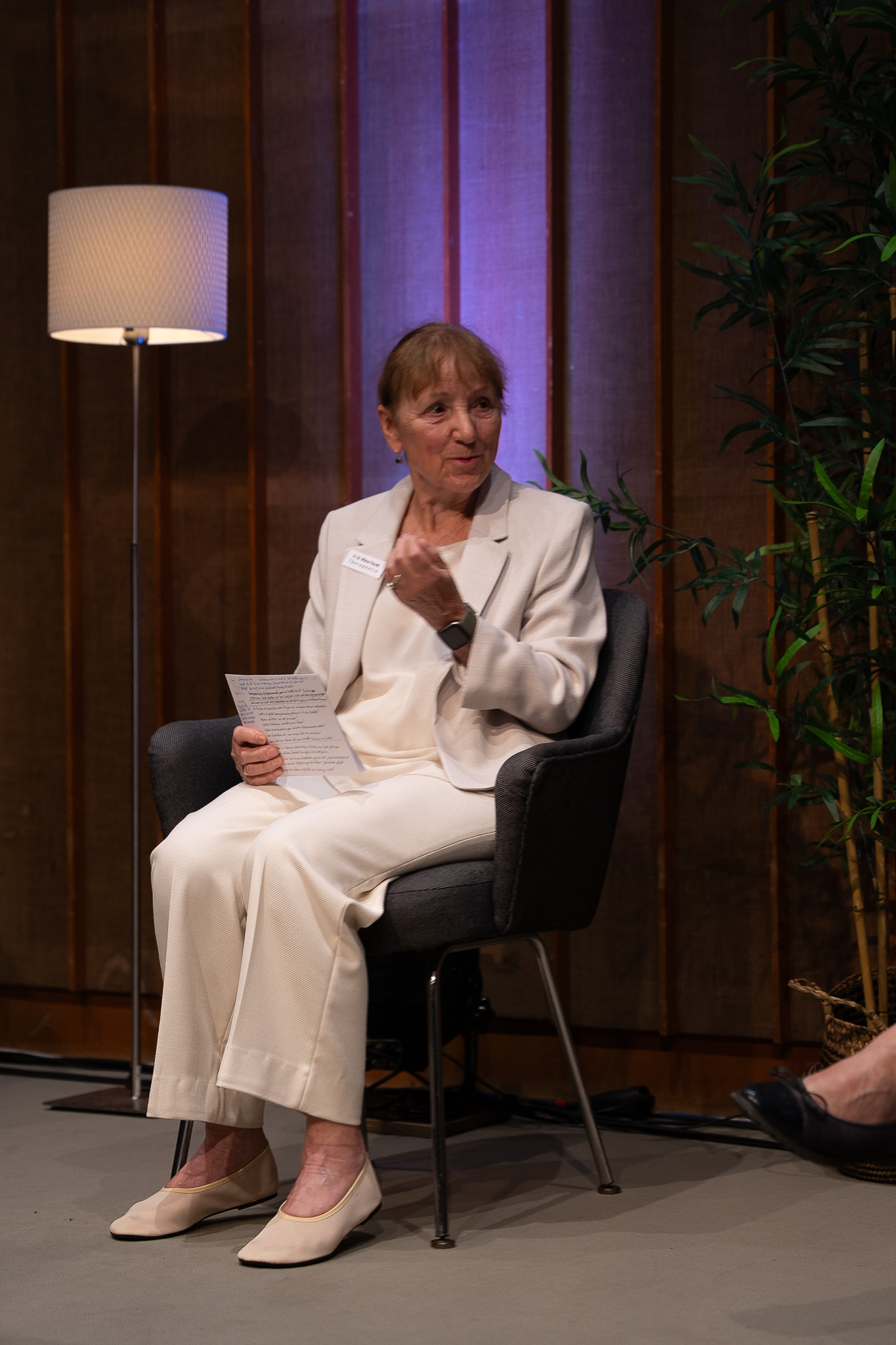
The project BREAKING POINTS.Fragments was developed by sideviews with contemporary witnesses from Marzahn-Hellersdorf in cooperation with HKW (House of the World Cultures). It addresses the historical issues raised by the exhibition project Echoes of the Brother Land in a process that attempts to listen to and give a voice to those who experienced the facts of divided Germany and their experiences of events in the “East” in relation to immigration, labour and racism in society. However, BREAKING POINTS.Fragments refuses any form of judgement to listen to the voices of those who experienced the facts. It gives power back to the protagonists in a theatrical-therapeutic gesture: what has been repressed inevitably returns.

Artistic director/director: Anja Scheffer

Films: Daniel Harder

Editing: Cornelis Harder

Costume design: Daria Kornysheva

Production Management: Anna Bartels, Anja Scheffer

By and with: Hannelore Eckert, Wilma Florath, Monika Kegel, Hans-Heino Luxa, Tomma Luxa, Kirsten Müller, Anja Paetsch, Christel Sickers, Uwe Sickers

Guests: Juana-Victoria Güneser, Mavinga P. Petrasch, Ibraimo Alberto, Romy Drieschner, Elona Sagor, Phanuel Nlend Nlend

Foto sideviews
Categories
Game Museum Shadow Museum Theatre Youth Committee Shadow Museum

CAELIUS JUVENILIS – Episode III: The Aliens Time Travel to the GDR and its “Brother Countries”

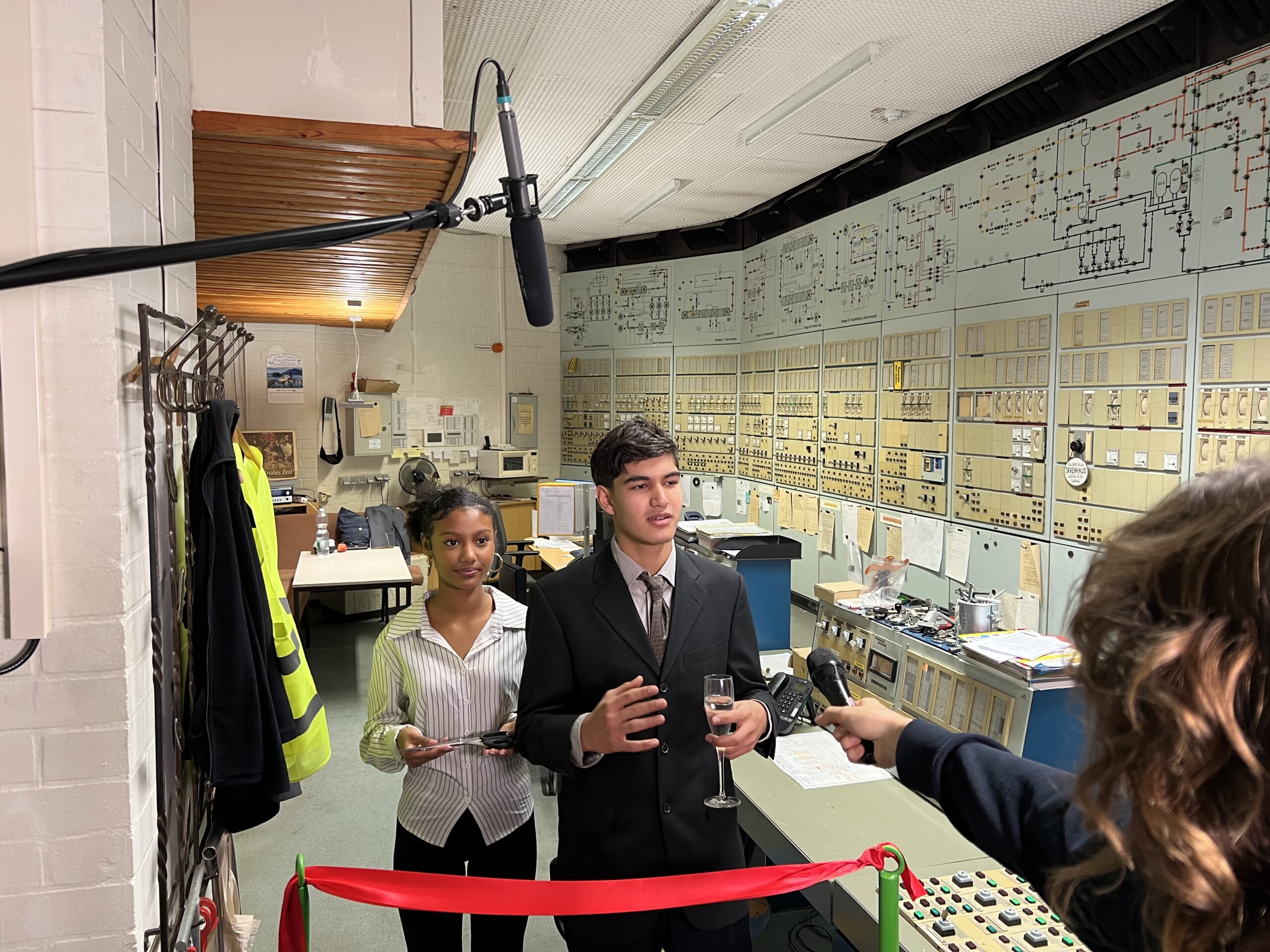
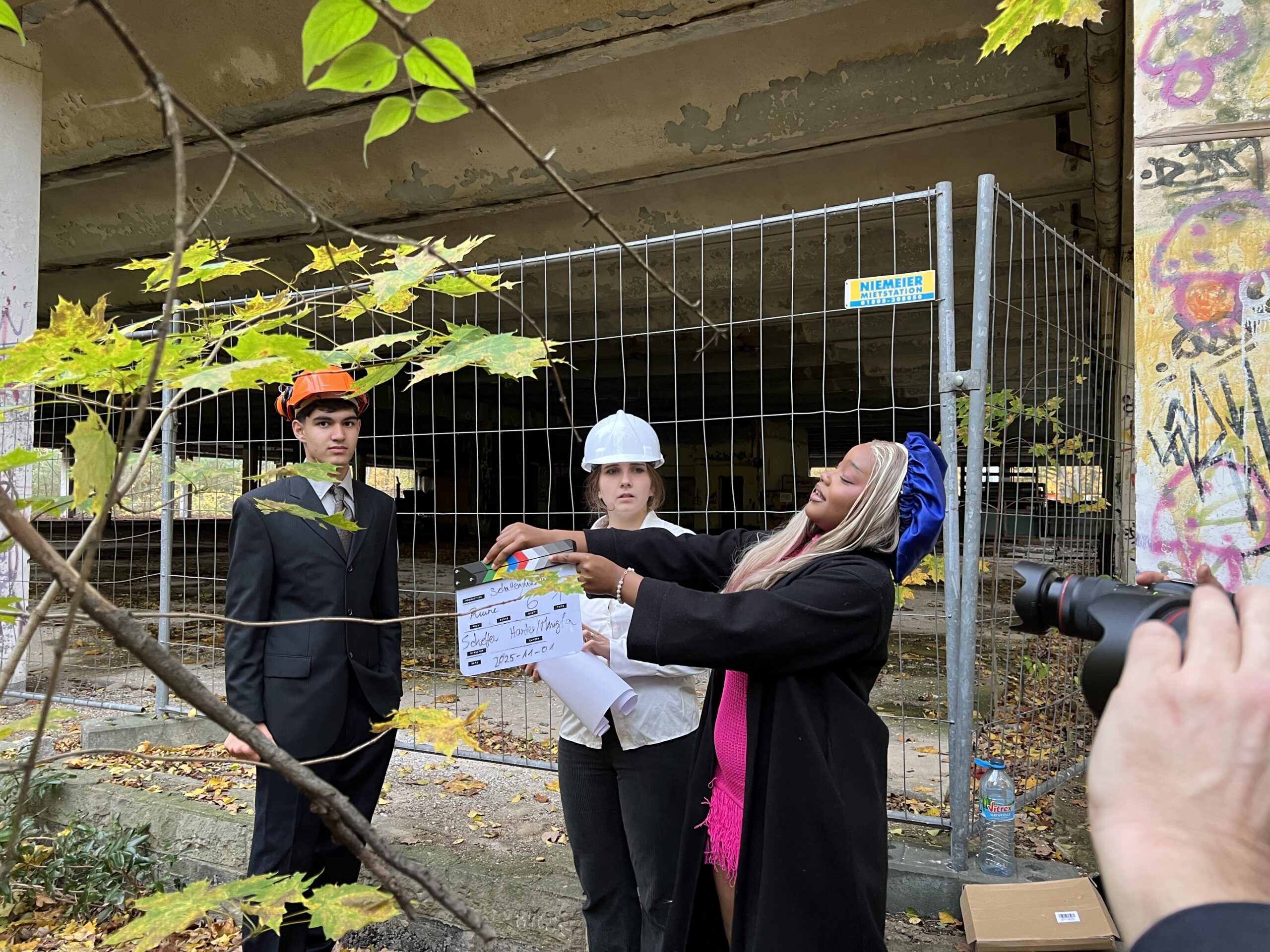
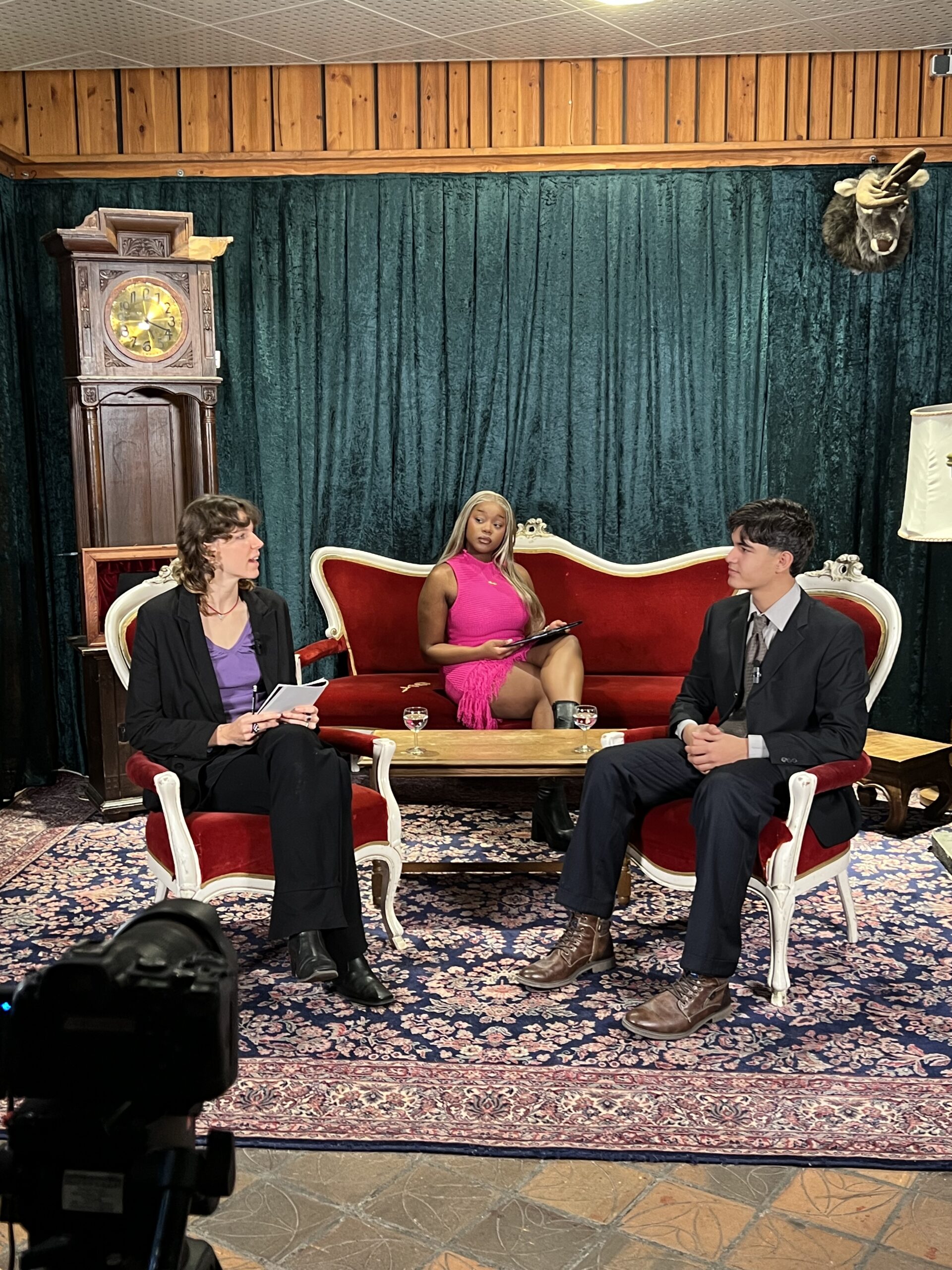
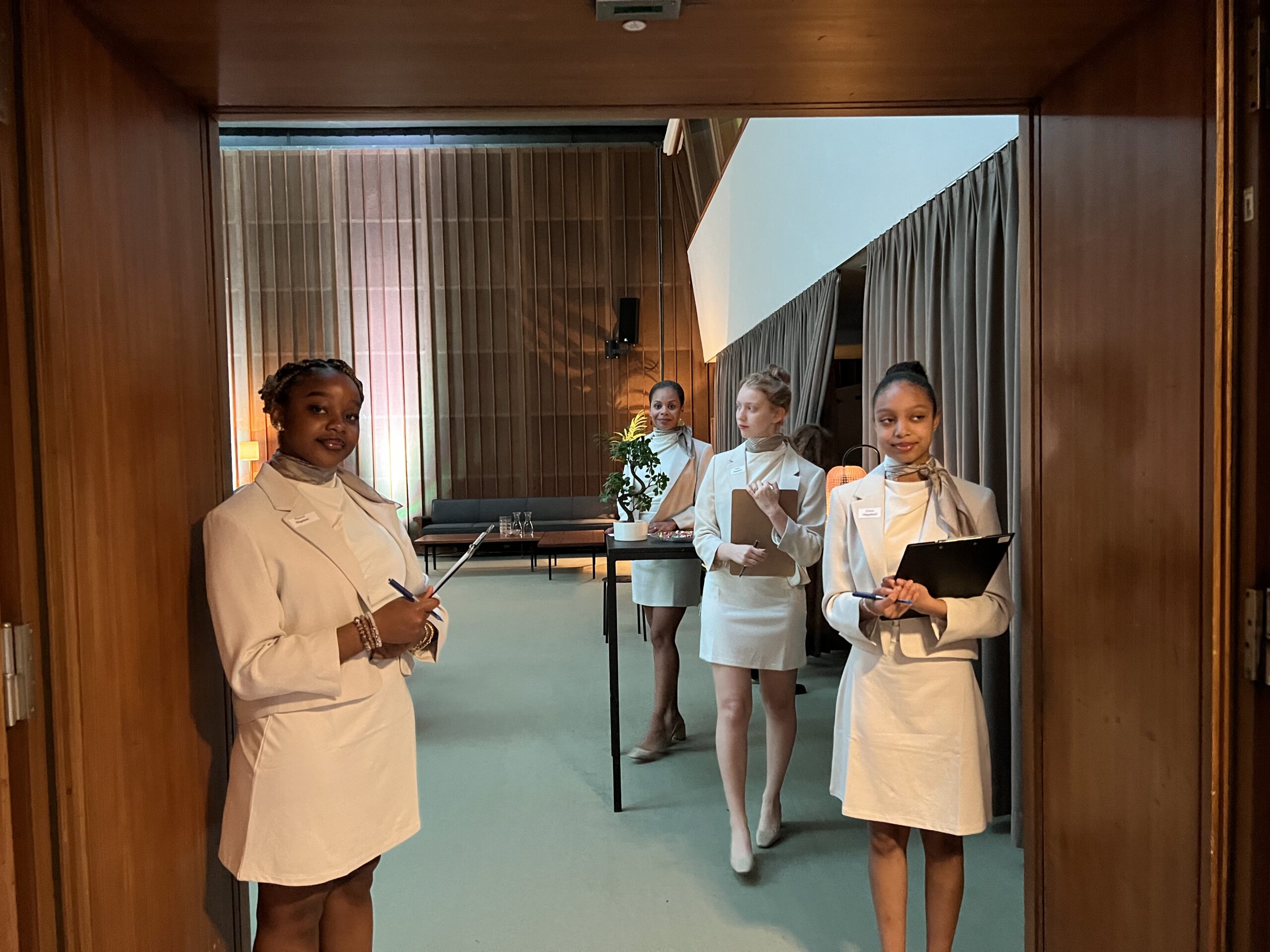
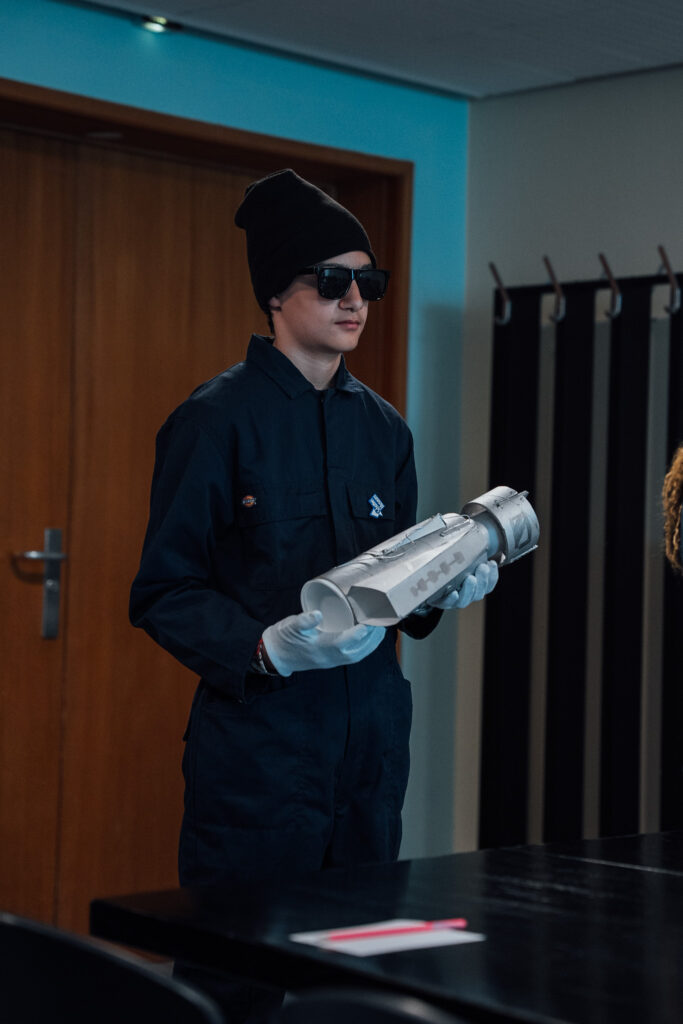
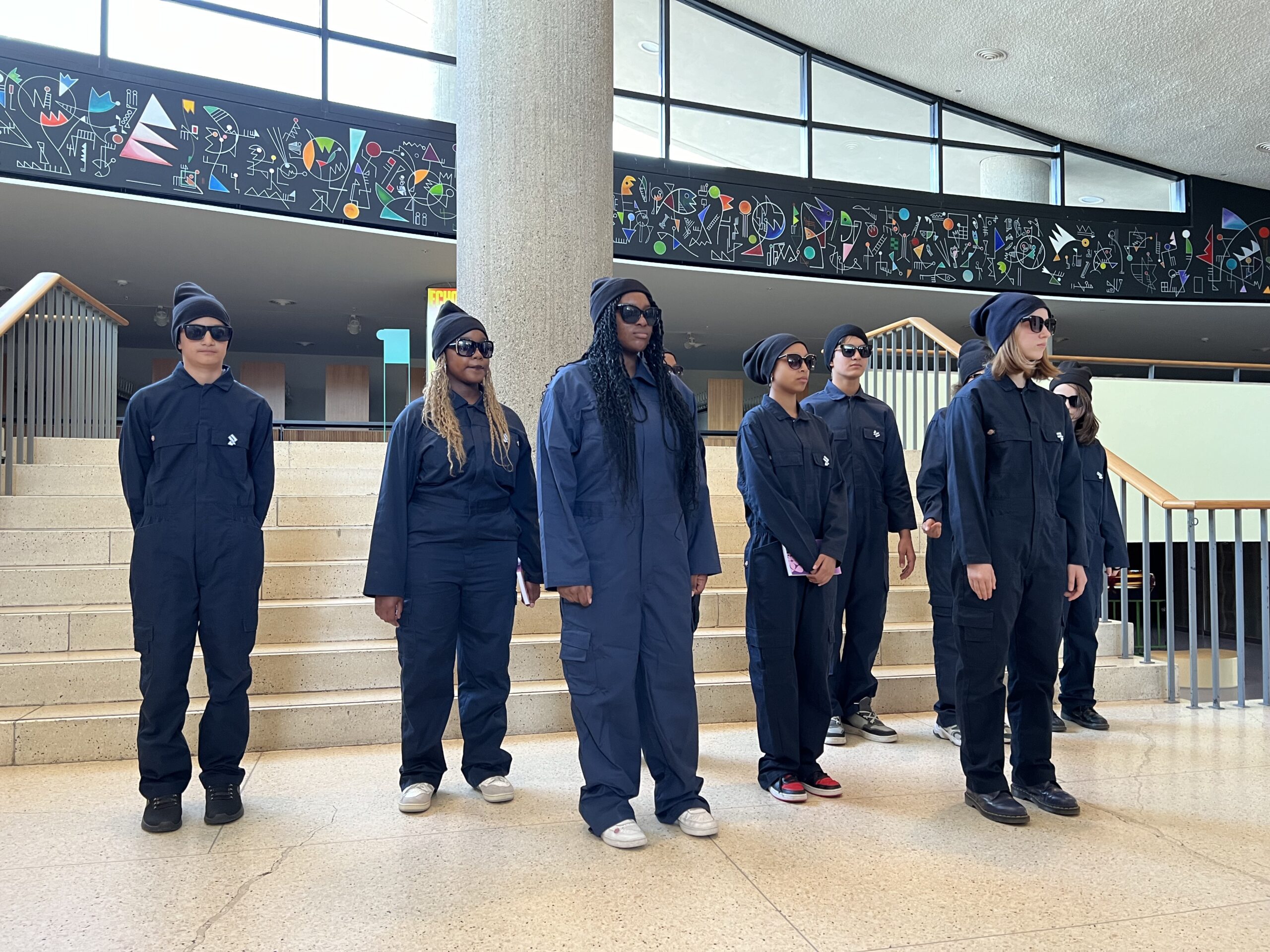
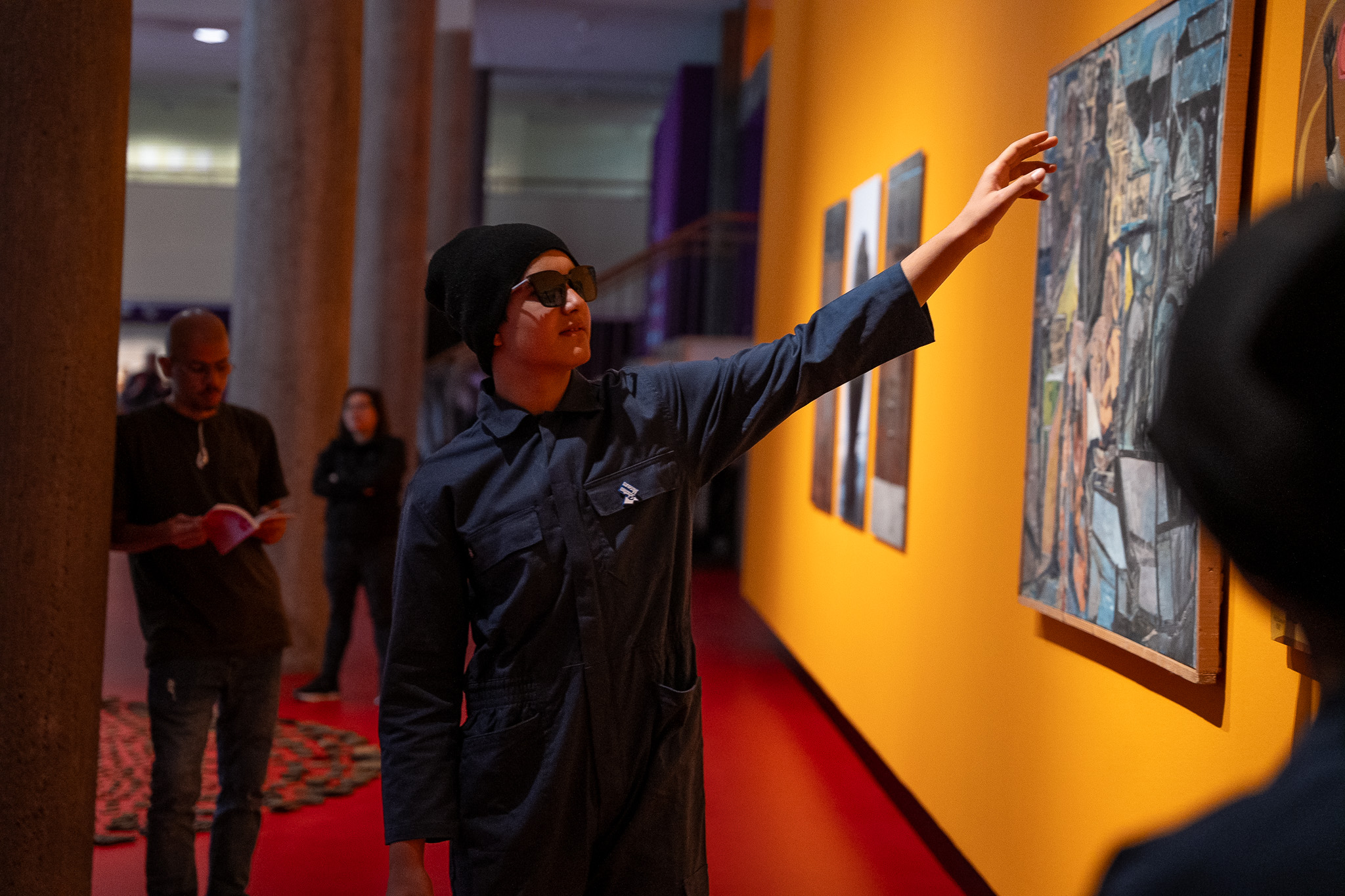
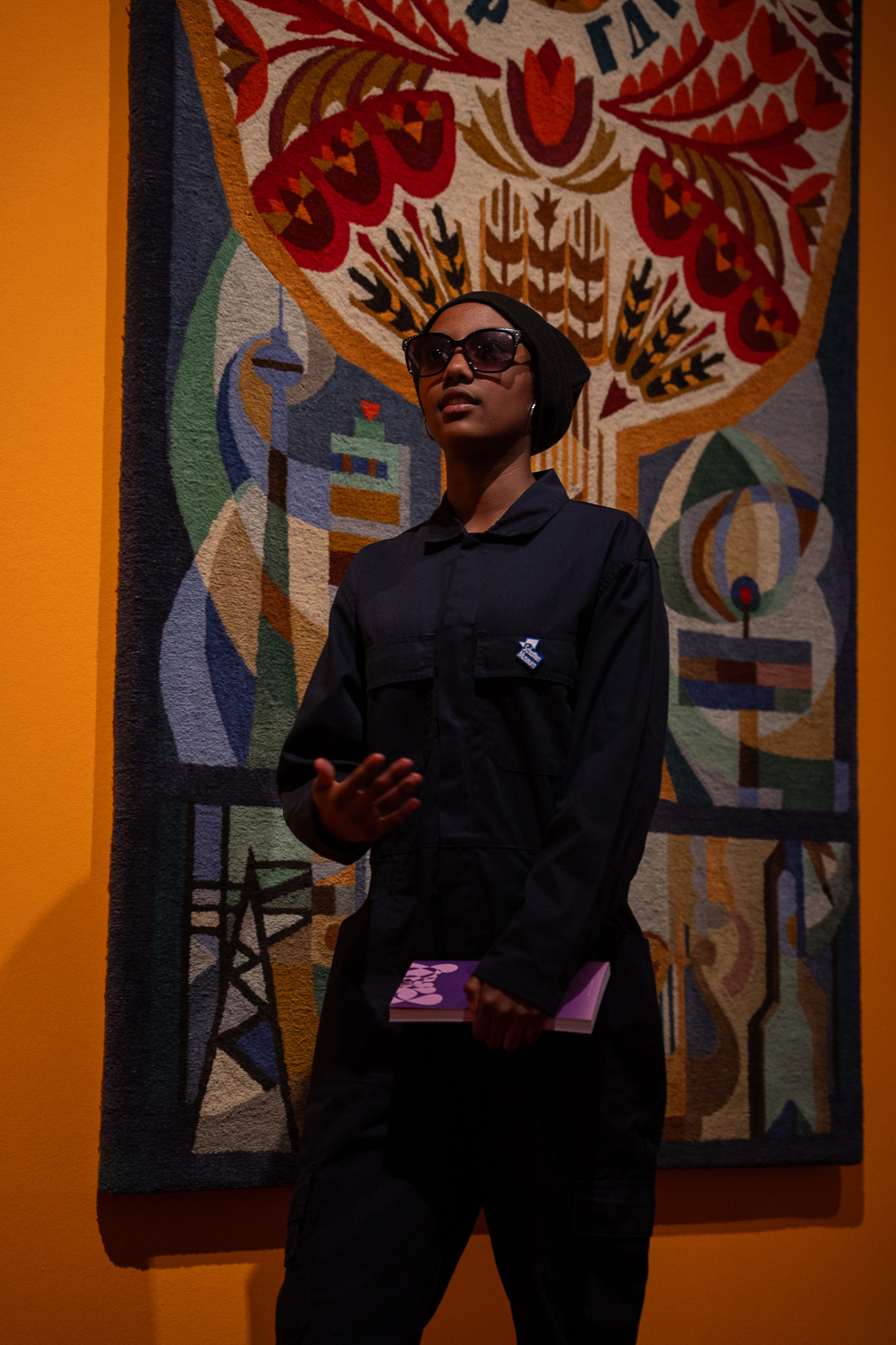
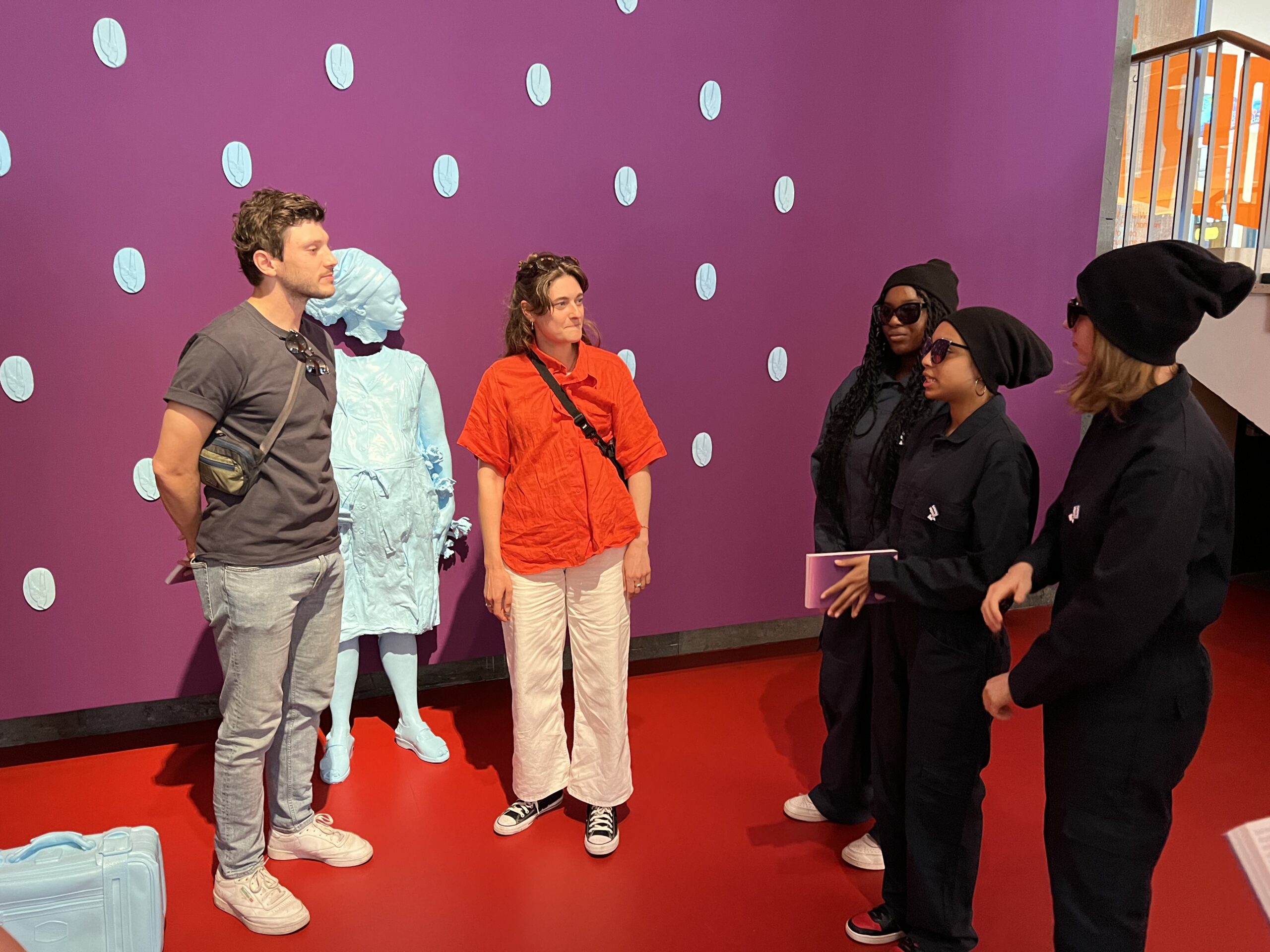
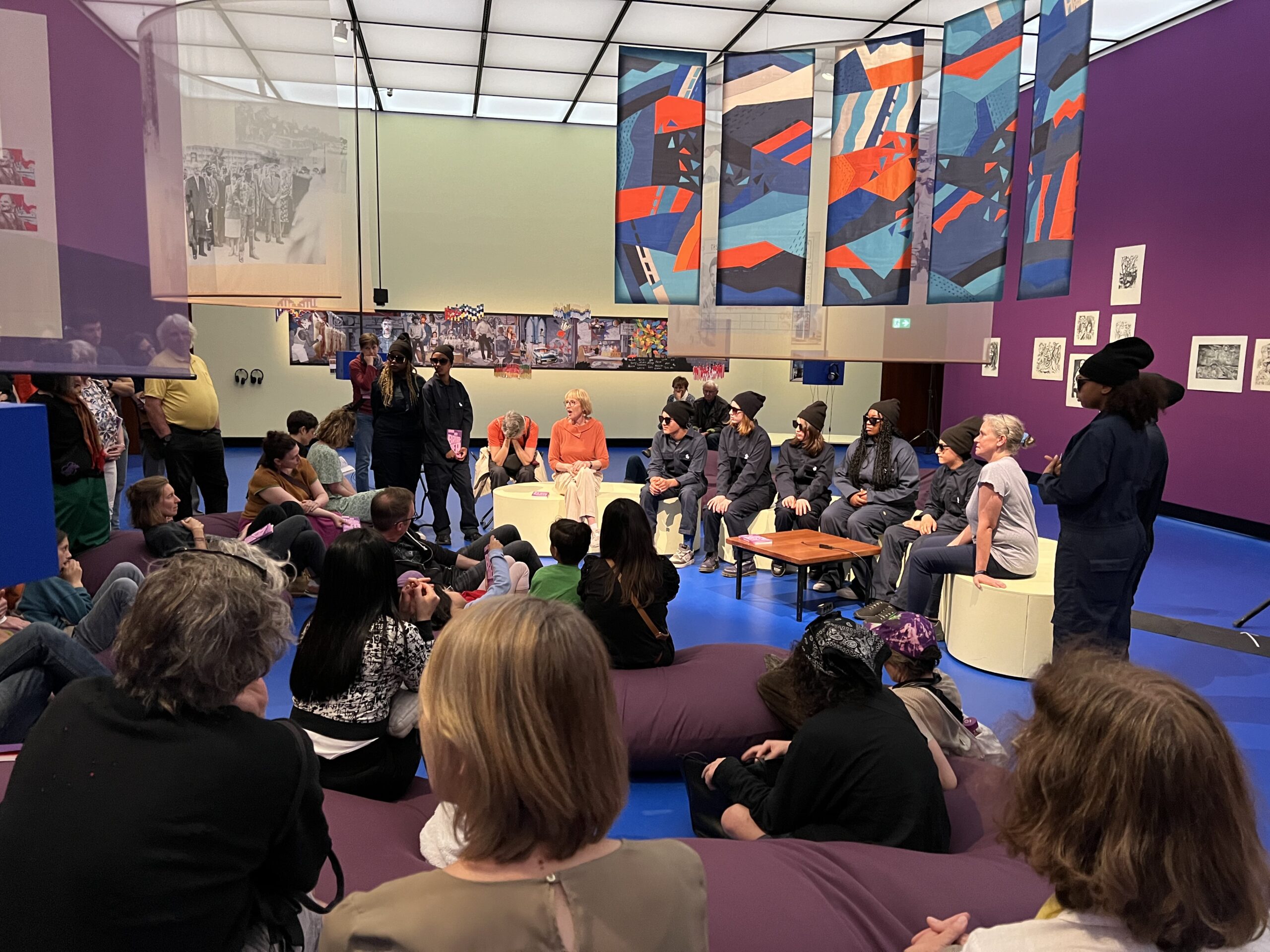
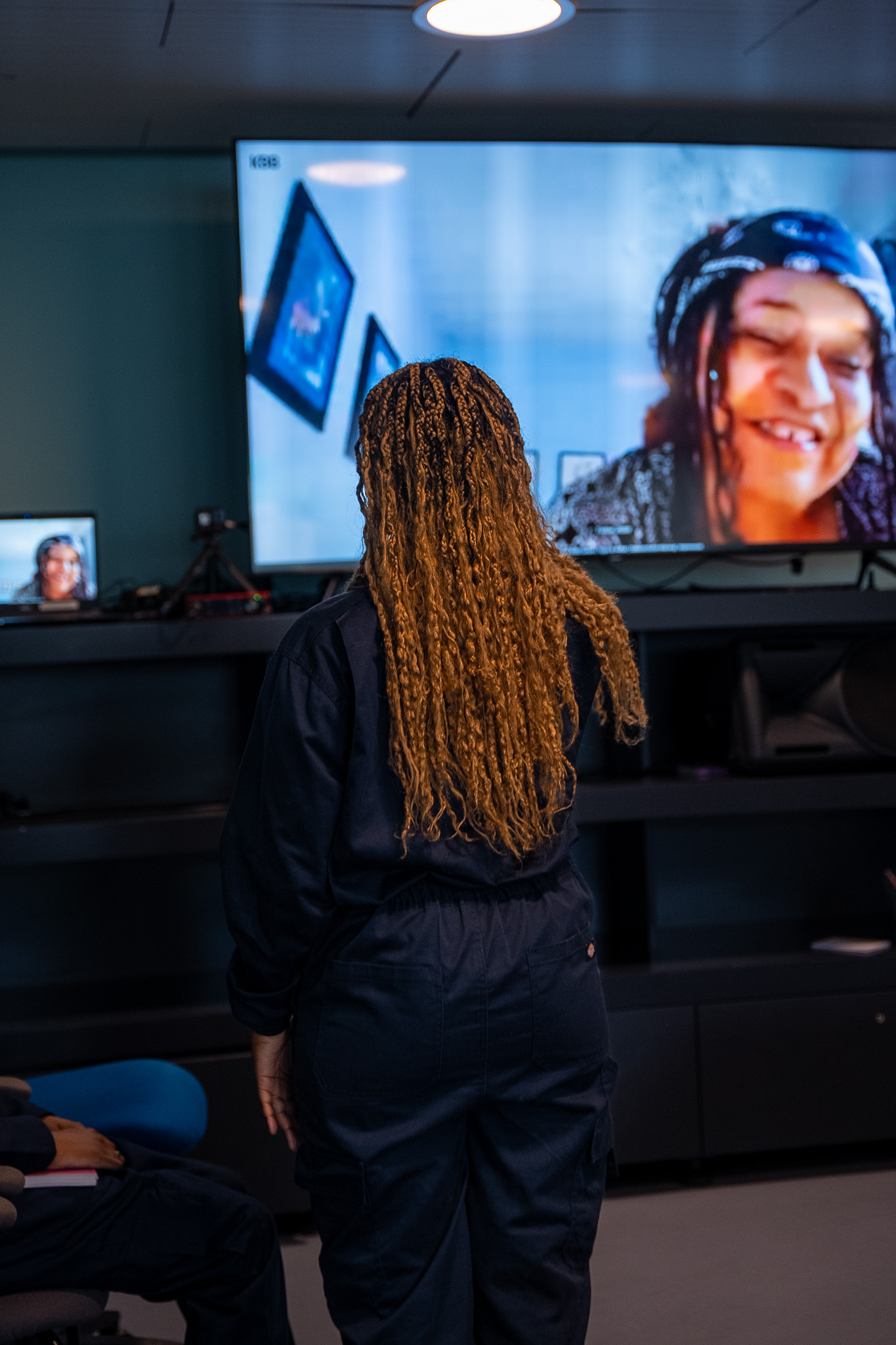
The Shadow Museum, a collective of young people seeking alternative approaches to the museum institution for several years, is now exploring the history of former “contract workers” from the so-called “brother countries” of the GDR together with sideviews. From the perspective of aliens, the young people examine how the then “brother countries policy” affects current societal issues such as racism and discrimination, based on their life experiences and the exhibition Echos der Bruderländer at the House of World Cultures (HKW). The artistic research of the Shadow Museum is presented at the HKW as an interactive, playful, and extraterrestrial symposium.

Foto sideviews
Foto sideviews

By/with Laith Azimi, Anna Bartels, Lou Braun, Romy Drieschner, Mariama Juric, Sharon Morane Momo, Elis Nägele, Phanuel Nlend Nlend, Elijah Sagor, Elona Sagor, Anja Scheffer, Moritz Scheffer, Cem Yildiz and the contemporary witnesses Mavinga P. Petrasch, Wilma Florath, Monika Kegel, Anja Paetsch

Foto Jamila Grote

Foto Jamila Grote

Categories
Game Museum Shadow Museum Theatre Youth Committee Shadow Museum

Caelius Juvenilis – The Return of the Aliens

Episode I: O Quilombismo

The aliens are back at the HKW: For the exhibition O Quilombismo, the Shadow Museum is staging a performative game in the HKW. From the perspective of aliens of the species Caelius Juvenilis, it juggles with different perspectives, takes biographies of artists, members of the Shadow Museum and their family archives, as well as from further interviews. The result is an interactive game in which visitors are invited to adopt different, new perspectives, to engage with “foreign” and fictitious biographies, and to move through the game in the process. Artistic framing is provided by a spoken chorus and interactive dialogues of the aliens, documenting the research results of the Shadow Museum as a collage of fragments from interviews, archival research, literary texts, contents of the Quilombismo exhibition, etc. 

PERFORMANCE Aliens (in German language)

Making Of – How to become a good Alien (in German Language):

Artistic Research:

Further information:

https://www.hkw.de/en/programme/schattenmuseum/caelius-juvenilis-episode-i-o-quilombismo

This project was funded by:
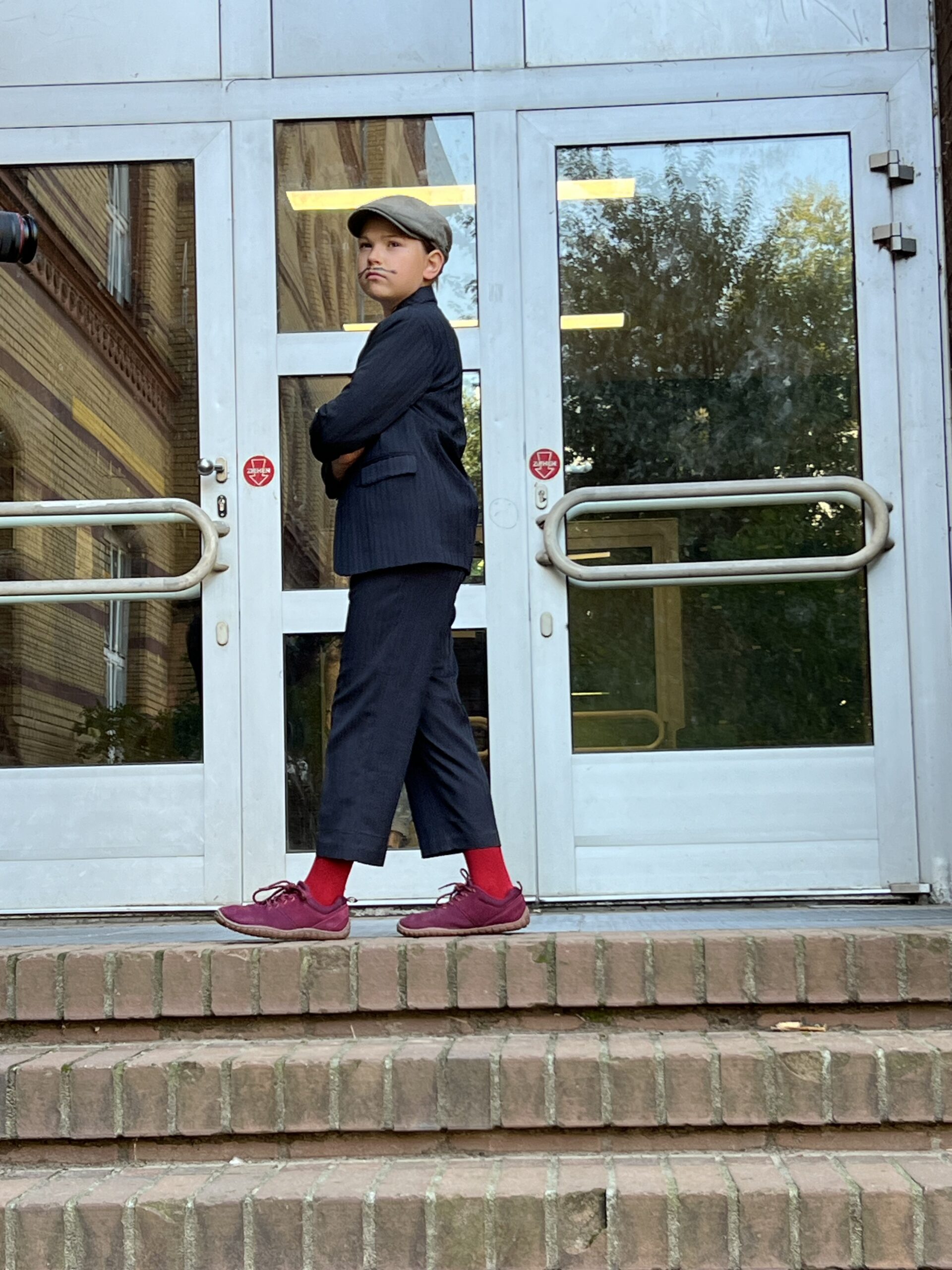
Categories
Game Game Theatre Theatre Uncategorized

GOAL 17 – Children make the world!

What will the world look like in 30 years? Who decides on the measures to combat climate change? What role do money or human or children’s rights play? What would I change if I had something to say?

GOAL 17 is a project by and with two mixed 4th, 5th and 6th grade classes of the Nürtingen primary school in Kreuzberg, Berlin. As part of a creative research project, 45 children examined the UN’s 17 Sustainable Development Goals and associated global and social problems.

In the first project phase, different thematic and methodological approaches were developed in the context of an interview workshop: The students approached the 17 goals and developed questions, researched their environment, conducted interviews with experts and exchanged ideas with adults, i.e. the generations that are currently setting the agenda for their future.
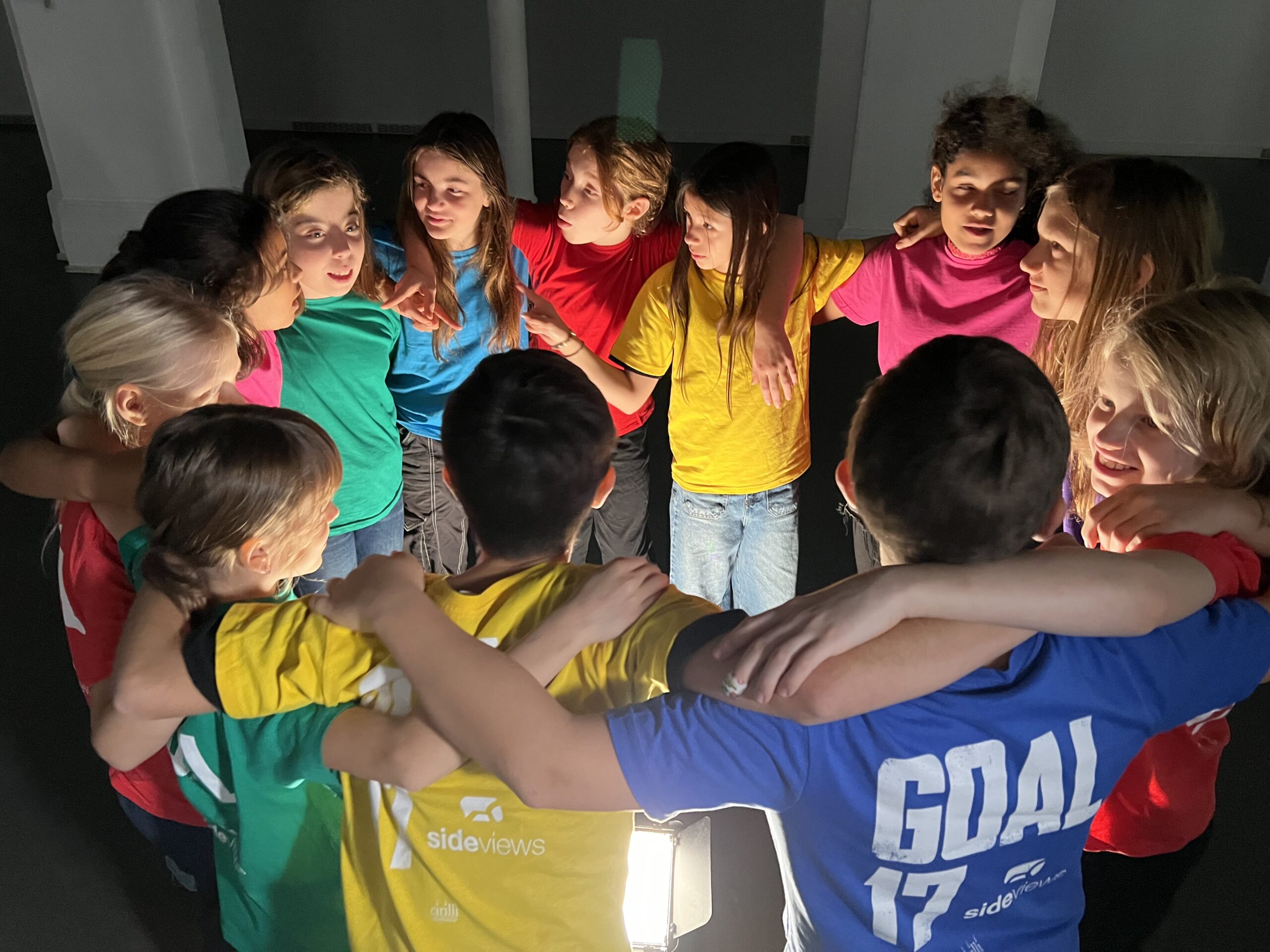
The interviews became the basis of a large three week artistic play workshop, in which the children increasingly became experts themselves, imagining a possible future together. Accompanied by five artists from the fields of music, theatrical improvisation, visual arts, stage and costume design, they became curators of their own research material, designing their own visions of the future and means of involvement in it. They employed the diversity of the group and the potential this provided to understand the global situation, its power relations, its definition of knowledge and their participation with it.

Video Interview Workshop GOAL 17:

The final presentation of GOAL 17 – Children make the world! was a creative vision of the UN’s 17 Sustainable Development Goals, exhibiting living and negotiation spaces, global communication structures and fictitious forms of coexistence for all citizens of the world . The children celebrated their collective proposal, presented to the public performatively and interactively as a large manifesto created by children for children and adults. 

Videodocumentation artistic play workshop

We would like to thank all interviewees for giving us their time and knowledge!

We would also like to thank our funding partners: