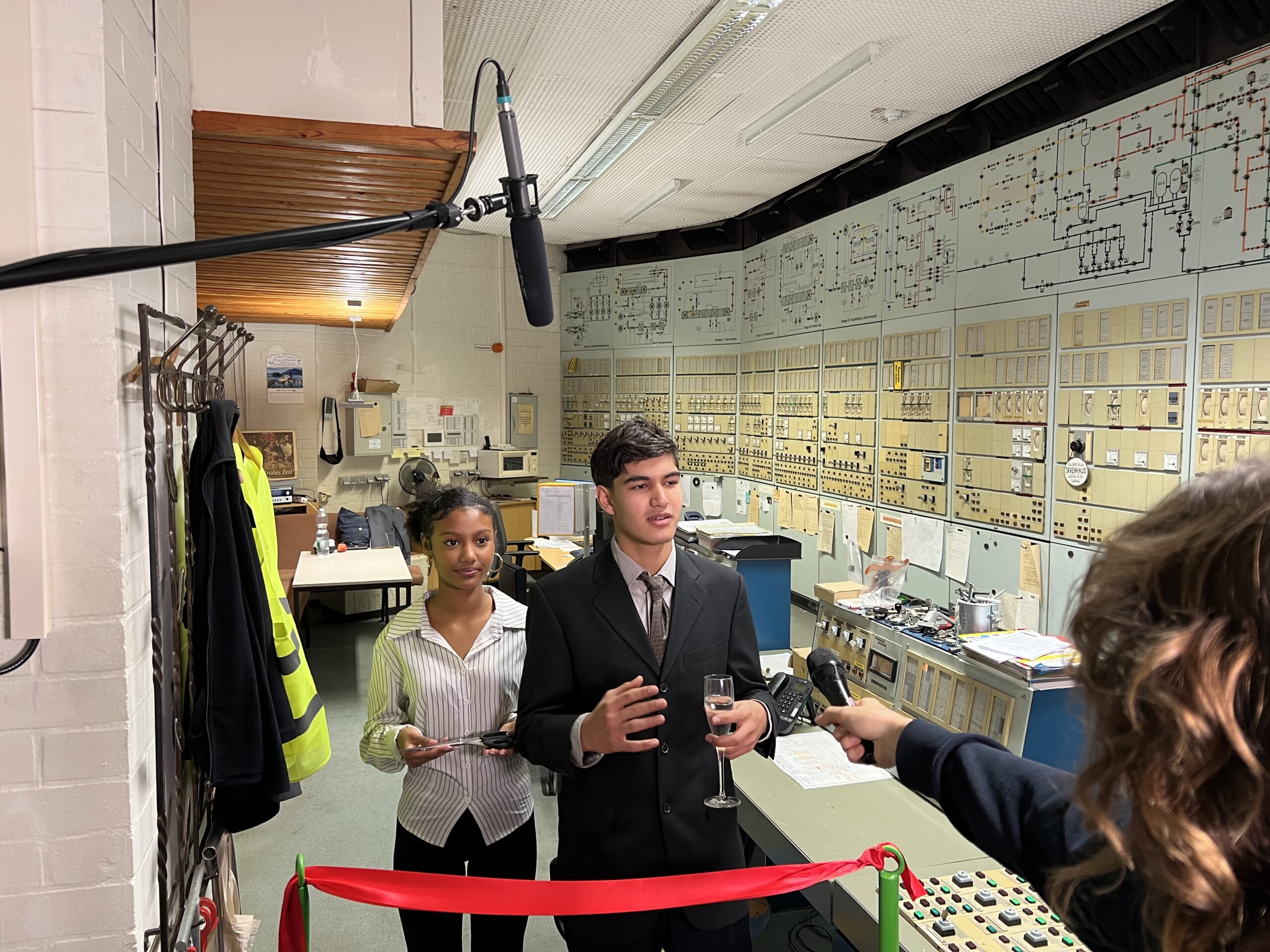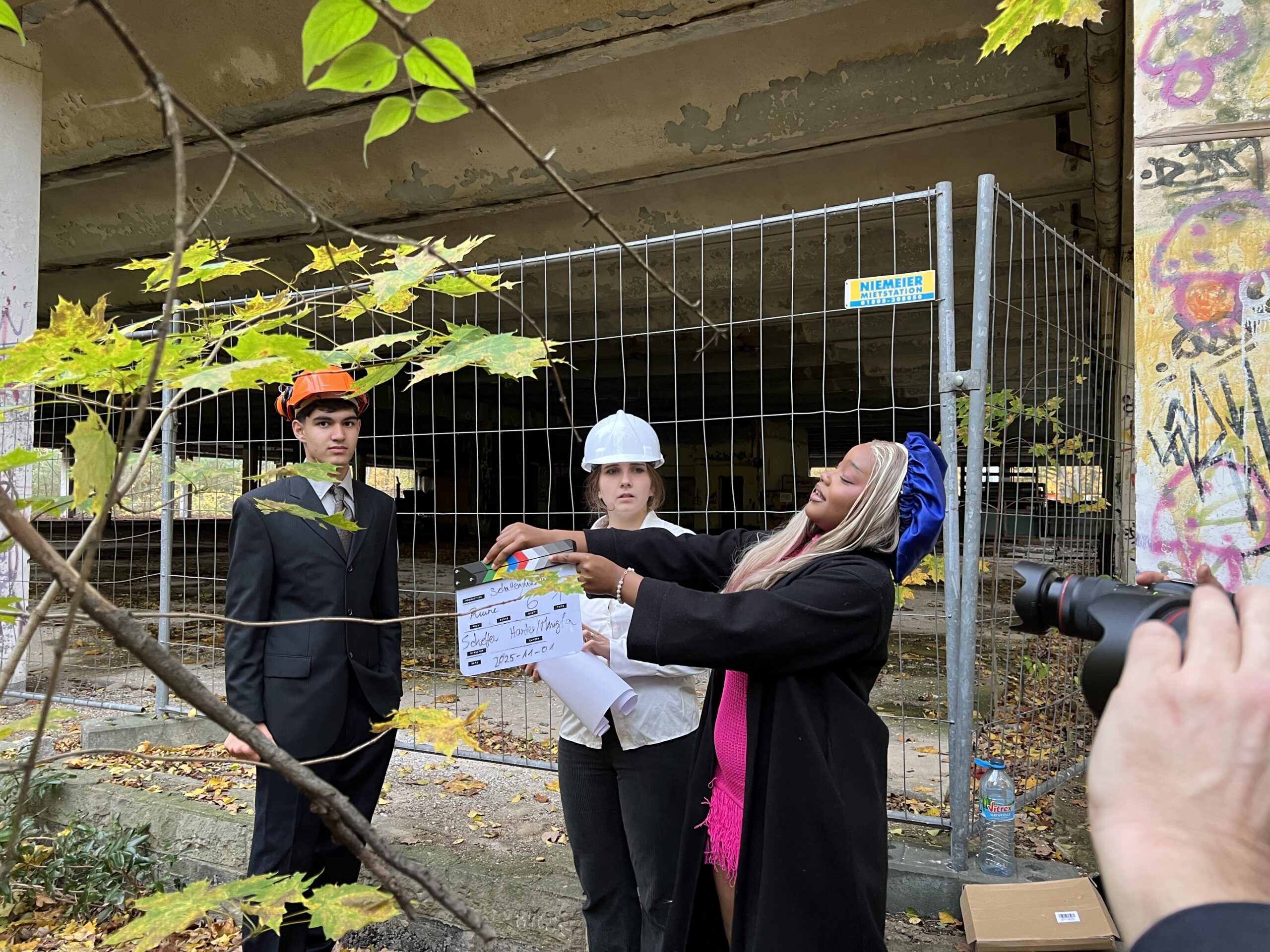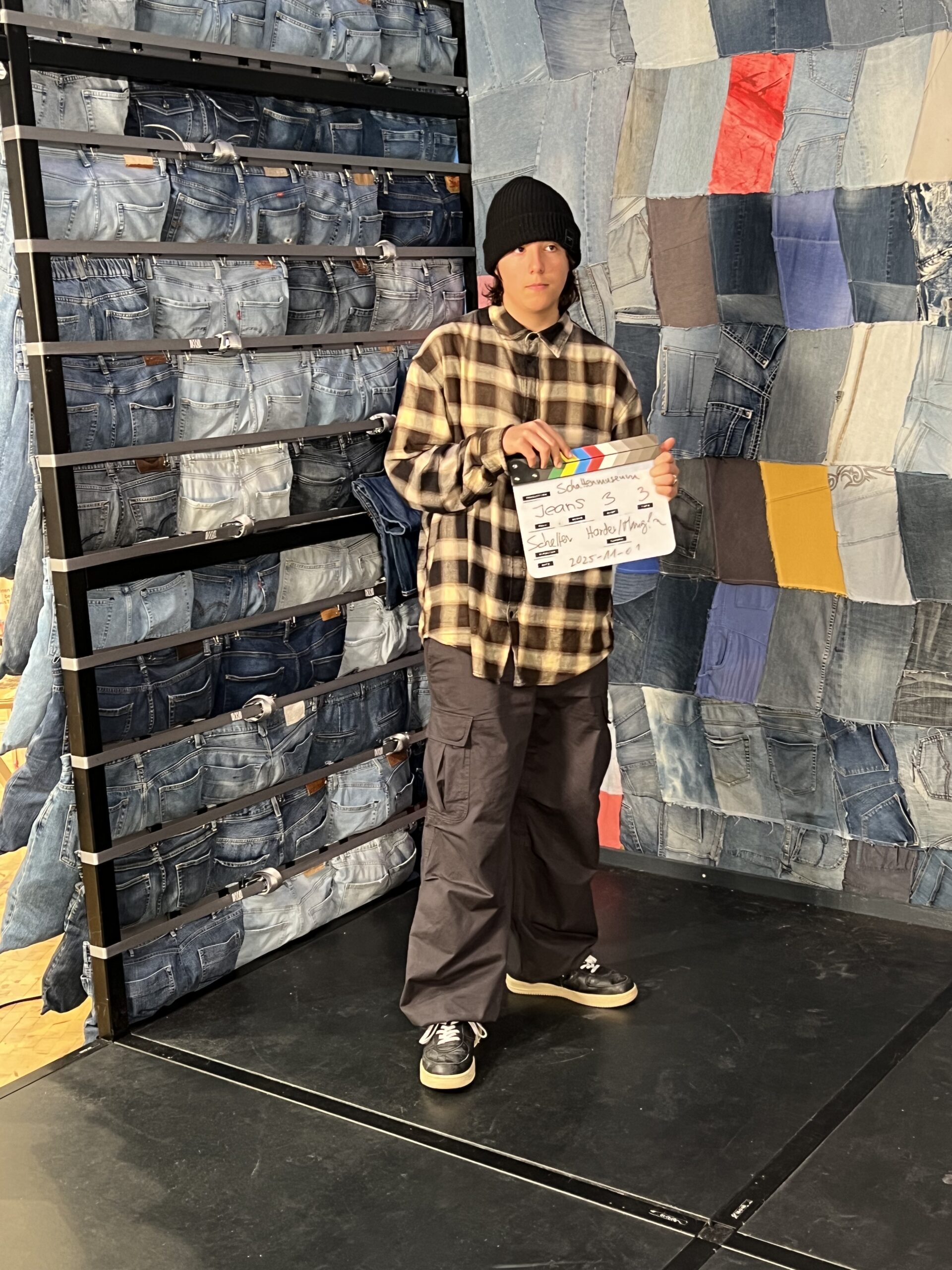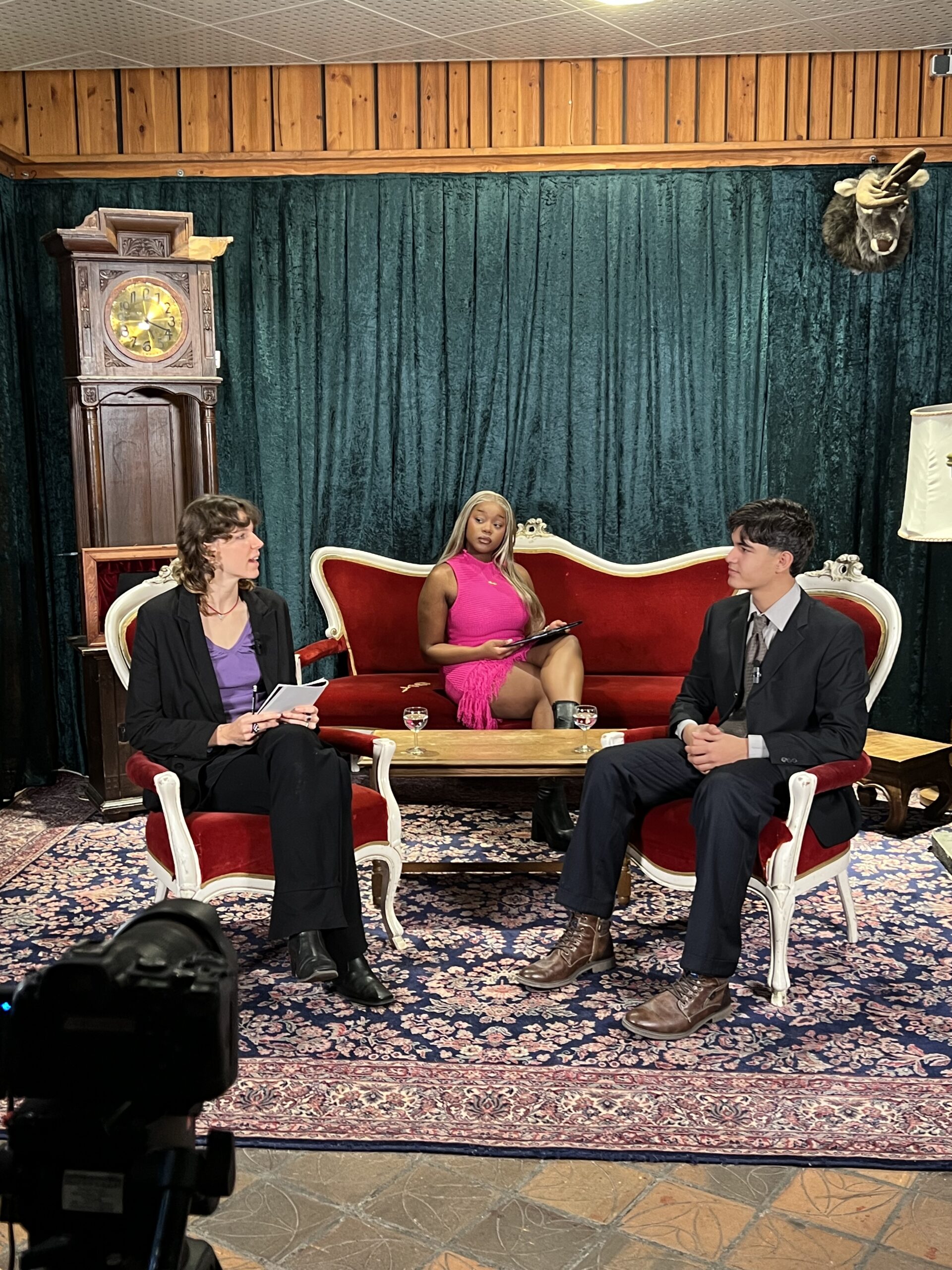
Categories
Game Museum Museum Game Theatre Theatre

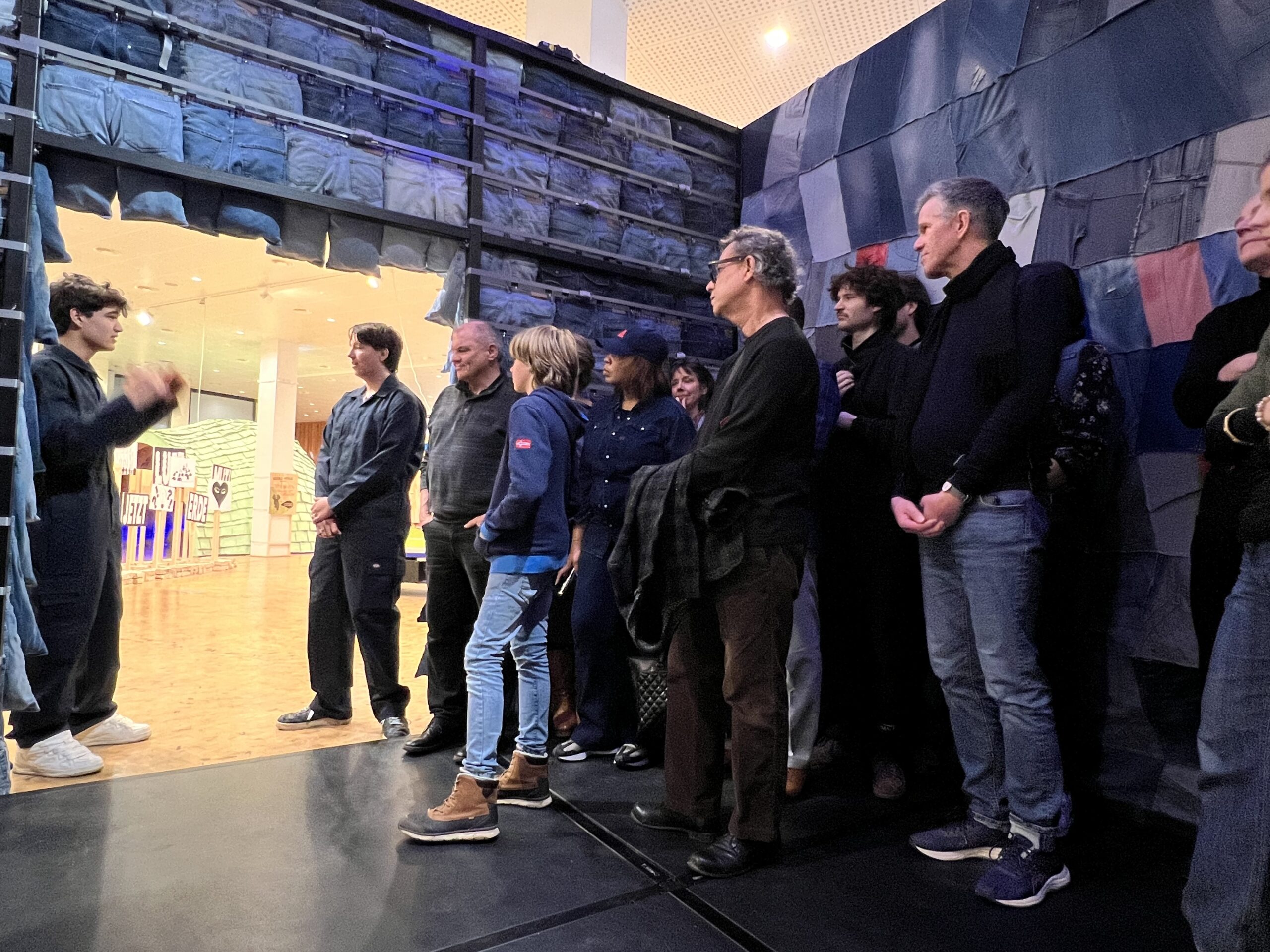
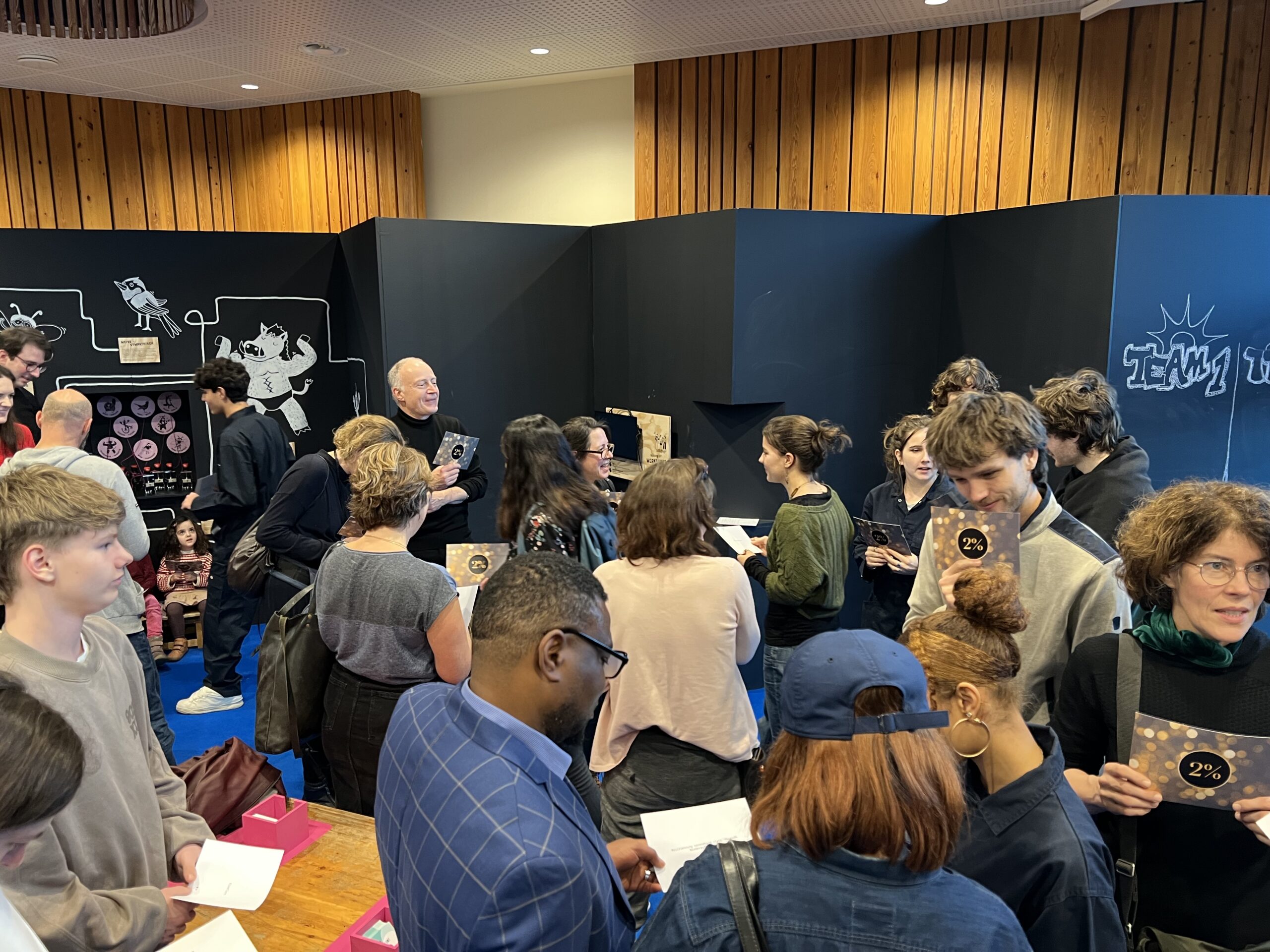
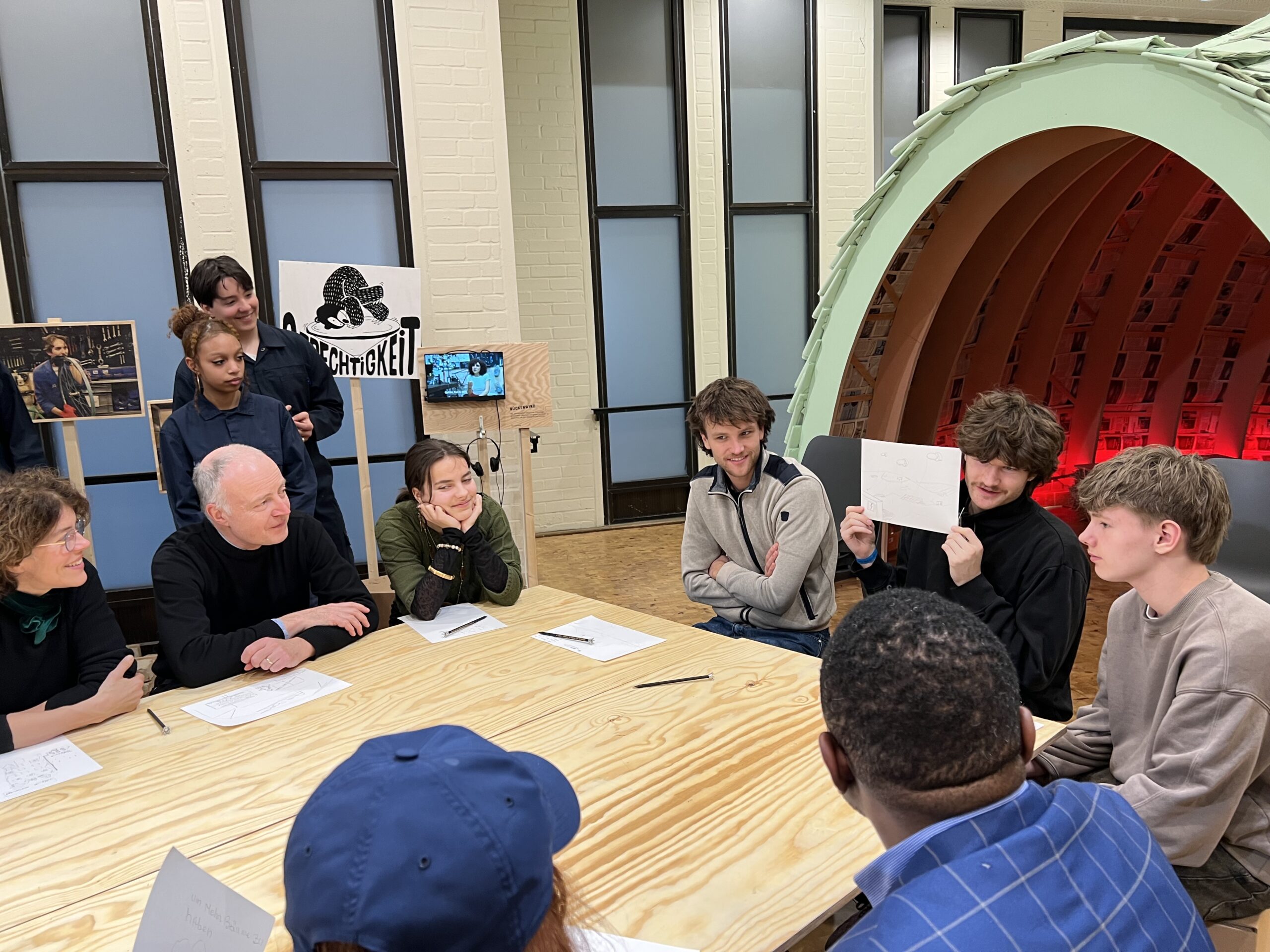
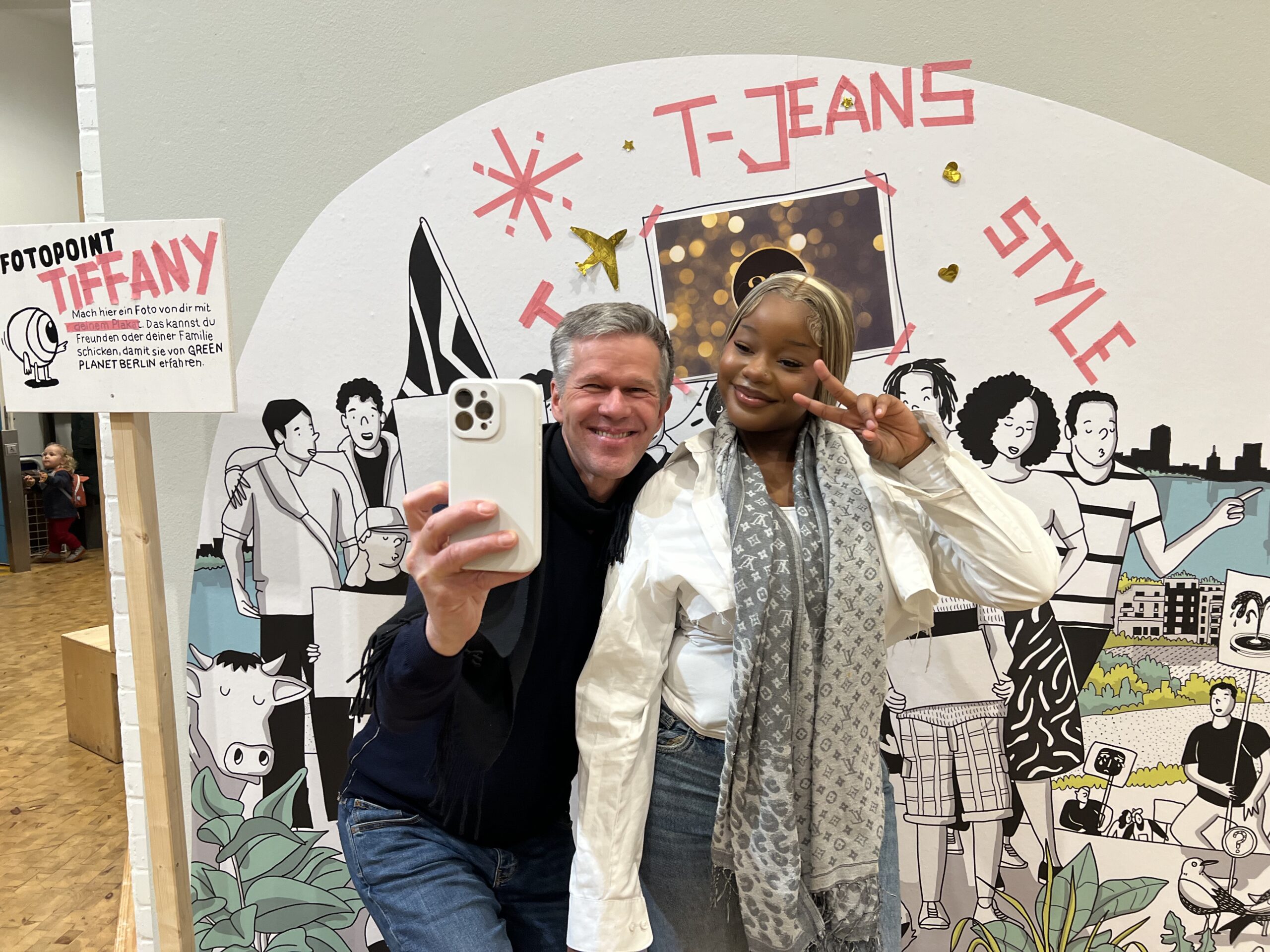
Climate goes Fluxus

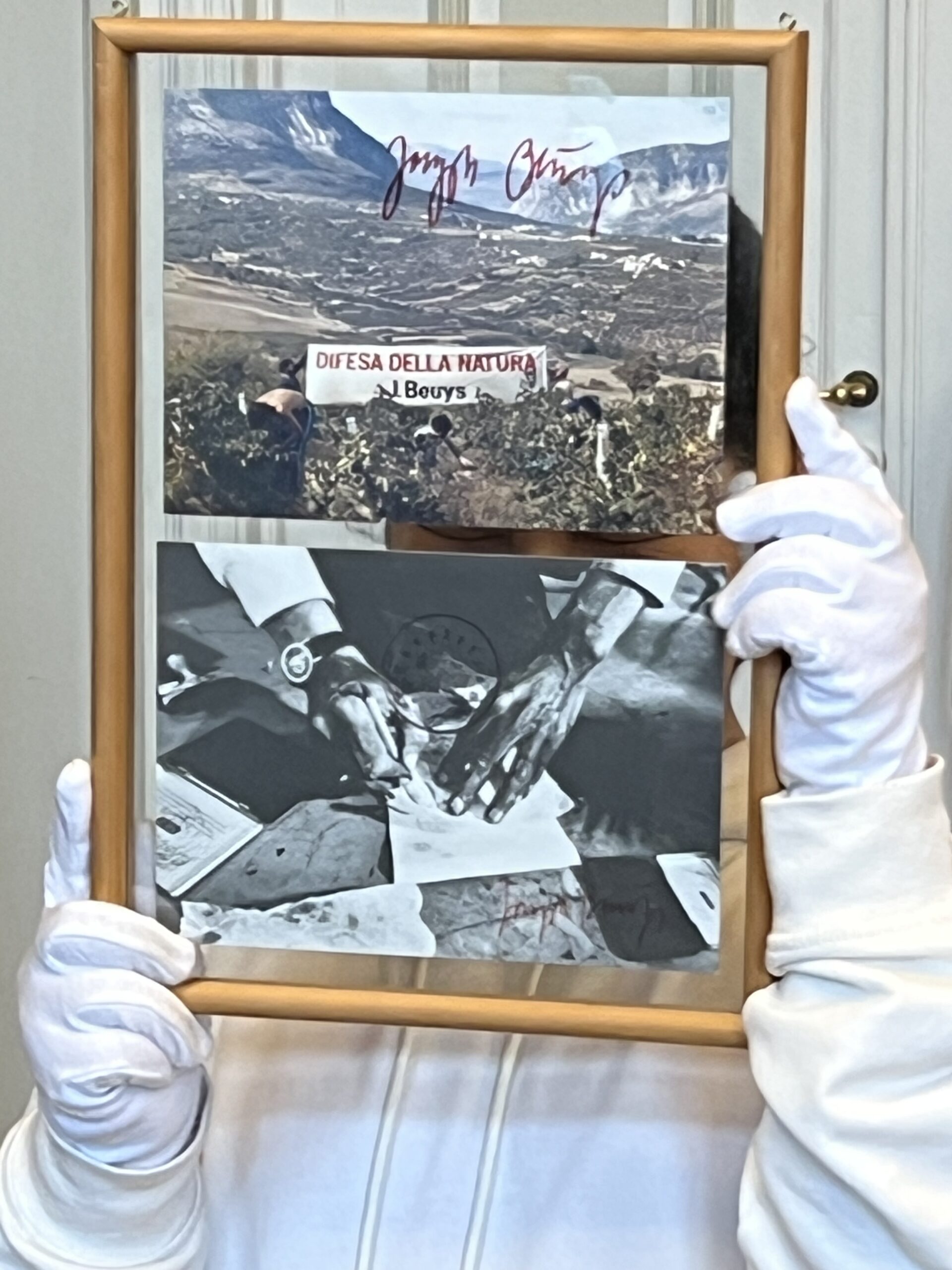
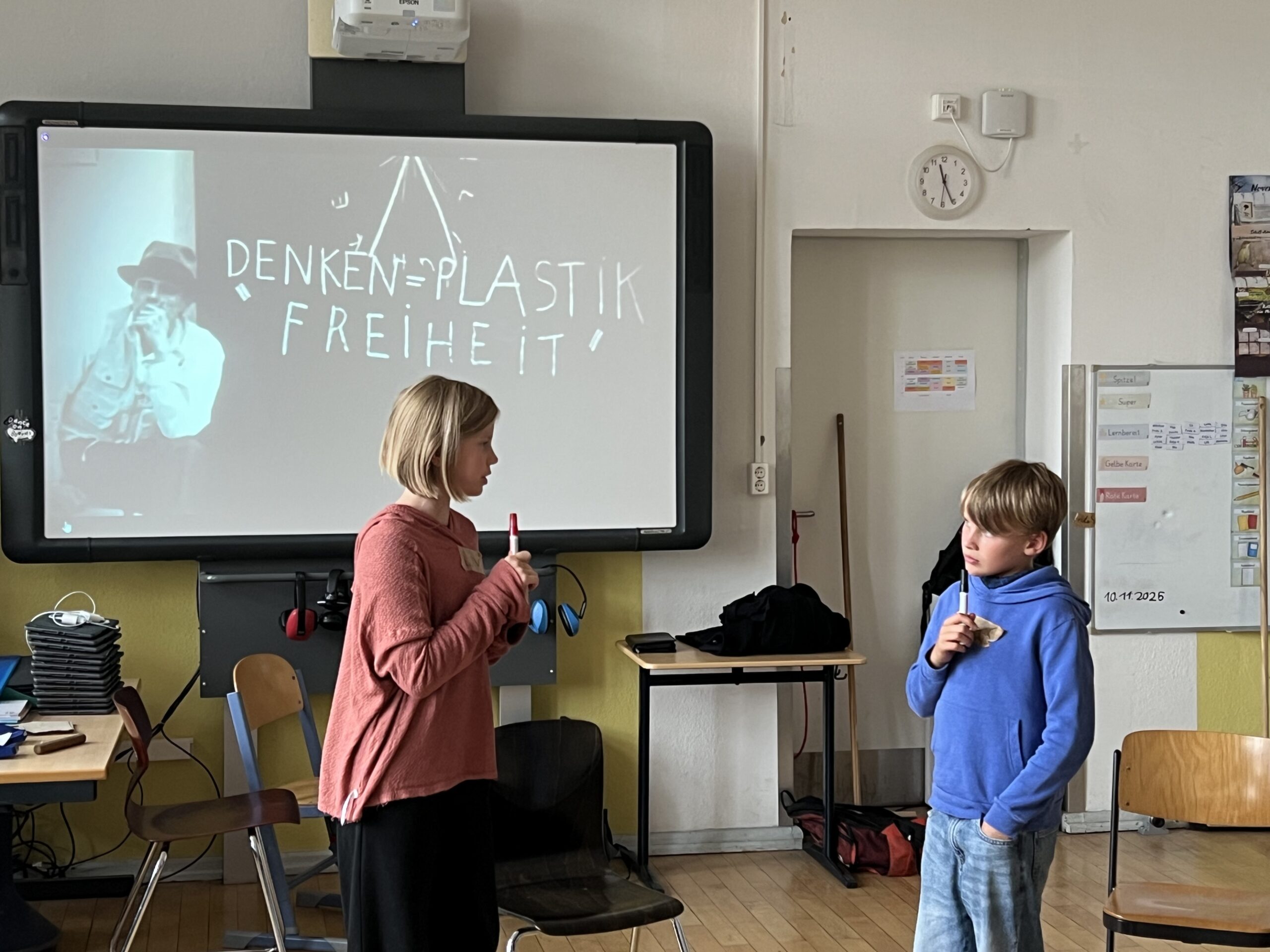
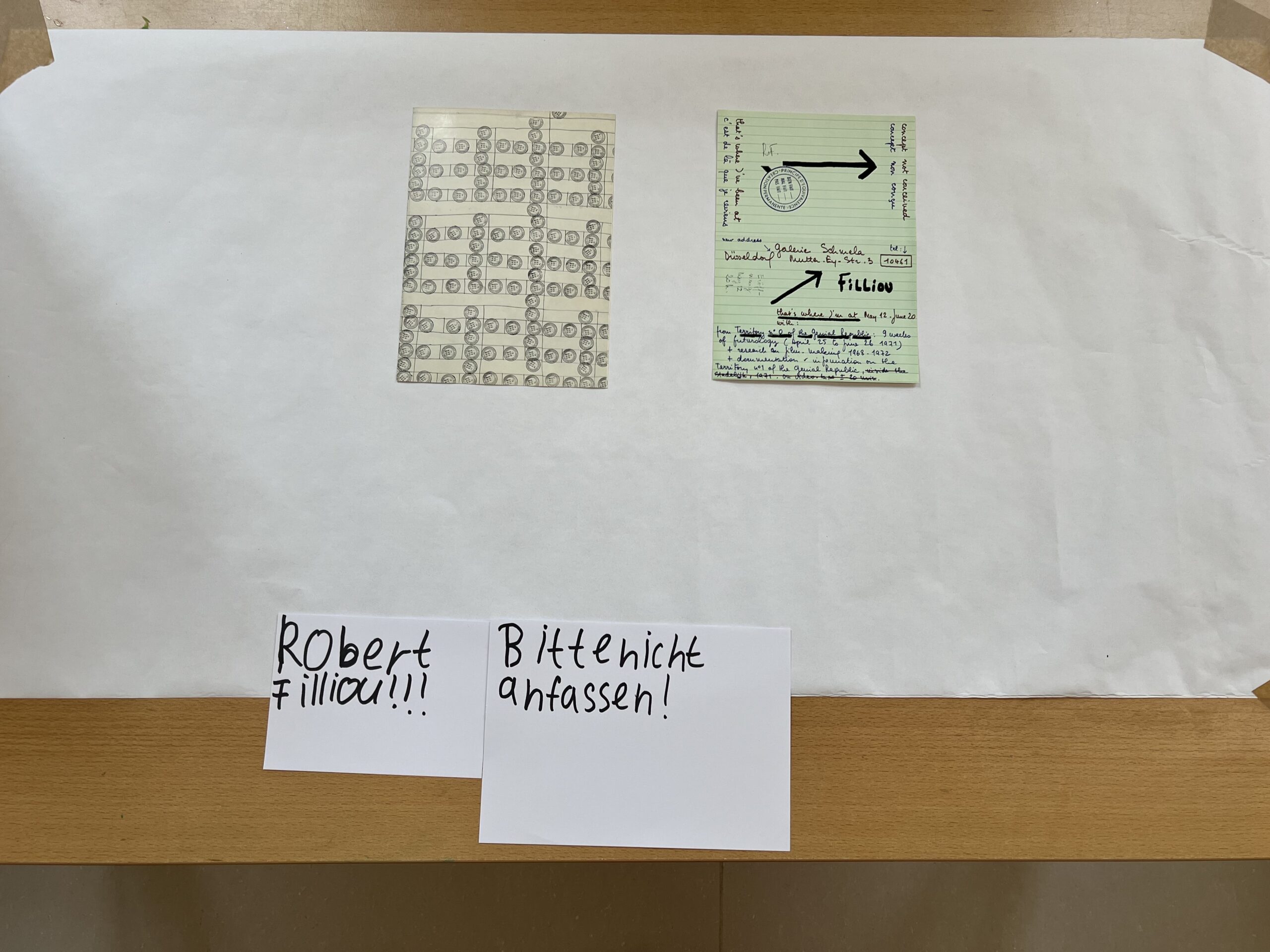
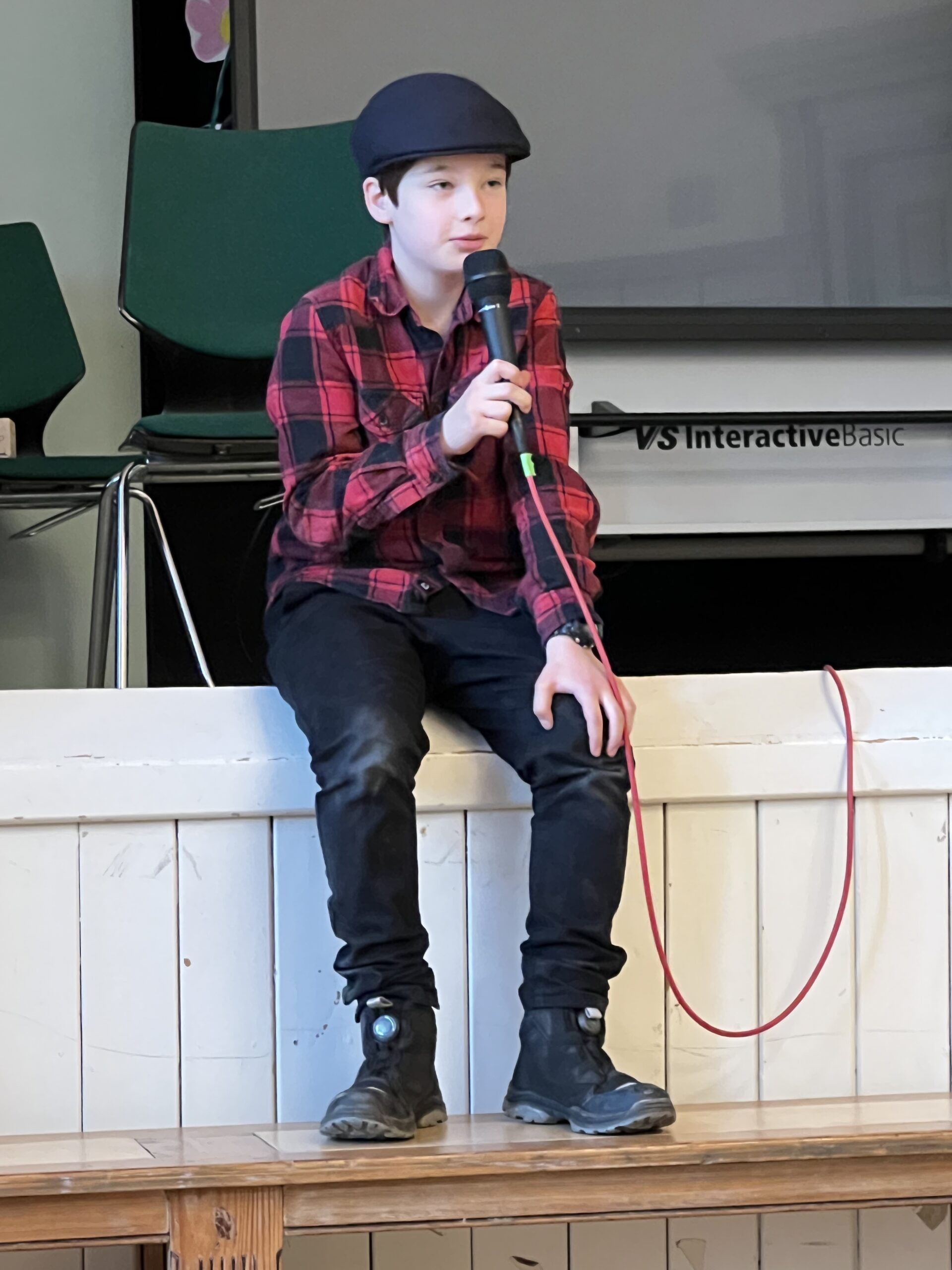
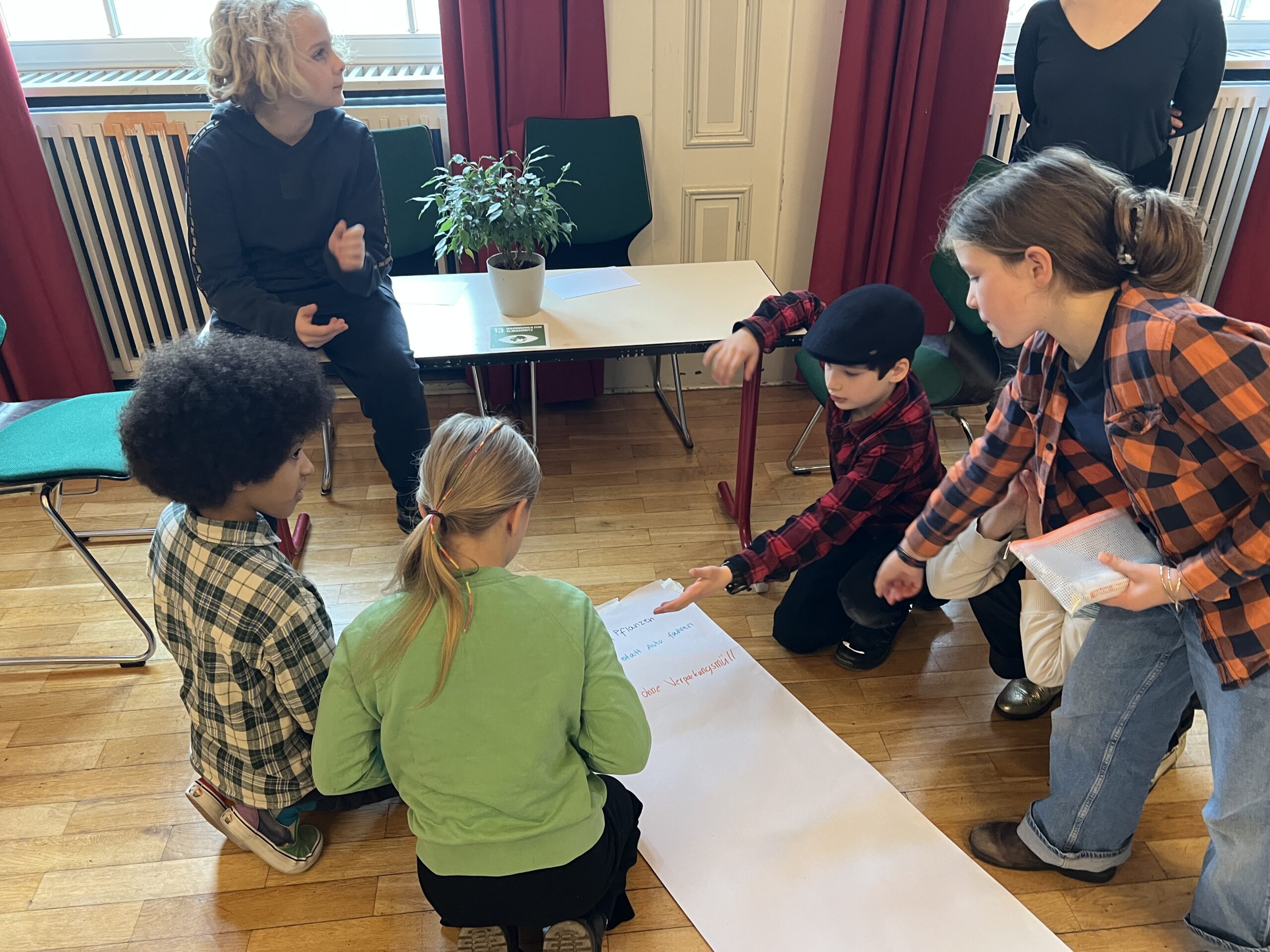
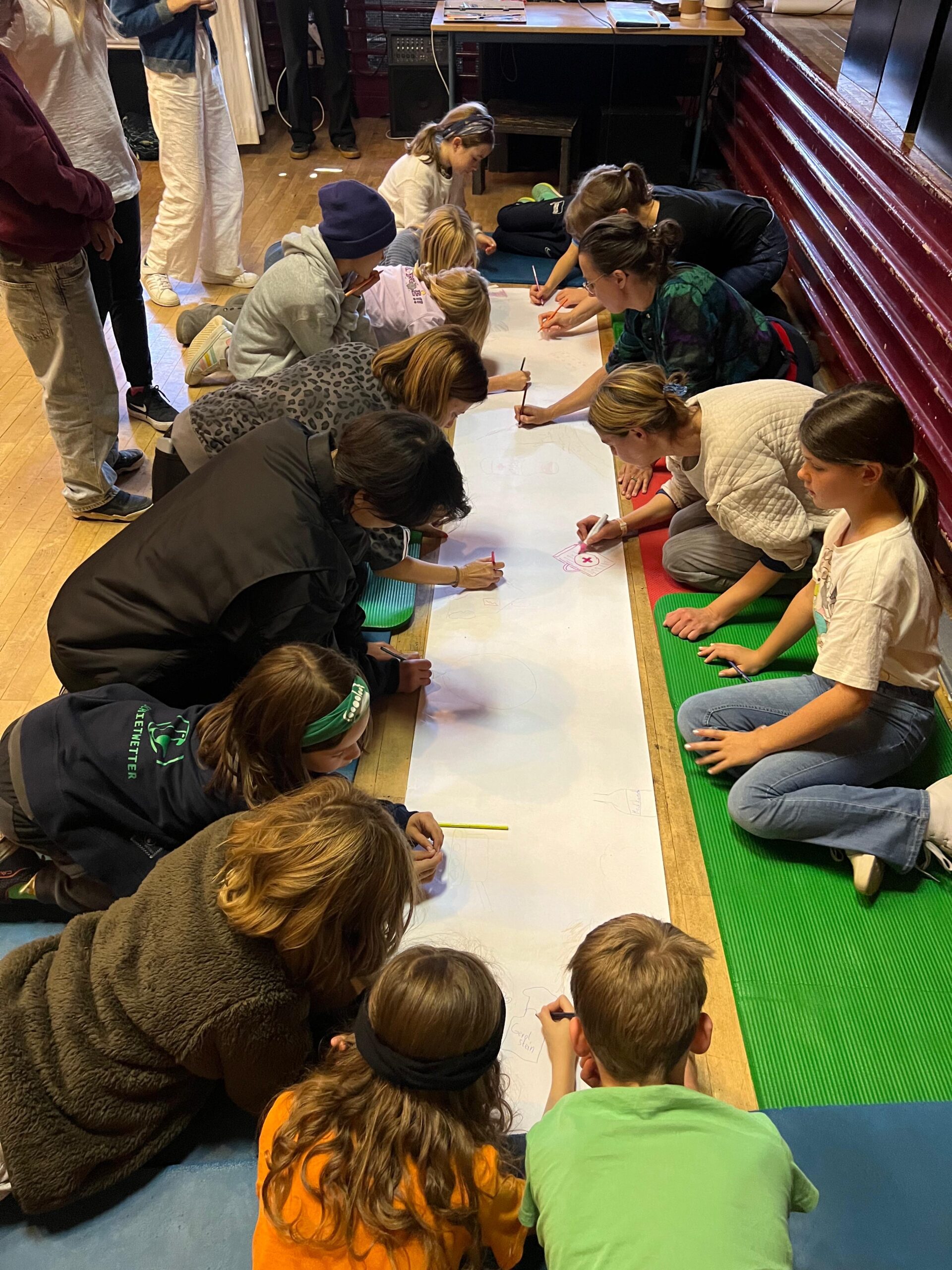
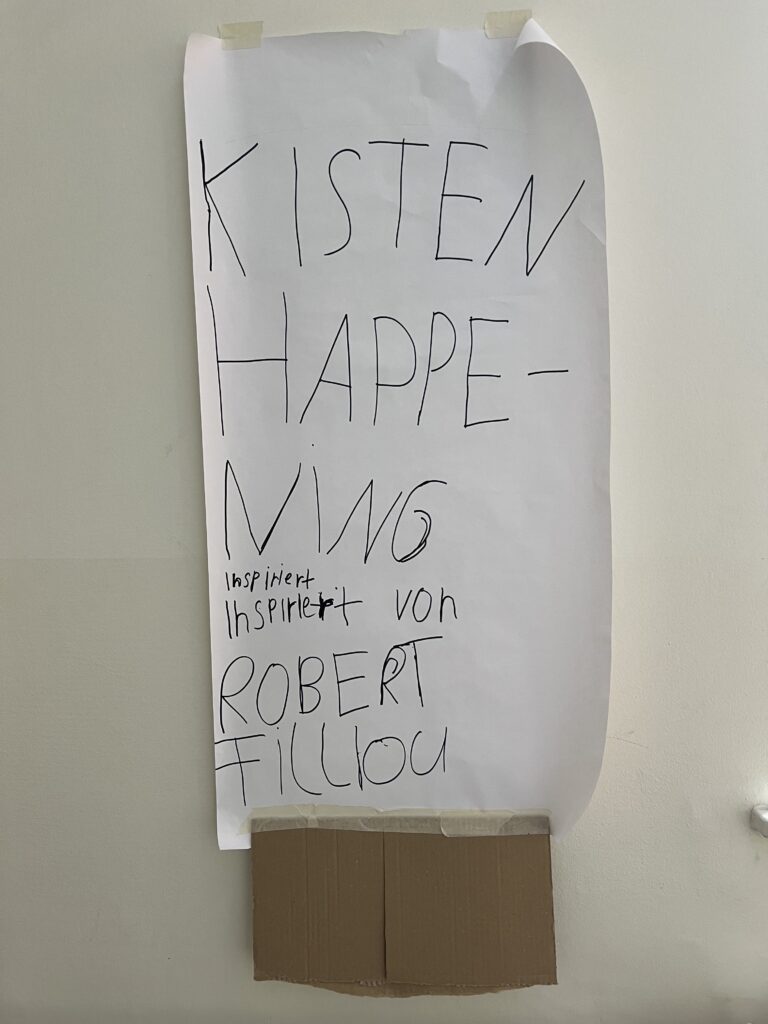
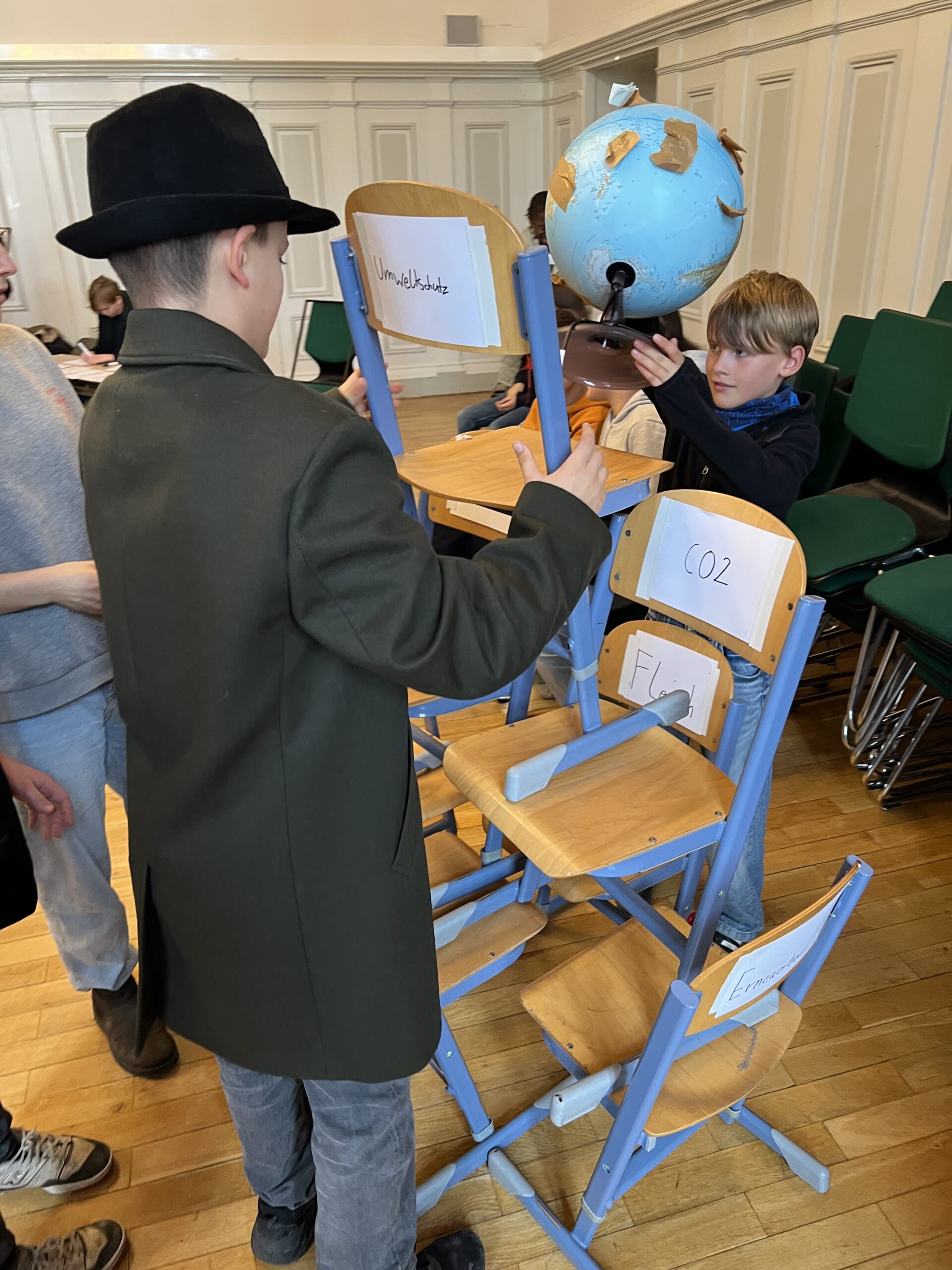
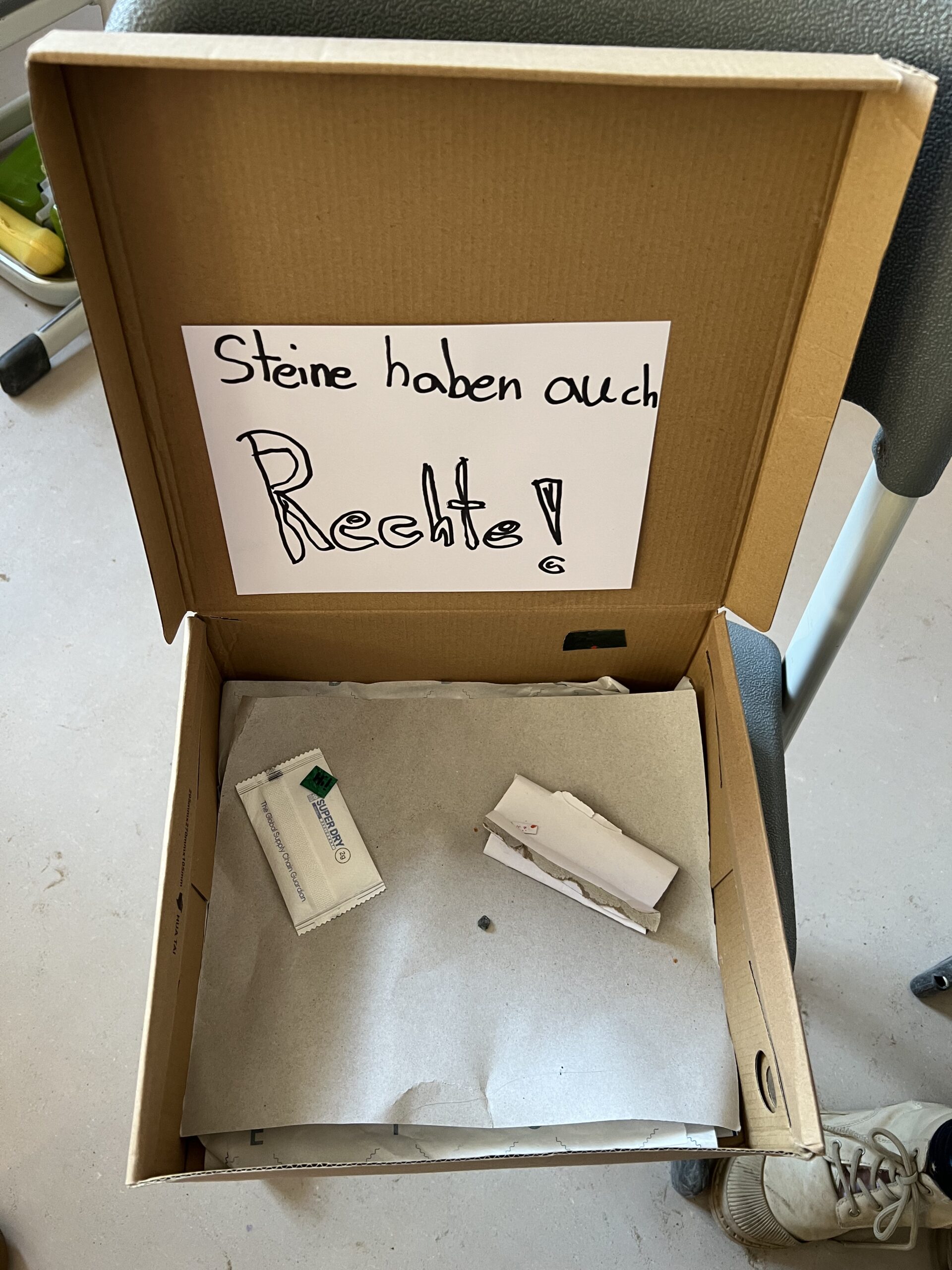
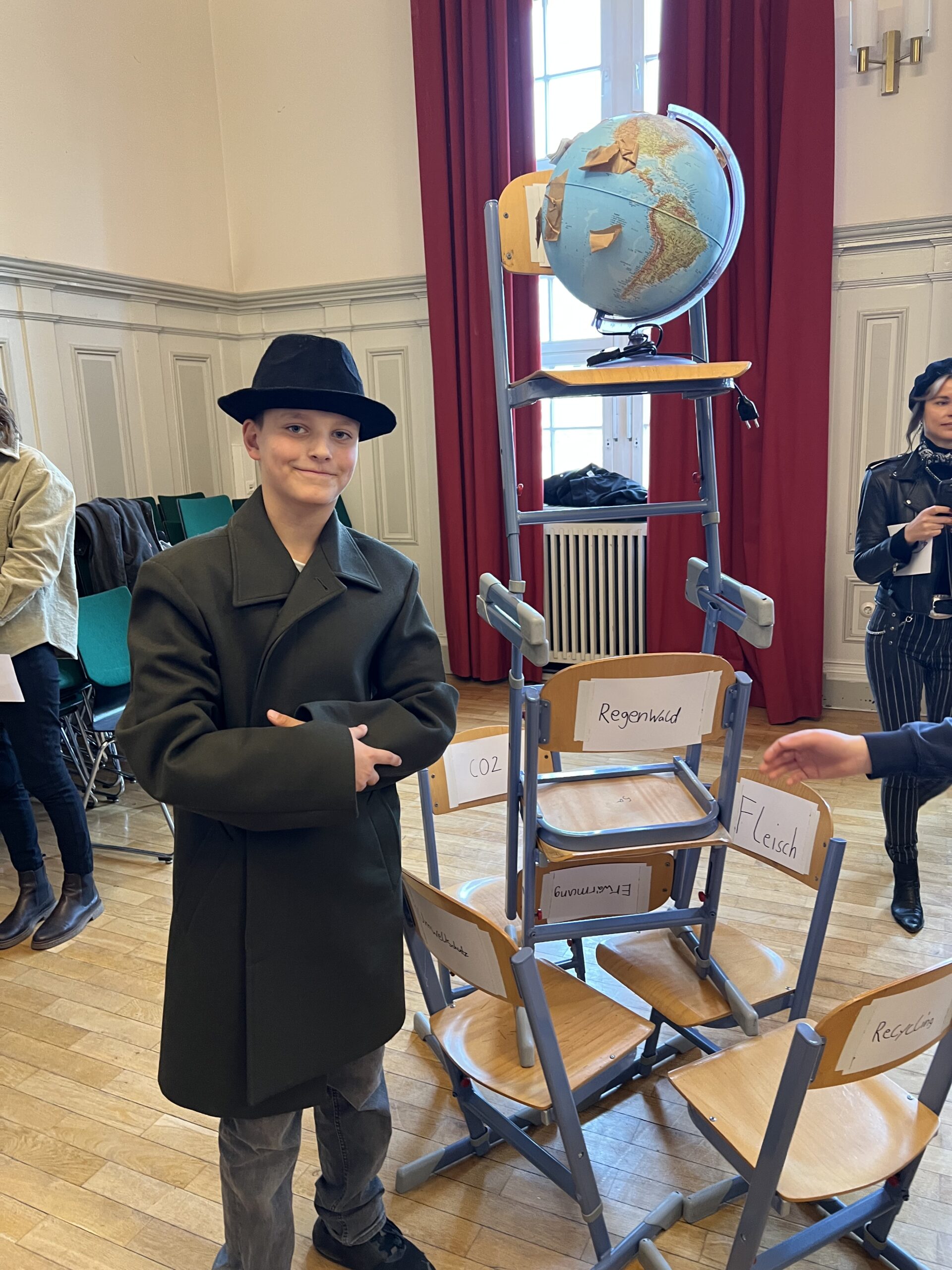
GOAL 17 – Climate goes Fluxus is an artistic project developed in five public schools in five Berlin districts. It engages students with the work and thinking of Fluxus artists Yoko Ono, Joseph Beuys, Alison Knowles and Robert Filliou and connects them with one of the 17 UN- Sustainability Goals.

Drawing on the practices of the Fluxus artists, the project approaches art as a form of attention: to lived experience, to everyday actions, and to the environments shaped by both people and nature.Ausgehend von den Praktiken der Fluxus-Künstler*innen begreift das Projekt Kunst als Form von Aufmerksamkeit: Für gelebte Erfahrung, für alltägliche Handlungen und für die von Mensch und Natur geprägten Umgebungen.
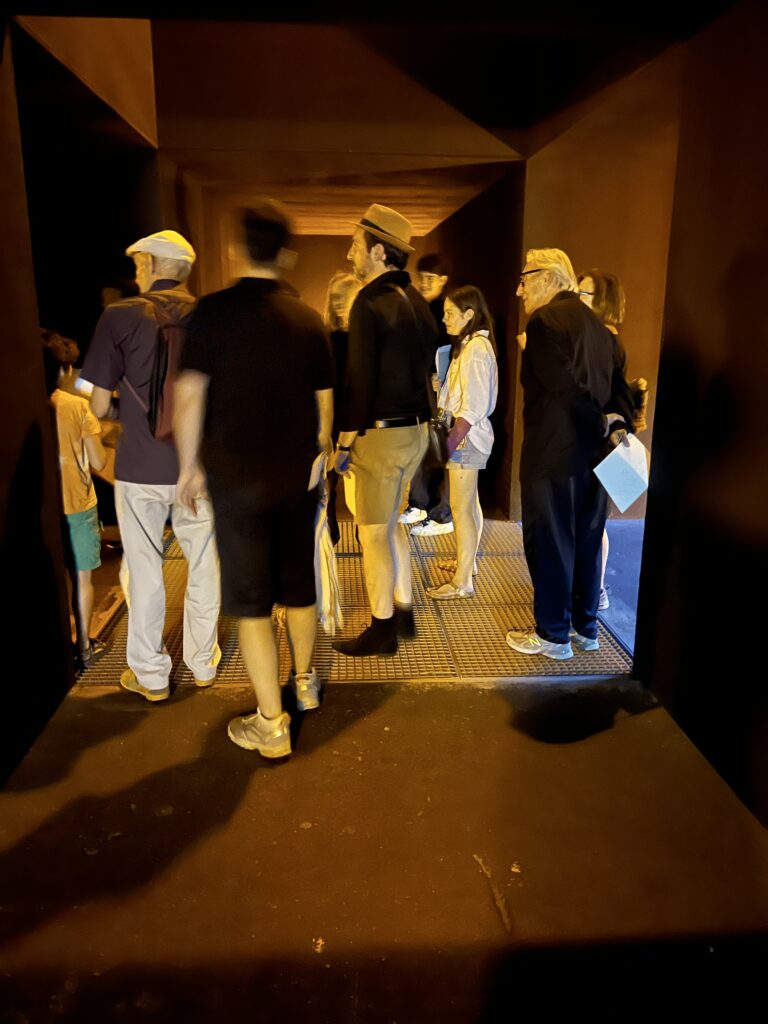
Photos by sideviews

Emerging in the early 1960s, Fluxus challenged the separation between art and life, rejecting fixed authorship and stable roles in favor of participation, experimentation, and the use of chance as a method of inquiry.

Within this framework, students are invited to work collectively through instructions, actions, and open situations, where observation, play, and dialogue become ways of thinking. The project recognizes children not as passive recipients of knowledge, but as active contributors whose perspectives can reconfigure how art, nature, and shared responsibility are understood.
Participating schools:

Rosa-Parks-Primary School, Berlin-Friedrichshain-Kreuzberg

Fichtelgebirge-Primary School, Berlin-Friedrichshain-Kreuzberg

Friedenauer Gemeinschaftsschule, Berlin-Tempelhof-Schöneberg

Carl-Humann-Primary School, Berlin-Pankow

WIR-Primary School, Berlin-Treptow-Köpenick

Financed by:

Categories
Game Museum Shadow Museum Theatre Youth Committee Shadow Museum

ClimateINjustice! at GREEN PLANET BERLIN

Pics by sideviews

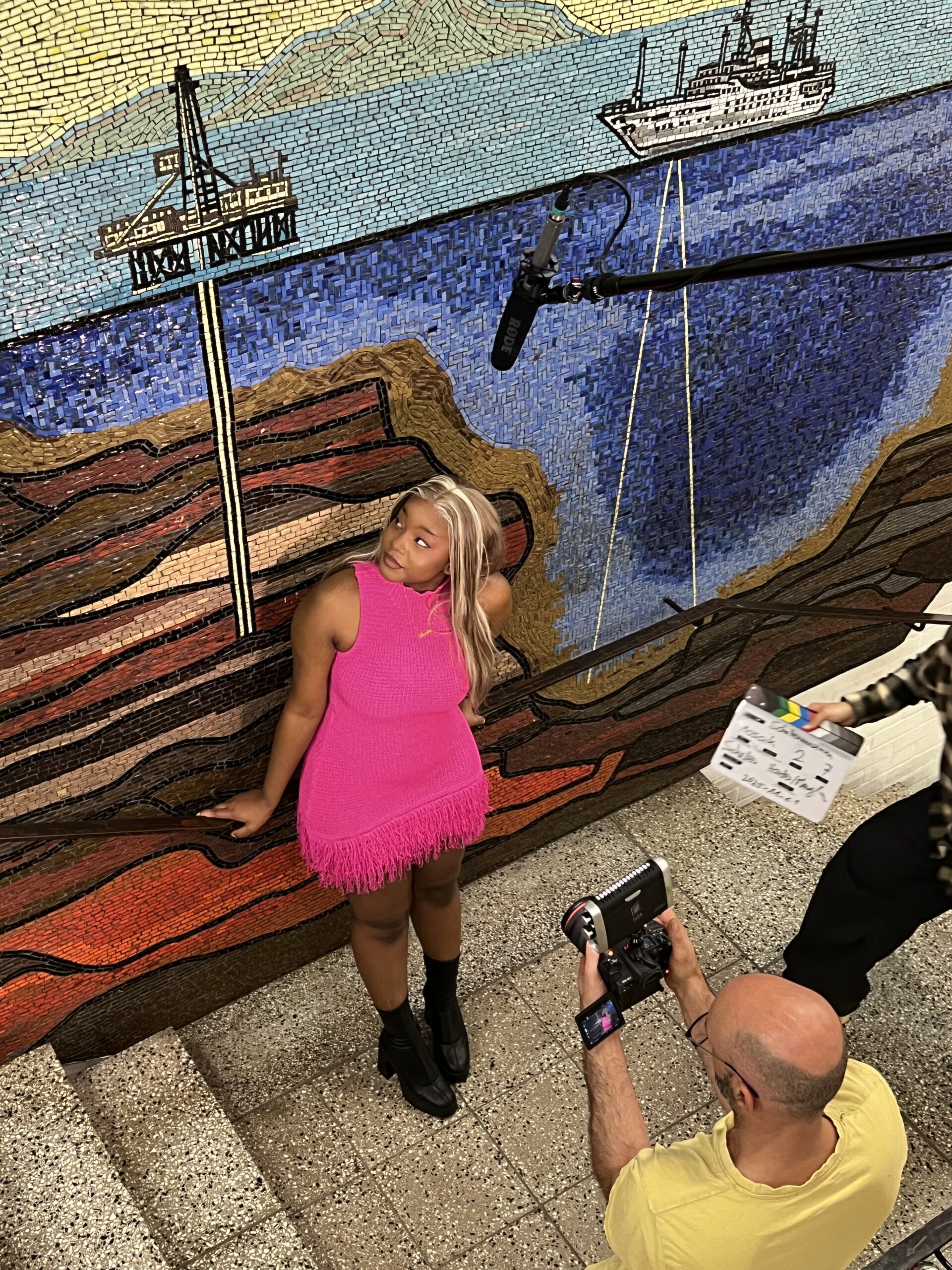
Invited by Alice – Museum für Kinder at FEZ Berlin, the Schattenmuseum (Shadow Museum) developed an artistic contribution to the exhibition GREEN PLANET BERLIN, which brings together ideas developed by more than 250 children and young people on sustainability, urban life, and possible futures. The project starts from what often remains unspoken: climate injustice and its unequal consequences across generations and regions, opening up a space where political responsibility, participation, and children’s rights can be addressed without simplification. 

A newly produced film on climate injustice, premiered in December 2025, was accompanied by an interactive activation that invited young audiences to engage critically and collectively. The performative act functions here as a shared situation, making room for uncertainty, dialogue, and the necessity of speaking about what is at stake.

Here you can watch the film ClimateINjustice!:

A project of Schattenmuseum (Shadow Museum) in cooperation with sideviews. Pics by sideviews.

The project was supported by:
Categories
Game Museum Shadow Museum Theatre Youth Committee Shadow Museum

Hamburger Bahnhof – Let’s Play, Move, Communicate!

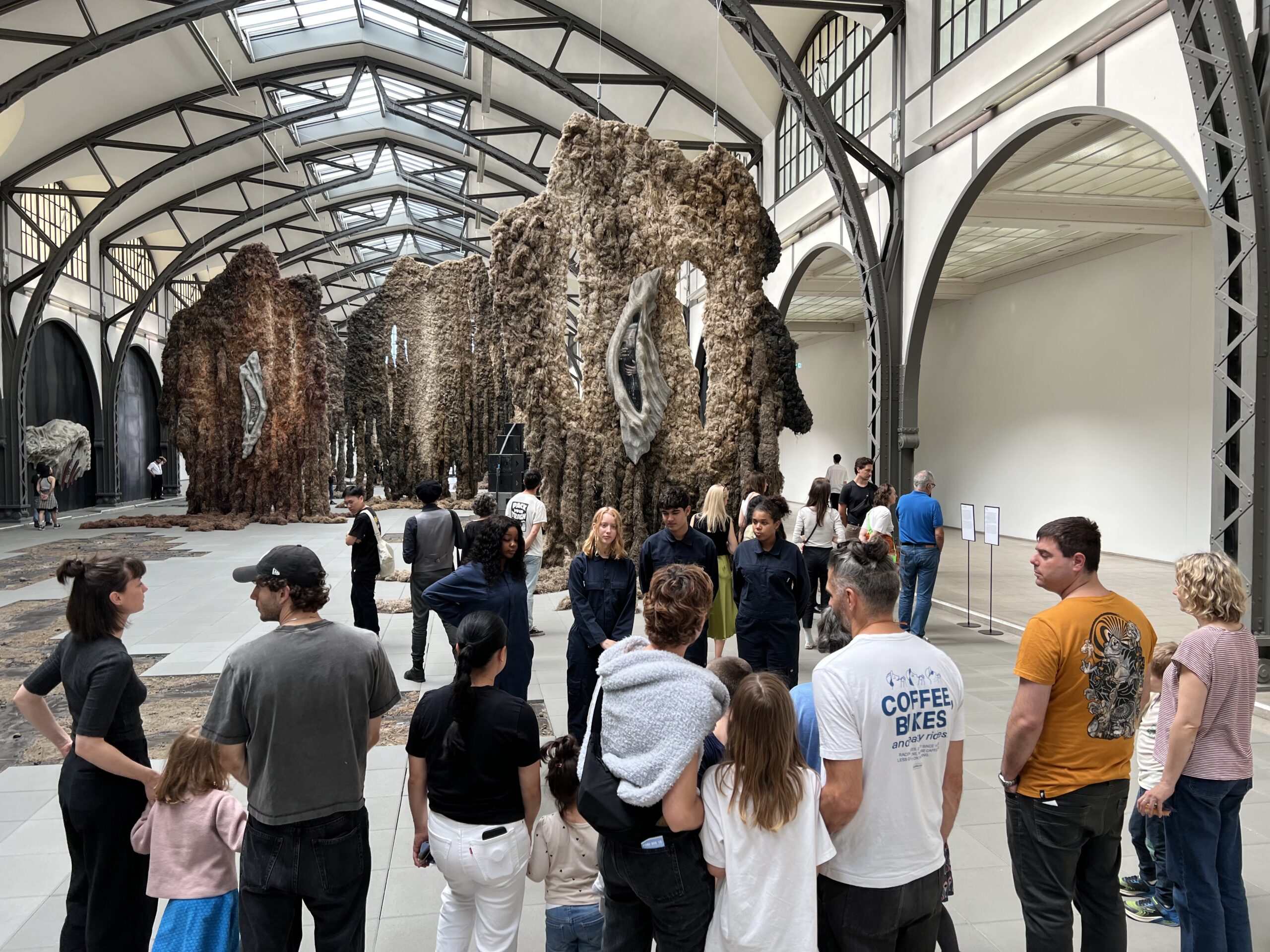
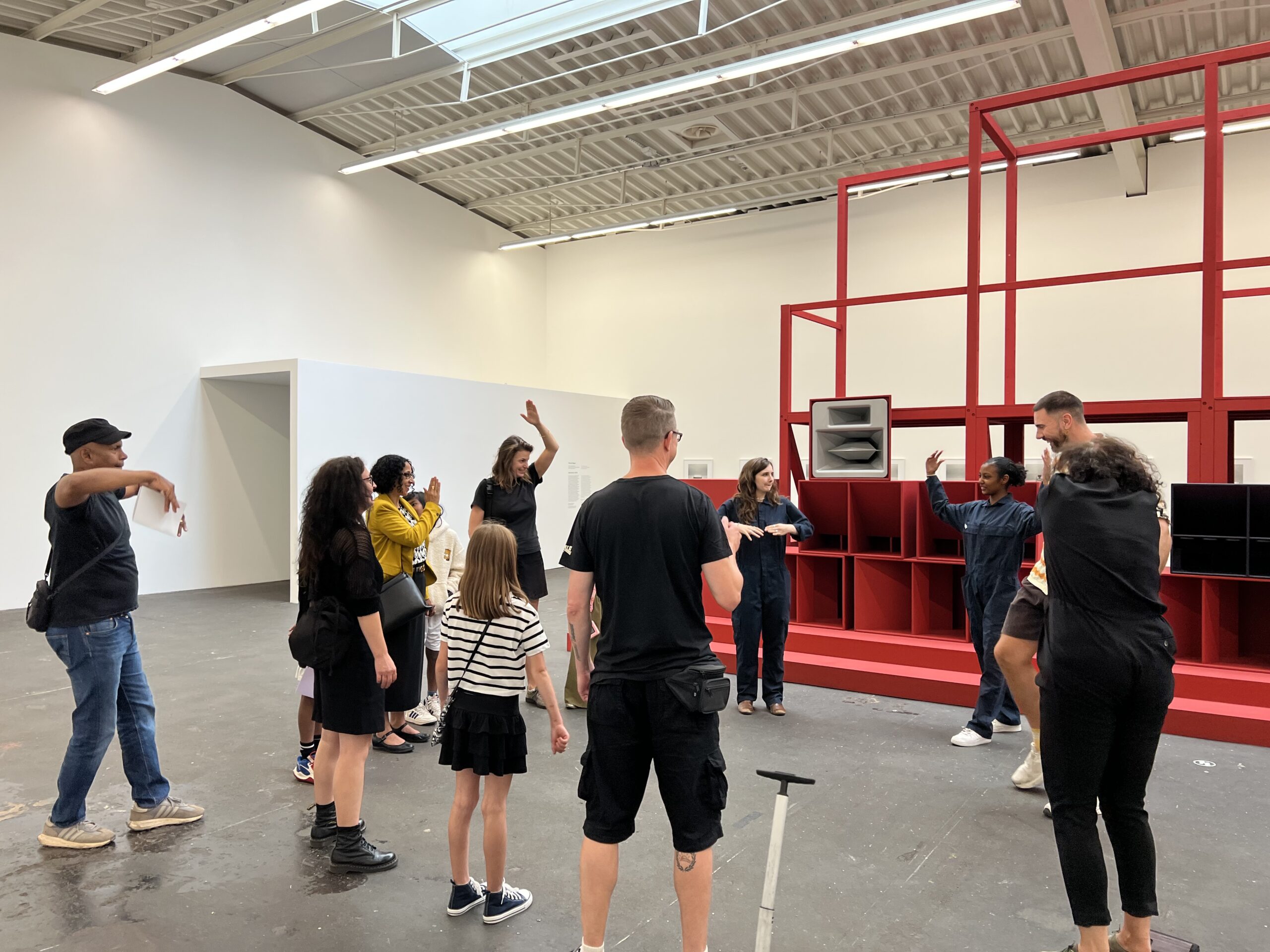
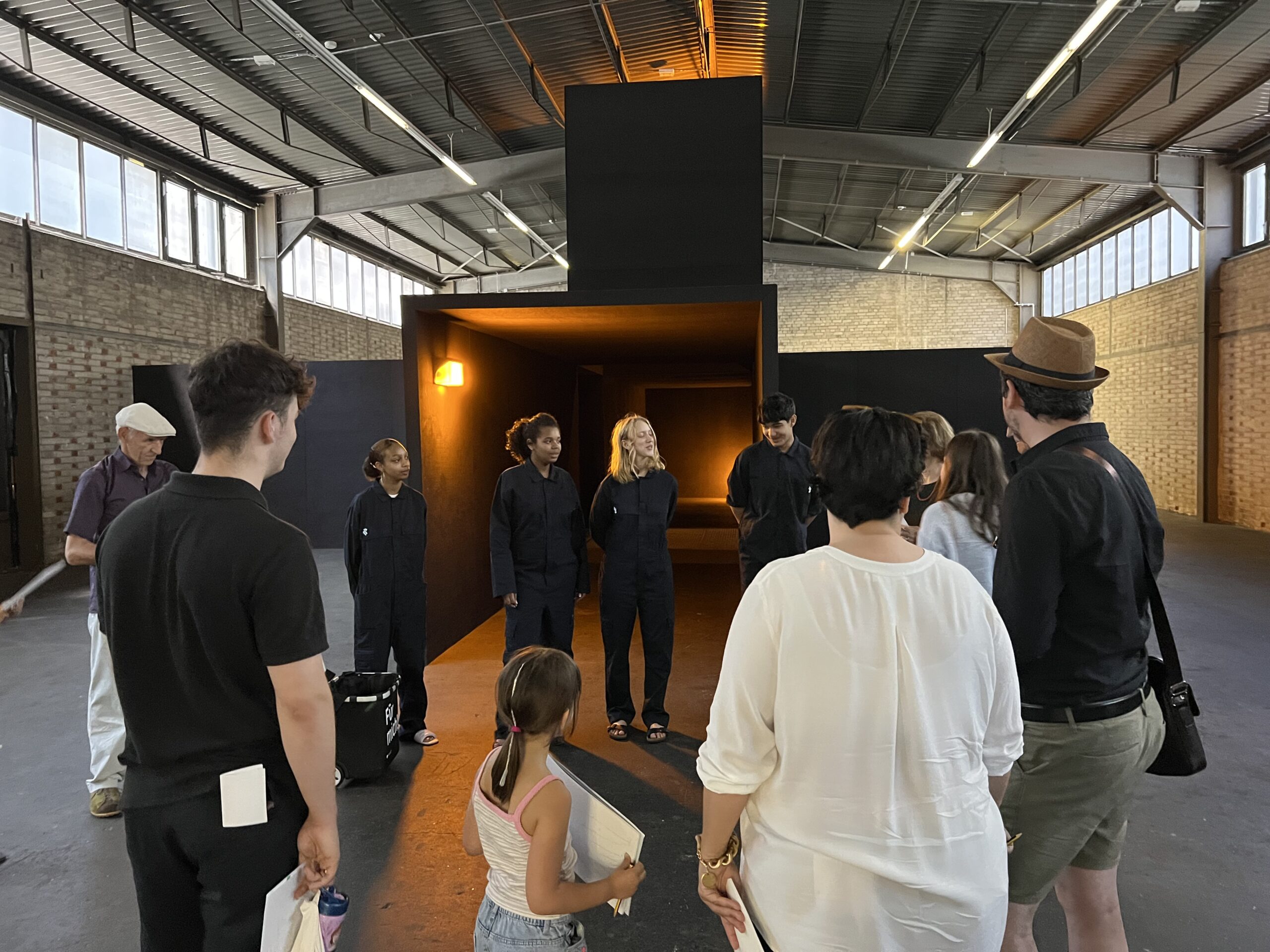
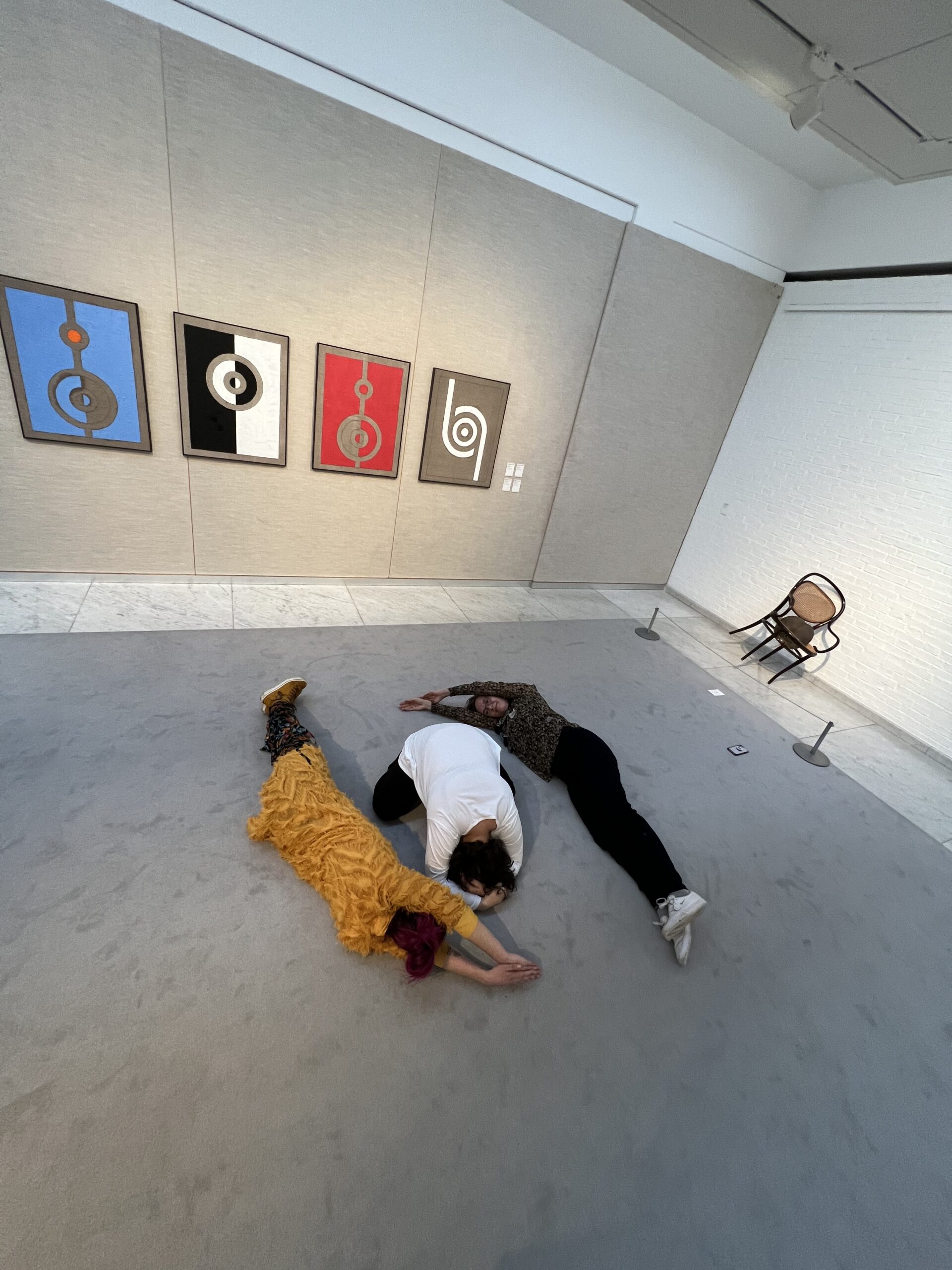
What does a museum allow? How can we move, sound, and think together inside a space that often expects us to observe quietly? For Hamburger Bahnhof, the Shadow Museum developed a series of collective experiments that stretch the boundaries of exhibition experience. Playing, building images, and telling stories become ways to question familiar conventions.

These interactive tours explore how public space shifts when visitors claim agency and curiosity leads the way. Art becomes a shared field of exploration where new relationships can emerge between people, objects, and the institution that hosts them.

A project by the Shadow Museum with sideviews.

Categories
Game Museum Theatre

BREAKING POINTS.Fragments

Could you be the protagonist of your history?

The GDR, as a chapter of German history, has been swimming in a variety of documented facts for more than three decades, but it has also been drowned in different versions of what happened: historians, professors, politicians and other specialists, each speaking from their field of knowledge about this delicate subject, have offered their perspectives. However, this necessary process has often been surrounded by a set of fair and unfair judgments about the Berlin Wall and what happened related to this during those years. 

But the „West“, as it’s clear, could also be assessed concerning these same issues. In the background of this dynamic the question arises: Who is narrating on behalf of whom exactly?

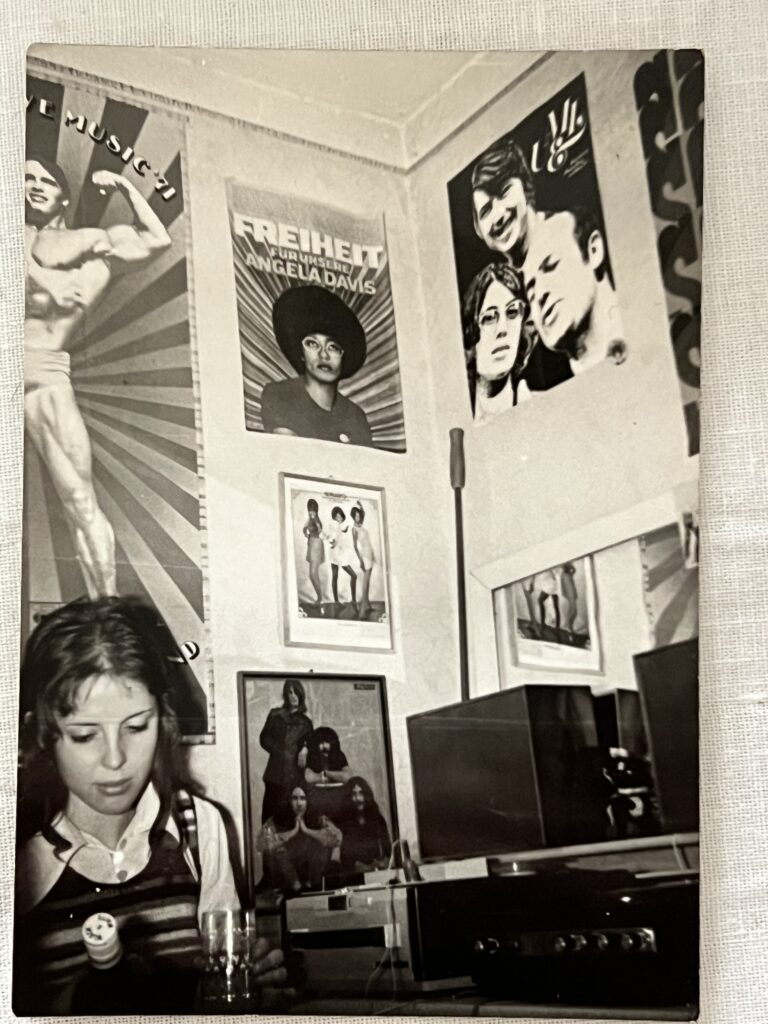
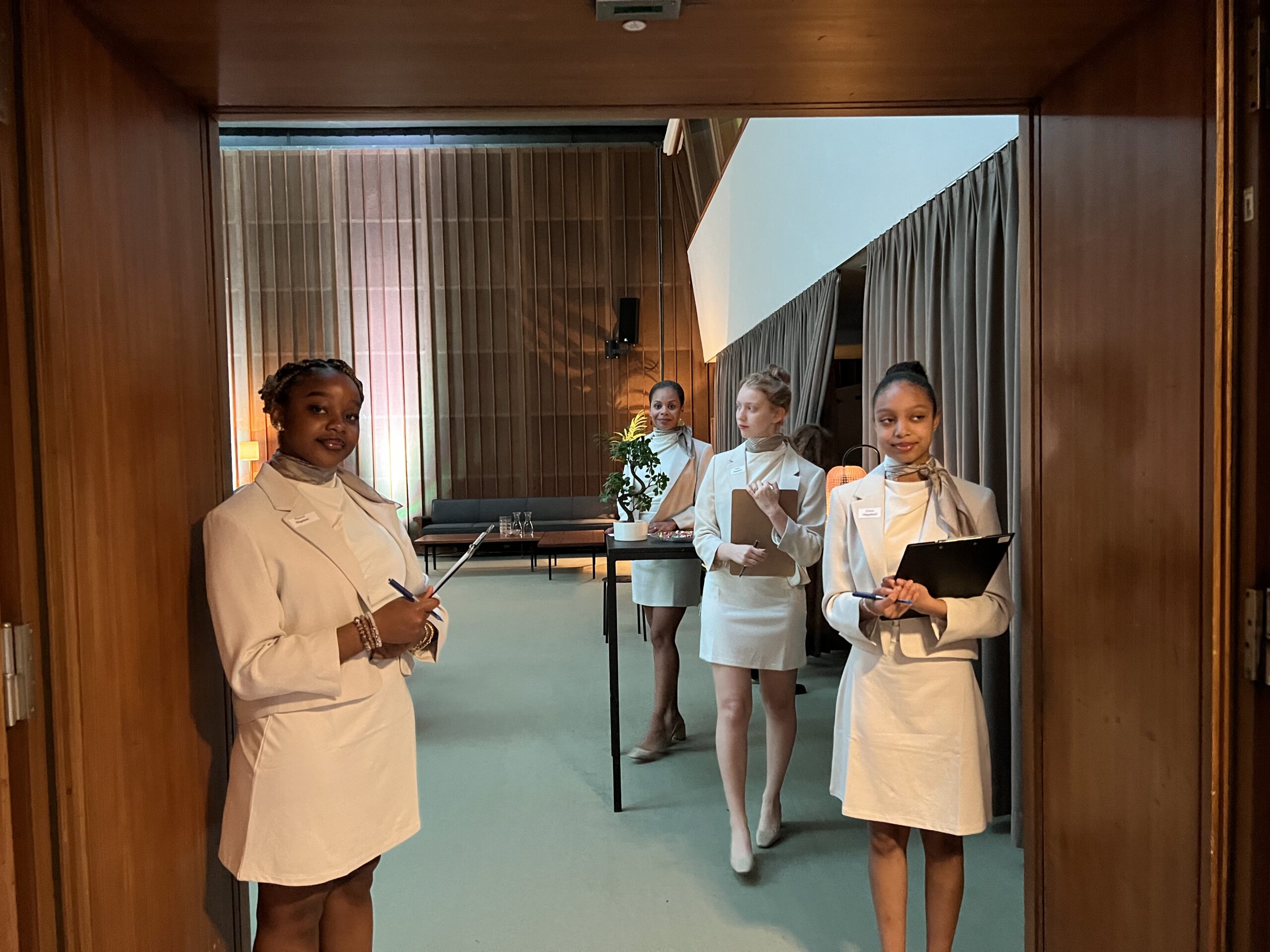
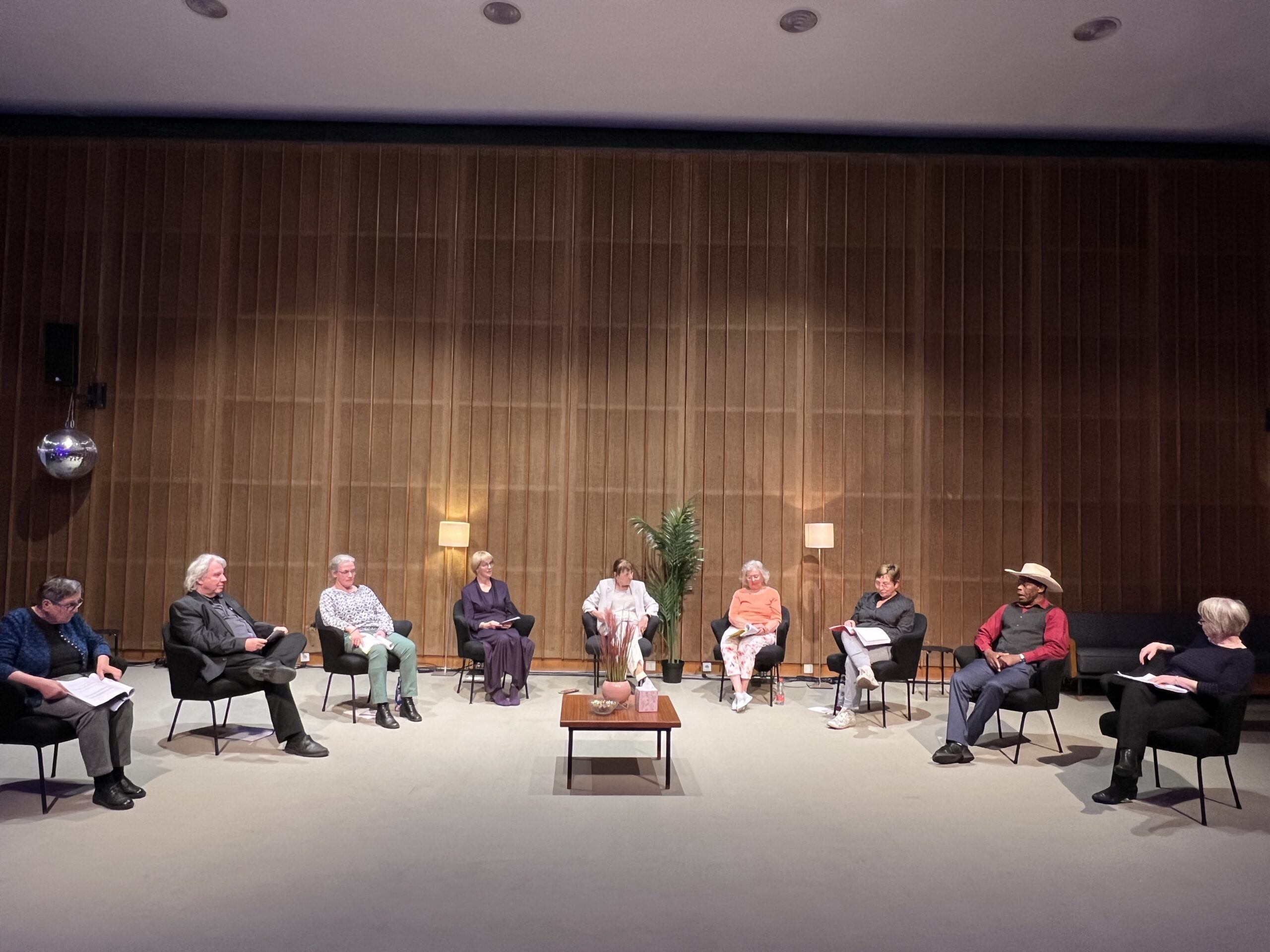
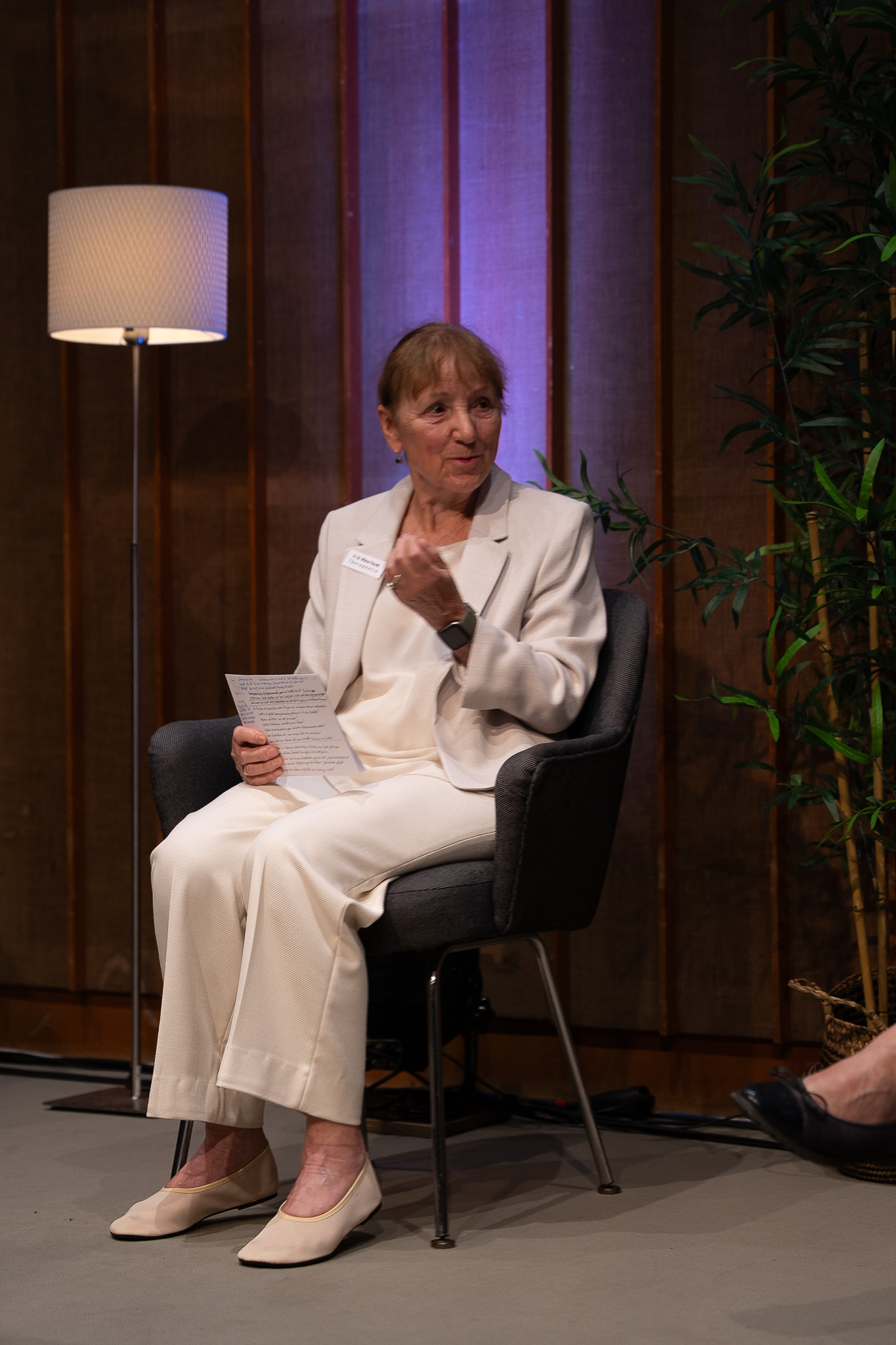
The project BREAKING POINTS.Fragments was developed by sideviews with contemporary witnesses from Marzahn-Hellersdorf in cooperation with HKW (House of the World Cultures). It addresses the historical issues raised by the exhibition project Echoes of the Brother Land in a process that attempts to listen to and give a voice to those who experienced the facts of divided Germany and their experiences of events in the “East” in relation to immigration, labour and racism in society. However, BREAKING POINTS.Fragments refuses any form of judgement to listen to the voices of those who experienced the facts. It gives power back to the protagonists in a theatrical-therapeutic gesture: what has been repressed inevitably returns.

Artistic director/director: Anja Scheffer

Films: Daniel Harder

Editing: Cornelis Harder

Costume design: Daria Kornysheva

Production Management: Anna Bartels, Anja Scheffer

By and with: Hannelore Eckert, Wilma Florath, Monika Kegel, Hans-Heino Luxa, Tomma Luxa, Kirsten Müller, Anja Paetsch, Christel Sickers, Uwe Sickers

Guests: Juana-Victoria Güneser, Mavinga P. Petrasch, Ibraimo Alberto, Romy Drieschner, Elona Sagor, Phanuel Nlend Nlend

Foto sideviews
Categories
Game Museum Theatre

Shaping Patterns

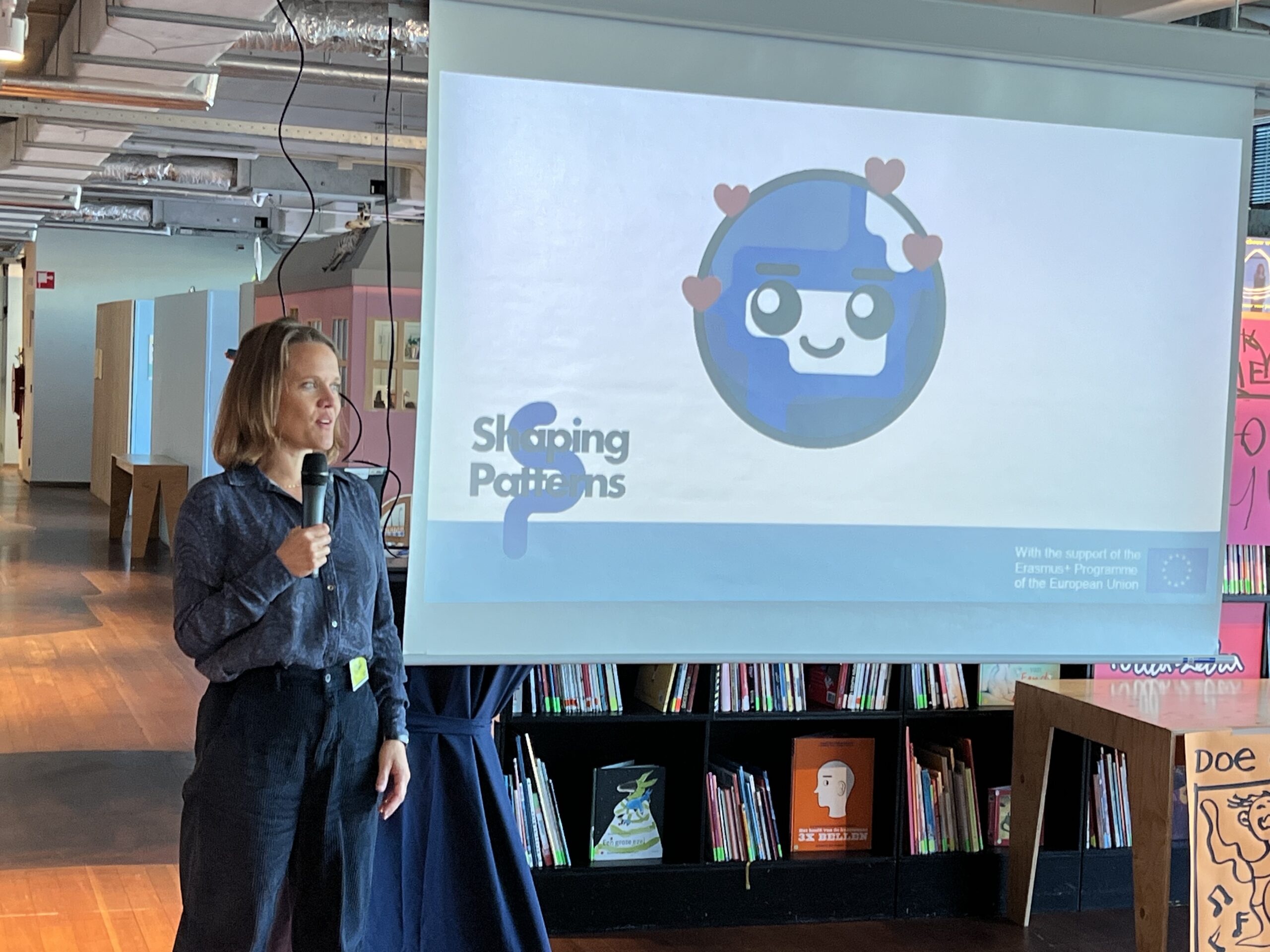
Shaping Patterns was a transnational project that addressed the added value of art in education for sustainable development.

On the one hand, the cooperation between the fields of primary education and art was to be professionally accompanied, promoted and qualified in order to develop new approaches and key competencies in education for sustainable development – for human, social, economic and ecological sustainability. On the other hand, children were supported to question the world of tomorrow through their own artistic and experimental approaches and to relate them to their findings.

Shaping Patterns aimed to develop collective artistic interventions that engage a public audience while focusing on the theme of sustainable development.

The project partners are from Denmark, the Czech Republic, Germany, Greece and the Netherlands and all rooted in the arts. They place particular emphasis on involving and engaging children, families, kindergartens and schools, and have extensive experience working with the education sector, including early childhood and primary education.

From the perspective of sustainable development education, the Shaping Patterns project aimed to develop concrete methods and tools that can support elementary school teachers* and arts institutions in developing learning environments for questioning, imagining and creating new ideas for tomorrow’s world, because arts and culture can play a central role in the development of new patterns, ways of thinking and attitudes.

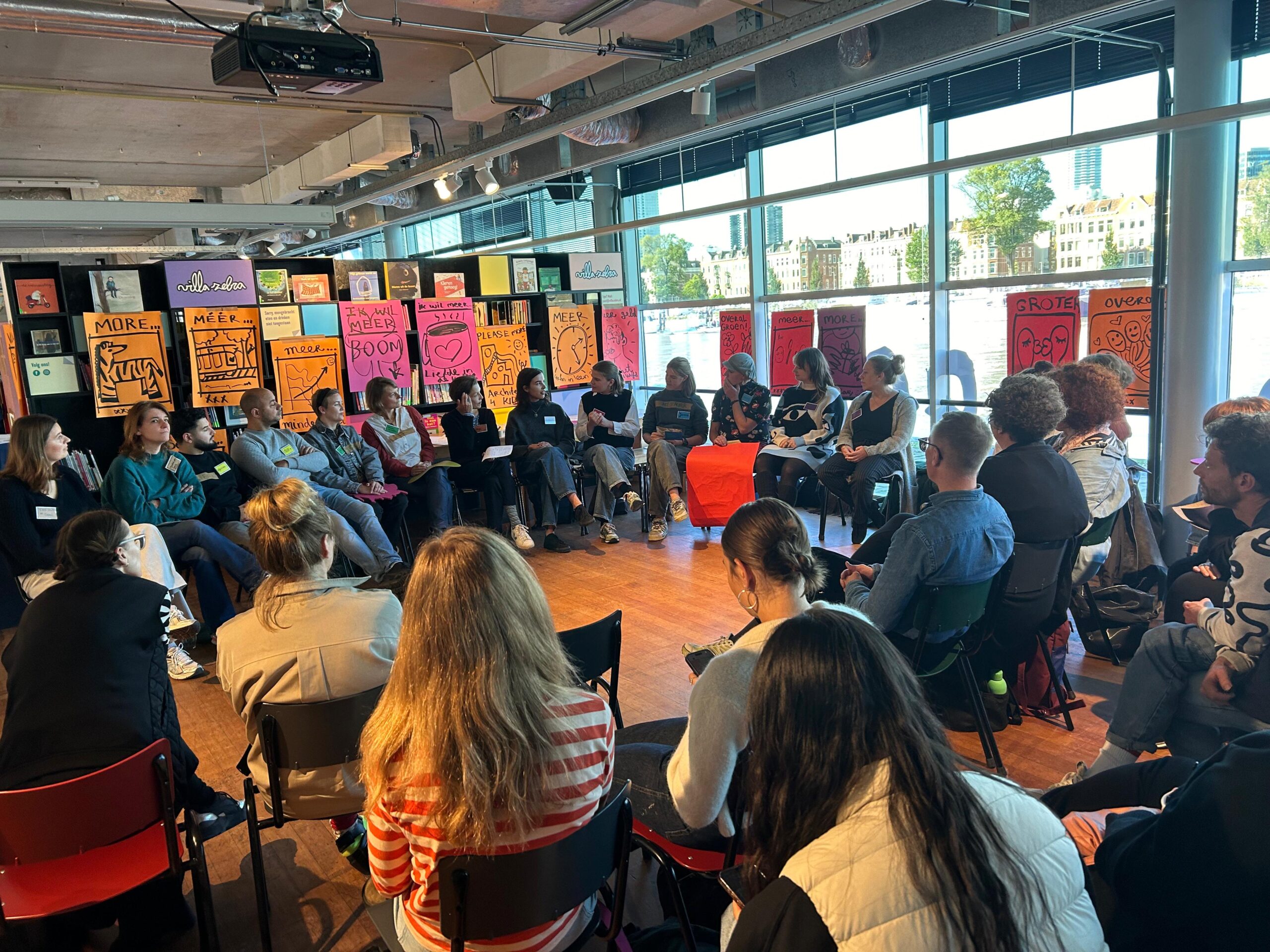
Within the framework of the EU funding ERASMUS+, Shaping Patterns was implemented from October 2022 to October 2024 with six partners from Viborg, Aalborg, Athens, Ostrava, Rotterdam and Berlin.

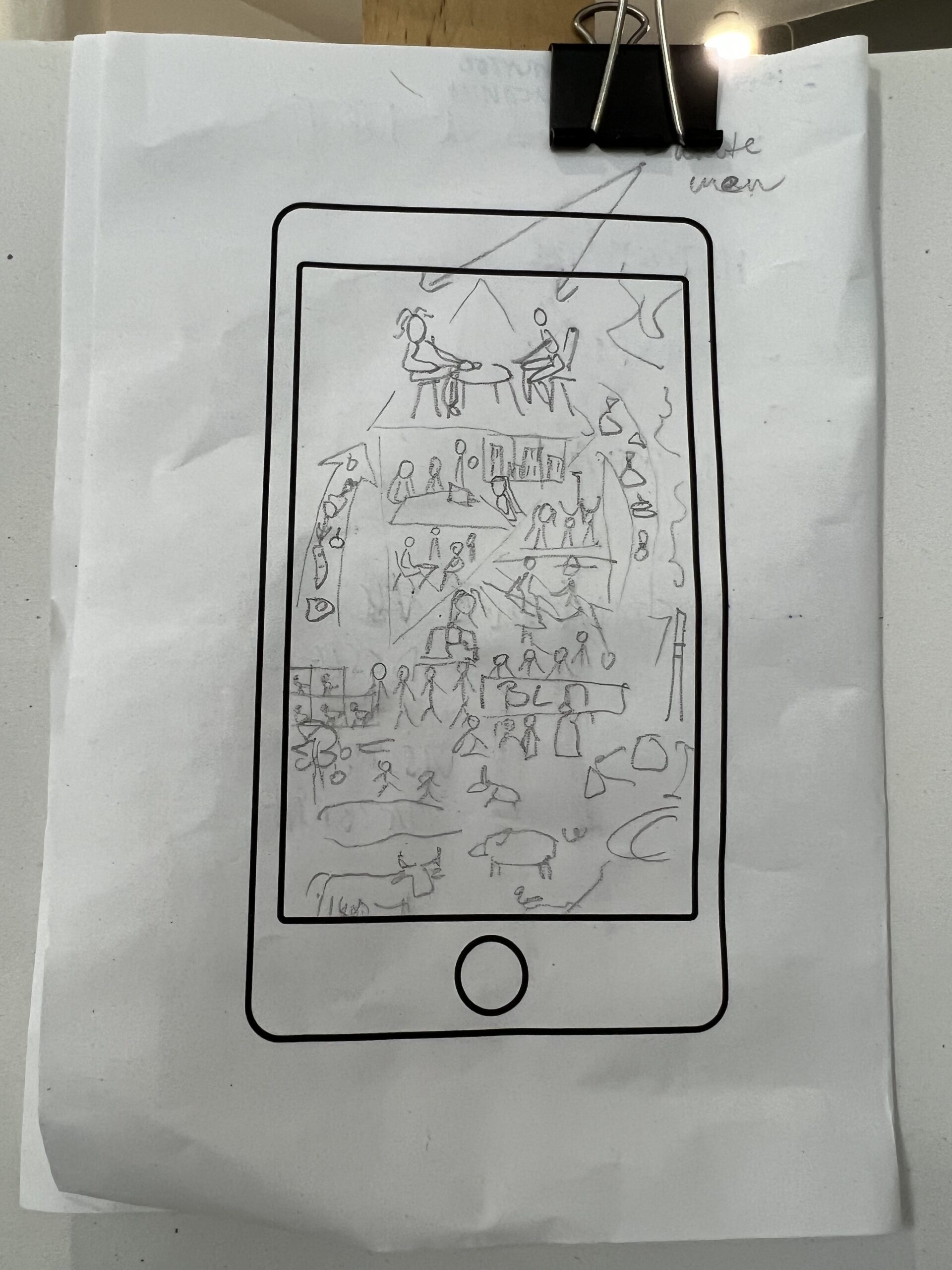
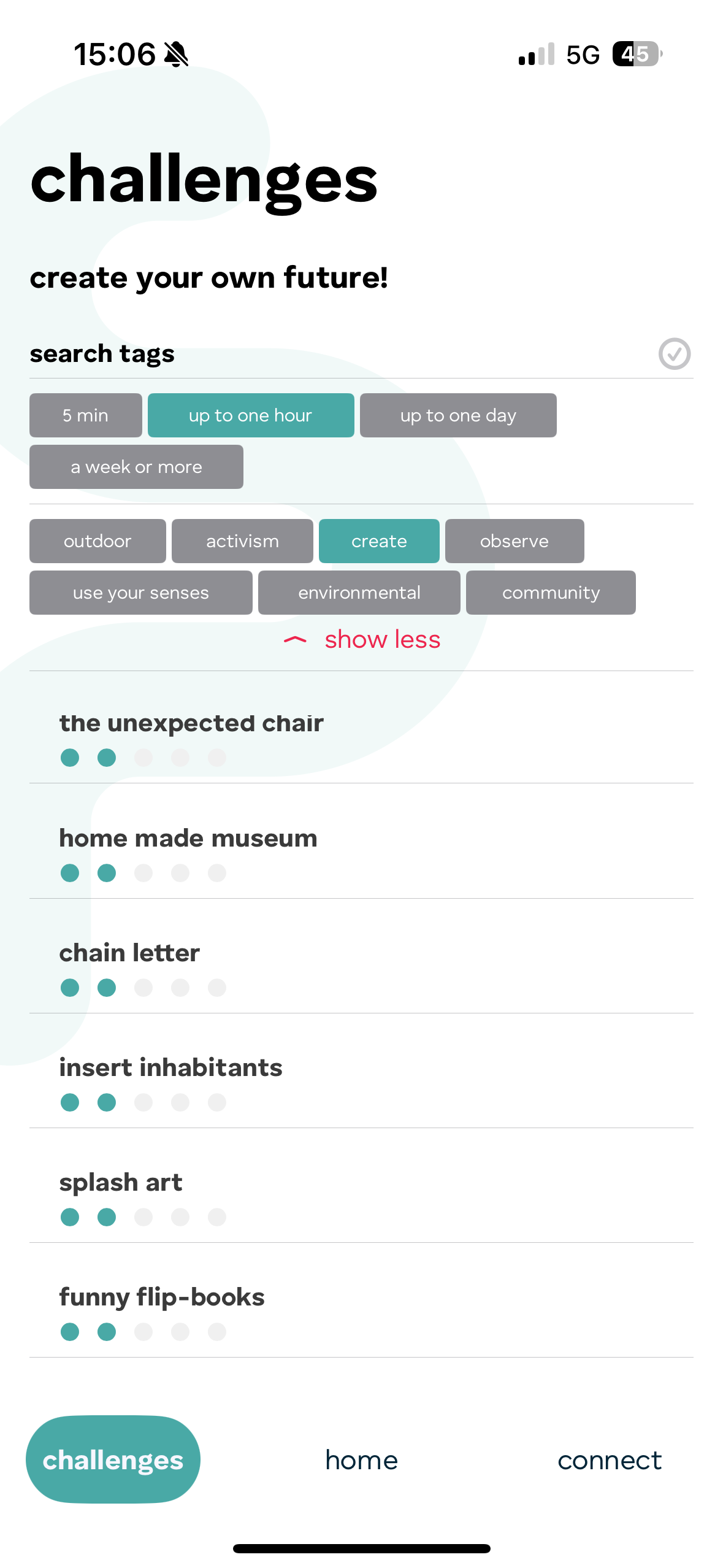
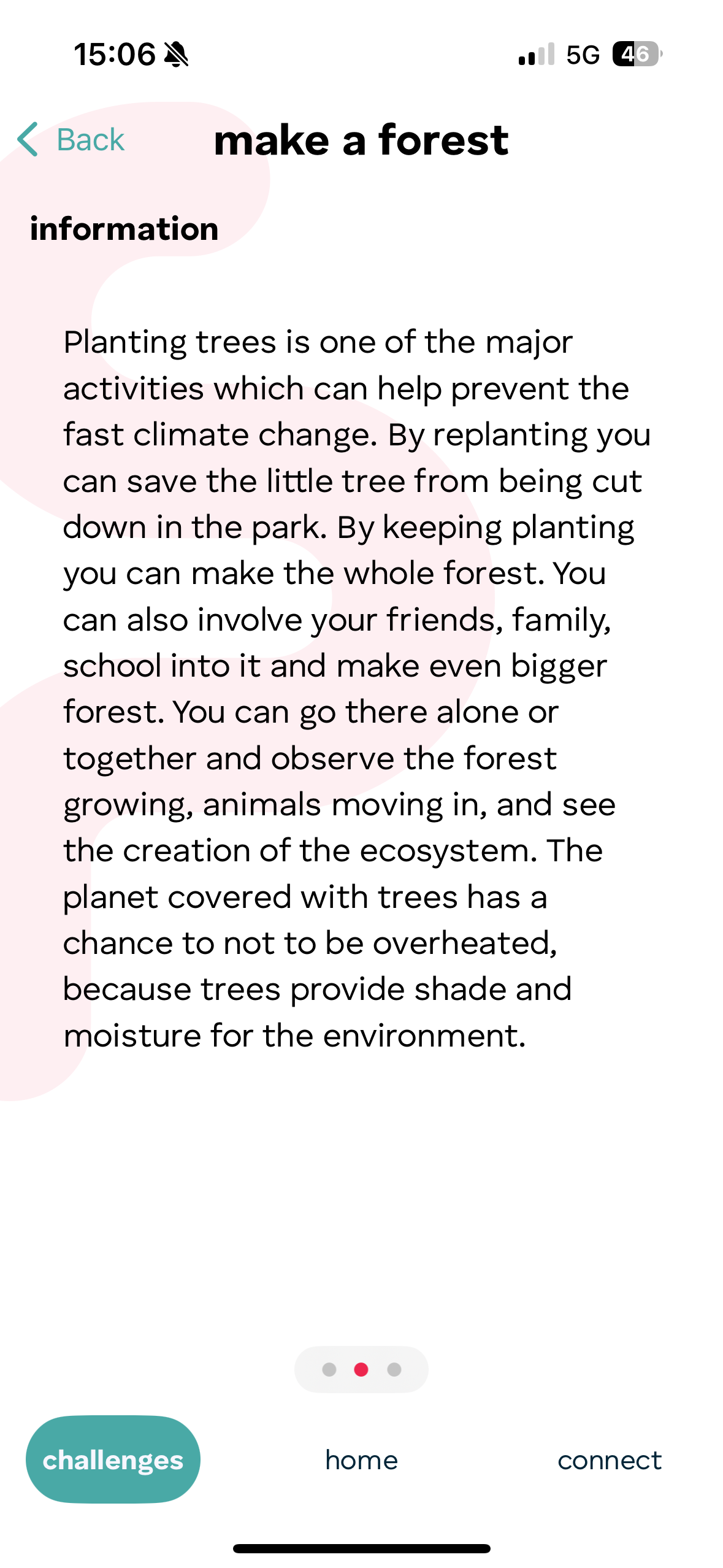
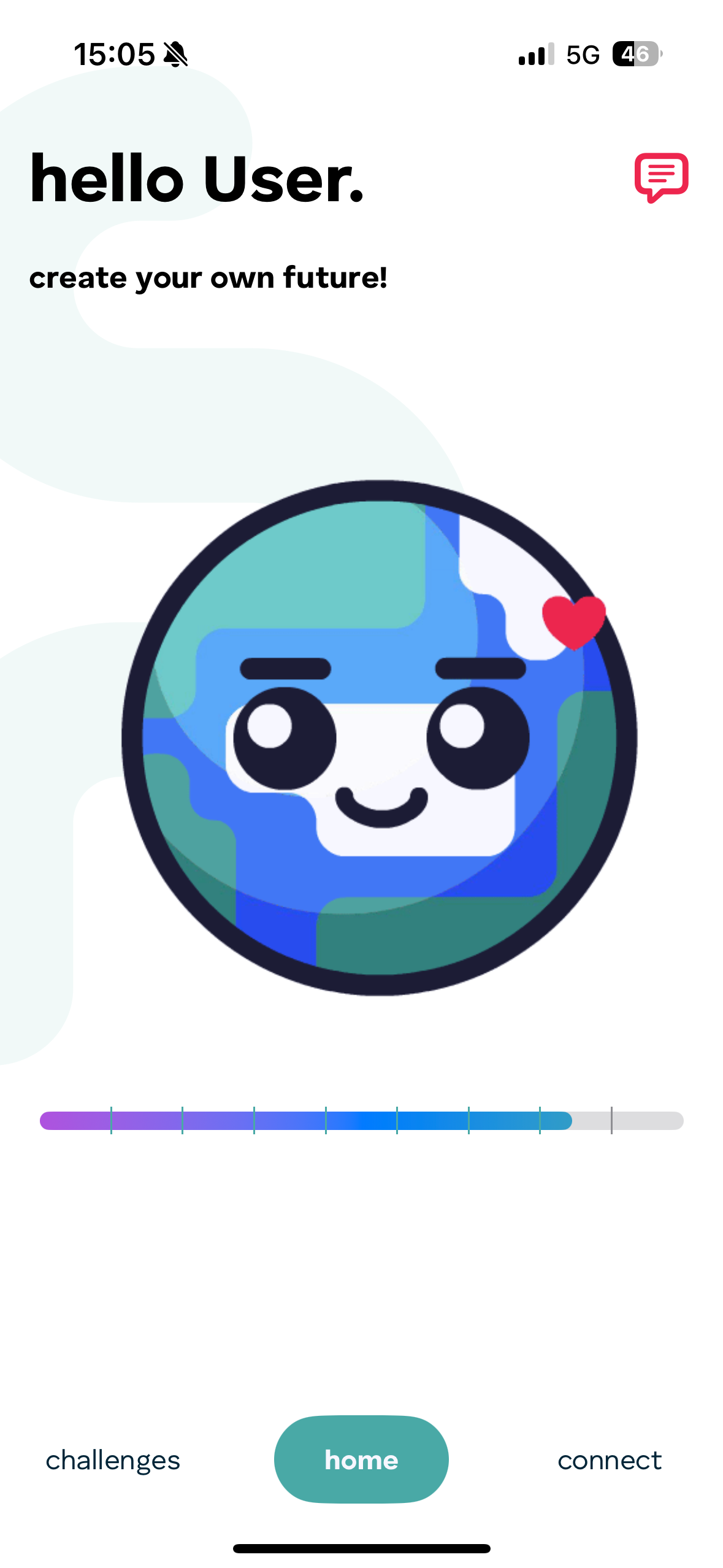
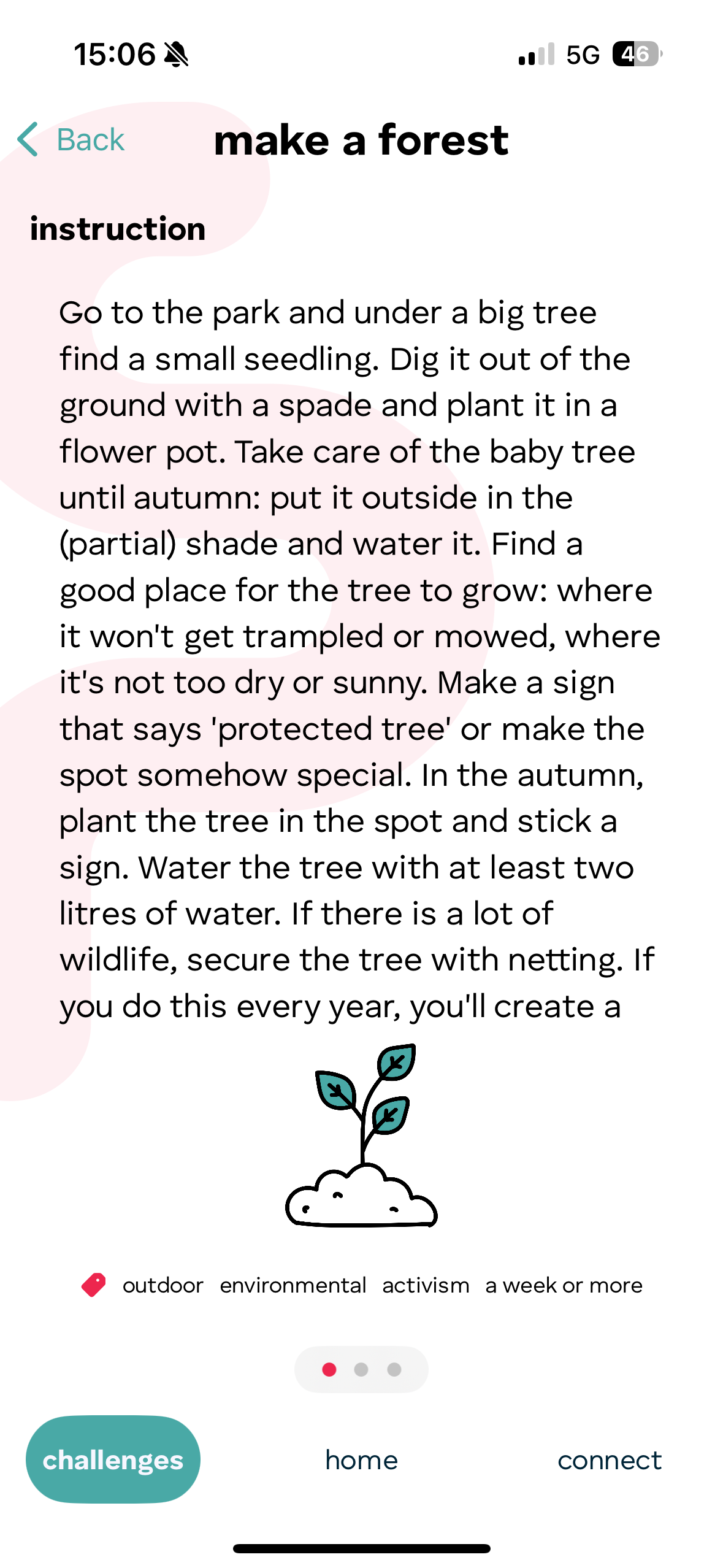
As a result of Shaping Patterns, an app has been created that contains challenges through which children and adults can artistically and playfully contribute to supporting the healing of our planet.

Here you can find the Shaping Patterns Dokumentation

Shaping Patterns Partners:

https://shapingpatterns.eu/

https://kulturprinsen.dk

https://www.yellowbrick.gr

https://kunsten.dk/en

https://plato-ostrava.cz

https://villazebra.nl

Categories
Game Museum Theatre

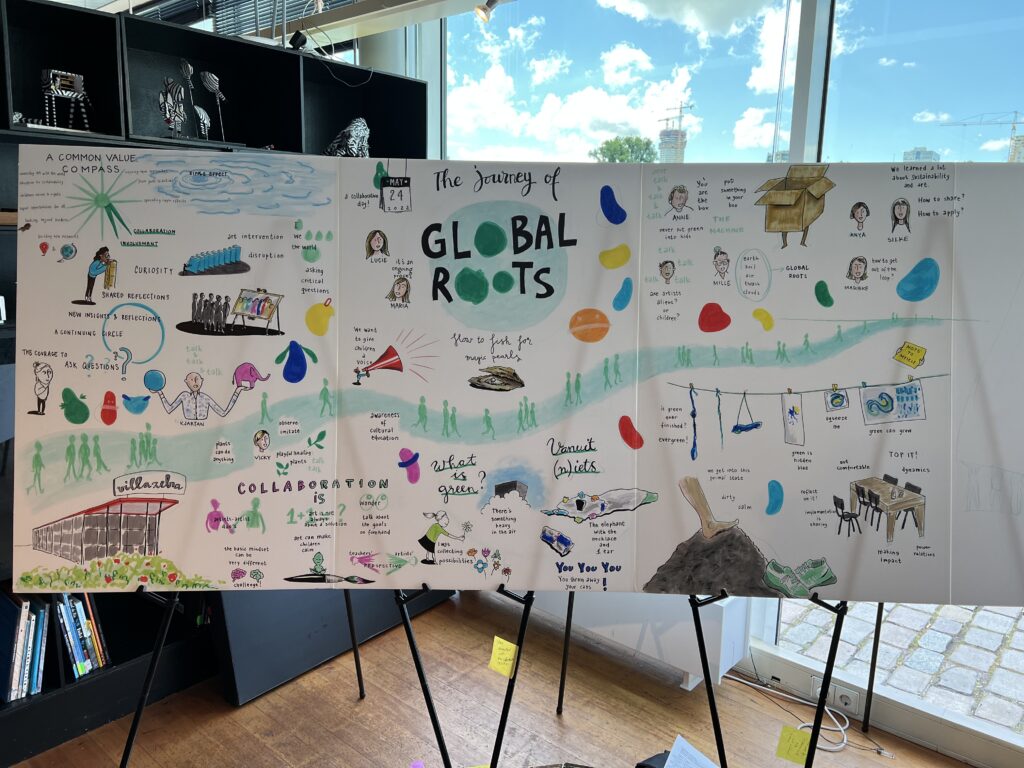
GLOBAL ROOTS

Seven European partners from Denmark, Sweden, Hungary, Germany, and the Netherlands have joined the GLOBAL ROOTS project to explore the connection between art, culture, creativity, and education for sustainability in primary schools. Through shared experiences, they have developed the Global Roots platform, offering new ideas for educational practice.

Supported by Erasmus+ (EU), the Stadtapotheke has established contacts with various partners, exchanging and reflecting on strategies. Together, they are developing a tool to compile and analyze their experiences. This collaboration highlights similarities and differences in approaches, promoting project ideas and partnerships between artists and schools. The cooperation fosters new ways for children to address issues of active global citizenship and sustainability.

https://globalroots.eu/

Categories
Game Youth Committee Shadow Museum Museum Museum Shadow Museum Shadow Museum Game Theatre Theatre Youth Committee Shadow Museum

SIRIBOX Mini

SIRBOX Mini is the digital derivative of SIRIBOX*.

Users can interact through play with concealed aspects and content in works of art, exhibitions, urban spaces and other settings.

SIRIBOX Mini was developed as part of Open Secret** by the Schattenmuseum Youth Committee in an examination of the programme and history of the KW gallery in Berlin and produced as an app. Users can add their own experiments to the app and store them in situ.

Download SIRIBOX Mini:

SIRIBOX Mini Appstore

SIRIBOX Mini Android

*The SIRIBOX was a 2019 collaborative creation between the Schattenmuseum Youth Committee and 456  class pupils of the Nürtingen elementary school and their teacher Wiebke Janzen in cooperation with sideviews e. V. and the Berlinische Galerie.

**Open Secret: https://opensecret.kw-berlin.de/de/artwork/siribox-mini/

KW Institute for Contemporary Art has been sponsoring the app since 2021.

The SIRIBOX Mini could be realized with the financial support of:

Categories
Game Youth Committee Shadow Museum Museum Museum Shadow Museum Shadow Museum Theatre Youth Committee Shadow Museum

K36 – Kotti at second glance

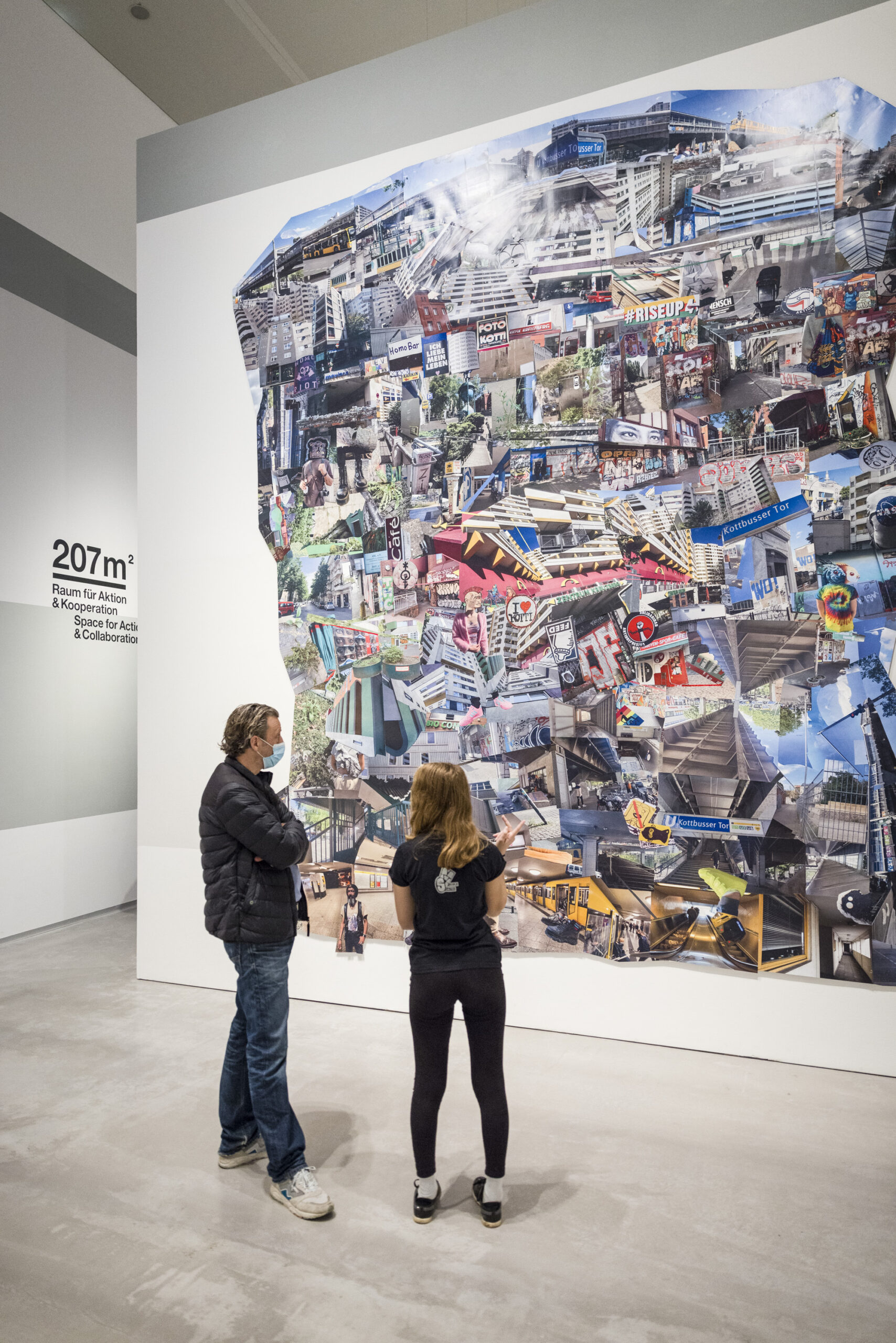
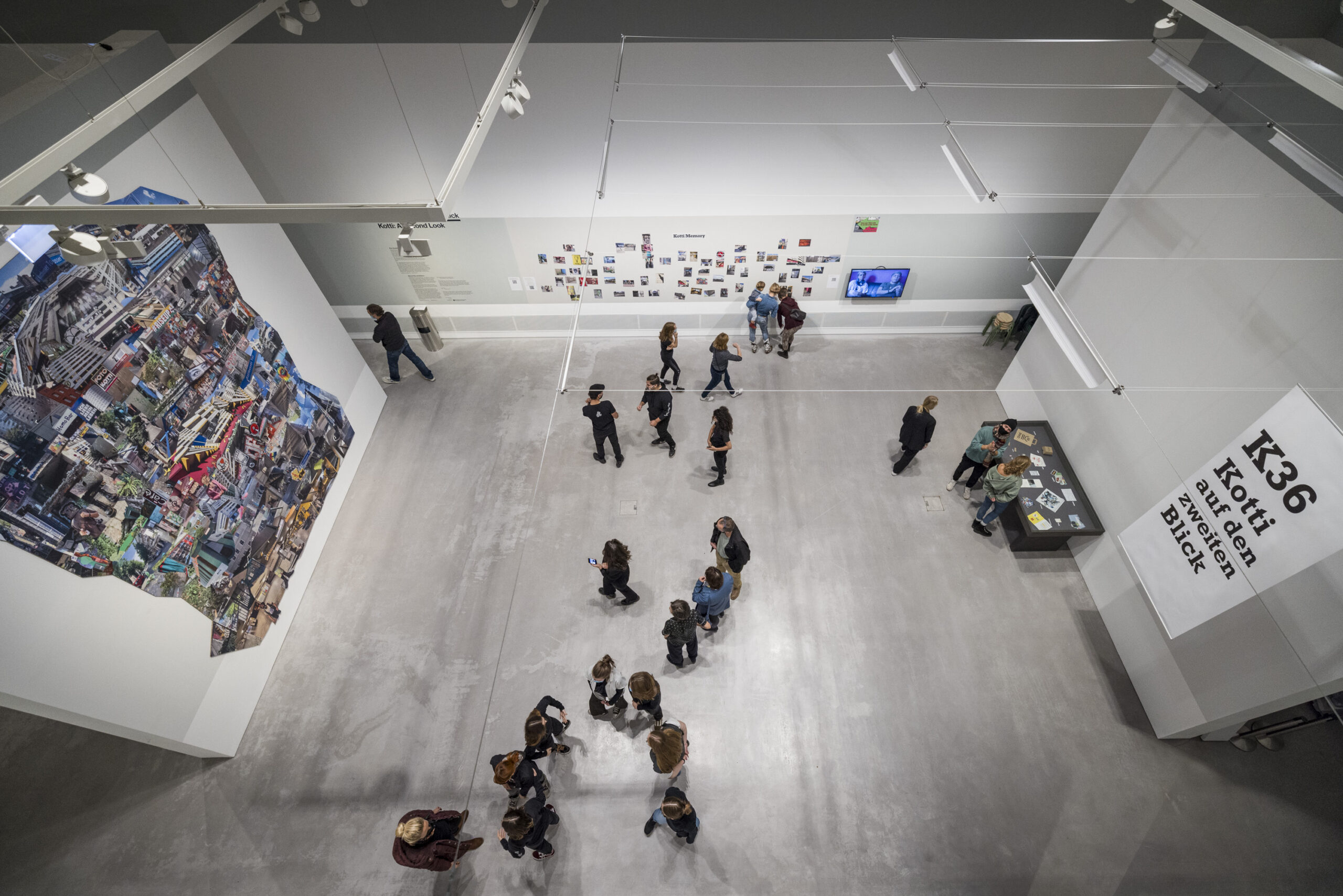
Kottbusser Tor in Kreuzberg 36 – for some a district to give a wide berth but, for many others, a place of acceptance where culture, religion and individuality converge. The exhibition “K36 – Kotti at a second glance” shows the urban space from the perspective of young people and presents various approaches to vanquishing prejudices and getting to know ‘Kotti’. Last year, the Shadow Museum Youth Committee conducted urban research around Kotti, putting it under real scrutiny; the exhibition is like a second, closer look.

The project developed for the Berlinische Galerie was another part of the Shadow Museum ‘s programme. Kottbusser Tor in Kreuzberg, a challenging and stigmatised urban space, became a focus for the Shadow Museum Youth Panel which, through its on-site research, proposed an anthropological change of perspective. In the public eye, Kottbusser Tor is associated with images and discourses of social disorder. However, most residents and passers-by experience this urban space as one of permanent negotiation toward a mutual respect – a hidden social reality made apparent by the intensive dialogue between the Shadow Museum and the residents.

The result was 7 collectively developed videos, hundreds of photos that were processed into a 5x5m wall collage and a memory wall by means of which visitors could approach Kotti in an interactive way. 

More informations about the background of the exhibition K36 – Kotti on second glance.

And here you can find all videos: Alle Videos

 The exhibition “K36 – Kotti at second glance” was realised in the Berlinische Galerie in 207 m².Space for action and cooperation by:

Alisha Bronnert, Anja Scheffer, Daniel Harder, DJ B.Side, Eddie Kuchar, Elias Briller, Hüseyin Yilmaz, Jahmila Bronnert, Junis Hanafi, Karla Gangloff, Laith Azimi, Mathilda Marten, Monir El-Helwe, Moritz Scheffer, Oğuzhan Altintas, Romy Drieschner, Seraphina Lenz, Silke Ballath, Zahraa Abdul-Hamid


Categories
Game Youth Committee Shadow Museum Museum Museum Shadow Museum Shadow Museum Game Youth Committee Shadow Museum

Festival: Sketch-In

As part of the exhibition “Gezeichte Stadt”, the Berlinische Galerie invited the Shadow Museum Youth Committee and sideviews to submit a contribution to the Sketch-In Festival.

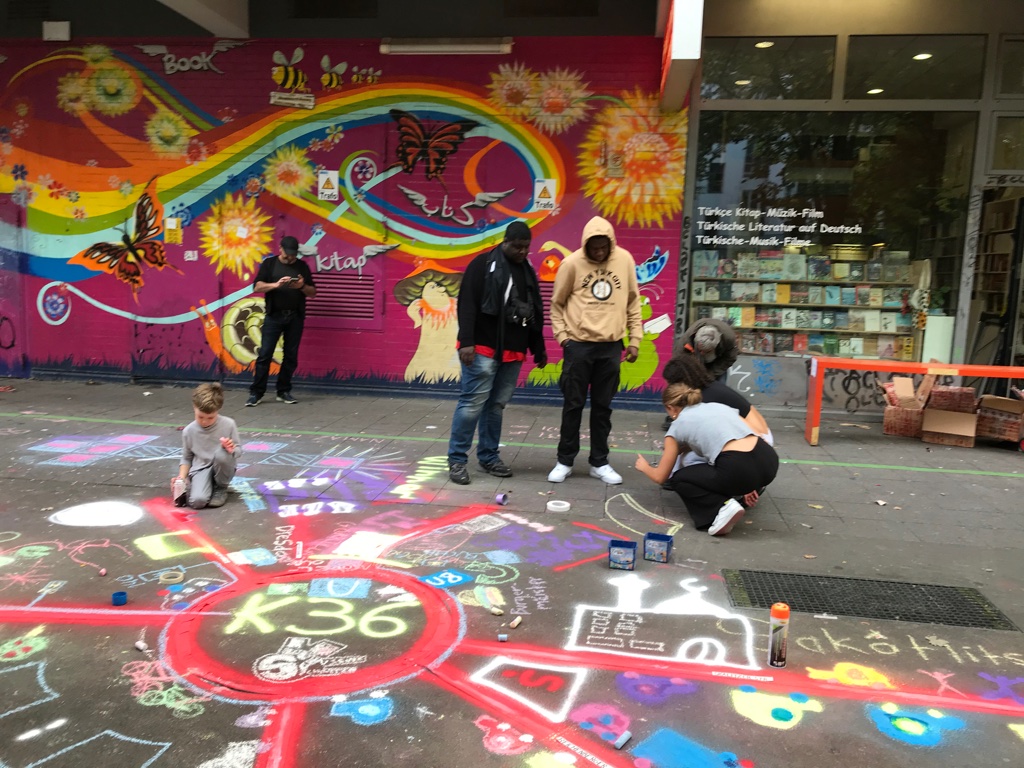
On October 3rd, passers-by were invited to sketch together with the youth committee at Kottbusser Tor / Zentrum Kreuzberg. The youth committee was interested in what is important to the people of Kotti. The process was filmed and broadcast live at the festival in the Berlinische Galerie.

There were also various collaborative drawing activities in the museum, on the forecourt and in the neighbourhood, always pursuing the questions: What can drawing be? What role does it play in urban space?

The concept for the festival was developed by Constanze Eckert in cooperation with the art mediators of the Berlinische Galerie.

Mehr Infos unter Berlinische Galerie

Categories
Laboratory for intermediate spaces Laboratory for intermediate spaces Museum Museum Refik Veseli School theatre profile Shadow Museum Theatre Refik Veseli School theatre profile Theatre

Laboratory for intermediate spaces

Museum and School?, 2016-2017

Museum AND school? The Laboratory for intermediate spaces is an artistic experimental arrangement between the Jewish Museum Berlin and the Refik Veseli School in Berlin-Kreuzberg, designed and implemented by sideviews:

In five productions, the pupils examined the interface between them and the museum as a field of work and a storage location for memory and identity. The young people devised theatrically interactive tours and their own theatrical forms on themes such as flight and exile. For example, the stage became a large table at which people with different political positions could sit, and ideas and practical experience of a conflict based on the Middle East conflict were negotiated. The five productions were made apparent in different forms of presentation, e.g. an exhibition, a performative-choral tour, a walk-through theatre space, a museum in the school, etc.  The Schattenmuseum came into being as a consequence of this research.