Categories
Game Museum Museum Game Theatre Theatre

Climate goes Fluxus

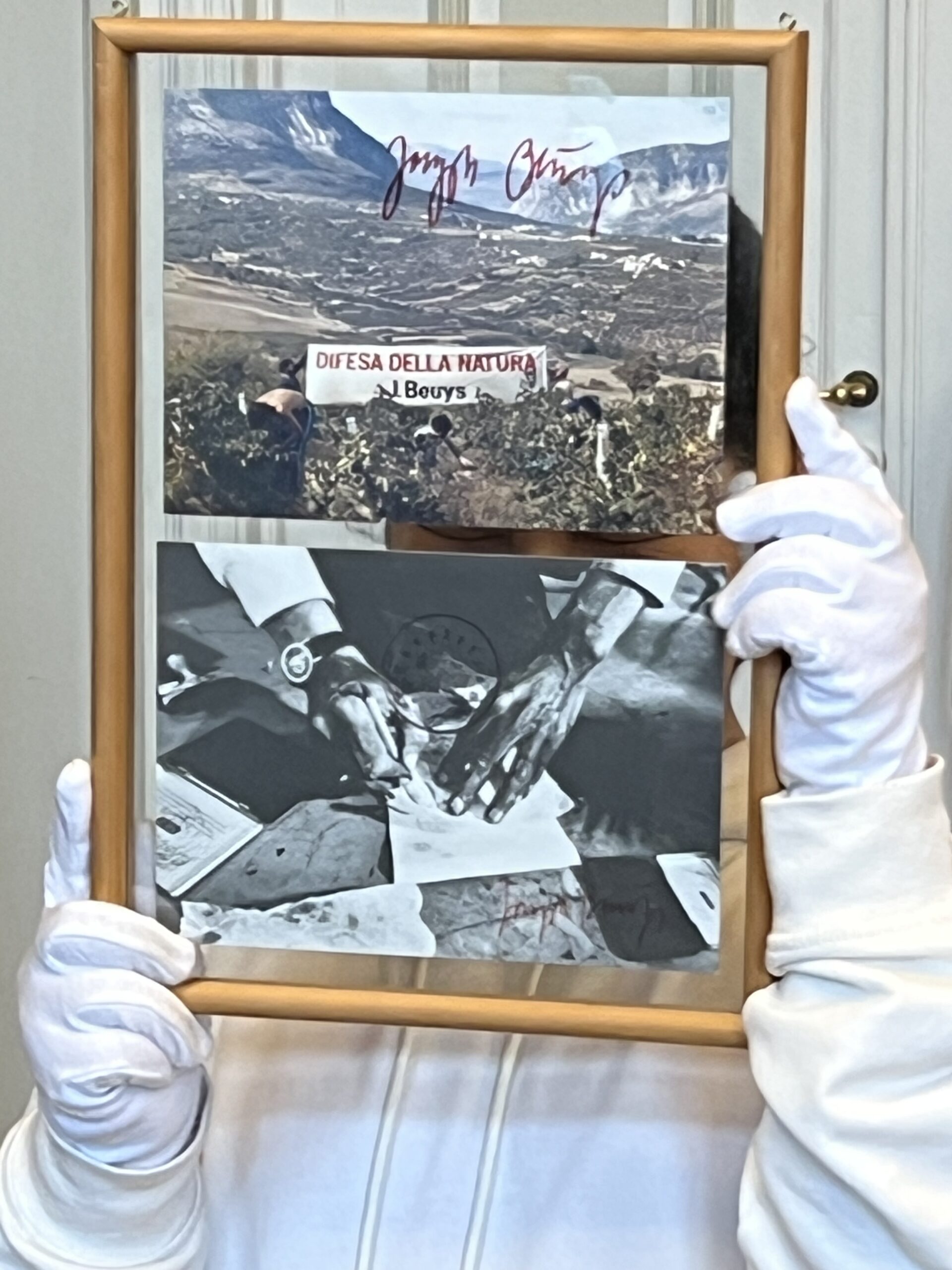
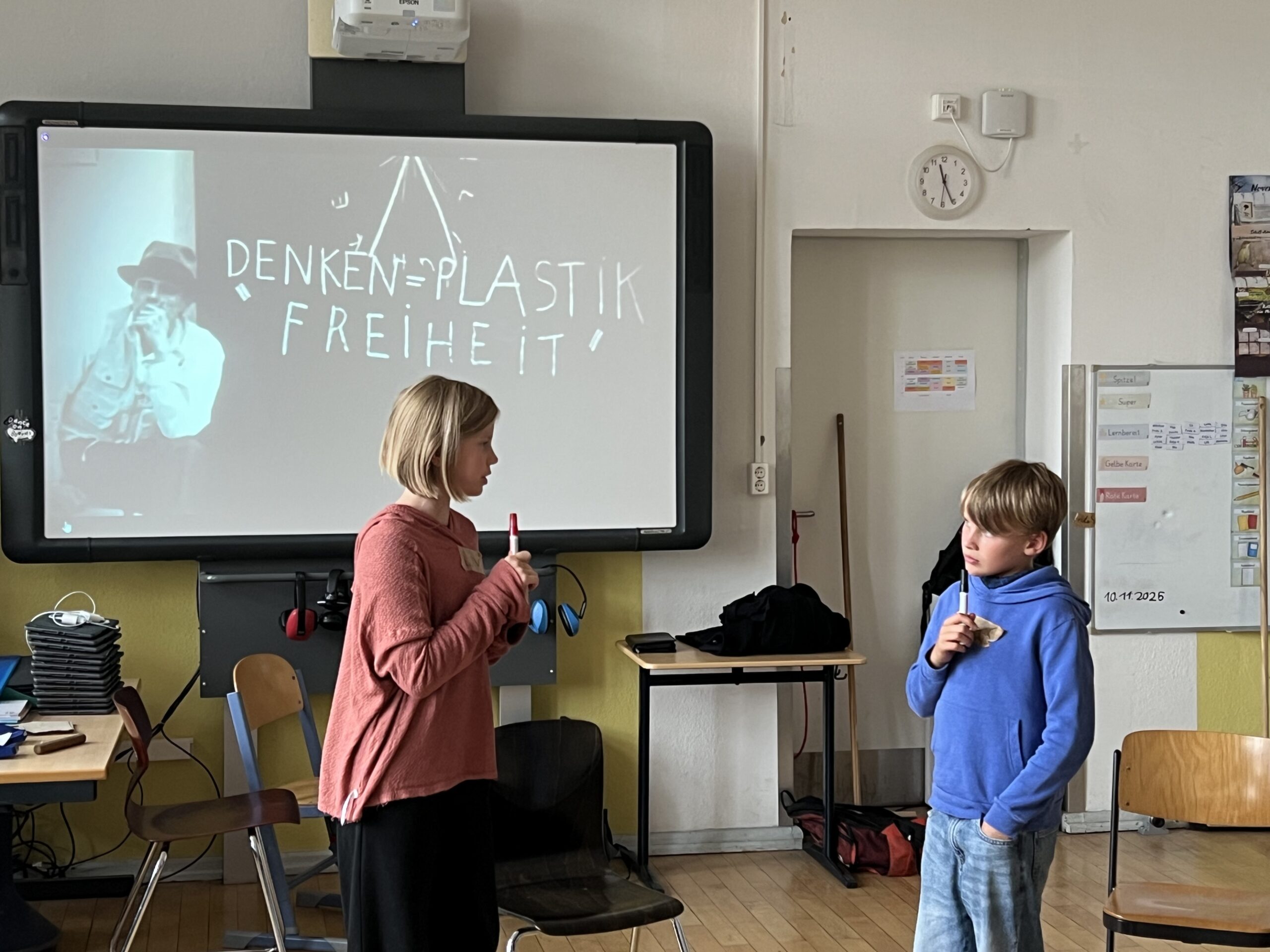
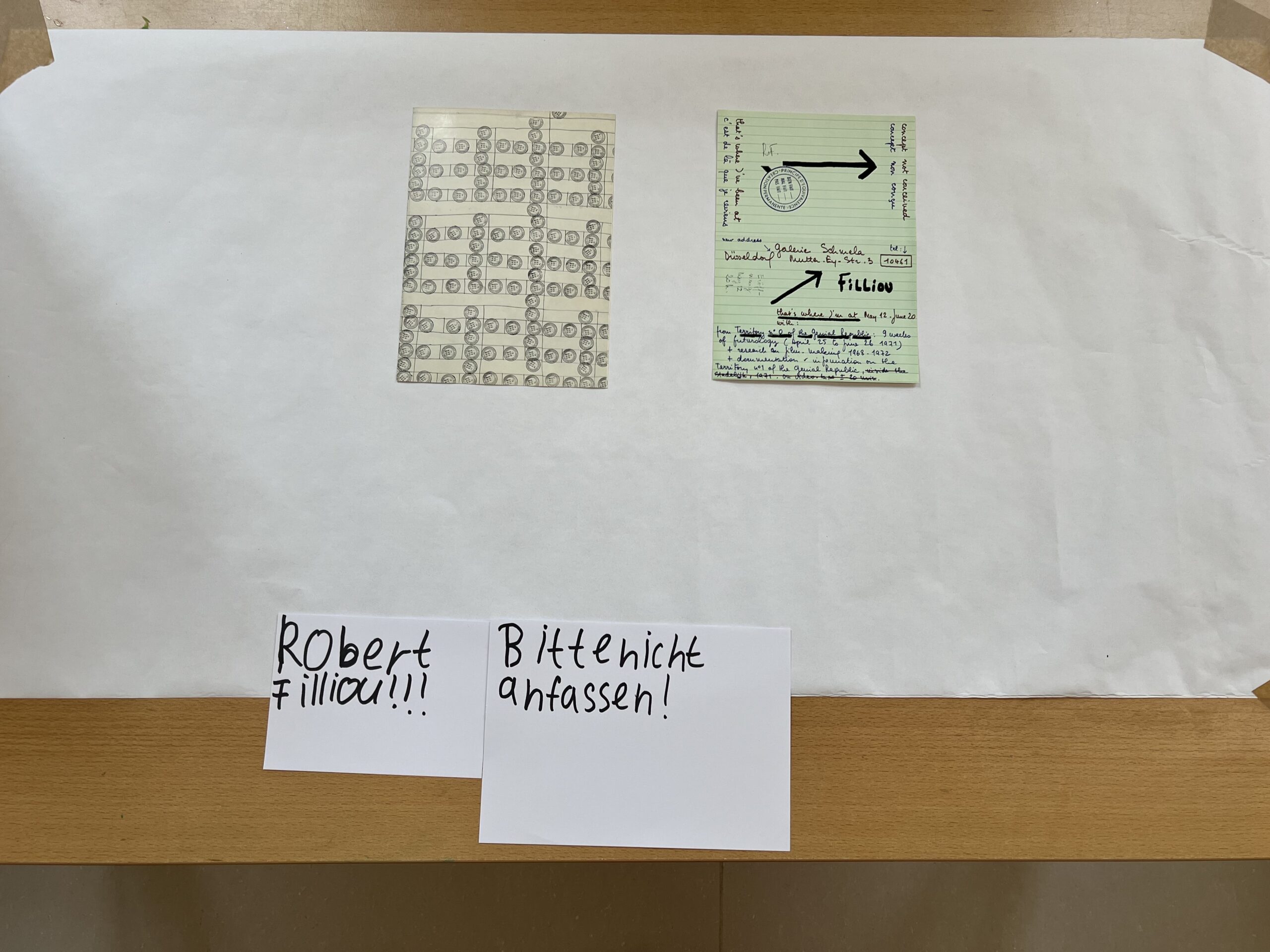
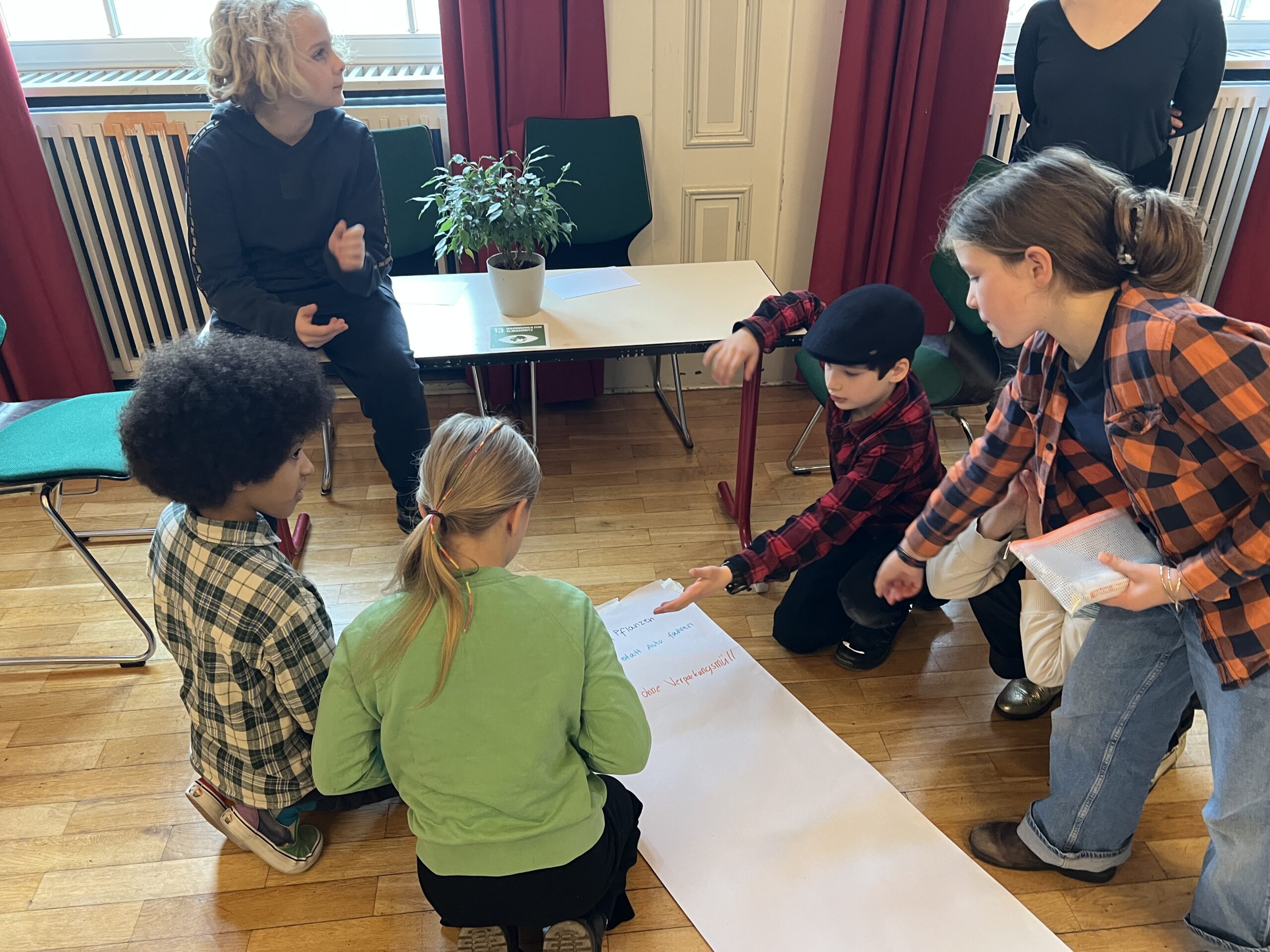
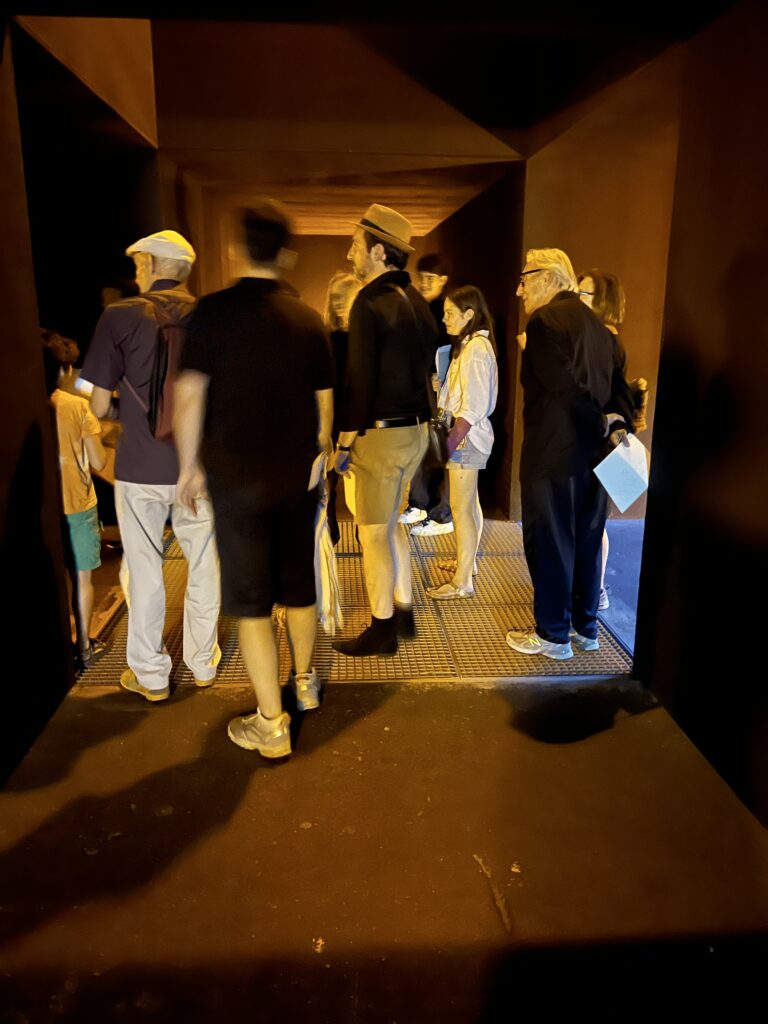
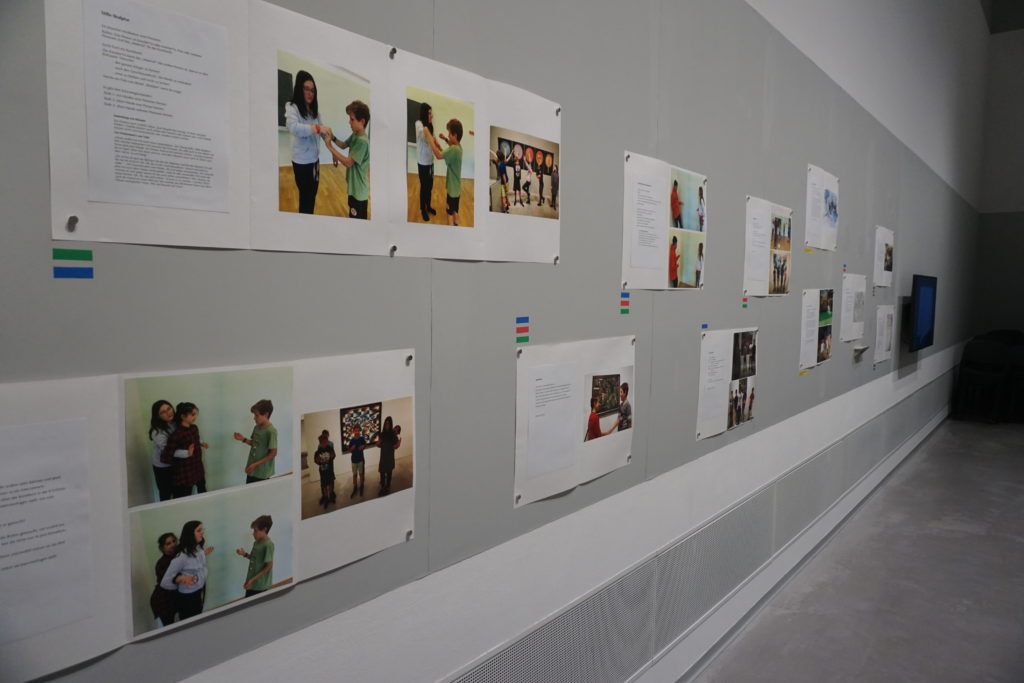
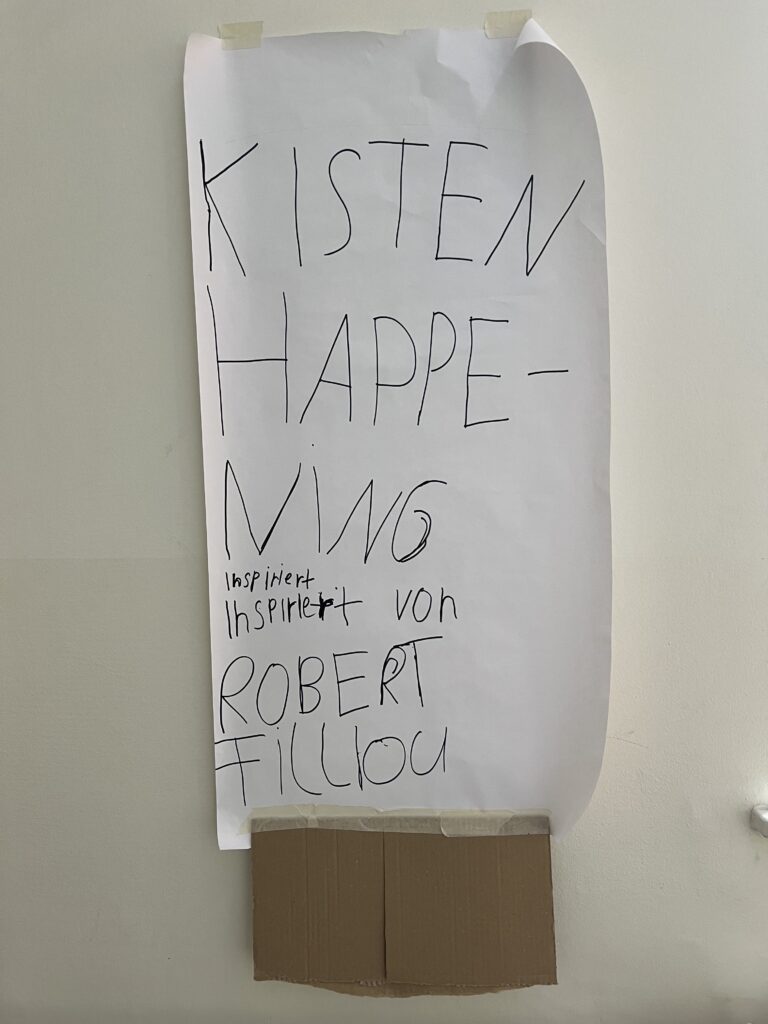
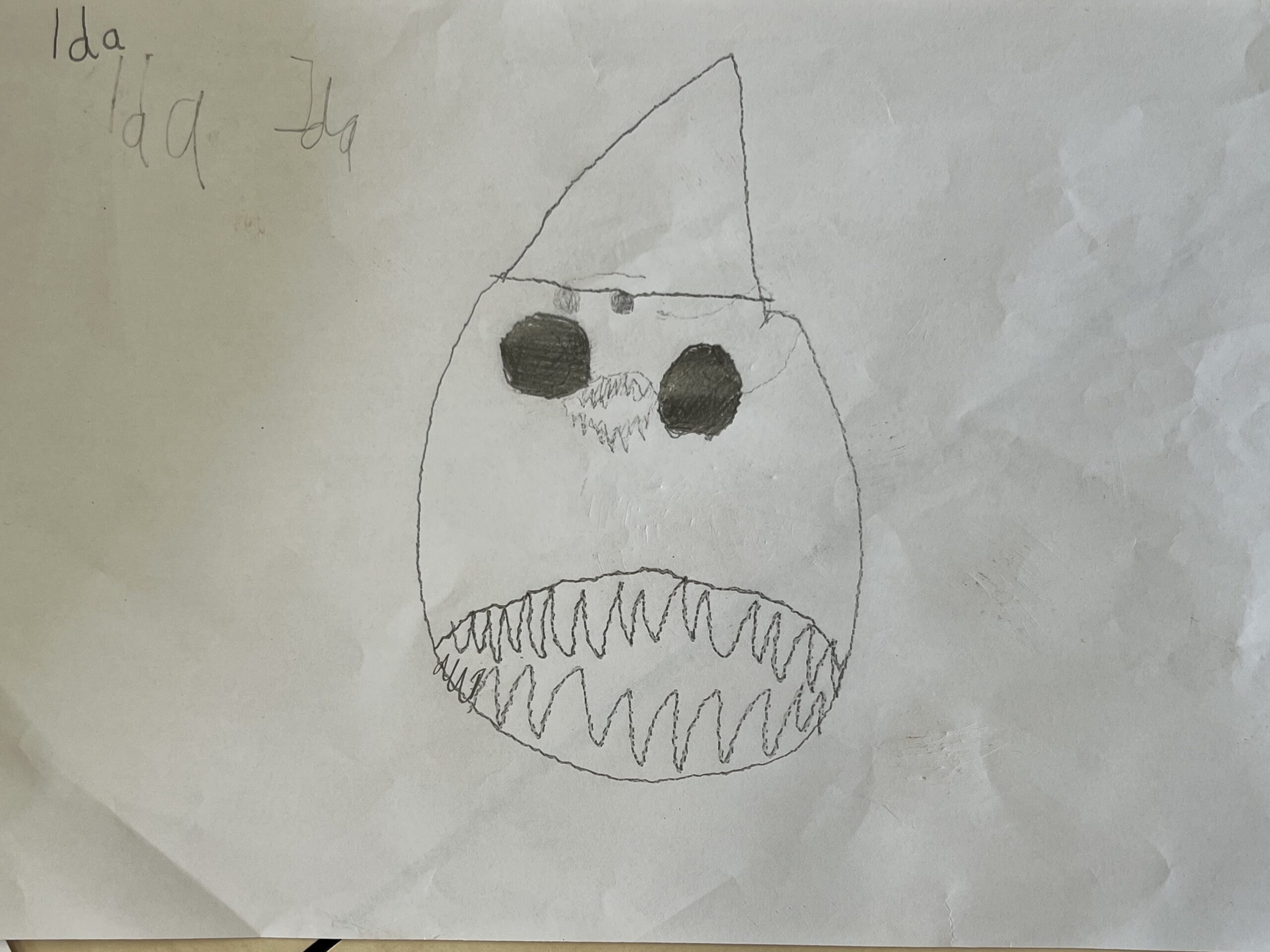
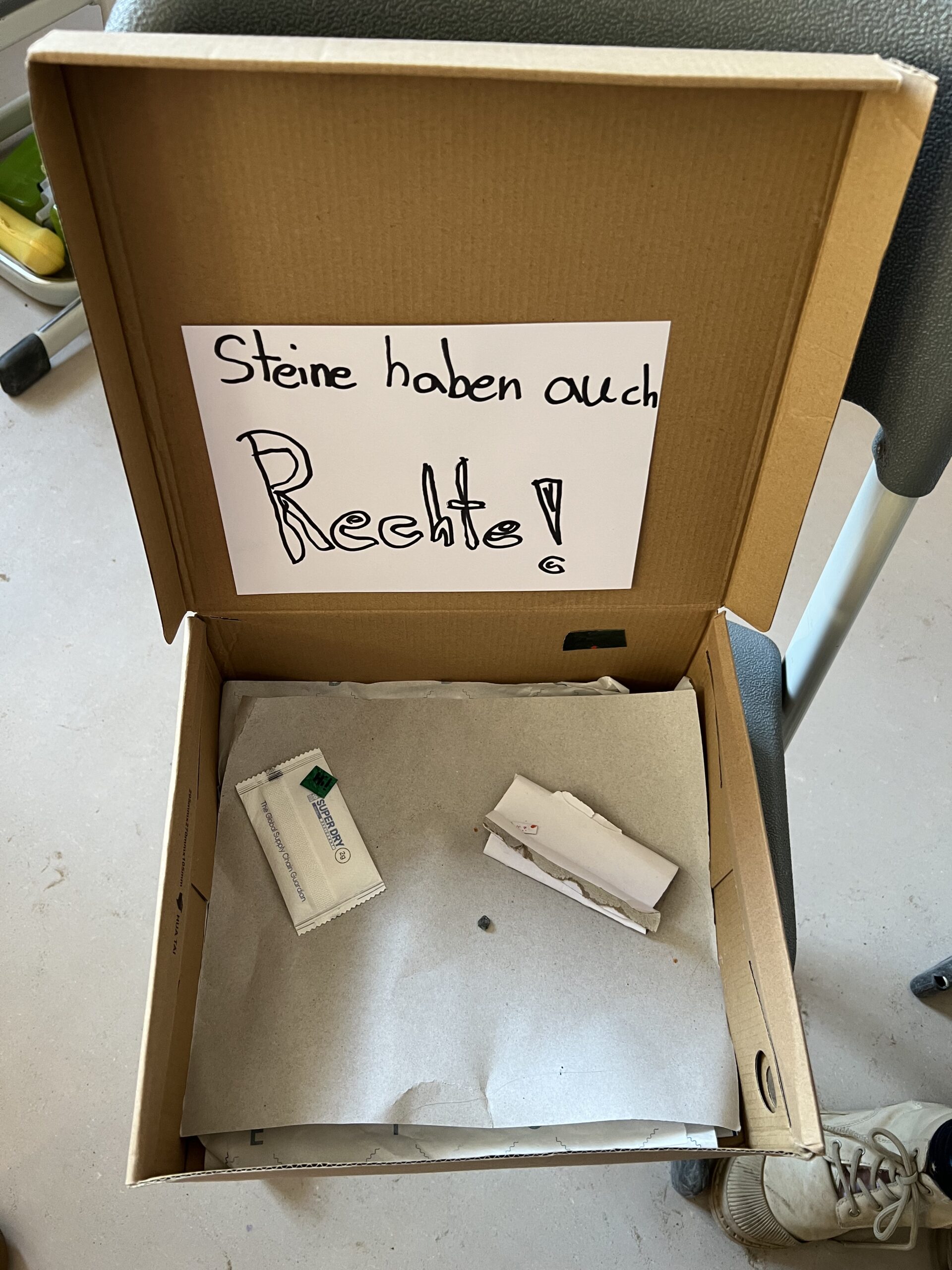
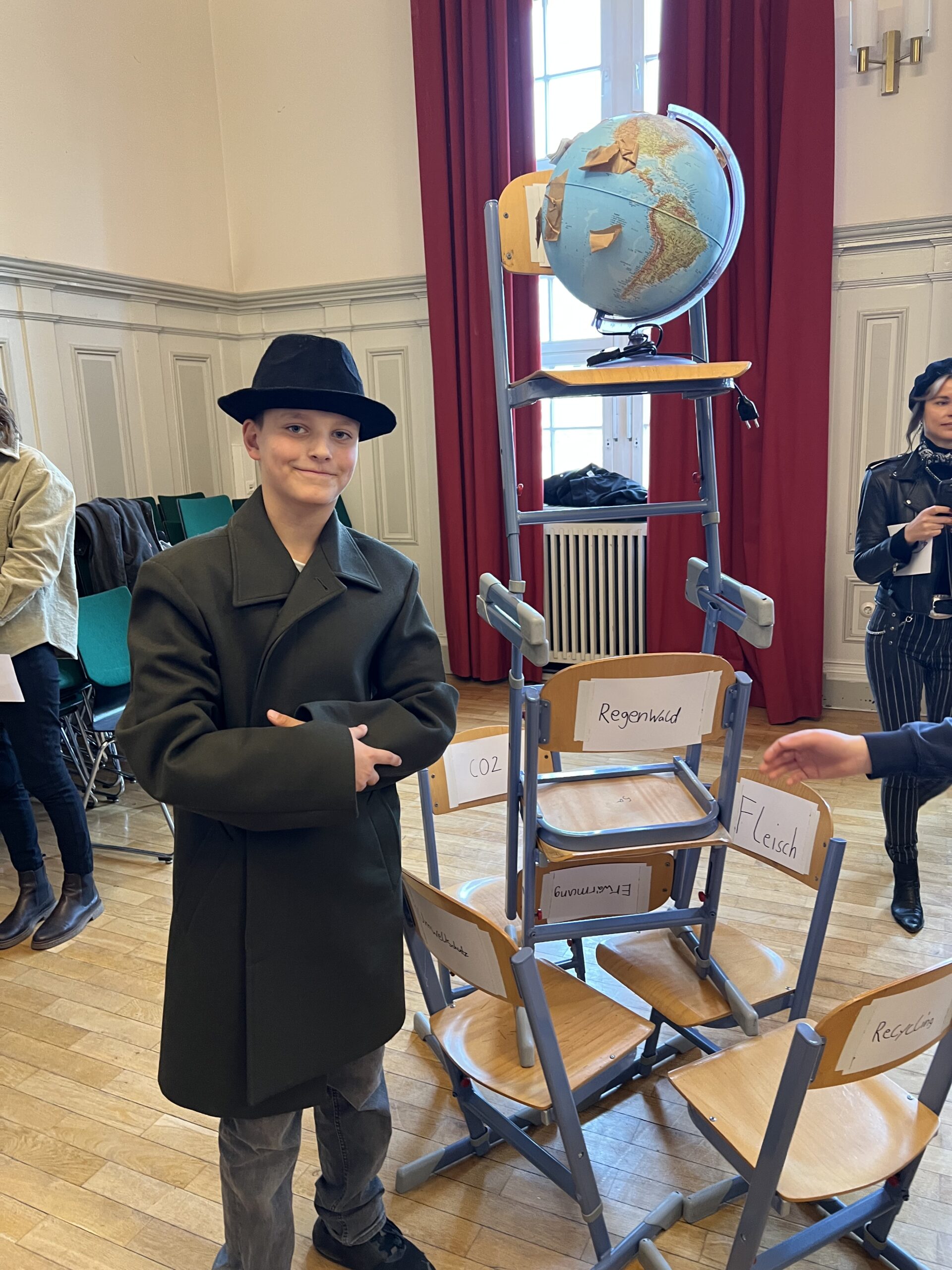
GOAL 17 – Climate goes Fluxus is an artistic project developed in five public schools in five Berlin districts. It engages students with the work and thinking of Fluxus artists Yoko Ono, Joseph Beuys, Alison Knowles and Robert Filliou and connects them with one of the 17 UN- Sustainability Goals.

Drawing on the practices of the Fluxus artists, the project approaches art as a form of attention: to lived experience, to everyday actions, and to the environments shaped by both people and nature.Ausgehend von den Praktiken der Fluxus-Künstler*innen begreift das Projekt Kunst als Form von Aufmerksamkeit: Für gelebte Erfahrung, für alltägliche Handlungen und für die von Mensch und Natur geprägten Umgebungen.
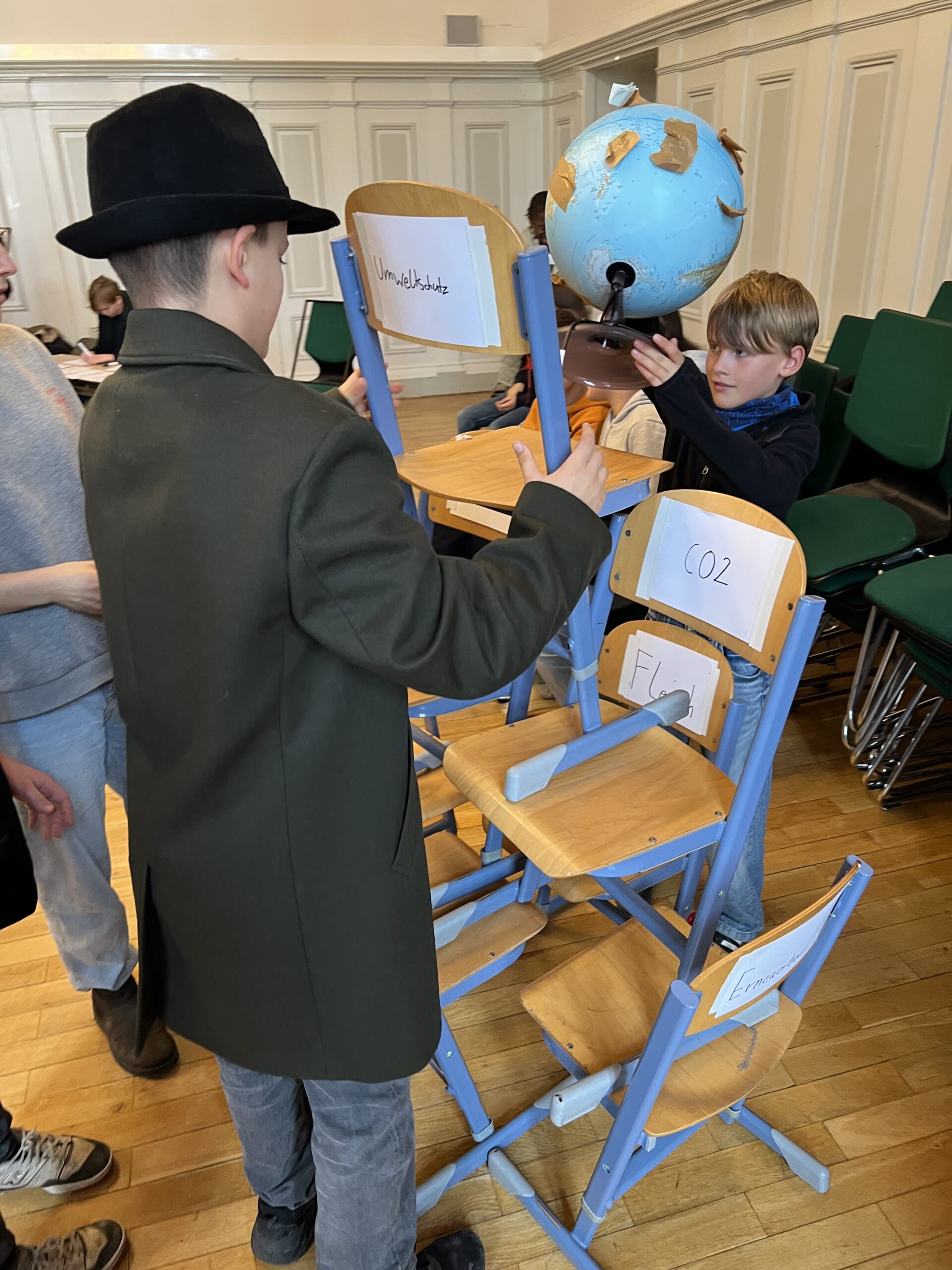
Photos by sideviews

Emerging in the early 1960s, Fluxus challenged the separation between art and life, rejecting fixed authorship and stable roles in favor of participation, experimentation, and the use of chance as a method of inquiry.

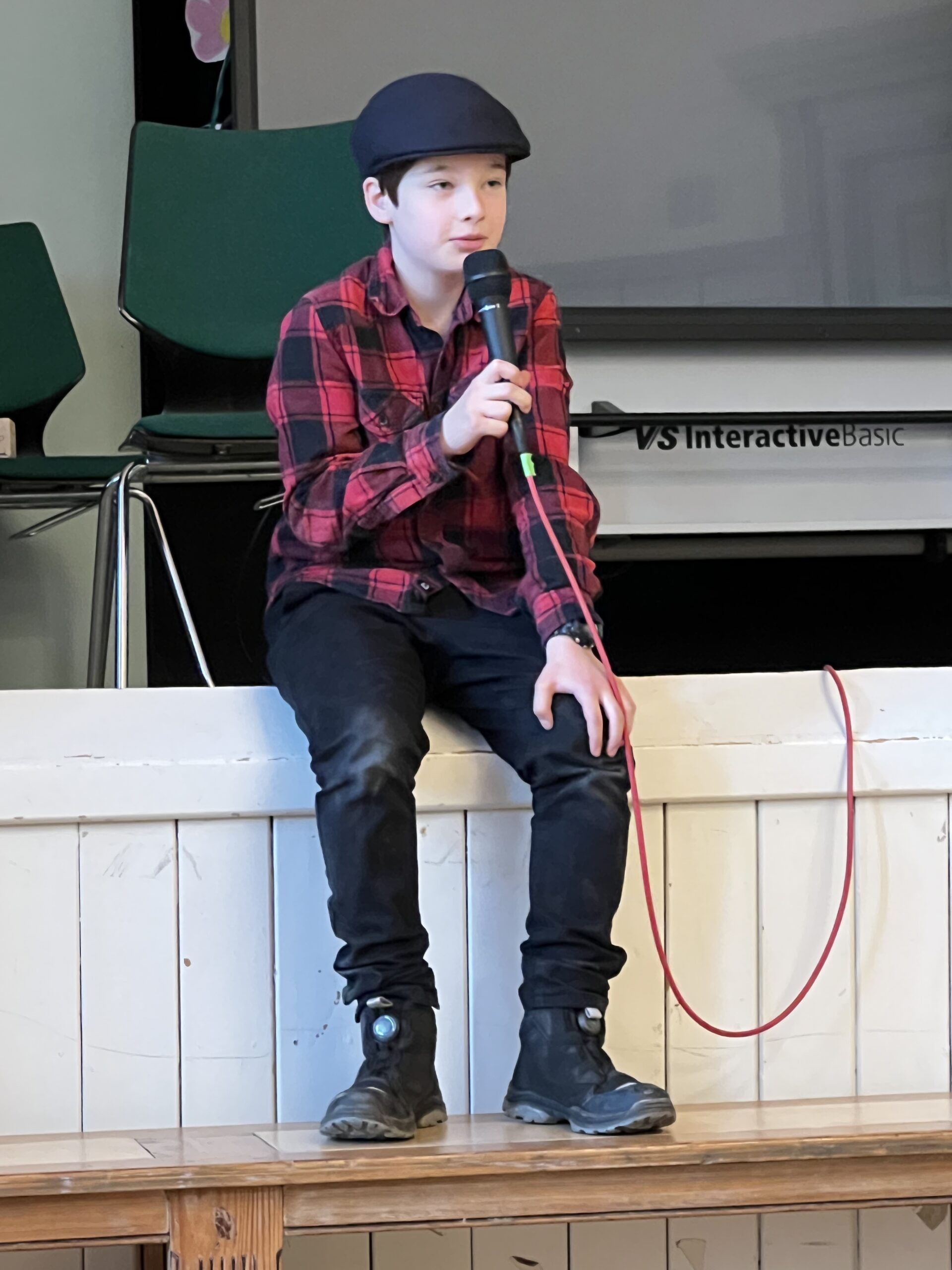
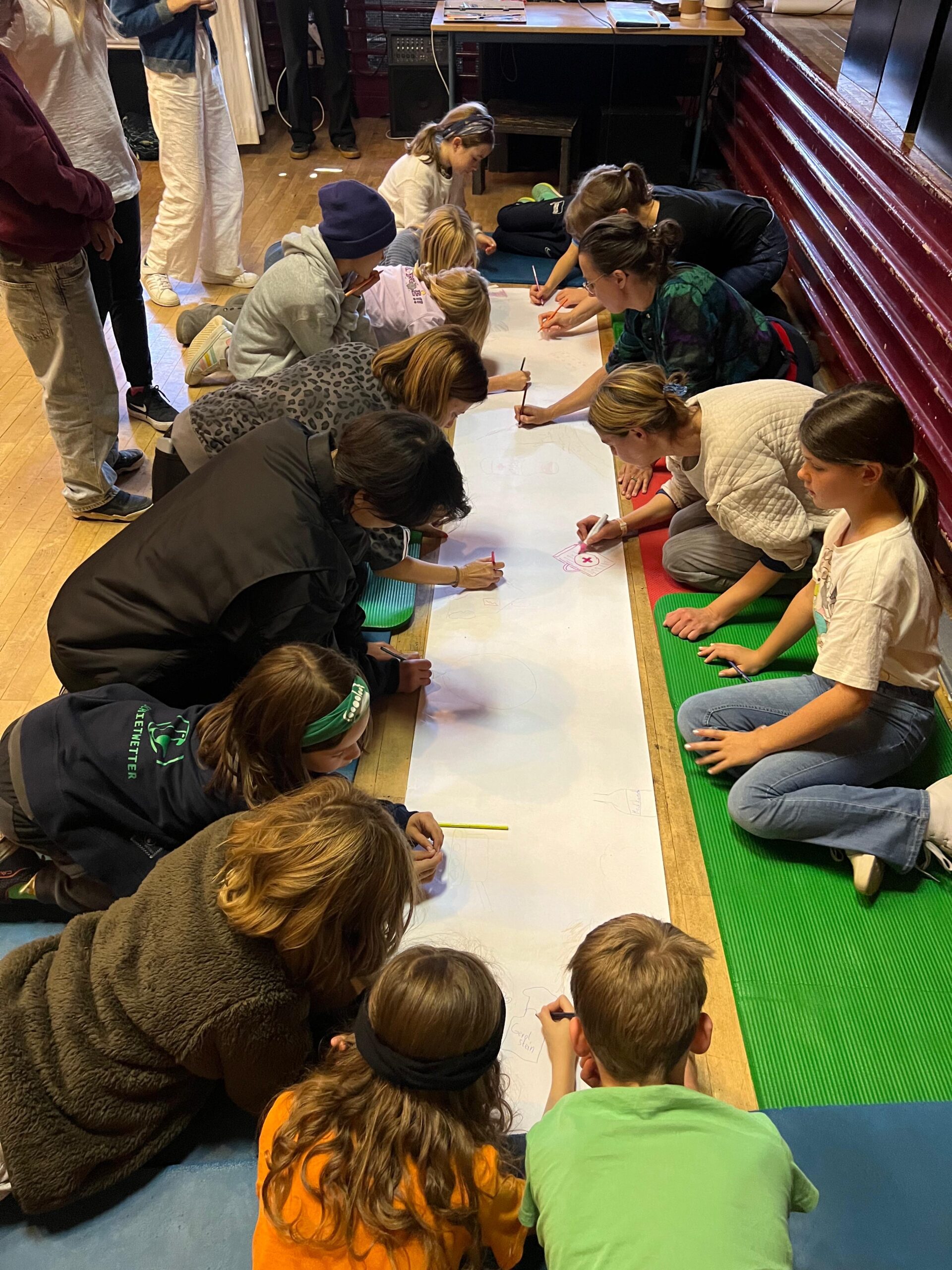
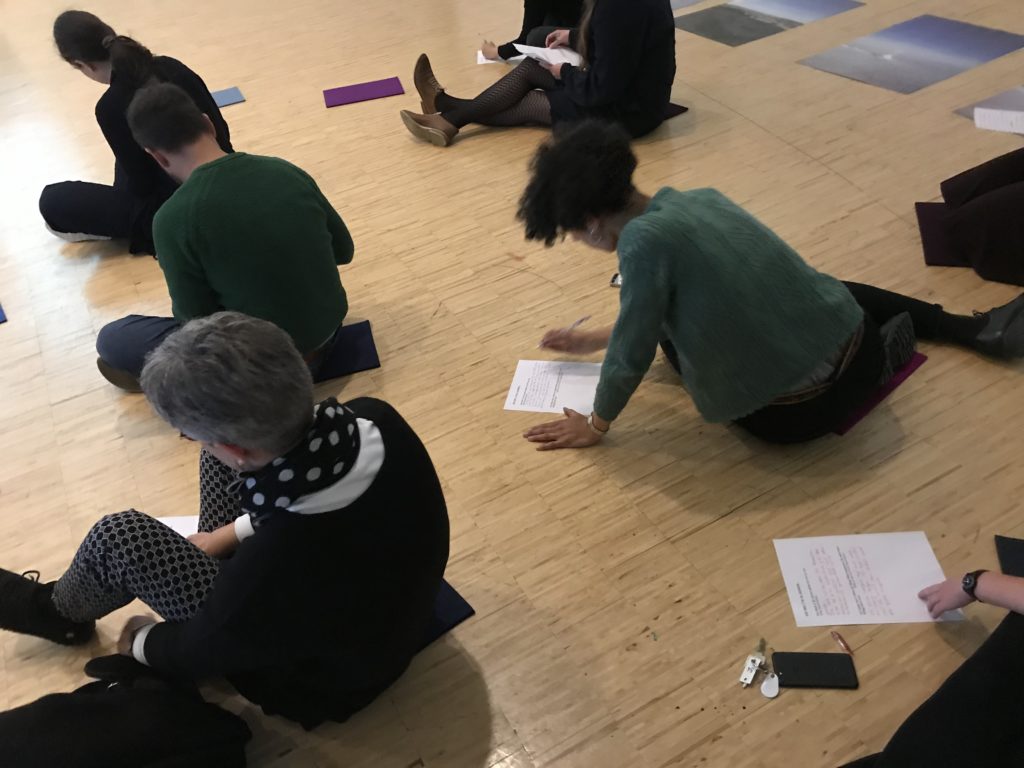
Within this framework, students are invited to work collectively through instructions, actions, and open situations, where observation, play, and dialogue become ways of thinking. The project recognizes children not as passive recipients of knowledge, but as active contributors whose perspectives can reconfigure how art, nature, and shared responsibility are understood.
Participating schools:

Rosa-Parks-Primary School, Berlin-Friedrichshain-Kreuzberg

Fichtelgebirge-Primary School, Berlin-Friedrichshain-Kreuzberg

Friedenauer Gemeinschaftsschule, Berlin-Tempelhof-Schöneberg

Carl-Humann-Primary School, Berlin-Pankow

WIR-Primary School, Berlin-Treptow-Köpenick

Financed by:

Categories
Game Youth Committee Shadow Museum Museum Museum Shadow Museum Shadow Museum Game Theatre Theatre Youth Committee Shadow Museum

THE UNDEAD – HKW

A Performative Investigation

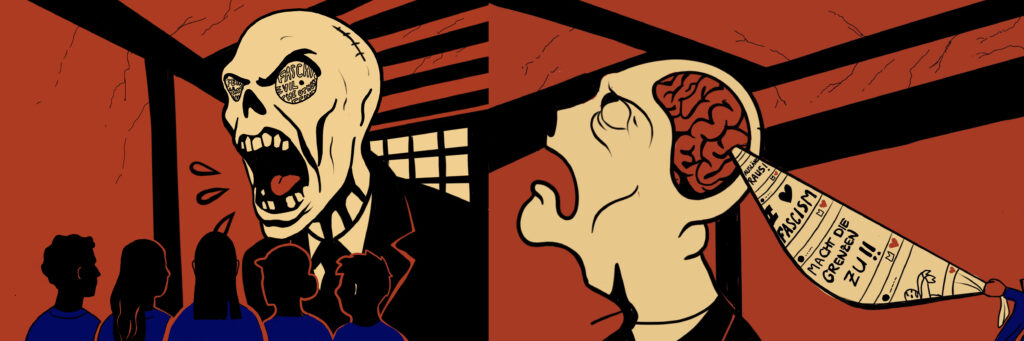
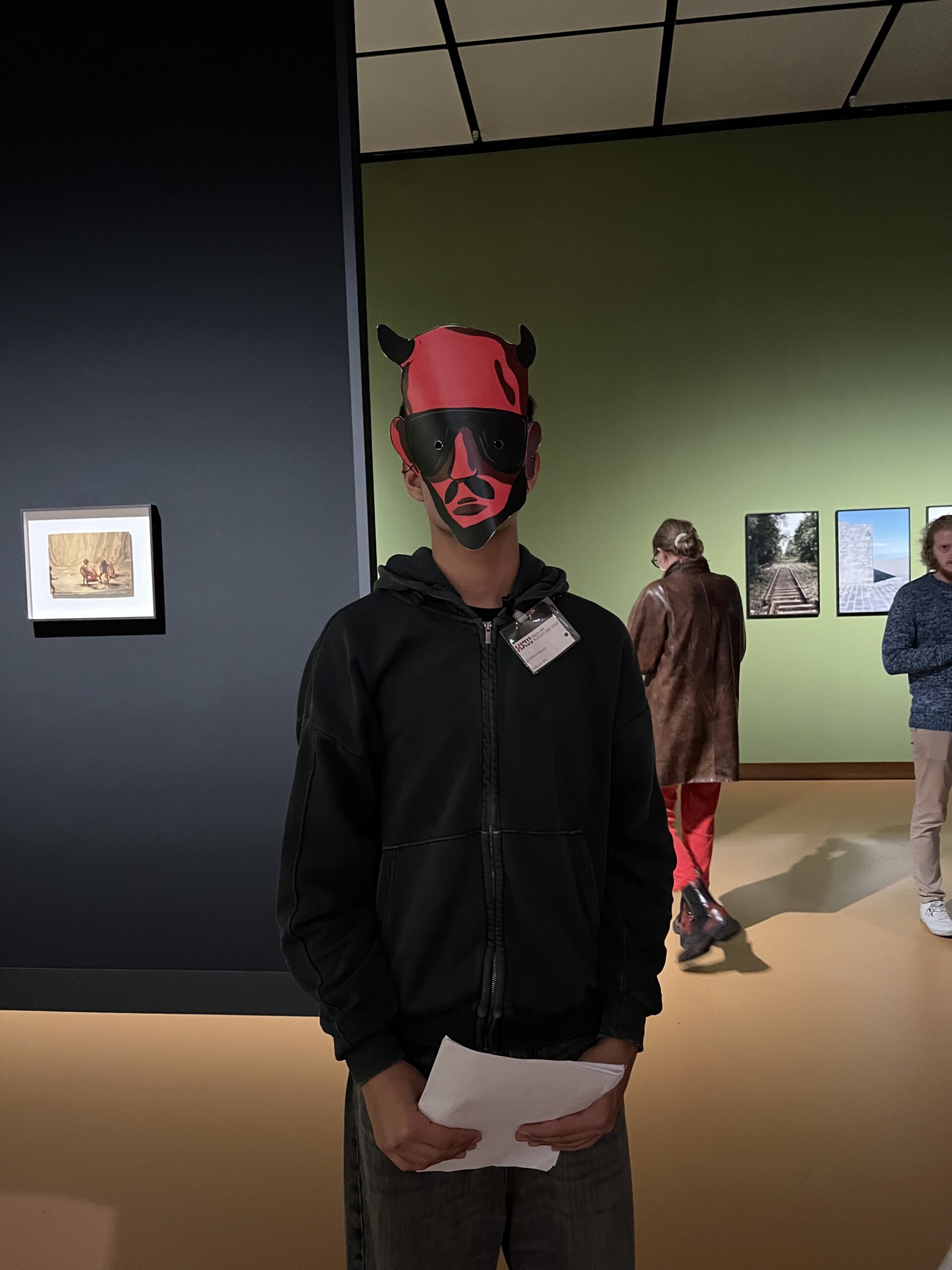
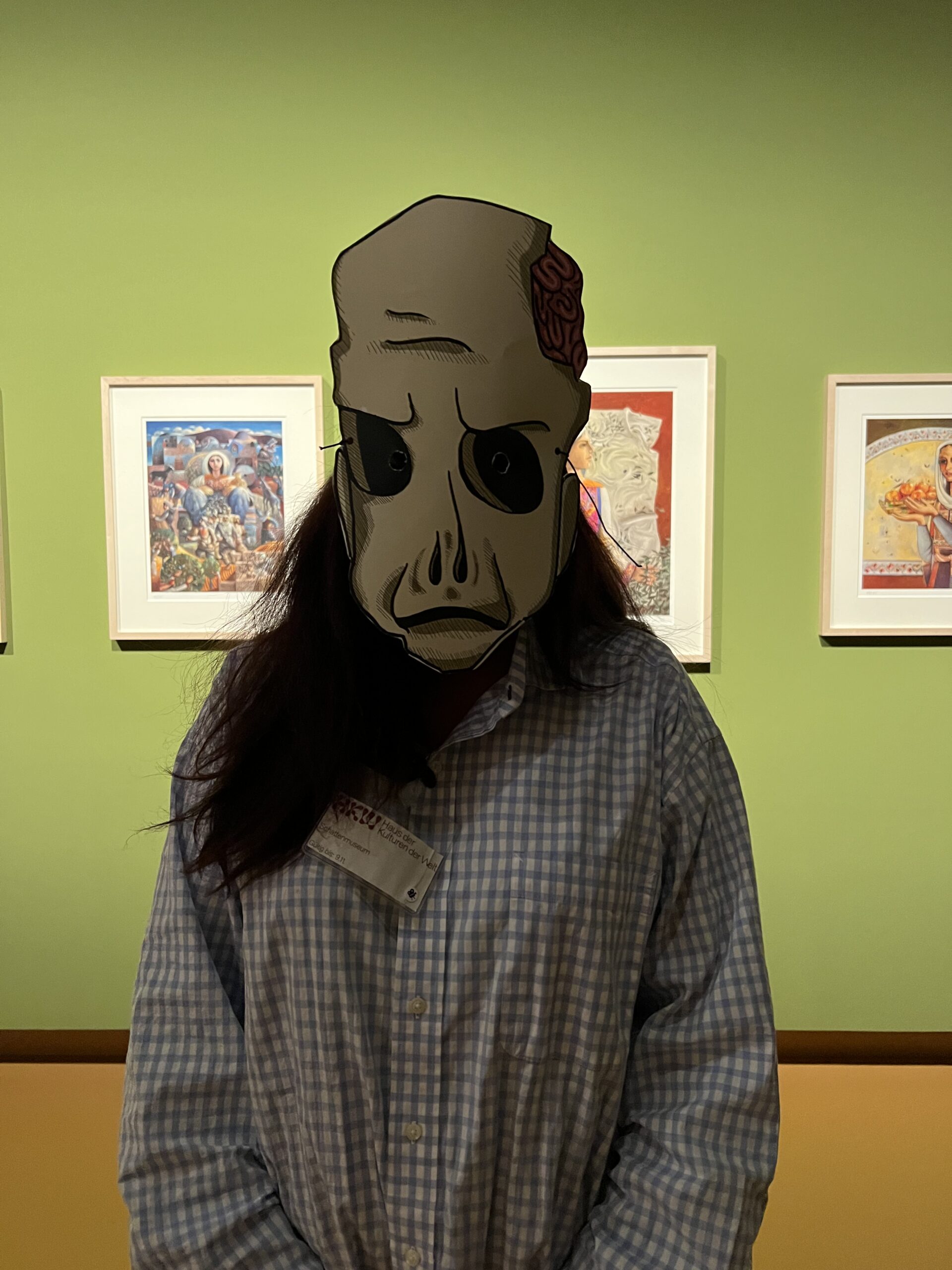
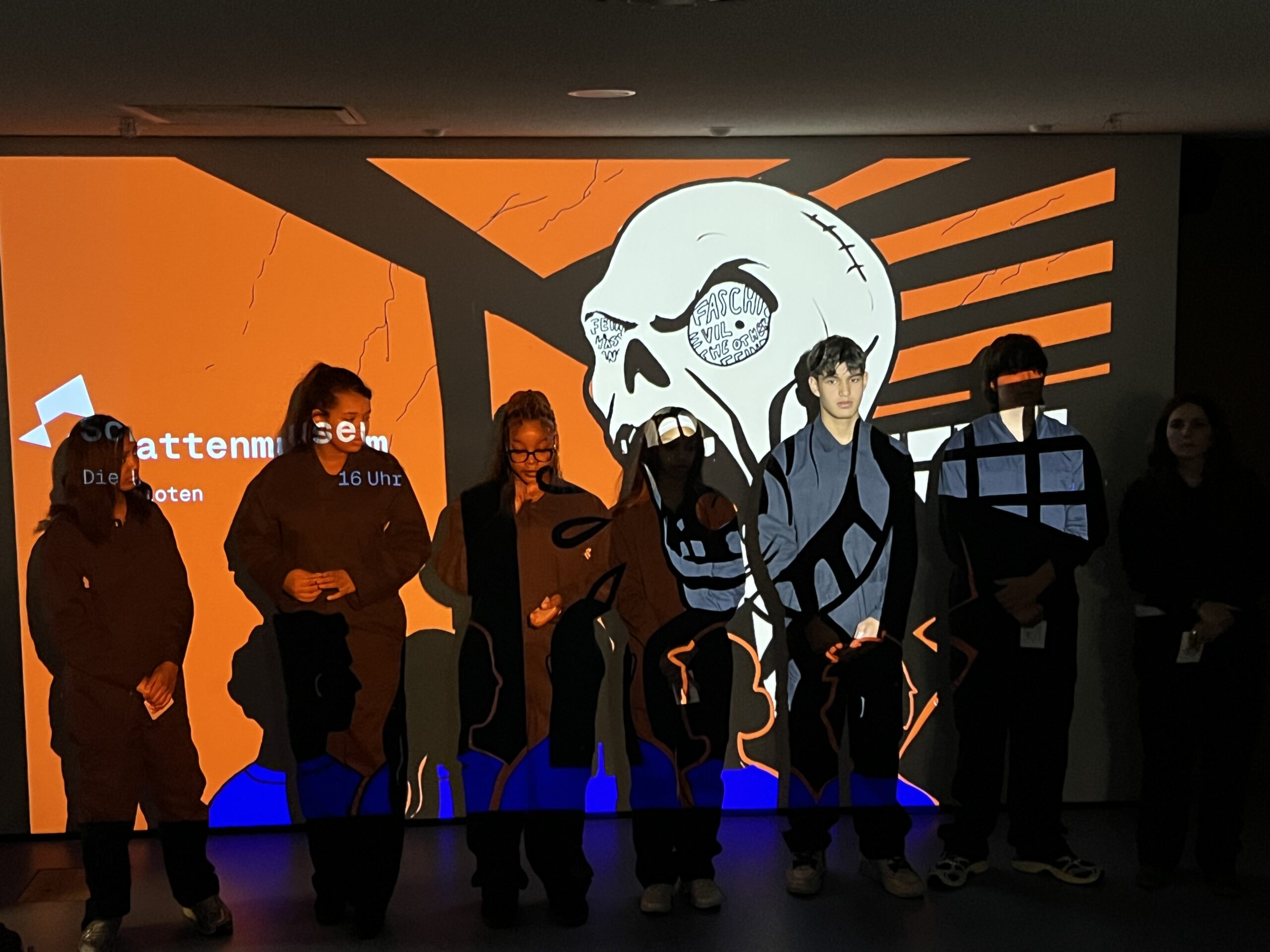
Some figures from the past refuse to stay buried. They resurface in the present, sometimes quietly, sometimes celebrated, unsettling the belief that history only moves forward. Who are these undead? Why do they regain influence, and how do they shape the world we inhabit?

During the HKW-project Global Fascisms the Shadow Museum and its audience trace in this participatory performance the subtle and not-so-subtle signs of fascism returning to everyday life. Through dialogue, imagination, and attentive looking, the performance explores how fear spreads and how gestures of resistance can shift the atmosphere around us.

The project reflects how young people perceive these persistent shadows and searches for ways to keep them from defining our future.

Photos sideviews

Categories
Game Museum Shadow Museum Theatre Youth Committee Shadow Museum

Hamburger Bahnhof – Let’s Play, Move, Communicate!

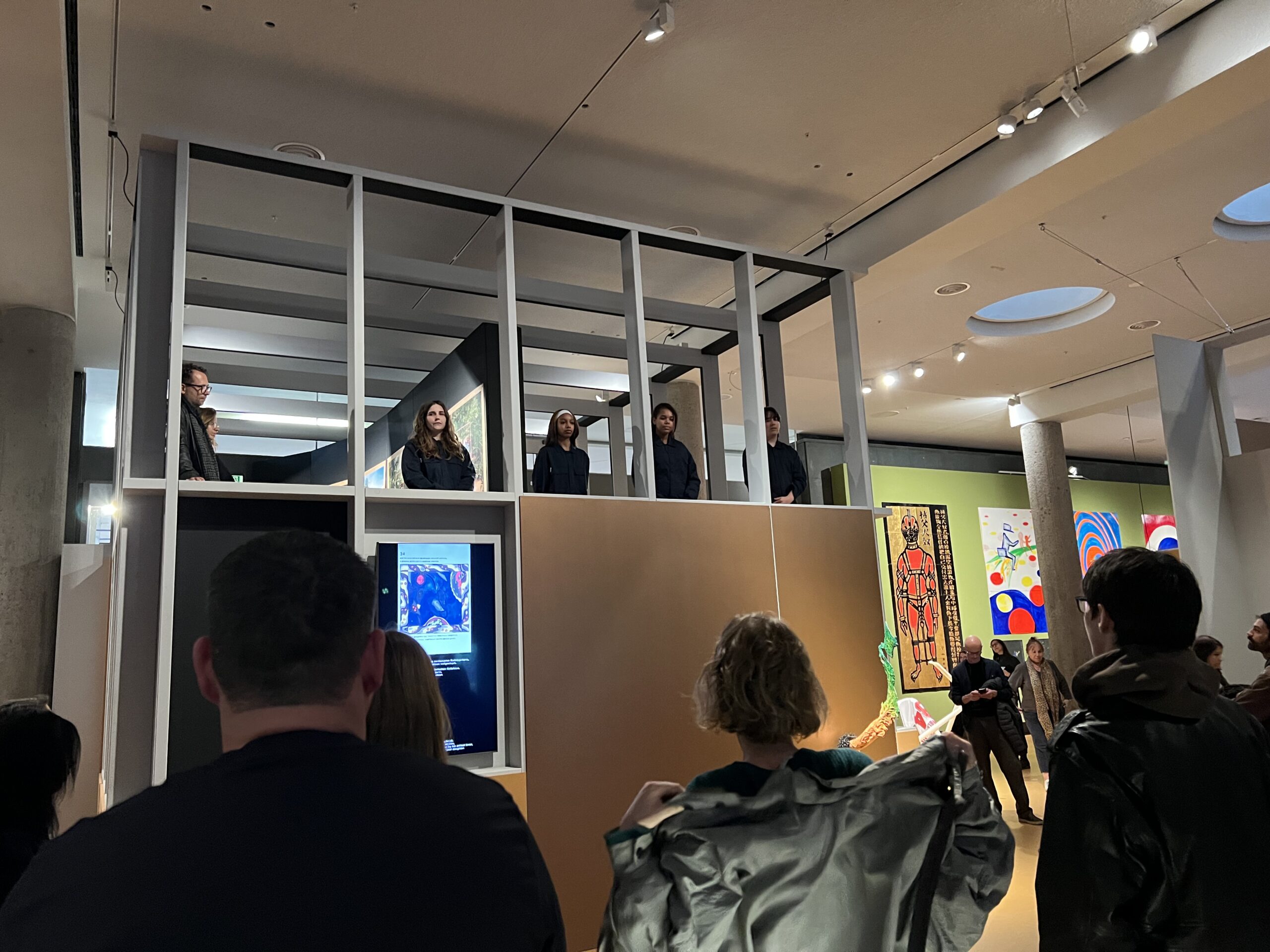
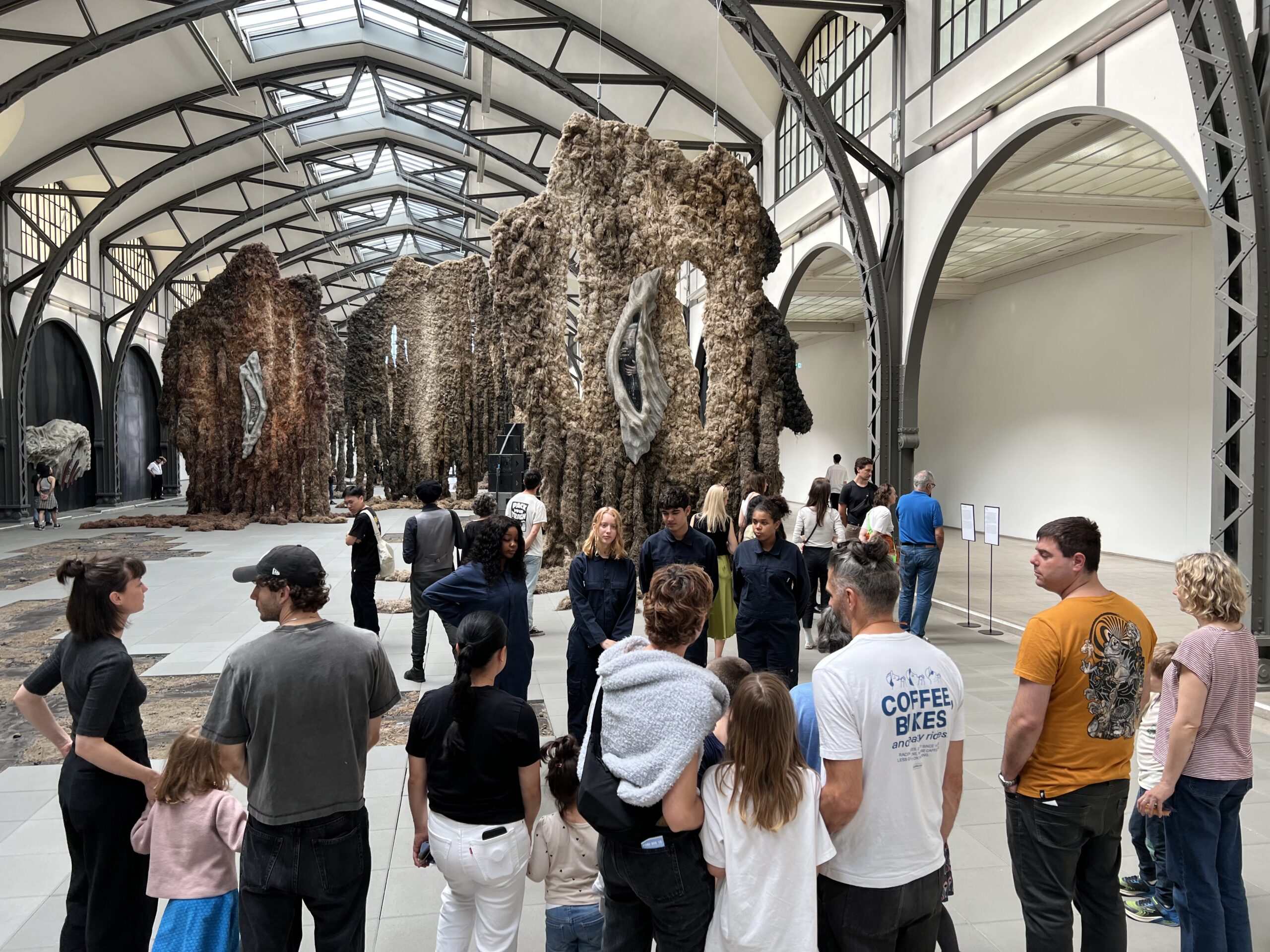
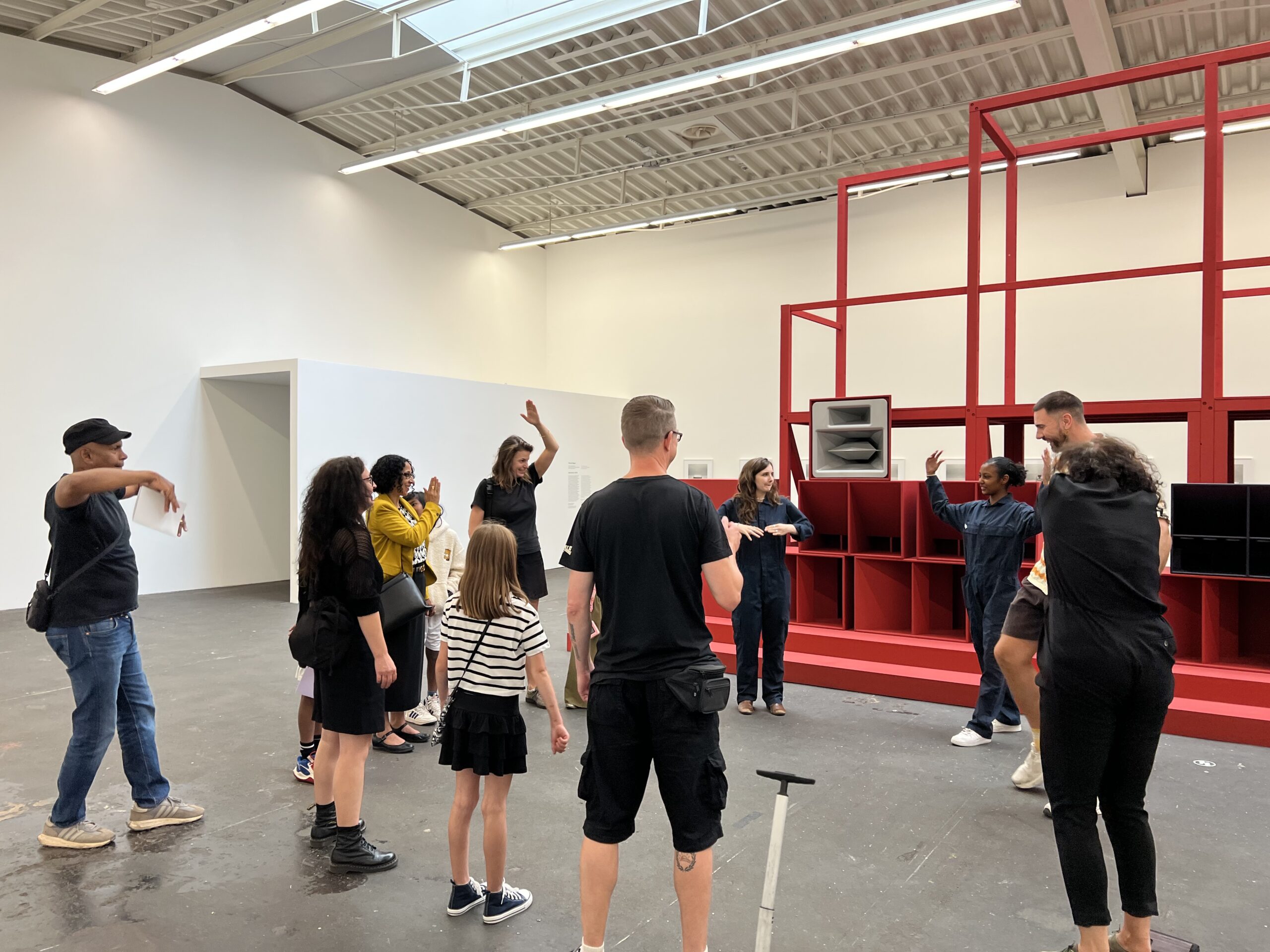
What does a museum allow? How can we move, sound, and think together inside a space that often expects us to observe quietly? For Hamburger Bahnhof, the Shadow Museum developed a series of collective experiments that stretch the boundaries of exhibition experience. Playing, building images, and telling stories become ways to question familiar conventions.

These interactive tours explore how public space shifts when visitors claim agency and curiosity leads the way. Art becomes a shared field of exploration where new relationships can emerge between people, objects, and the institution that hosts them.

A project by the Shadow Museum with sideviews.

Categories
Game Museum Shadow Museum Theatre Youth Committee Shadow Museum

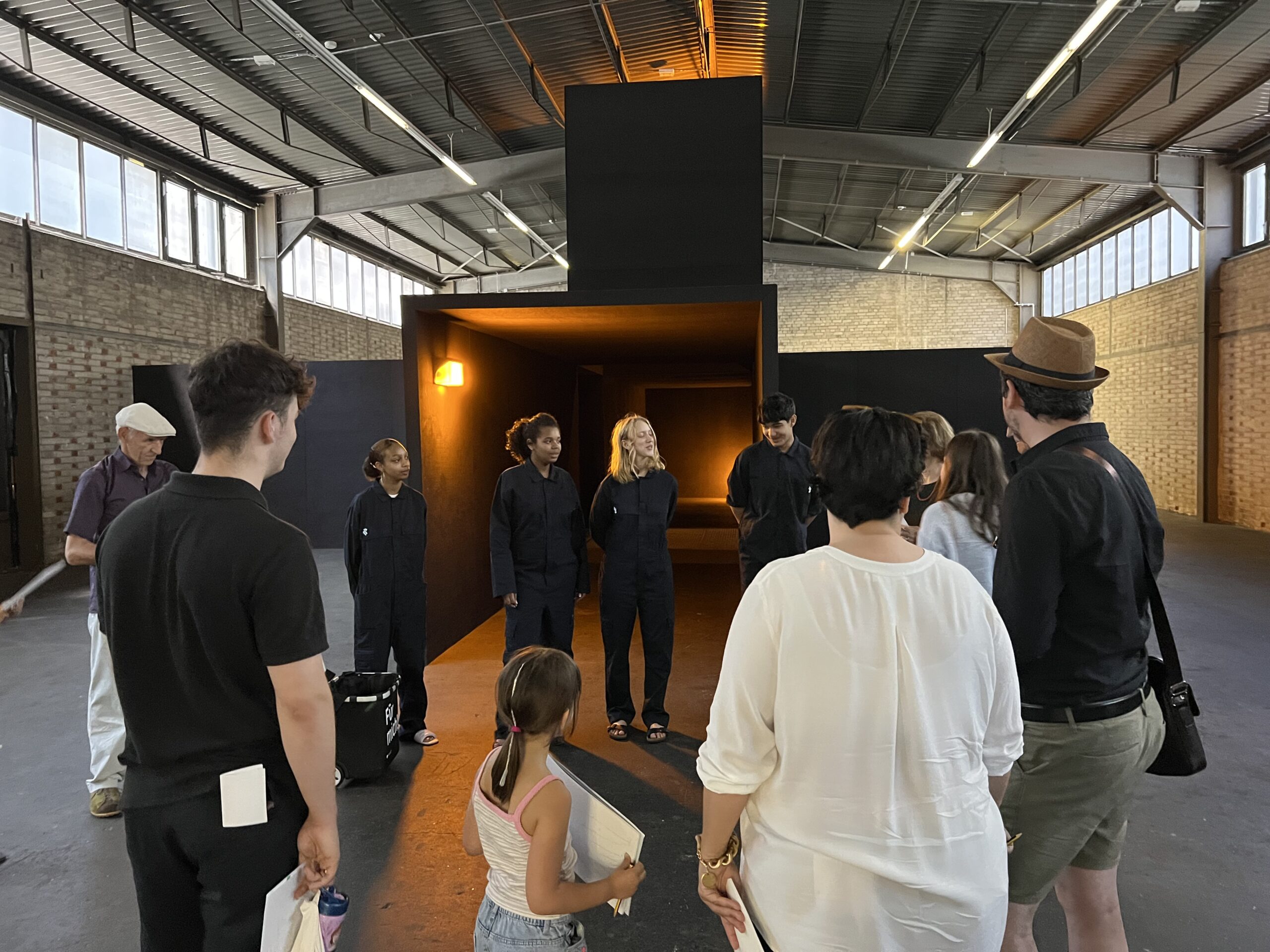
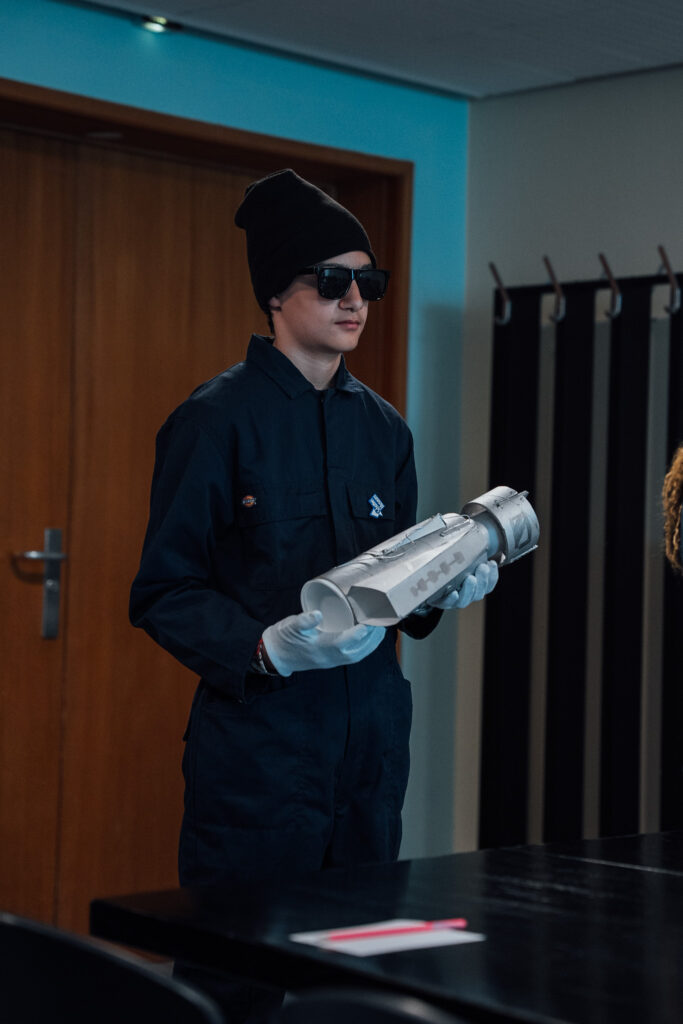
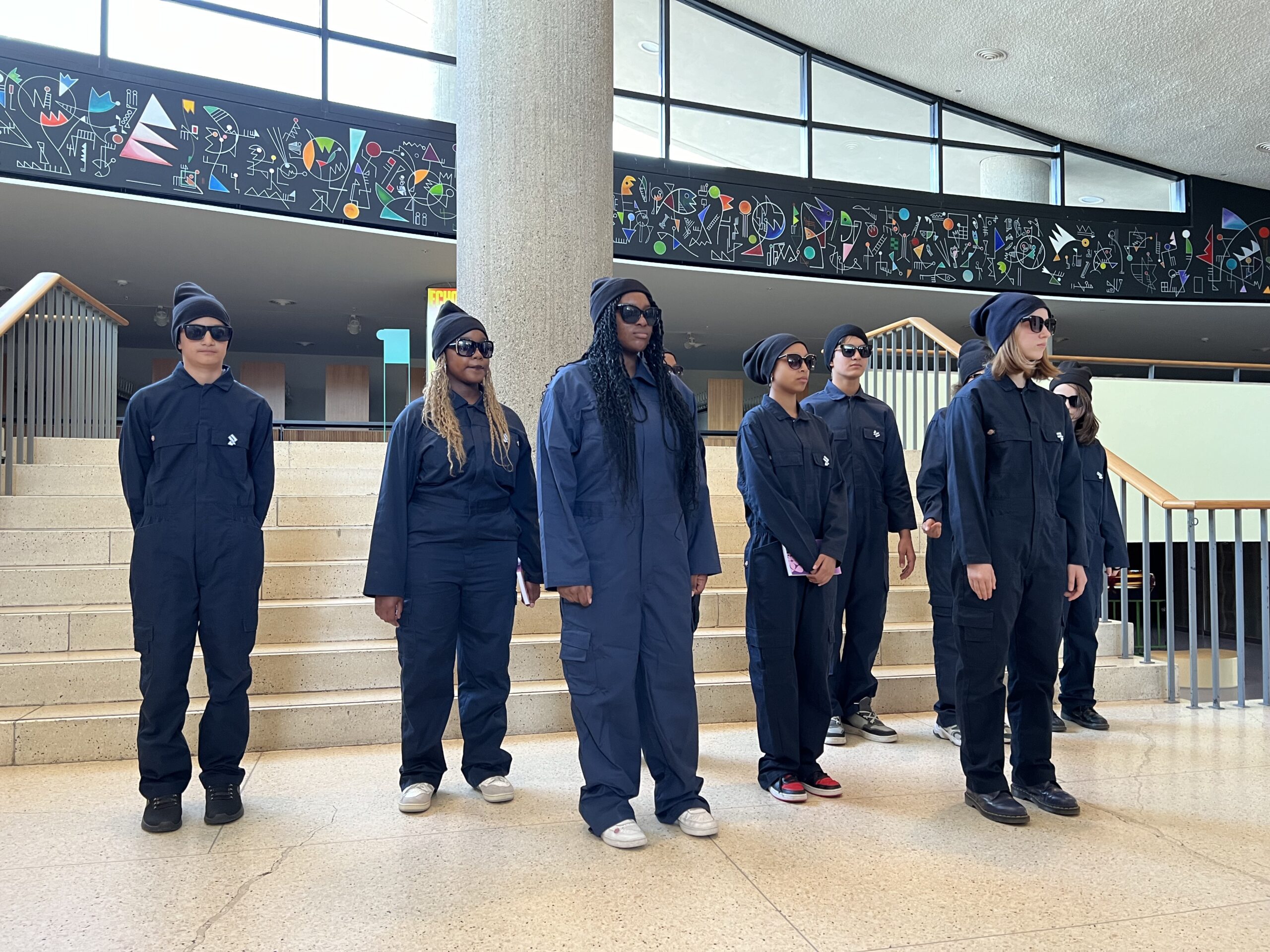
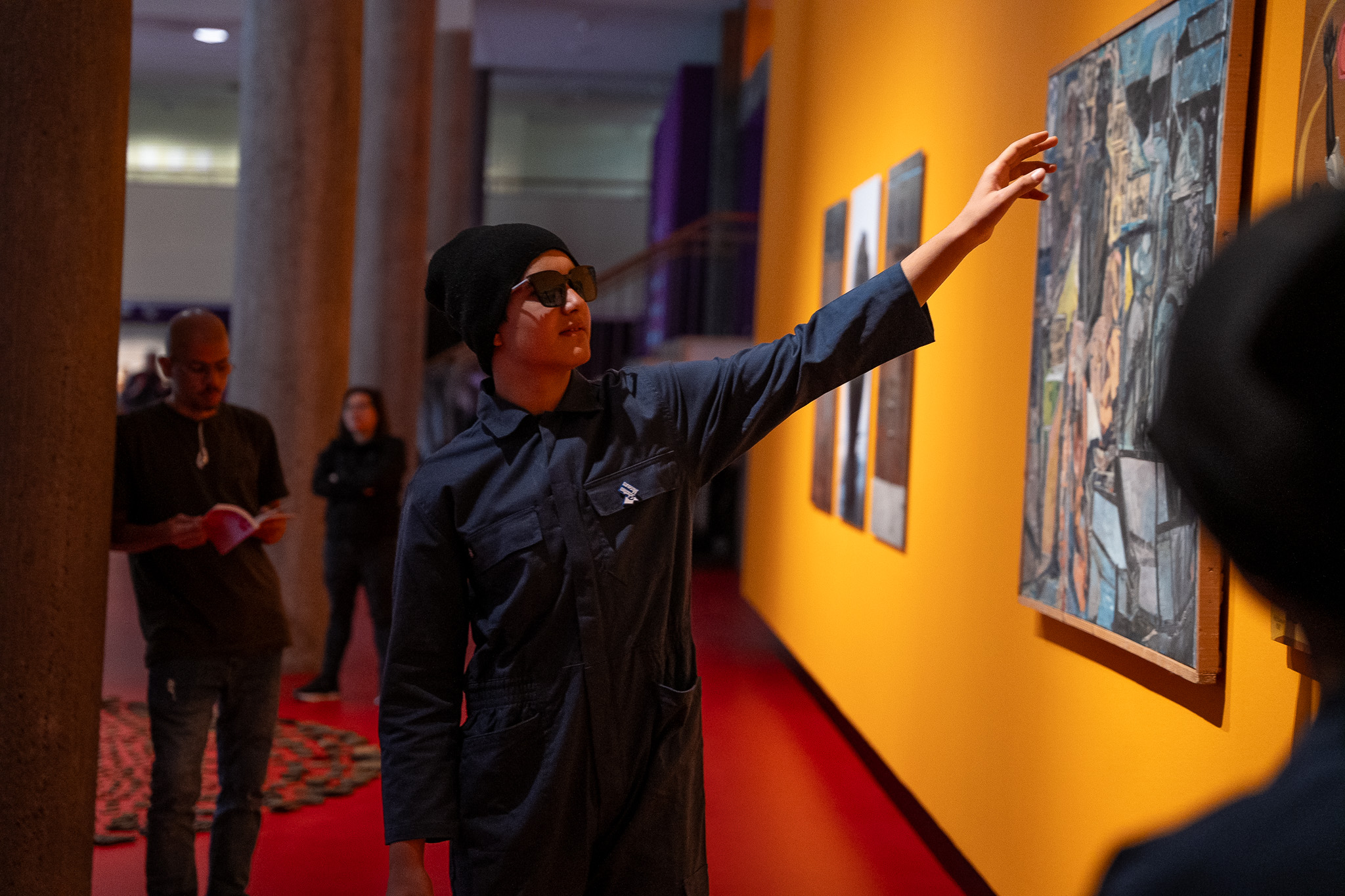
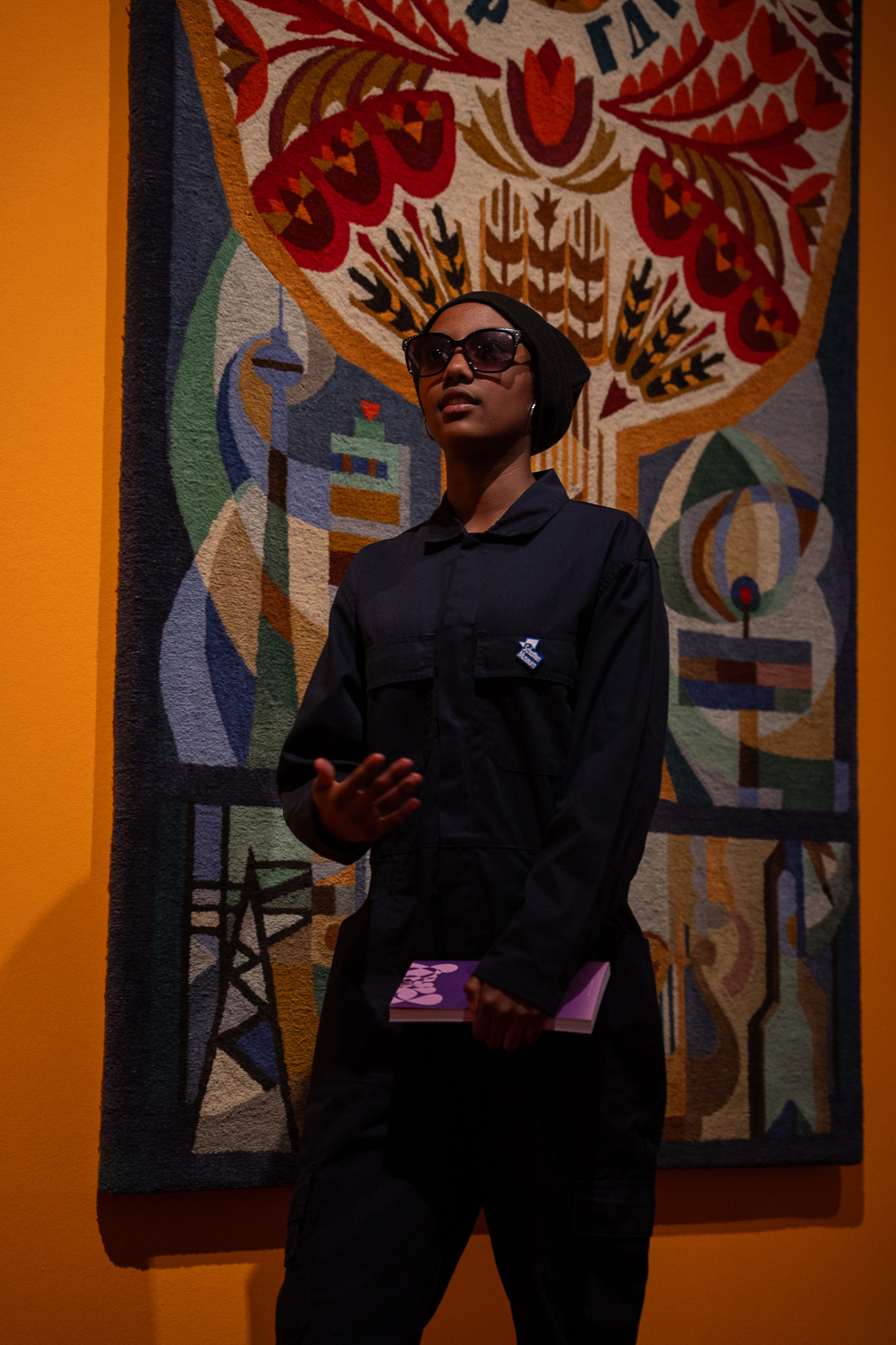
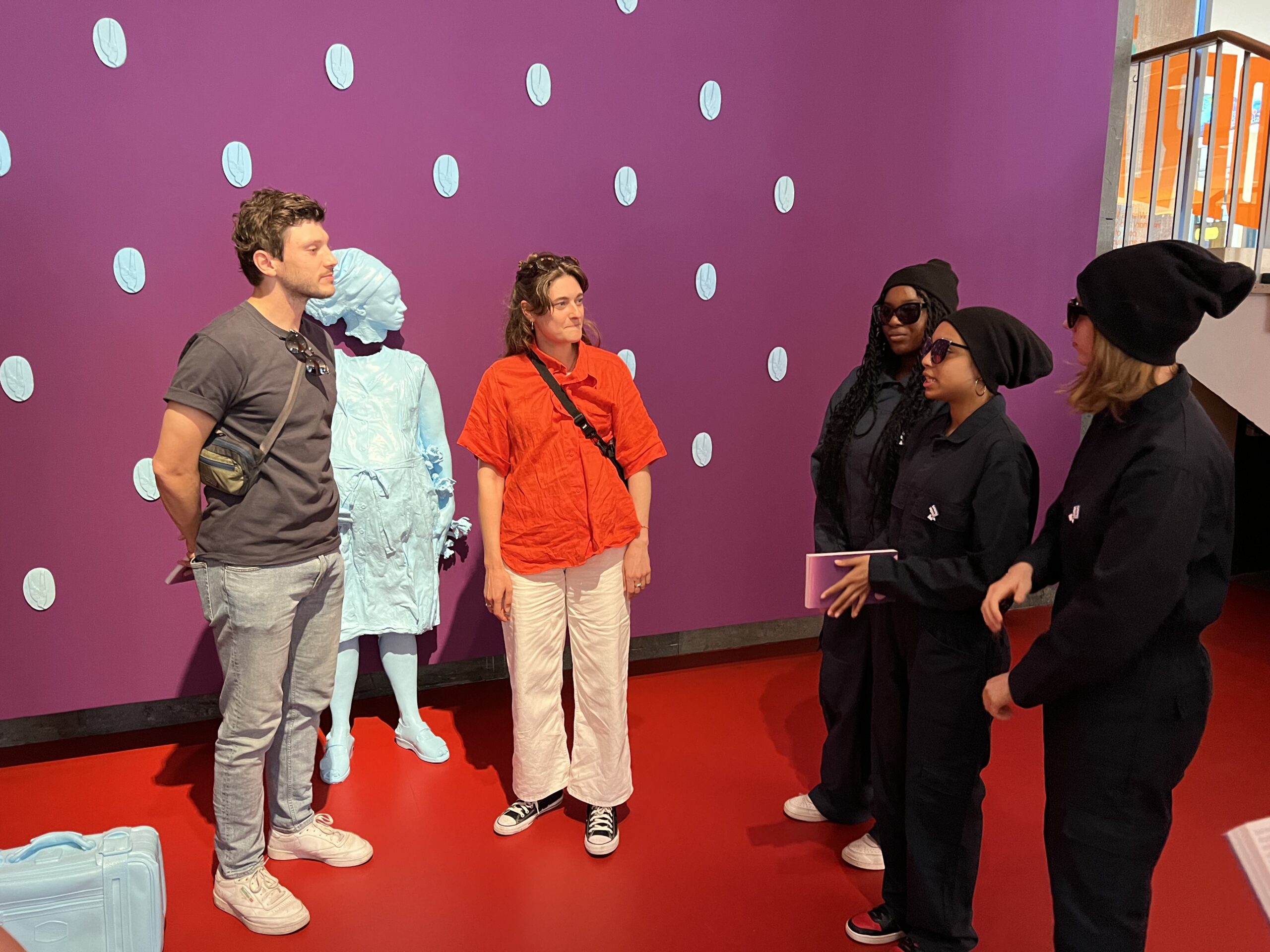
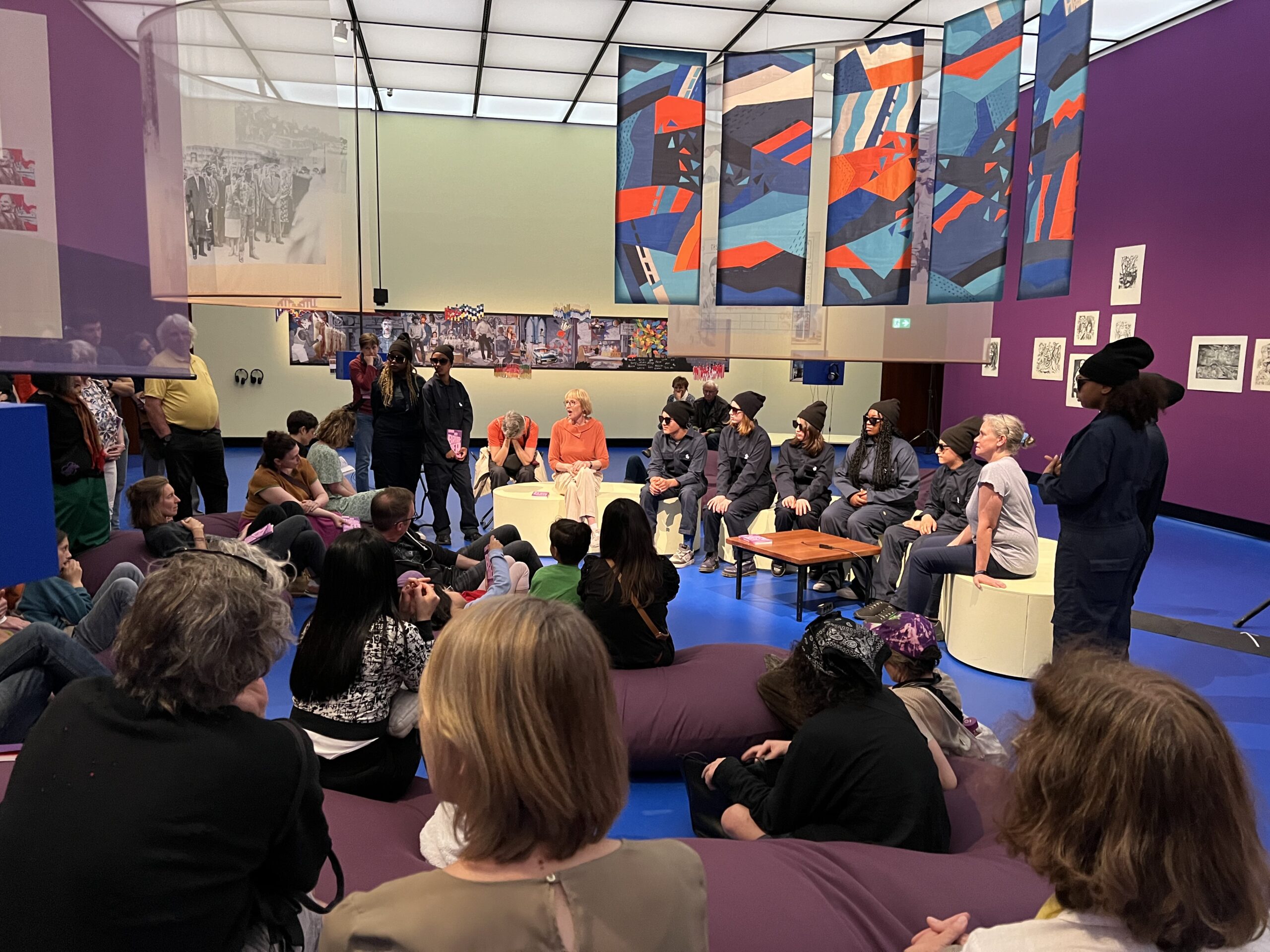
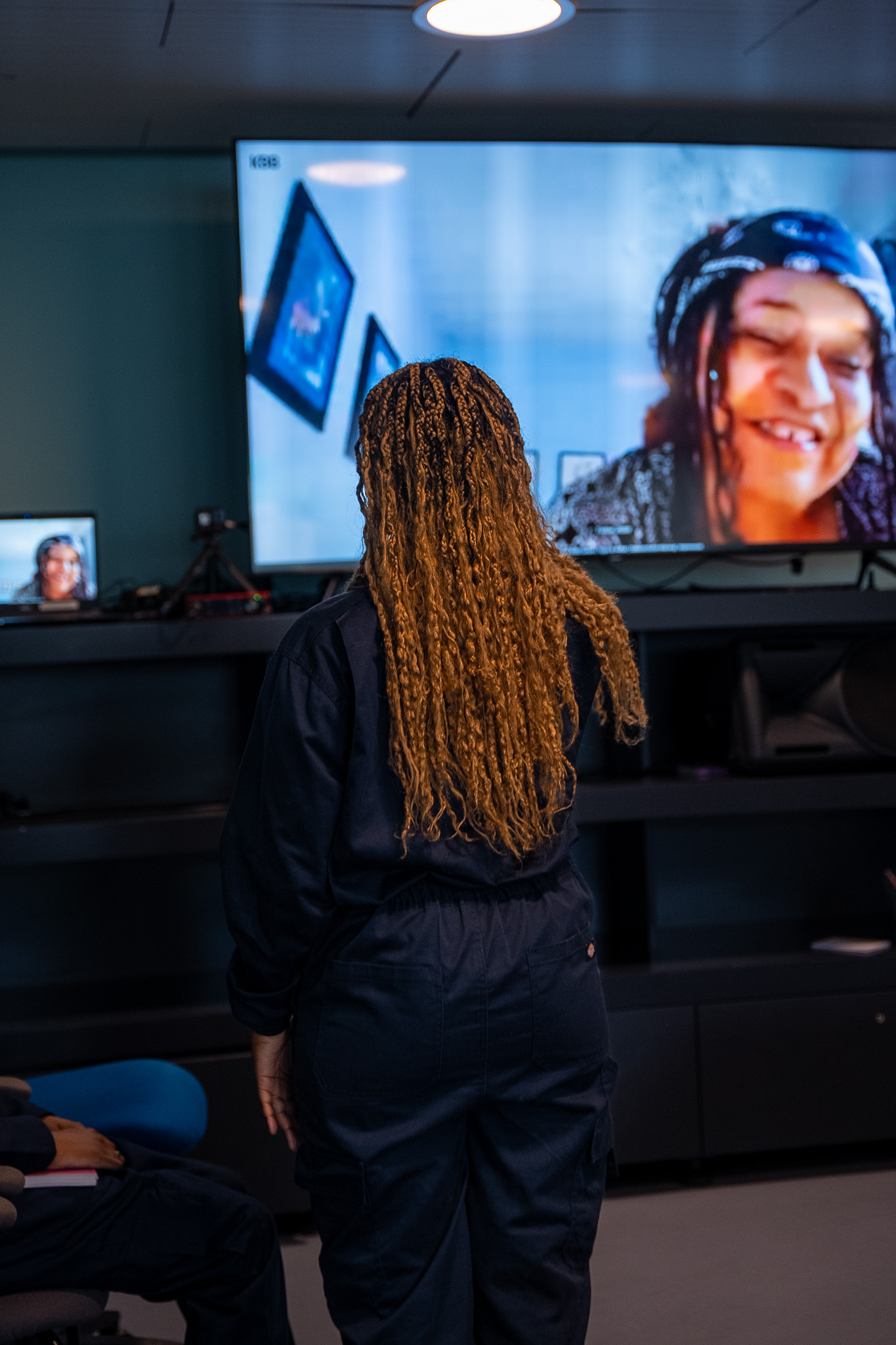
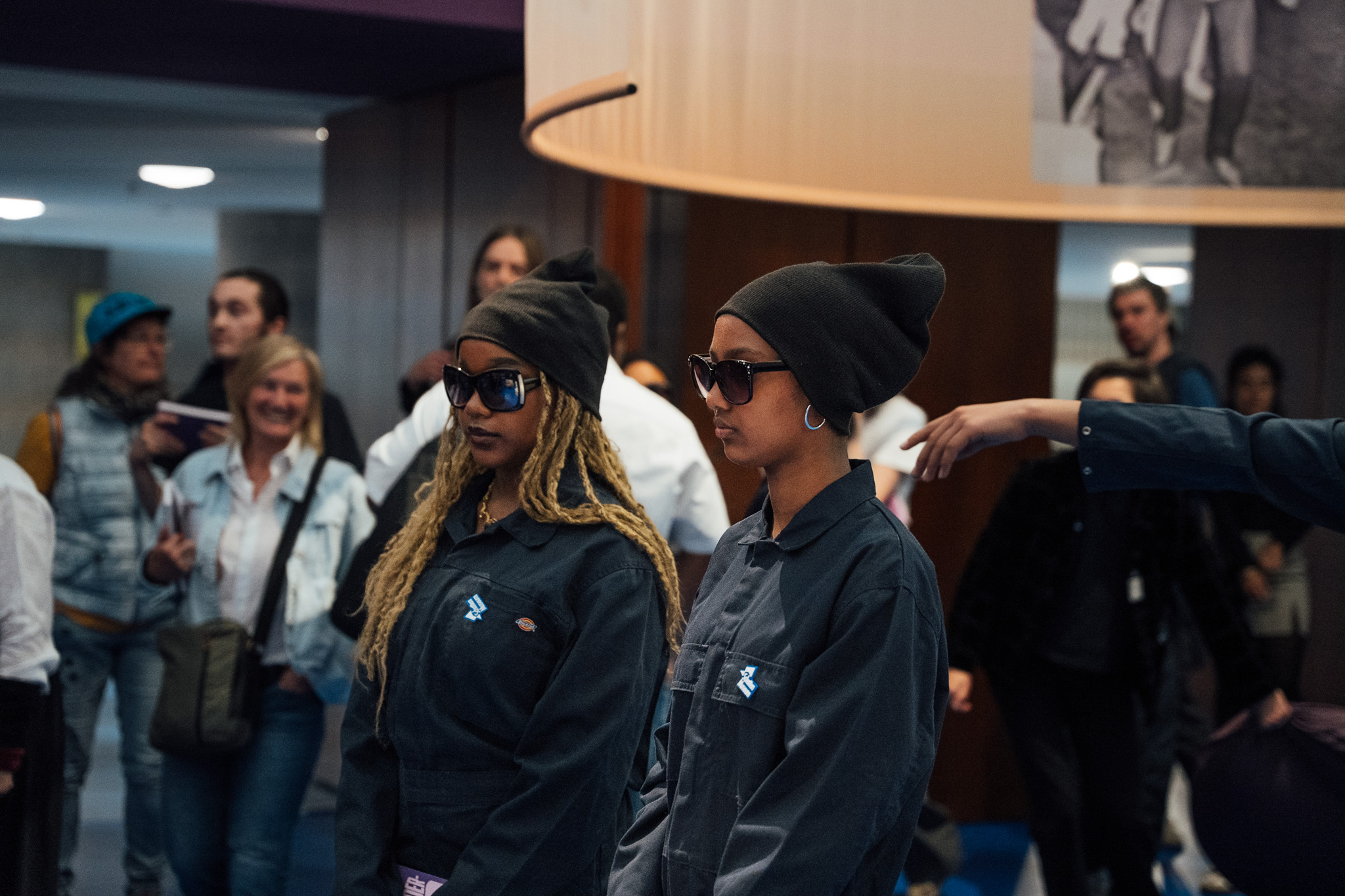
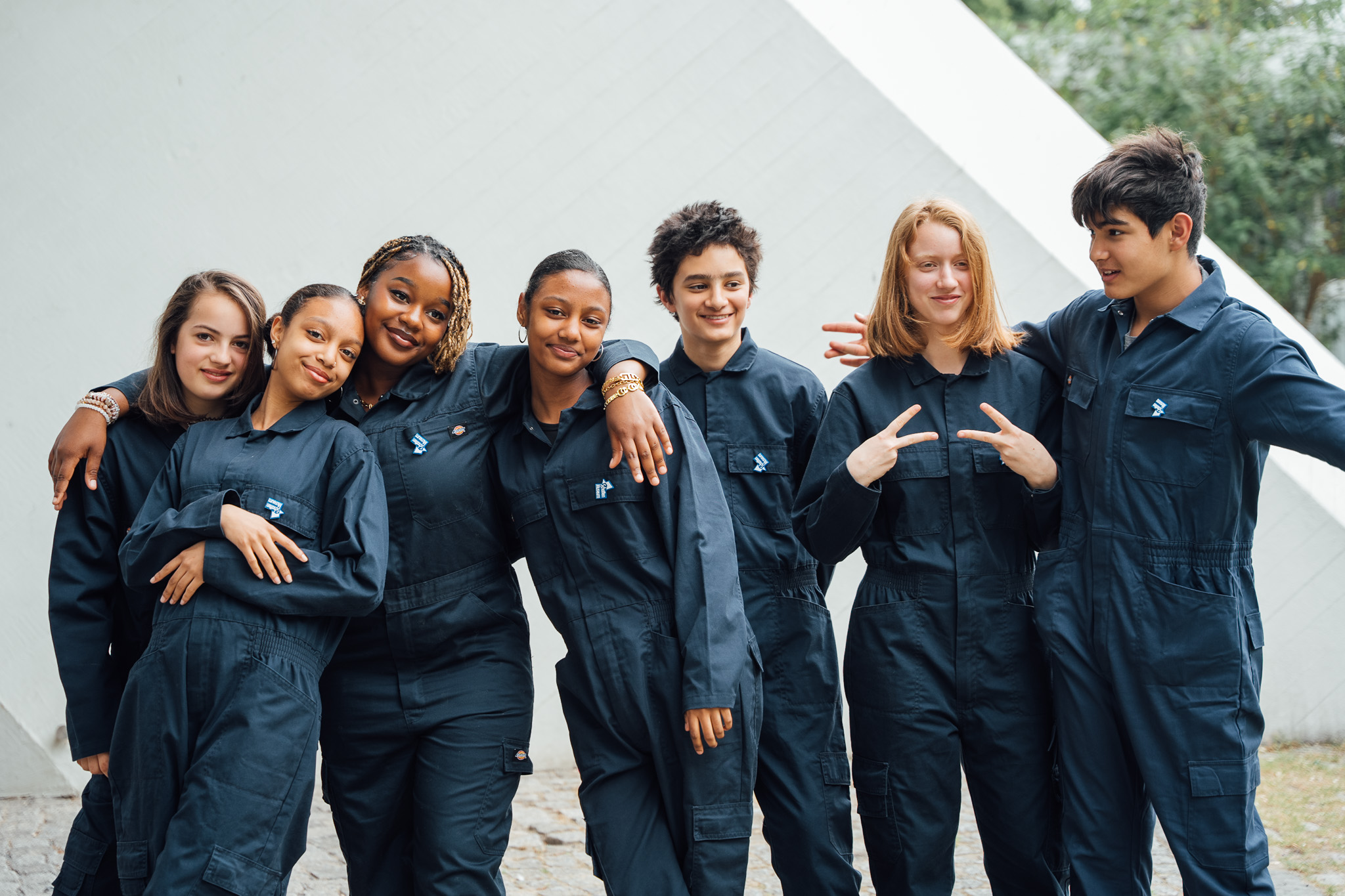
CAELIUS JUVENILIS – Episode III: The Aliens Time Travel to the GDR and its “Brother Countries”

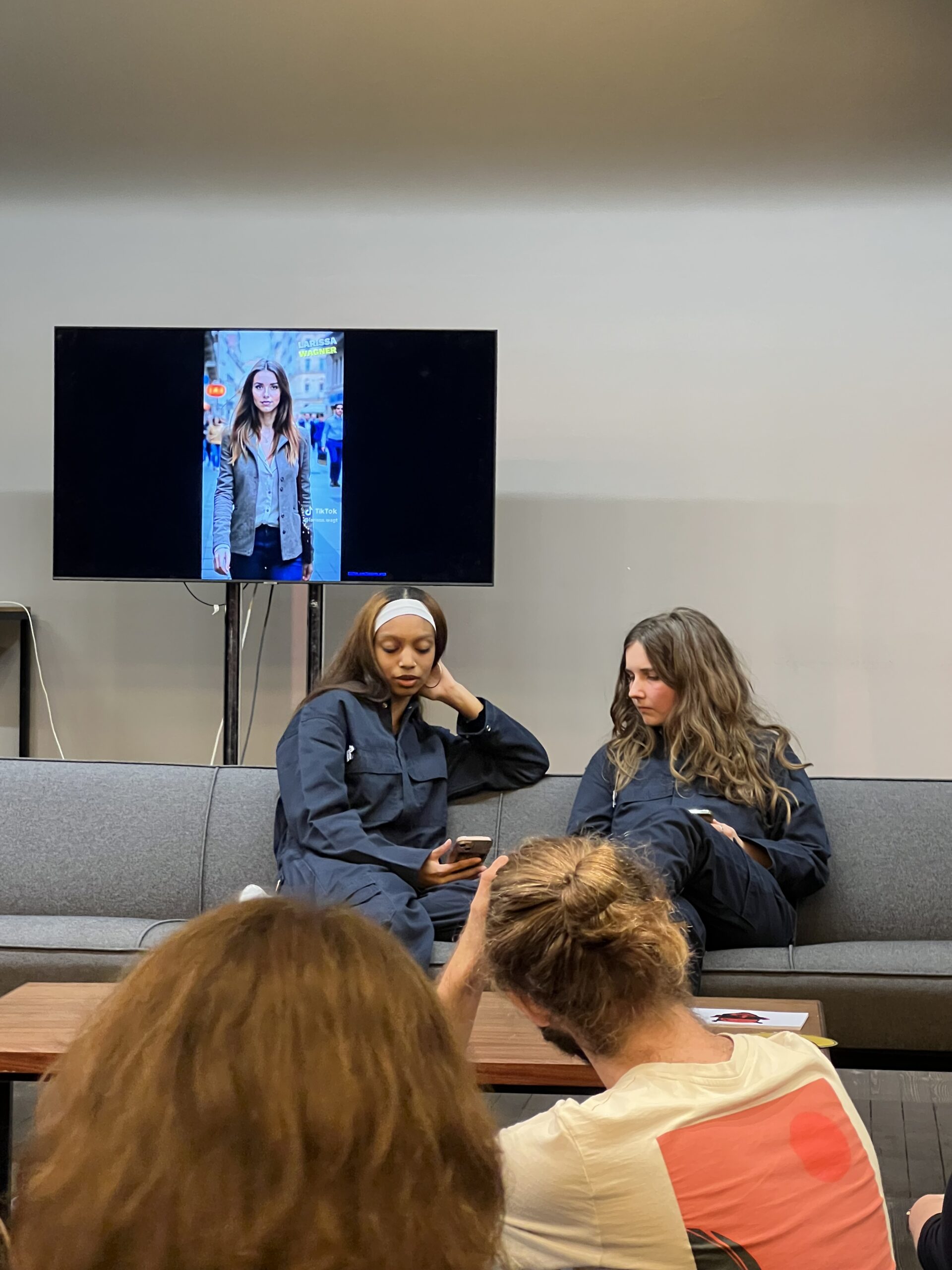
The Shadow Museum, a collective of young people seeking alternative approaches to the museum institution for several years, is now exploring the history of former “contract workers” from the so-called “brother countries” of the GDR together with sideviews. From the perspective of aliens, the young people examine how the then “brother countries policy” affects current societal issues such as racism and discrimination, based on their life experiences and the exhibition Echos der Bruderländer at the House of World Cultures (HKW). The artistic research of the Shadow Museum is presented at the HKW as an interactive, playful, and extraterrestrial symposium.

Foto sideviews
Foto sideviews

By/with Laith Azimi, Anna Bartels, Lou Braun, Romy Drieschner, Mariama Juric, Sharon Morane Momo, Elis Nägele, Phanuel Nlend Nlend, Elijah Sagor, Elona Sagor, Anja Scheffer, Moritz Scheffer, Cem Yildiz and the contemporary witnesses Mavinga P. Petrasch, Wilma Florath, Monika Kegel, Anja Paetsch

Foto Jamila Grote

Foto Jamila Grote

Categories
Game Museum Theatre

GLOBAL ROOTS

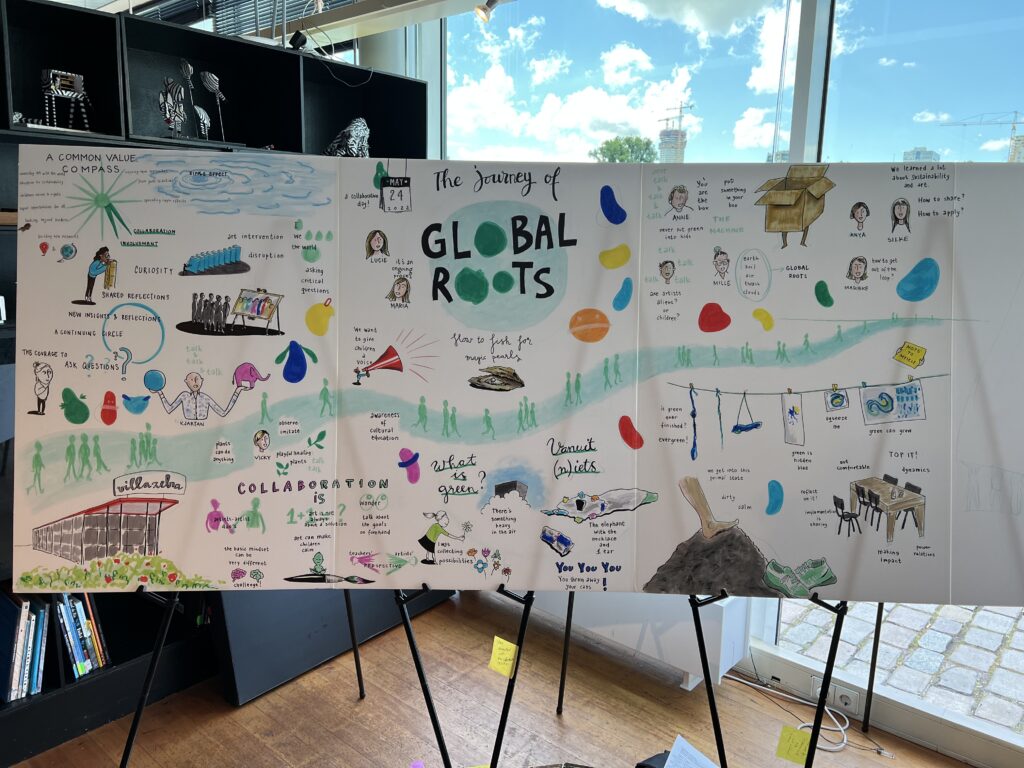
Seven European partners from Denmark, Sweden, Hungary, Germany, and the Netherlands have joined the GLOBAL ROOTS project to explore the connection between art, culture, creativity, and education for sustainability in primary schools. Through shared experiences, they have developed the Global Roots platform, offering new ideas for educational practice.

Supported by Erasmus+ (EU), the Stadtapotheke has established contacts with various partners, exchanging and reflecting on strategies. Together, they are developing a tool to compile and analyze their experiences. This collaboration highlights similarities and differences in approaches, promoting project ideas and partnerships between artists and schools. The cooperation fosters new ways for children to address issues of active global citizenship and sustainability.

https://globalroots.eu/

Categories
Game Youth Committee Shadow Museum Museum Museum Shadow Museum Shadow Museum Game Theatre Theatre Youth Committee Shadow Museum

38-40 rooms: In the KW Institute for Contemporary Art

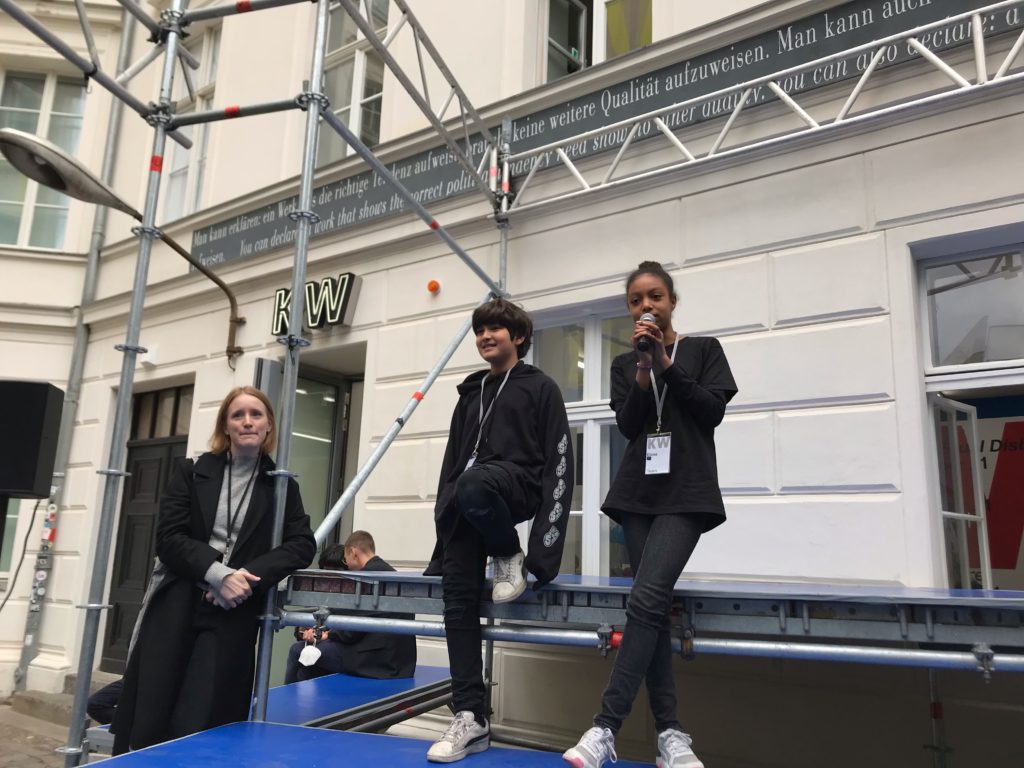
As part of the anniversary weekend of the KW Institute for Contemporary Art, the Schattenmuseum Youth Committee occupy three rooms of the project 37 Rooms REVISITED with Room 38-40, Back to ME and a new edition of our Game of Life.

For Kunst-Werke Berlin, the year 1992 was distinguished by the realization of the 37 Rooms exhibition. Taking place parallel to the opening of documenta IX in Kassel, it drew in at short notice a large number of Berlin-based artists, curators and critics who staged 37 Rooms along Auguststrasse. 

Today, 37 Rooms can be regarded as a prototype for the Berlin Biennale for Contemporary Art. On September 18 and 19, 2021 the concept of 37 rooms was reanimated in the neighbourhood,  as visitors were led through the courtyards of the Scheunenviertel to Auguststrasse 69. Both days featured a program of performance and music, including interventions by Schattenmuseum Youth Committee collective, playfully confronting the (archive) structures and inception processes of a contemporary art institution. 

Room 38-40


Room 38: KW Archives x Schattenmuseum Youth Committee: Room 38-40 

Taking its spur from the KW archive and early projects, the Schattenmuseum Youth Committee infiltrates the KW by means of an interactive intervention, central to which is the photographic slide. Visitors are invited to develop and curate exhibition concepts for their own spaces, accompanied by the Schattenmuseum Youth Committee. Guided tours, experiments and performative workshops form the framework for an archive and slide workshop for all visitors. 

Room 39: Schattenmuseum Youth Committee: Back to ME 

Back to ME is an installation curated by the Schattenmuseum Youth Committee on the occasion of KW’s 30th anniversary. The young people open up an interactive space that invites visitors to engage with themselves. Here, the prejudices of others can be separated from the perception of self. The space offers an intimate atmosphere for self-reflection  which, in turn, functions as a space for silent communication. 

Room 40: Schattenmuseum Youth Committee:  Game of Life

In the Game of Life, visitors use various event cards to go through a fictitious curriculum vitae dedicated to questions of identity, community, love, gender and migration. For the 30th anniversary, the Schattenmuseum Youth Committee presents an updated version of this game, originally created in 2018 as part of the exhibition A for Jewish as a cooperation between the Jewish Museum Berlin and the Schattenmuseum Youth Committee.


Further information about the programme is available here: https://www.kw-berlin.de/30-jahre-kw-jubilaeumswochenhttps://www.kw-berlin.de/en/30-years-of-kw-anniversary-weekend/ende/

Many thanks to our sponsor:

Categories
Game Museum Museum Game Theatre Theatre Uncategorized

The City Pharmacy: Sharing lost knowledge
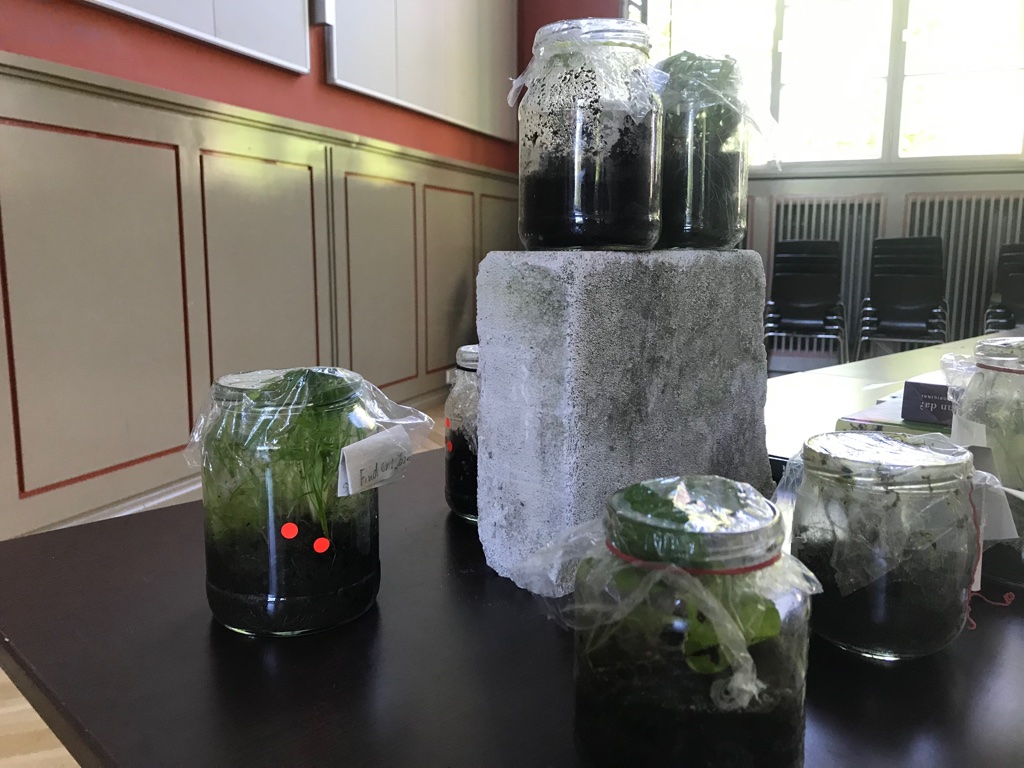
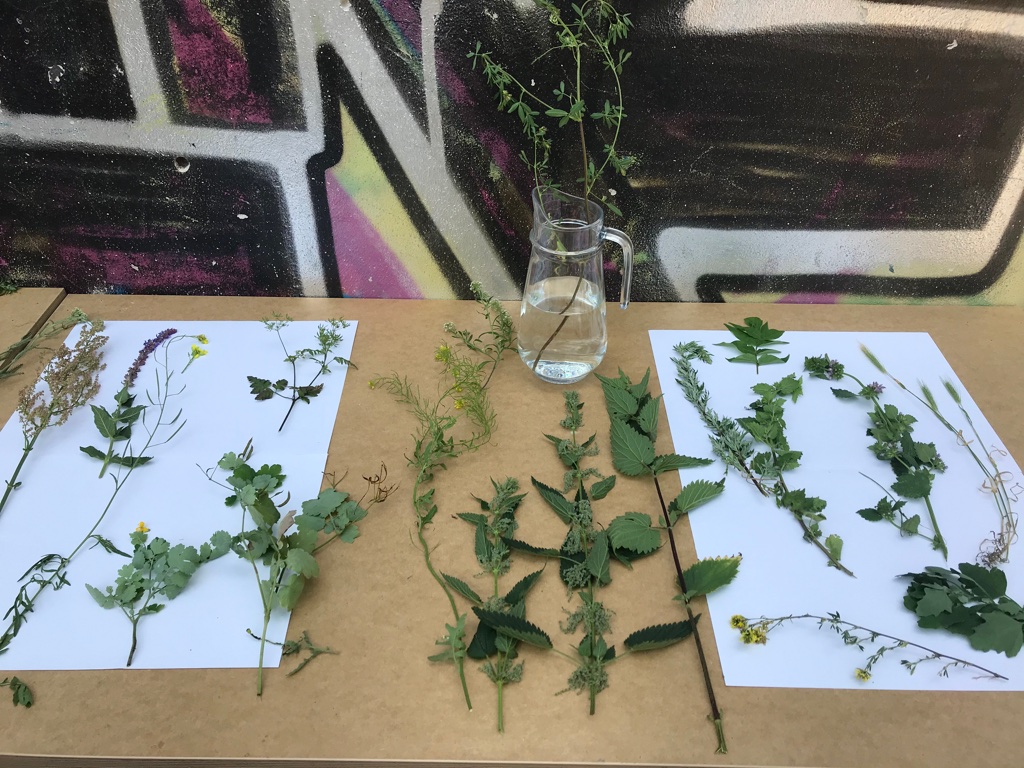
Which plants live in the urban space of Berlin and how do you detect them? Are they poisonous? Or edible? Can they even heal? How do we use them? Where do they live and how do they survive there? The city pharmacy goes in search of old, almost lost knowledge. The urban space becomes an object of research and a laboratory. What can a plant say about itself and its environment? About the city and its wounds? What does the term migrant plant or pioneer plant mean? Which artistic translations are suitable? How can a living archive be created?

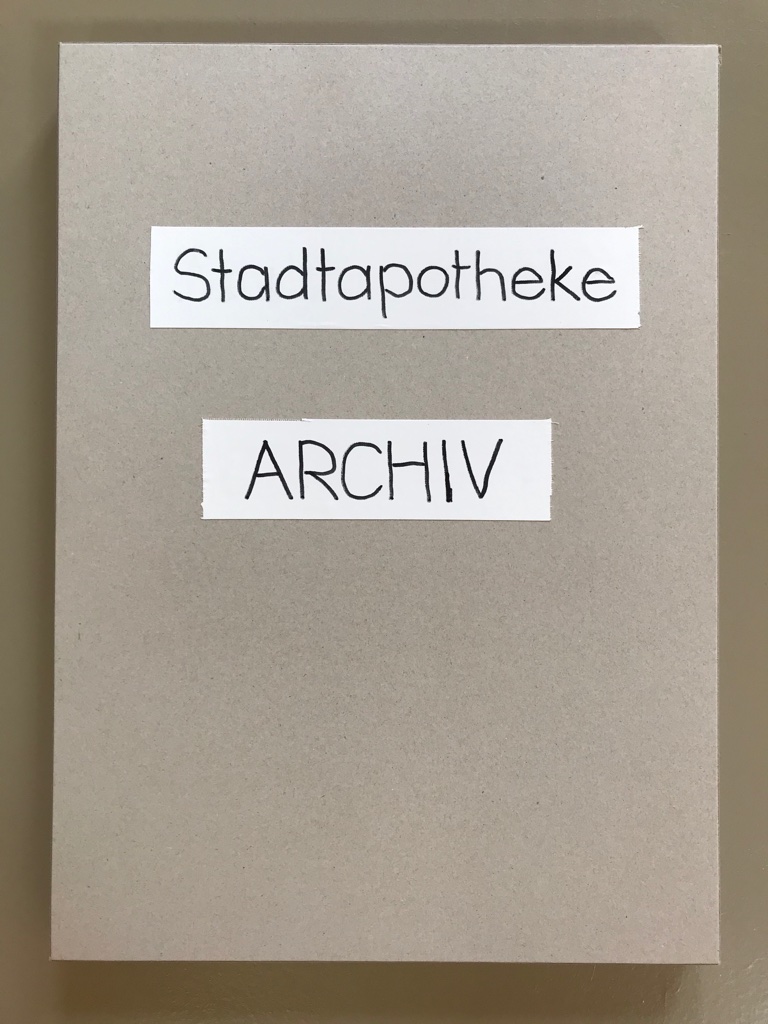
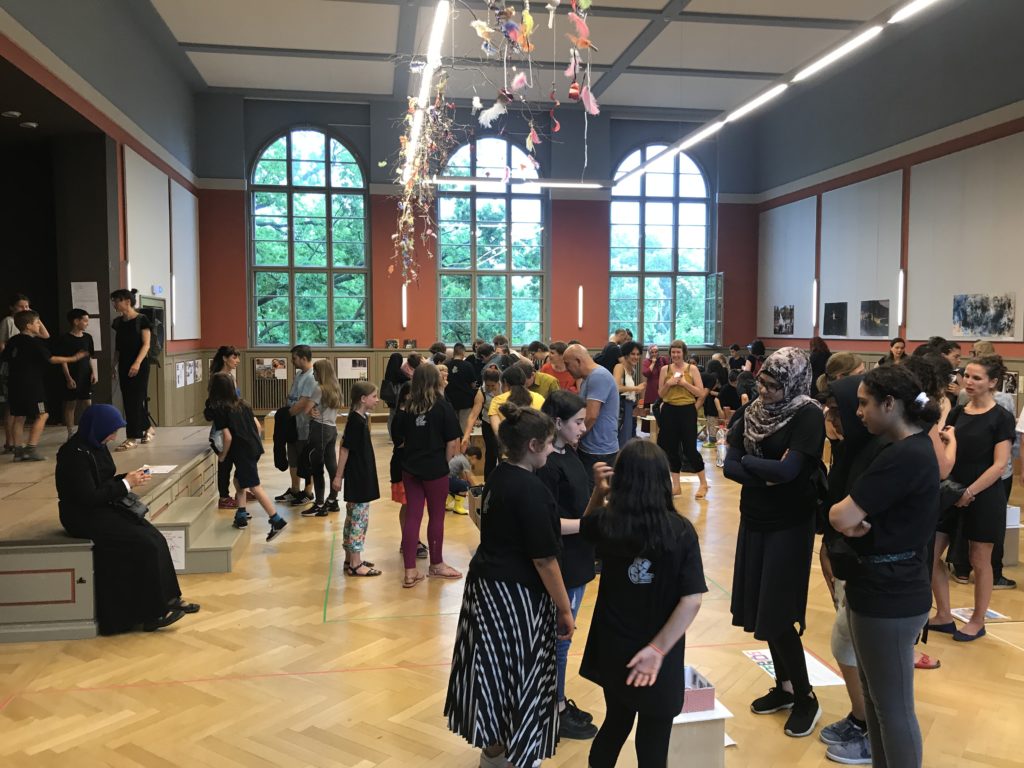
For more than a year, the Stadtapotheke has been conducting intergenerational research: with the Nürtingen elementary school in Berlin-Kreuzberg, the artists Anja Scheffer and Seraphina Lenz, the retired pharmacists Tomma and Heino Luxa and a 456 grade class and their teacher Wiebke Janzen, accompanied by Silke Ballath. The project deals with the research and dissemination of knowledge and seeks to develop new forms of transmission, with research methods alternating between scientific and creative-performative approaches. All of the materials produced is archived and presented in the House of World Cultures as part of “Schools of Tomorrow”.

Arising from its year-long research process, the Stadtapotheke has also forged contacts with various partners in the context of Global Roots, an Erasmus+ project. Its approaches, strategies and procedures reflect and develop ideas and suggestions and the experiences are shared with other participants. In addition, the Global Roots project participants are jointly developing a tool for the drawing together and reflection on the respective experiences. Similarities and differences of the respective processes are made visible and negotiable. Proposals for project ideas, collaboration between artists and elementary schools, as well as diverse areas of interest between art and science are published. The collaboration of the participating teams from the different countries informs the way in which the Global Roots project is documented.

The aim of the Global Roots project is to highlight how arts and culture can encourage teachers in primary education to create a sustainable learning environment in which children can reflect and develop their relationship to today’s world. Partnerships between people from art / culture and primary school education challenge the mind-set and working processes of both professional groups and develop new approaches to convey to children notions of active global citizenship and sustainable development.

VIDEO DOCUMENATATION (in German language)

The one-year research process of the city pharmacy took place as part of  Schools of Tomorrow in cooperation with the House of World Cultures, as well as with the Programm Kulturagenten für kreative Schulen Berlin and as part of Urbane Botanik III: Räume des Gemeinschaffens.

Categories
Game Youth Committee Shadow Museum Museum Museum Shadow Museum Shadow Museum Game Theatre Youth Committee Shadow Museum

Hey Siri! What is a Curator?

“Hey Siri! What is a curator?” is a test lab investigating creative freedom between museum and school. For a month, 50 children and young people examined the Berlinische Galerie from their perspective, coming to terms creatively with the collection of the Berlinische Galerie via the questions, “ What would my museum look like?”, “What would I exhibit, how and for whom?” and “How can I approach a work of art in a fun way?”

As part of this field of experimentation, they designed installations, texts, museum models, videos and performances referring to the collection of the Berlinische Galerie which were implemented and enacted both there and in the school: as an interactive exhibition in which the processes and artistic treatments were brought together.

Eight museum designs from the perspective of children and young people meet a multitude of experiments concerning the artistic approach to pieces. The experiments were summarized in the SIRIBOX.

In August 2019, the Schattenmuseum Youth Committee and sideviews were invited to exhibit the SIRIBOX experiments in the Berlinische Galerie. The exhibition opened in December 2019. At the finissage of the exhibition, those interested could receive one of forty SIRIBOXES in exchange for an idea.

The SIRI-Book

In 2020, the education department of the Berlin Biennale developed a toolkit for its mediation in a workshop with the Schattenmuseum Youth Committee, based on the SIRIBOX. Applications for the SIRIBOX are still being accepted: the best ideas on how to use the SIRIBOX are selected by the Schattenmuseum Youth Committee.

Examples / Owners of the SIRIBOX

Categories
Game Youth Committee Shadow Museum Museum Museum Shadow Museum Shadow Museum Game Youth Committee Shadow Museum

Where is Planet B?

Between belief in progress and appropriation of the future

Where is Planet B? is a performative symposium in the Berlinische Galerie accompanying the exhibition “Fazit” by realities:united, a group that develops projects at the junction of art and architecture. On the occasion of the planned abandonment of nuclear and coal power in Germany, the large thermal power plants are to be modified – the steam from still active power plants will rise in the form of huge rings that can be seen from afar as a symbol of a transformation reverberating through the country.

The intervention Where is Planet B? poses critical questions about social changes and the role of art: From the perspective of Generation 200X. Special guests of the performative symposium are Jan and Tim Edler from realities:united and the curator Ruth Noack.

Categories
Game Museum Museum Shadow Museum Game Theatre

A Question of Perspective: An Opera

As part of the 1st Children’s Biennale of the Dresden State Art Collections schoolchildren created and performed an opera with the assistance of museum visitors. In 2018, the Archiv der Avantgarden (AdA) invited visitors to explore the question of the connection between art, design, performance and school. Schoolchildren from Dresden carried out research in the Japanese Palais in cooperation with the desarteur (Halle) and sideviews (Berlin) collectives. They dealt creatively and performatively with the “social space” and the importance of changing perspectives, from a framework formed by the ideas of Robert Filliou, Kurt Schwitters and Bruno Munari. 

A question of perspective: An opera was staged as an interactive performance in the Albertinum, Dresden in 2019.